

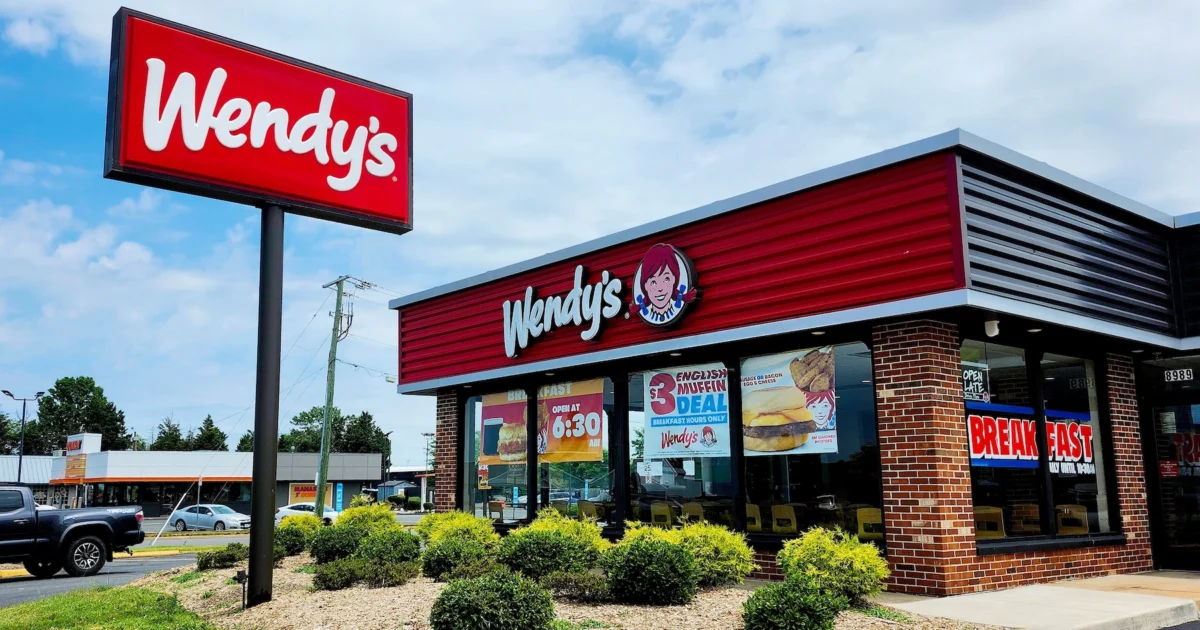
The second quarter of the year proved to be a challenging period for Wendy’s, with the fast-food burger chain reporting a significant downturn in its financial performance. System-wide sales experienced a contraction of 8.2%, while same-store sales saw a decline of 7%. This downturn was accompanied by a sharp 12.5% drop in customer traffic, a critical metric indicating consumer engagement and loyalty. The decline in traffic is attributed to a confluence of factors, including a reduction in breakfast offerings and a decrease in promotional discounts, which had previously incentivized customer visits. The company has projected that these sales and traffic challenges, along with pressure on profitability, are likely to persist through the remainder of the year.
This period of decline for Wendy’s has coincided with a period of robust growth for its competitor, Burger King. The rival chain has not only weathered the economic headwinds but has also seen its sales surge. This divergence in performance has resulted in a significant shift in market positioning: Burger King has now surpassed Wendy’s to become the second-largest fast-food burger chain in the United States, a distinction it last held in 2021. McDonald’s continues to maintain its dominant position as the largest player in the market. In the second quarter, Wendy’s reported system sales of $2.9 billion, while Burger King achieved $3.2 billion, underscoring the widening gap between the two entities.
The downward trend for Wendy’s is not an isolated incident but rather a culmination of several strategic missteps and market pressures that have eroded its competitive edge. The company’s leadership, under the newly appointed CEO Bob Wright, has acknowledged the severity of the situation and initiated steps to address the declining sales and traffic. A recent dividend cut is intended to free up capital for "targeted" investments, signaling a strategic pivot towards revitalizing the brand and its operations. Furthermore, the company is reportedly preparing for a potential corporate restructuring, indicating a comprehensive review of its business model and operational efficiency.
Acknowledging Underperformance and Strategic Imperatives
In a candid statement, CEO Bob Wright directly addressed the company’s underperformance, stating, "We are clearly not performing at our potential. Our traffic, our value proposition, and franchisee economics are not meeting our expectations." This admission highlights the multifaceted nature of the challenges facing Wendy’s, extending beyond mere sales figures to encompass fundamental aspects of customer perception and the financial health of its franchise partners.
Wright elaborated on the erosion of Wendy’s perceived competitive advantages, noting that the brand’s "quality differentiation has eroded" and that the company’s execution had been subpar. He further posited that a focus on "cost and efficiency" had driven decisions that ultimately weakened the brand’s unique selling propositions. This suggests a period where operational optimization may have inadvertently compromised the core elements that defined Wendy’s appeal to consumers.
The marketing strategy also came under scrutiny. Wright described it as "over-reliant on a calendar of one-off promotions and collaborations, rather than a consistent, relevant brand narrative." This approach, he argued, failed to build sustained brand equity. The recent "Minions and Monsters" promotion, for instance, did not yield the anticipated sales results, serving as a tangible example of the shortcomings in the current promotional strategy.
Breakfast Woes and Systemic Closures
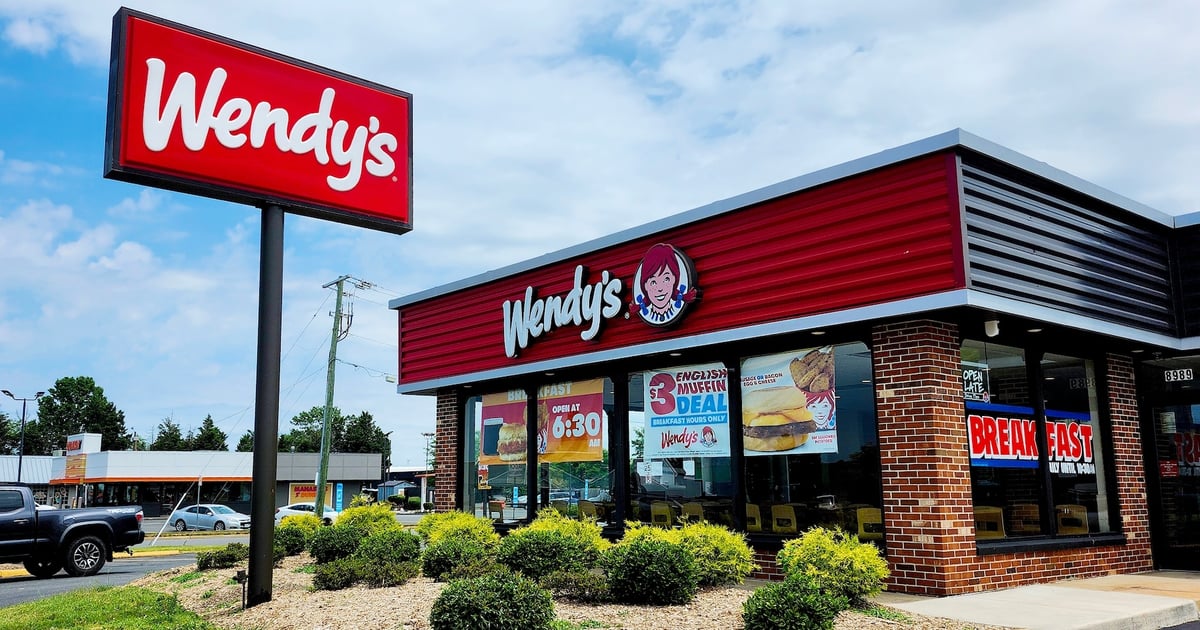
Breakfast, a crucial daypart for many fast-food chains, has proven to be a significant drag on Wendy’s performance. It contributed approximately 120 basis points to the decline in same-store sales. A notable portion of this impact, around 70 basis points, stems from franchisees opting out of offering breakfast due to profitability concerns. While Wright emphasized the importance of the breakfast segment and indicated it is under evaluation, he stressed that a broader strategic realignment is necessary before a definitive assessment of the morning daypart can be made.
A substantial factor contributing to the overall decline in Wendy’s system sales and its loss of market share to Burger King has been store closures. The chain has closed a net of 245 U.S. locations year-to-date, marking its second significant closure program in as many years. Wright indicated that further closures might be on the horizon, but these would be strategically targeted to enhance the health of franchisees and the overall system, rather than broad, programmatic shutdowns. This approach aims to streamline operations and improve the viability of remaining locations.
A Look Back: The Trajectory of Decline
The current struggles at Wendy’s are not an overnight phenomenon but rather the result of trends that have been developing over time. The brand, once lauded for its fresh, never-frozen beef and square patties, has faced increasing competition from a revitalized Burger King and a host of other quick-service operators.
- Early 2020s: Wendy’s focused on expanding its breakfast menu and leveraging digital ordering platforms. While these initiatives saw some initial traction, they did not fundamentally alter the competitive landscape or address underlying operational challenges.
- Mid-2020s: Increased operational costs, including rising labor and food prices, began to put pressure on franchisee profitability. This coincided with a growing consumer demand for value, leading to a greater reliance on discounts and promotions.
- Late 2020s (leading into the current period): A strategic decision to reduce promotional depth and frequency, coupled with a perceived lack of compelling new product introductions, began to alienate a segment of the customer base. Simultaneously, Burger King, under new leadership and with a renewed focus on core menu items and value, started to gain momentum. The company’s decision to close underperforming stores, while necessary for long-term health, contributed to a short-term decline in system-wide sales.
The Burger King Resurgence: A Contrasting Narrative
Burger King’s recent success stands in stark contrast to Wendy’s challenges. The chain has benefited from a renewed focus on its core menu offerings, including the "Whopper," and a more aggressive pricing strategy. Investments in technology and store modernization have also contributed to an improved customer experience. The company’s strategy appears to have resonated with consumers seeking value and familiarity in a challenging economic climate.
Data from industry analysis firms indicates that Burger King’s same-store sales have shown consistent positive growth over the past several quarters, a trend that has propelled it past Wendy’s in system sales. This resurgence is often attributed to a more cohesive brand message and effective promotional campaigns that drive traffic without significantly cannibalizing margins. The relative success of Burger King also highlights the dynamic nature of the fast-food landscape, where strategic agility and responsiveness to consumer preferences are paramount.
Broader Implications and Future Outlook
The shift in market share between Wendy’s and Burger King has significant implications for the quick-service restaurant industry. It underscores the intense competition within the burger segment and the importance of a well-defined brand identity and a consistent value proposition. For Wendy’s, the path forward will likely involve a comprehensive re-evaluation of its product pipeline, marketing strategies, and operational efficiencies. The success of CEO Bob Wright’s overhaul will depend on his ability to reignite customer traffic, improve franchisee economics, and re-establish the brand’s competitive differentiation.
The broader economic climate, including inflation and consumer spending habits, will continue to play a crucial role. As consumers become more discerning about their discretionary spending, brands that can offer perceived value, quality, and convenience are likely to fare better. Wendy’s has a substantial undertaking ahead to regain lost ground, and its strategic decisions in the coming months will be closely watched by investors, franchisees, and consumers alike. The company’s ability to adapt to evolving market demands and deliver on its brand promise will be critical in determining its future trajectory in the highly competitive fast-food landscape.
