

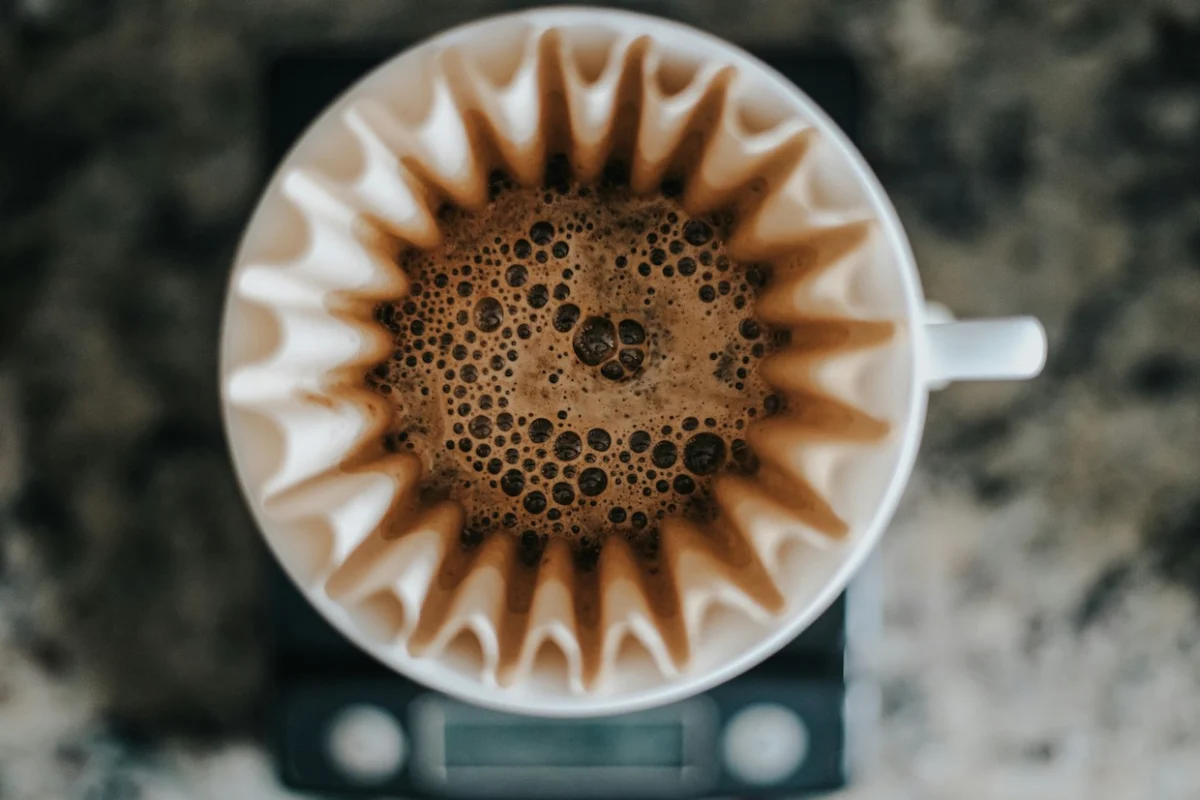
A groundbreaking genetic analysis has illuminated a potential biological mechanism explaining the observed association between filtered coffee consumption and reduced blood sugar levels. The study, which underwent a correction in npj Science of Food on May 7th after its initial publication in December, employed a rigorous Mendelian randomization approach to investigate causal relationships between various coffee consumption patterns and HbA1c, a key biomarker for tracking average blood glucose over time.
The research, spearheaded by a team at the School of Nursing at Peking University in Beijing, China, delved into extensive datasets from the UK Biobank, encompassing over half a million participants, and the MiBioGen consortium, which profiles gut bacteria in approximately 18,000 individuals. This comprehensive approach allowed researchers to move beyond mere correlation and explore potential causal links.
Delving into Coffee Consumption Patterns and Their Metabolic Impact
The study meticulously examined six distinct coffee consumption patterns to ascertain their influence on HbA1c levels. These included:
- Filtered coffee
- Instant coffee with milk
- Filtered coffee with milk
- Coffee with added sugar
- Coffee with artificial sweeteners
- Decaffeinated coffee
Of these, only filtered coffee demonstrated a statistically significant association with lower HbA1c levels. The absence of a similar link across the other consumption methods underscores the specificity of the findings related to filtered coffee. This suggests that the preparation method and potentially the resulting composition of the beverage play a crucial role in its metabolic effects.
The Gut Microbiome: A Crucial Intermediary
A significant focus of the research was the intricate relationship between coffee consumption and the gut microbiome. The researchers specifically investigated the role of four gut bacteria known for their production of propionic acid, a short-chain fatty acid that has been widely recognized for its positive impact on insulin sensitivity and blood glucose regulation. The bacteria under scrutiny were Veillonella, Akkermansia, Parabacteroides, and Bifidobacterium.
The findings revealed that all four bacterial species exhibited an inverse association with HbA1c levels, meaning higher abundance was linked to lower blood sugar markers. However, the crucial breakthrough came with the discovery that only Veillonella showed a significant association with filtered coffee consumption. This points towards Veillonella as a potential mediator in the observed effect of filtered coffee on blood sugar.
Compositional Differences: The Role of Chlorogenic Acid and Polyphenols
The study’s authors posited that the unique composition of filtered coffee might be responsible for its distinct metabolic impact. They noted that the filtration process, particularly when using paper filters, tends to retain higher concentrations of beneficial compounds like chlorogenic acid and other polyphenols, while simultaneously removing a greater proportion of coffee lipids. This differential removal of compounds could explain why filtered coffee stands apart from other preparations, including decaffeinated, sweetened, or milk-added varieties.
Chlorogenic acids are well-documented antioxidants with anti-inflammatory properties and have been investigated for their role in glucose metabolism. Polyphenols, a broad class of plant-derived compounds, are also known for their antioxidant and anti-inflammatory benefits, which can contribute to overall metabolic health. The selective retention of these compounds in filtered coffee, coupled with the reduction of lipids, could create a favorable environment for improved glucose control.
Expanding the Landscape of Coffee and Health Research
This latest study builds upon a growing body of research exploring the complex interplay between coffee consumption and human health, with a particular emphasis on the nuances of preparation methods and the influence of the gut microbiome.
Filtered Coffee’s Promising Trajectory:
Previous research has already hinted at the beneficial effects of filtered coffee. A study conducted by researchers at Chalmers University of Technology and UmeÃ¥ University previously indicated that consuming two to three cups of filtered coffee daily was associated with a remarkable 60% reduction in the risk of developing type 2 diabetes. This finding, predating the current study’s microbiome focus, provides a crucial epidemiological backdrop to the biological mechanisms now being uncovered.
Furthermore, a separate investigation in Sweden highlighted the importance of brewing methods. It found that coffee brewed from many workplace super-automatic machines contained higher levels of cholesterol-elevating diterpenes compared to paper-filtered coffee. This underscores that the health implications of coffee are not solely dependent on the bean itself but are significantly influenced by the filtration and brewing processes, which can alter the final chemical profile of the beverage.

The Microbiome’s Expanding Role:
The current research also aligns with burgeoning interest in the gut microbiome’s influence on various aspects of health, including mental well-being. One recent study identified Lawsonibacter asaccharolyticus as a coffee-linked gut bacterium, whose presence and abundance were strongly associated with coffee consumption. This suggests a direct interaction between coffee compounds and specific microbial populations within the gut.
Another compelling study found that coffee consumption might play a role in preventing depression by supporting the "gut-brain axis." This axis refers to the bidirectional communication pathway between the central nervous system and the enteric nervous system, often mediated by gut microbes and their metabolites. The potential of coffee to positively influence this axis further broadens the scope of its health benefits beyond metabolic regulation.
Implications and Future Directions
The findings from Peking University offer a critical piece of the intricate coffee-and-health puzzle. By identifying a potential biological pathway involving specific gut bacteria and the composition of filtered coffee, the study provides a tangible mechanism to explain previously observed associations.
The implications of this research are far-reaching. For individuals managing blood sugar levels or at risk of developing type 2 diabetes, understanding the specific benefits of filtered coffee could inform dietary choices. It also emphasizes the importance of considering preparation methods when assessing the health impact of beverages.
However, it is crucial to approach these findings with a degree of caution. While Mendelian randomization is a powerful tool for inferring causality, it is based on genetic predispositions and observational data. Further clinical trials and mechanistic studies are warranted to definitively confirm these links and explore the precise interactions between filtered coffee compounds, gut bacteria like Veillonella, and human metabolism.
The study was made possible through funding from the National Key Research and Development Program of China and two National Natural Science Foundation of China grants. The authors have declared no competing interests, reinforcing the integrity of their findings.
As research into coffee and its multifaceted health effects continues to evolve, this study represents a significant step forward in understanding how our daily cup of coffee might be influencing our internal biological processes, particularly through the vital ecosystem of our gut microbiome. The nuanced relationship between how we brew our coffee and how our bodies respond is becoming increasingly clear, offering valuable insights for both consumers and the broader health community.
The research team’s dedication to exploring these complex interactions, from genetic predispositions to the microscopic world within our gut, highlights the ongoing scientific effort to unravel the full spectrum of coffee’s impact on human well-being. The potential for filtered coffee to contribute to better blood sugar management, mediated by beneficial gut bacteria, opens exciting avenues for future research and public health recommendations.
The study’s publication in npj Science of Food, a journal dedicated to the scientific understanding of food and nutrition, signifies the importance and rigor of this research. The correction issued on May 7th, while minor, reflects the meticulous process of scientific peer review and validation. This commitment to accuracy ensures that the information disseminated is as reliable as possible, allowing for informed understanding and application of the findings.
Looking ahead, future research could explore the specific compounds in filtered coffee that most effectively modulate Veillonella populations and propionic acid production. Investigating the long-term effects of consistent filtered coffee consumption on metabolic health markers in diverse populations will also be crucial. Furthermore, understanding how other lifestyle factors and dietary patterns interact with filtered coffee consumption and the gut microbiome could provide a more holistic picture of metabolic health.
The journey to fully comprehend the intricate relationship between coffee and human health is ongoing, but this latest research provides a compelling scientific rationale for the potential benefits of a simple, yet specific, brewing method. The humble cup of filtered coffee, it seems, may hold more secrets to our well-being than previously imagined, with our gut bacteria playing a pivotal role in unlocking them.
