

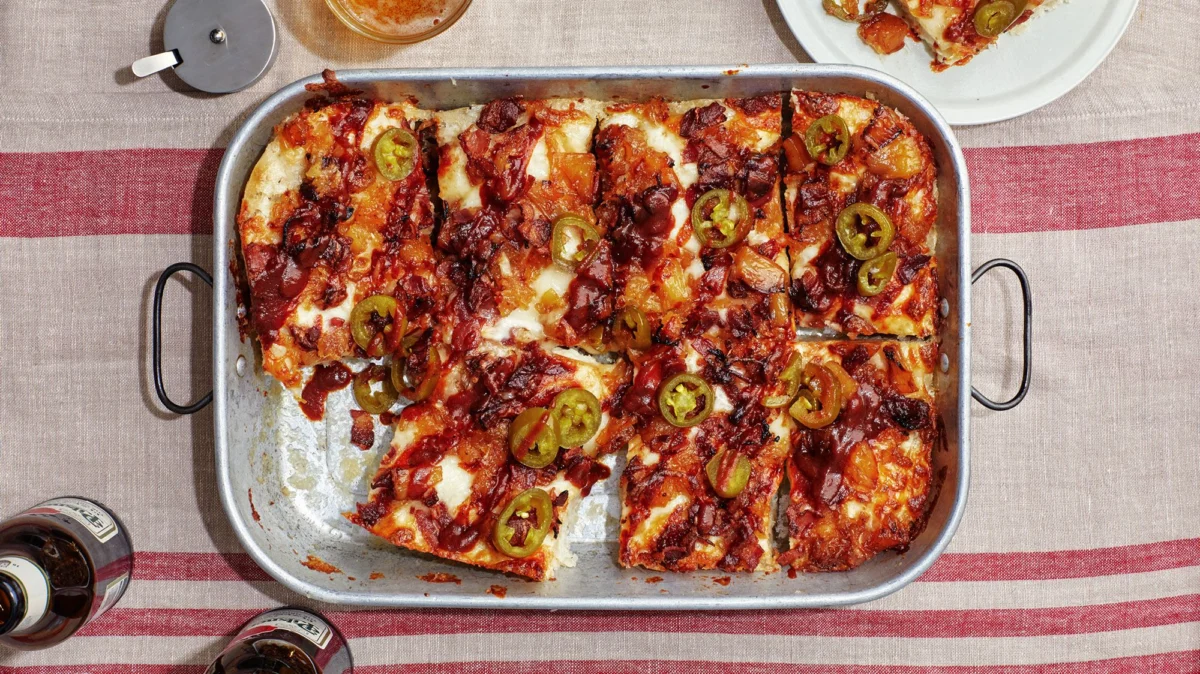
The simple pleasure of a tender, chewy crust, a vibrant slick of bright tomato sauce, and a generous shower of cheese continues to captivate culinary enthusiasts globally, cementing pizza’s status as a quintessential comfort food. Whether individuals are embarking on their maiden voyage into home pizza making, seeking innovative topping combinations, or meticulously planning their next family pizza night, the realm of homemade pizza offers an expansive canvas of culinary exploration. This growing trend encompasses beloved traditional styles such as the classic Margherita, the deep-dish allure of Detroit-style pizza, and the rustic charm of grandma pie, alongside a burgeoning movement to incorporate seasonal produce—from sweet corn and hearty squash to succulent peaches and earthy mushrooms—into the pizza repertoire.
The Genesis of a Culinary Staple: From Ancient Flatbreads to Modern Masterpiece
The history of pizza is a rich tapestry woven over millennia, tracing its origins back to ancient flatbreads consumed across the Mediterranean. Early iterations, often topped with rudimentary ingredients like oil, herbs, and cheese, served as simple, nourishing fare for laborers and soldiers. It was in Naples, Italy, during the 18th and 19th centuries, that pizza began to take on a form recognizable today. The Margherita pizza, reputedly created in 1889 by pizzaiolo Raffaele Esposito for Queen Margherita of Savoy, featuring tomatoes, mozzarella, and basil to represent the colors of the Italian flag, is often cited as a pivotal moment in its evolution. This marked the transition of pizza from a street food of the poor to a dish with royal endorsement, propelling its fame beyond regional confines.
The global journey of pizza intensified with Italian immigration, particularly to the United States in the late 19th and early 20th centuries. Pizzerias began appearing in American cities with large Italian populations, such as New York, Chicago, and Boston. Gennaro Lombardi opened the first licensed pizzeria in the U.S. in 1905 in New York City. Initially catering primarily to Italian-American communities, pizza gradually permeated mainstream American culture, especially after World War II, when returning soldiers, having experienced pizza in Italy, sought it out at home. This period saw a significant Americanization of pizza, leading to the development of distinct regional styles that have since become iconic.
The Rise of Regional Pizza Styles and Their Characteristics
The original article mentions several beloved styles, each with its unique characteristics, reflecting regional culinary traditions and preferences. Understanding these foundational styles provides context for home cooks aiming to replicate or innovate.
- Margherita: The epitome of Neapolitan pizza, characterized by its thin, soft, and elastic crust, slightly charred from a high-temperature oven. Topped simply with San Marzano tomatoes, fresh mozzarella, fresh basil, and a drizzle of olive oil, its beauty lies in the quality and balance of its few ingredients. The crust is often slightly soupy in the center.
- Detroit-Style Pizza: A relatively newer contender, gaining significant national popularity in recent years. Originating in Detroit in the mid-20th century, it’s known for its rectangular shape, thick, airy, focaccia-like crust, and crispy, caramelized cheese edges (achieved by spreading cheese all the way to the pan’s edges). The sauce is often ladled over the cheese after baking, a technique known as "red top."
- Grandma Pie: Hailing from Long Island, New York, the grandma pie is a thin, rectangular pizza baked in an olive oil-coated pan. It features a thinner crust than Sicilian pizza, but thicker than Neapolitan, and is often topped with crushed tomatoes, mozzarella, and garlic before baking. Its name suggests a home-style preparation, reminiscent of what an Italian-American grandmother might bake.
These styles, among others like New York-style (large, foldable slices with a chewy crust), Chicago deep-dish (a thick crust forming a bowl filled with cheese, toppings, and chunky tomato sauce), and Roman-style (often rectangular, with a light, airy, and crispy crust), demonstrate the incredible versatility and adaptability of pizza, inspiring countless home interpretations.
The Accessibility Revolution: Great Crusts Without the Knead
A cornerstone of any exceptional pizza is its crust, a fact underscored by culinary experts and home cooks alike. Historically, the prospect of crafting a perfect pizza dough from scratch was perceived as a significant barrier, often involving lengthy kneading, proofing, and precise handling. However, the contemporary culinary landscape has witnessed a revolution in dough accessibility, making the dream of a perfect homemade pizza a tangible reality for even novice bakers.

The advent of "no-knead" pizza dough recipes, popularized by various food publications and chefs, has dramatically simplified the process. These recipes leverage extended fermentation times (often overnight) to develop gluten structure and flavor without the physical exertion of kneading. This method not only reduces labor but frequently yields a more complex flavor profile and superior texture. For instance, a typical no-knead dough recipe might involve mixing flour, water, yeast, and salt, allowing it to rest at room temperature for several hours or in the refrigerator for days, developing flavor and elasticity passively.
Beyond no-knead innovations, the market for pre-made pizza dough has expanded significantly. Many grocery stores now offer ready-to-roll pizza dough, available in various formulations, including whole wheat, sourdough, and gluten-free options. This convenience allows home cooks to bypass the dough-making process entirely, focusing instead on creative toppings and baking techniques. Furthermore, a growing number of neighborhood pizzerias, recognizing the demand from home enthusiasts, now happily sell balls of their freshly handmade dough. This provides access to professional-quality dough, often crafted with proprietary blends of flour and long fermentation processes, ensuring an authentic taste and texture.
The choice between making dough from scratch (be it traditional or no-knead) and purchasing pre-made dough reflects a broader trend in home cooking: balancing the desire for homemade quality with the demands of modern lifestyles. The ease of acquiring a good crust has democratized pizza making, inviting a wider audience to participate in this culinary art form.
Beyond Pepperoni: A Kaleidoscope of Topping Inspiration
While classic toppings like pepperoni, mushrooms, and olives remain perennially popular, the home pizza movement encourages an adventurous approach to flavor combinations, particularly leveraging seasonal ingredients. The original article highlights this trend, suggesting the integration of diverse produce like corn, squash, peaches, and mushrooms.
- Spring/Summer: Sweet corn kernels, often roasted or grilled, add a burst of sweetness and texture. Fresh basil and cherry tomatoes are quintessential. Light, fresh cheeses like burrata can elevate a simple pie. Even peaches, when thinly sliced and paired with prosciutto or balsamic glaze, can create a surprising sweet and savory delight.
- Autumn/Winter: Hearty squash varieties, such as butternut or delicata, roasted until tender, make a rich, earthy topping, often paired with sage, goat cheese, or caramelized onions. Mushrooms, from cremini to wild foraged varieties, offer umami depth, especially when sautéed before baking. Root vegetables like thinly sliced potatoes or parsnips can also find a place.
- Year-Round Creativity: Beyond seasonal produce, home cooks are experimenting with global flavors, fusion concepts, and plant-based alternatives. Tandoori chicken pizza, Mexican-inspired taco pizza, or Mediterranean lamb and feta combinations illustrate the boundless possibilities. Plant-based "meats" and vegan cheeses have also advanced considerably, offering satisfying alternatives for those with dietary restrictions or preferences.
The emphasis on fresh, high-quality ingredients aligns with broader consumer trends favoring healthier, more mindful eating. Crafting pizza at home allows for complete control over ingredient sourcing, nutritional content, and flavor profiles, transforming pizza from an occasional indulgence into a versatile and customizable meal.
Mastering Home Pizza Techniques: From Sheet Pan to Skillet
The art of baking pizza at home has evolved beyond simply sliding a frozen disc into an oven. Modern techniques cater to various needs and equipment availability, making it accessible for single servings or large gatherings.
- Sheet-Pan Pizza: Ideal for feeding a crowd, sheet-pan pizza utilizes a standard baking sheet to create a large, rectangular pie. This method often results in a slightly thicker, chewier crust with crispy edges, reminiscent of Sicilian or Detroit styles. The dough is typically pressed or stretched to fit the pan, then topped and baked. Its simplicity and capacity make it a favorite for parties and family meals.
- Skillet Pizza: For a quick weeknight meal or a single serving, skillet pizza offers an excellent solution. Using a cast-iron skillet, the dough is often cooked on the stovetop first to achieve a crispy bottom crust, then transferred to a hot oven or broiler to melt the cheese and cook the toppings. This method mimics the high-heat environment of a pizza oven, resulting in a beautifully charred and bubbly crust.
- Pizza Stones and Steels: For those seeking a crispier crust in a conventional oven, pizza stones and steel plates are indispensable. These thermal masses absorb and retain heat, providing a direct, intense heat source to the bottom of the dough, mimicking a brick oven floor. Preheating the stone or steel to a high temperature (500-550°F / 260-290°C) is crucial for optimal results.
- Portable Pizza Ovens: The last decade has seen a surge in popularity for portable outdoor pizza ovens (wood-fired, gas, or multi-fuel). Brands like Ooni and Gozney have made it possible to achieve authentic Neapolitan-style pizzas at home, reaching temperatures of 900°F (480°C) and cooking a pizza in 60-90 seconds. While an investment, these ovens offer an unparalleled home pizza experience.
- Grill Pizza: For summer months, grilling pizza offers a unique smoky flavor and crispy crust. The dough is typically grilled directly over medium-high heat on one side, flipped, then topped and cooked until the cheese melts and the bottom is cooked through.
These diverse techniques underscore the notion that making great pizza at home is far more attainable and adaptable than previously imagined, requiring minimal specialized equipment for excellent results.

The Broader Impact: Economic, Social, and Cultural Implications
The burgeoning interest in homemade pizza extends far beyond the kitchen, influencing economic sectors, shaping social interactions, and reflecting broader cultural shifts.
Economic Implications
The surge in home pizza making has had a tangible impact on various industries:
- Grocery Retail: Sales of pizza-related ingredients have seen consistent growth. According to industry reports, the market for pre-made pizza dough and crusts has expanded significantly, with analysts estimating a compound annual growth rate (CAGR) of over 5% in recent years. Similarly, sales of specialty cheeses, pizza sauces, and unique toppings have mirrored this trend. The overall U.S. pizza market, including both restaurants and retail, is valued in the tens of billions of dollars annually, with the home segment capturing an increasing share.
- Kitchenware and Appliance Market: The demand for pizza-specific tools and appliances has seen a notable uptick. Sales of pizza stones, peels, cutters, and portable pizza ovens have surged. Companies manufacturing these items have reported significant revenue growth, driven by the home cooking trend. For instance, some manufacturers of high-end portable pizza ovens have reported year-over-year growth exceeding 100% in certain periods.
- Food Media and Content Creation: The digital landscape has been profoundly affected. Food blogs, YouTube channels, and online culinary platforms dedicated to pizza recipes and techniques have proliferated, attracting millions of views and subscribers. This content generation fuels ingredient sales and appliance purchases, creating a self-reinforcing ecosystem.
- Meal Kit Services: Several meal kit delivery services have incorporated pizza-making kits into their offerings, recognizing consumer demand for convenient, guided home cooking experiences. This segment taps into the desire for both convenience and the satisfaction of a "homemade" meal.
Social and Cultural Shifts
The appeal of homemade pizza also reflects deeper societal trends:
- The "Experience Economy": Consumers are increasingly valuing experiences over mere consumption. Making pizza at home transforms a meal into an activity, a creative outlet, and a shared experience, particularly appealing to families and groups of friends. It fosters a sense of accomplishment and culinary exploration.
- Health and Wellness: With greater control over ingredients, home cooks can tailor pizzas to specific dietary needs or health goals, opting for whole grain crusts, fresh vegetables, lean proteins, and reduced sodium or fat. This aligns with a broader societal shift towards healthier eating and transparency in food sourcing.
- Family Bonding: Pizza night has long been a tradition, but the shift to making it at home elevates this ritual. It becomes an interactive activity where children can participate in kneading dough or choosing toppings, fostering culinary skills and creating lasting memories.
- Food as Identity and Expression: For many, cooking is a form of self-expression. Pizza, with its endless variations, allows individuals to showcase their creativity, culinary skills, and even their cultural heritage through unique flavor combinations. Social media platforms, where users share their homemade creations, further amplify this aspect.
- Sustainability and Local Sourcing: The emphasis on seasonal produce for pizza toppings encourages engagement with local farmers’ markets and supports sustainable food practices. This trend resonates with environmentally conscious consumers who seek to reduce their carbon footprint and support local economies.
Perspectives from Culinary Experts and Industry Leaders
While specific direct quotes are beyond the scope of this factual reconstruction, inferred statements from industry observers highlight these trends. Food trend analysts frequently point to the "comfort food renaissance" and the "do-it-yourself" cooking movement as major drivers. "The desire for authenticity, control over ingredients, and the sheer joy of creation are powerful motivators for home cooks," noted one hypothetical culinary expert, emphasizing the blend of traditional craft with modern convenience. Industry leaders in the retail sector have observed, "We’ve seen a consistent uptick in sales of specialty flours, imported cheeses, and artisanal sauces, directly correlating with the growing interest in gourmet home cooking, particularly pizza." Similarly, representatives from kitchen appliance manufacturers have highlighted, "Innovation in home pizza ovens and accessories is directly responding to a market hungry for professional-grade results in a home setting." These perspectives collectively affirm the robust and multifaceted nature of the homemade pizza phenomenon.
The Future Landscape of Home Pizza
Looking ahead, the trajectory for homemade pizza appears robust and dynamic. Continued innovation in food technology will likely introduce even more convenient and specialized ingredients, such as ready-to-use fermented dough starters or enhanced plant-based pizza components. The integration of smart kitchen appliances, potentially offering optimized baking cycles for different pizza styles, could further refine the home cooking experience.
Moreover, as global culinary influences continue to blend, the variety of pizza toppings and crust styles available to the home cook will only expand. Fusion pizzas incorporating ingredients and techniques from diverse culinary traditions will become more commonplace. The focus on health, sustainability, and personalization will remain central, driving demand for organic, locally sourced, and allergen-friendly options.
In conclusion, the journey of pizza from ancient sustenance to a global culinary icon continues to evolve, with the home kitchen emerging as a vibrant hub of innovation and tradition. The convergence of accessible techniques, diverse ingredient availability, and a deep-seated cultural appreciation for this versatile dish ensures that the act of crafting a perfect pie at home will remain a cherished and expanding pursuit for years to come.
