

The landscape of gluten-free snacking has undergone a dramatic transformation, moving from the exclusive domain of specialty stores to prominent positions on the shelves of mainstream grocery retailers. What was once a market characterized by expensive, often disappointing specialty boxes has evolved into an era where delicious, satisfying gluten-free snacks are readily available alongside their conventional counterparts. This shift signifies a major win for individuals managing gluten sensitivities or celiac disease, offering them greater convenience, affordability, and crucially, a sense of normalcy in their dietary choices.
Historically, the options for packaged gluten-free snacks were limited. Consumers often faced a stark choice: either pay a premium for items that frequently fell short on taste and texture, or resort to homemade alternatives, which, while often superior, required significant time and effort. This created a persistent challenge for parents seeking to provide their children with snacks that mirrored those of their peers, or for individuals simply looking for convenient, on-the-go options that didn’t compromise on flavor or quality. The emergence of mainstream brands embracing gluten-free formulations and the increased visibility of naturally gluten-free products have fundamentally altered this dynamic.
This evolution is not merely a matter of convenience; it reflects a broader trend in the food industry toward greater inclusivity and responsiveness to diverse dietary needs. As awareness of gluten-related disorders has grown, so too has the demand for accessible, high-quality gluten-free products. Major food manufacturers have recognized this burgeoning market, investing in research and development to create gluten-free versions of popular items, as well as introducing entirely new product lines. This proactive approach has not only expanded consumer choice but has also driven down prices, making gluten-free living more economically feasible for a wider population.
A key factor in this shift has been the successful integration of gluten-free options into standard product lines. Instead of being segregated into separate, often overlooked sections, gluten-free crackers, cookies, chips, and even mac and cheese are now appearing alongside their gluten-containing counterparts. This visual integration normalizes gluten-free choices, reducing the stigma that may have once been associated with them. For many consumers, the ability to simply pick up a familiar brand’s gluten-free offering without needing to hunt through a specialty aisle is a significant improvement in their daily lives.
The journey to this point has been gradual but impactful. For years, dedicated gluten-free brands laid the groundwork, demonstrating that gluten-free products could indeed be delicious and appealing. Their innovation paved the way for larger corporations to enter the market, leveraging their extensive distribution networks and manufacturing capabilities. The result is a marketplace where consumers can find gluten-free snacks that not only meet their dietary requirements but also satisfy their cravings for familiar, comforting treats.
The Rise of Mainstream Gluten-Free Options
The accessibility of gluten-free snacks has been dramatically enhanced by their presence in regular grocery stores. This strategic placement reflects a growing understanding of consumer behavior and the desire for convenience. When gluten-free options are interspersed with conventional products, shoppers are more likely to discover and purchase them. This also signals a positive shift in how the food industry perceives and caters to consumers with dietary restrictions.
The author’s perspective, developed over years of navigating a gluten-free lifestyle since 2005, highlights a primary goal: to make gluten-free living as ordinary as possible. This philosophy underpins the selection of snacks featured, prioritizing items that are either naturally gluten-free or familiar favorites that now offer gluten-free versions. The emphasis is on products that consumers are likely to find in their local supermarkets, often at more competitive price points than those found in niche stores. This approach is a testament to the progress made in the industry, where the desire for normalcy is increasingly being met by market availability.
It is crucial for consumers to remain vigilant, as product formulations and manufacturing practices can evolve. Always checking labels before purchasing is a fundamental step to ensure continued adherence to dietary needs. For those seeking specific items locally, utilizing online grocery platforms can be an effective way to determine store availability before making a physical trip, potentially leading to better prices and the intact condition of delicate items like crackers.
Gluten-Free Crackers: A Staple Reimagined
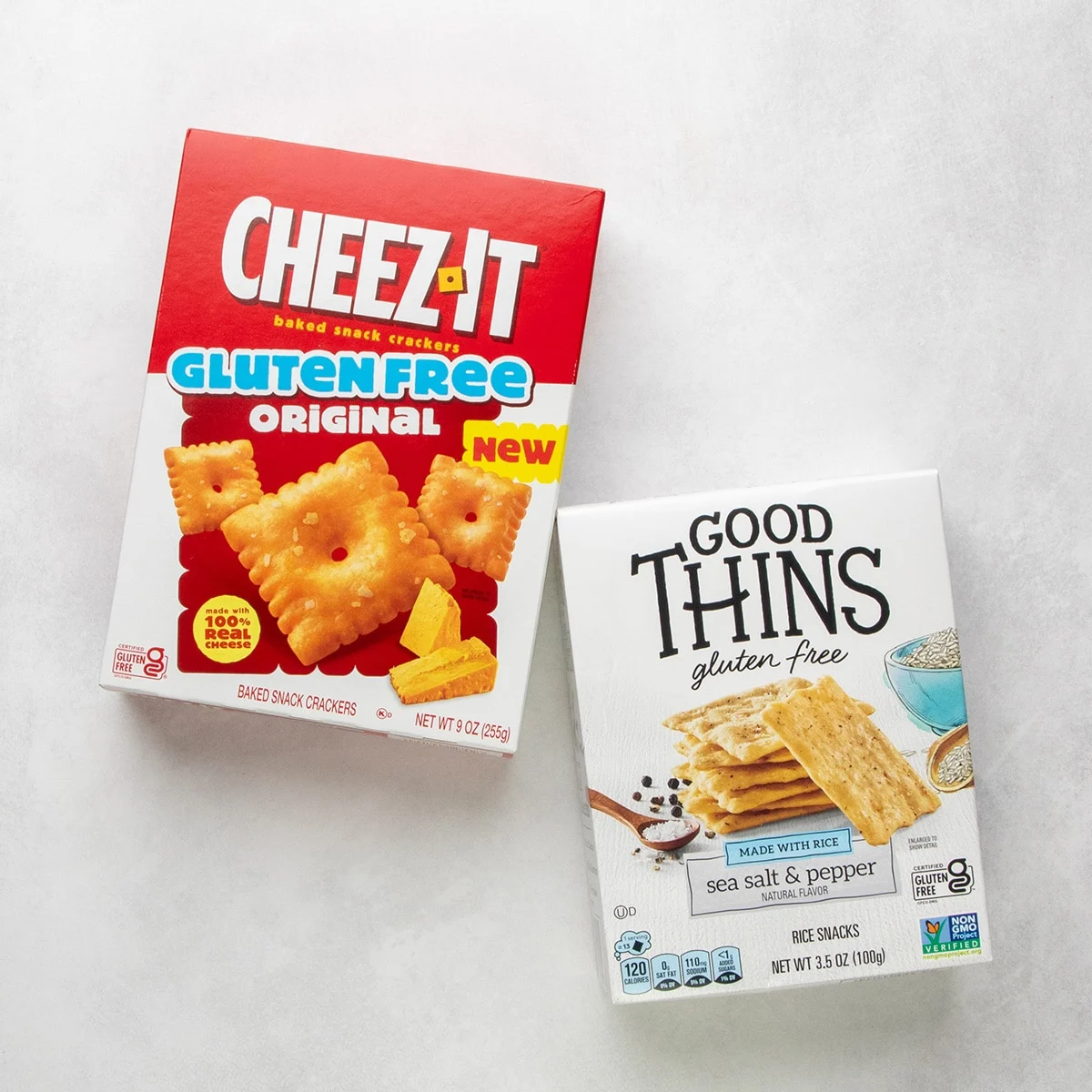
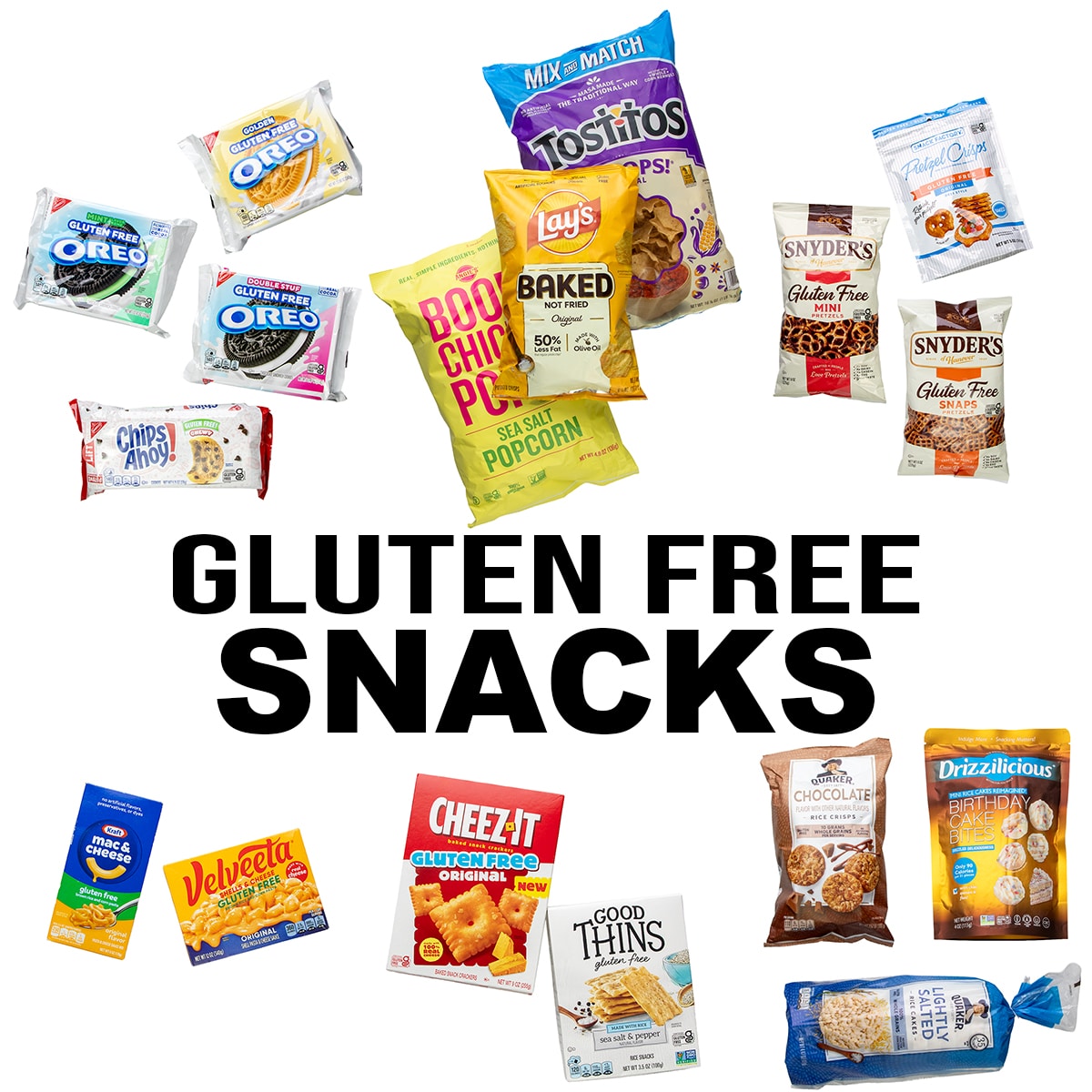
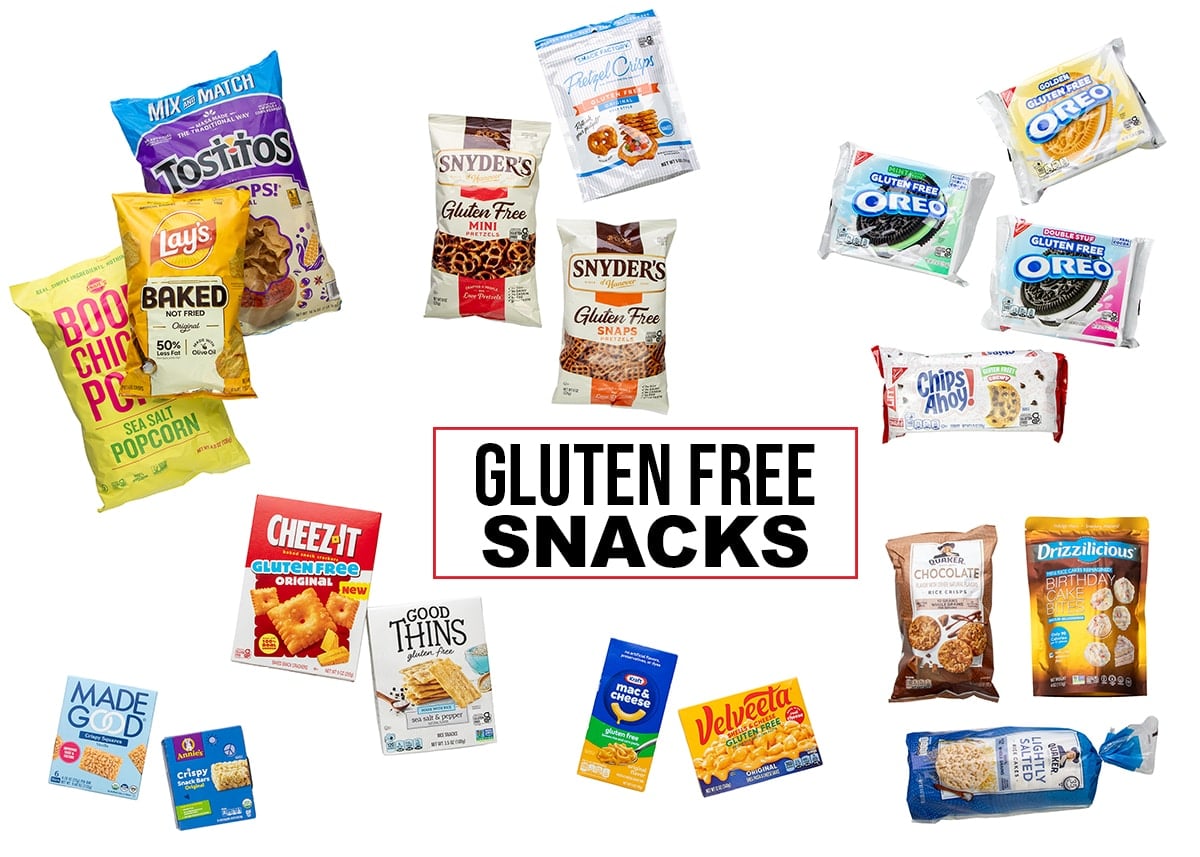
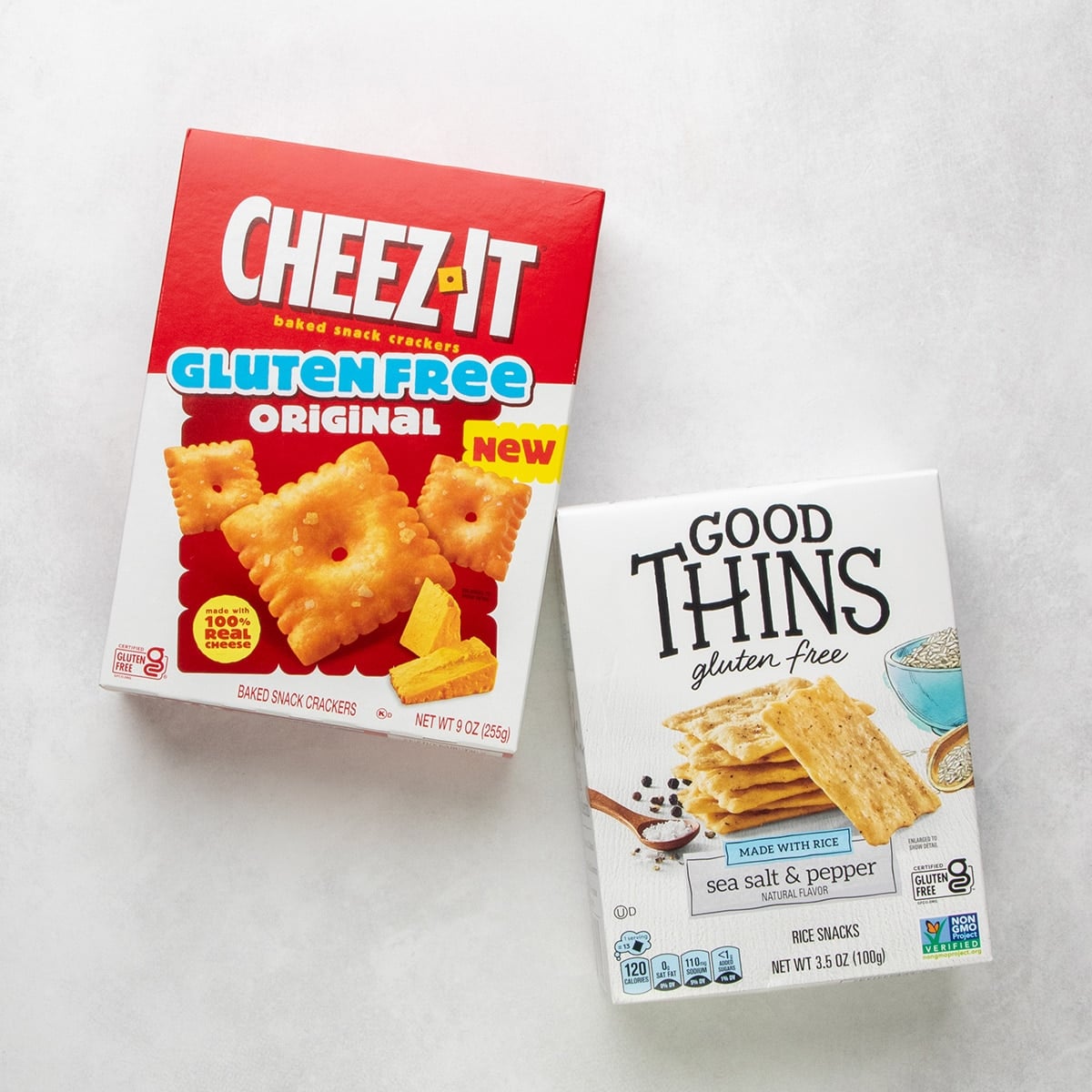
Crackers represent a fundamental snack category, and the availability of gluten-free versions has been a significant development. Brands like Cheez-It have introduced gluten-free Original Crackers, offering a familiar cheesy flavor profile that appeals to a broad audience. Similarly, Good Thins has expanded its range to include gluten-free options, such as their Sea Salt and Pepper Rice Snacks, providing a lighter, crispier alternative. These products demonstrate a commitment to replicating the taste and texture of traditional crackers, making them a versatile choice for snacking, lunchboxes, or accompanying dips. The widespread availability of these brands in major supermarkets has made them a go-to option for many families.
Chips and Popcorn: Naturally Inclusive Choices
The world of chips and popcorn offers a wealth of naturally gluten-free options, a fact that has become increasingly recognized by consumers and manufacturers alike. The vast majority of corn chips, potato chips, and popcorn are inherently free of gluten. However, caution is advised regarding certain flavorings and seasonings, which can sometimes introduce gluten-containing ingredients. Major snack manufacturers, such as Frito-Lay, have implemented robust "contains" allergen statements on their packaging, providing consumers with clear and reliable information about ingredients. This transparency allows individuals to confidently select products that align with their dietary requirements, enjoying a wide array of flavors and textures without undue concern. The continued innovation in flavor profiles for these snack staples ensures ongoing variety and appeal.
Pretzels: A Satisfying Crunch, Gluten-Free
The gluten-free pretzel market has expanded considerably, offering a diverse range of options to satisfy cravings for that distinctive salty crunch. The article mentions a recommendation for eight different gluten-free pretzel varieties, highlighting the breadth of choices now available. Snyder’s, a well-known brand, has been particularly innovative, introducing new shapes like "snaps" that are ideal for recipes such as gluten-free Chex mix. For those who prefer a thinner, crispier pretzel, the Snack Factory’s gluten-free pretzel crisps have become a popular choice, offering a satisfying bite without the traditional chewiness. The availability of these distinct styles caters to a wide range of preferences, solidifying pretzels as a staple gluten-free snack.
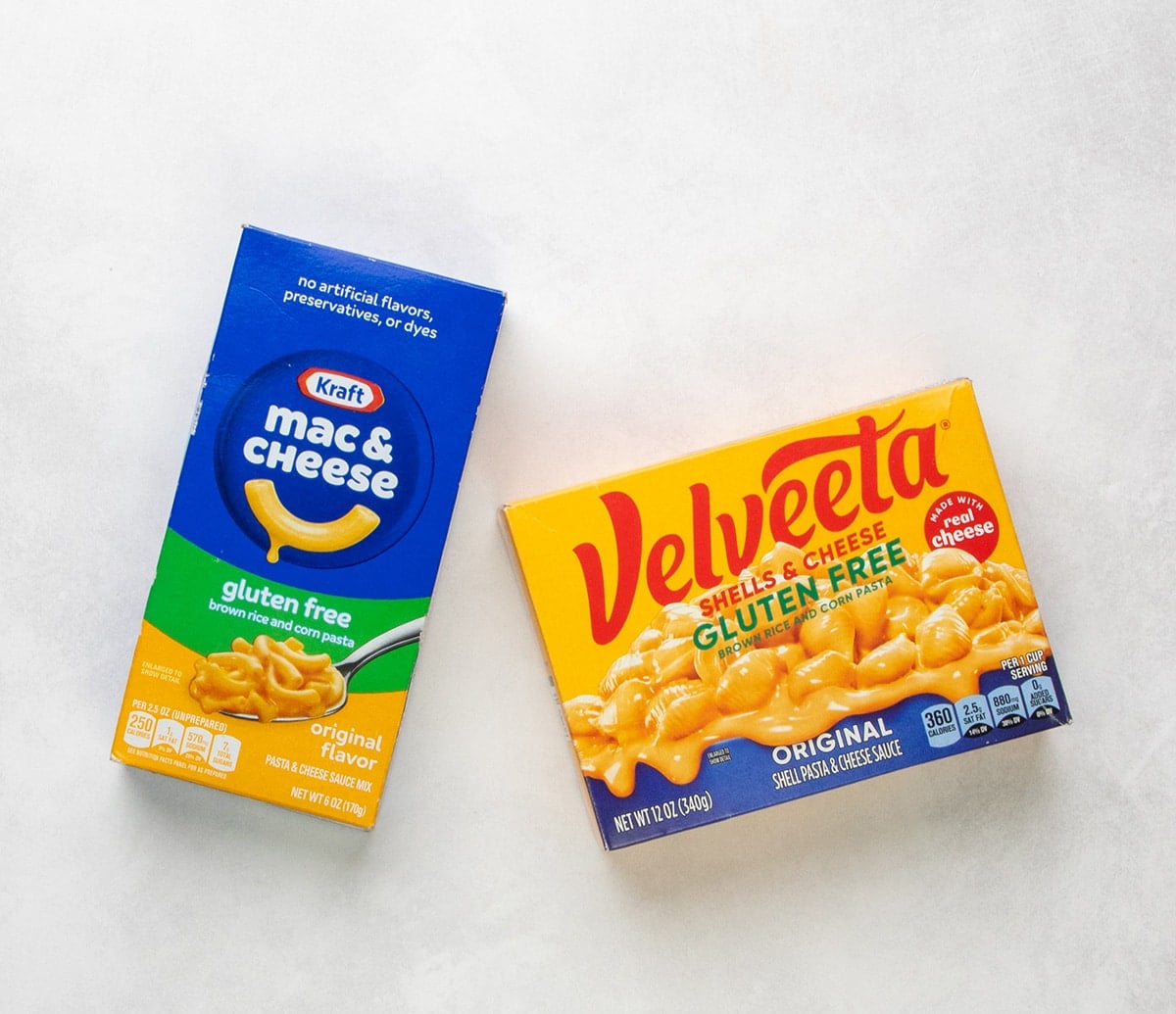
Gluten-Free Boxed Mac and Cheese: Comfort Food for All
Boxed macaroni and cheese has long been a comfort food staple, and its gluten-free iteration has been eagerly welcomed. While homemade gluten-free mac and cheese can be a hearty meal, boxed versions are often considered a convenient snack. The growing availability of gluten-free varieties from mainstream brands is a significant boon for consumers. Brands like Kraft and Velveeta now offer gluten-free macaroni and cheese products, allowing families to enjoy this classic dish without gluten. This development is particularly impactful for households with children, offering a familiar and beloved meal option that can be prepared quickly and easily. The taste and texture of these gluten-free versions have reportedly improved significantly, making them a viable alternative for those with gluten sensitivities.
Gluten-Free Rice Cakes: Versatile and Flavorful
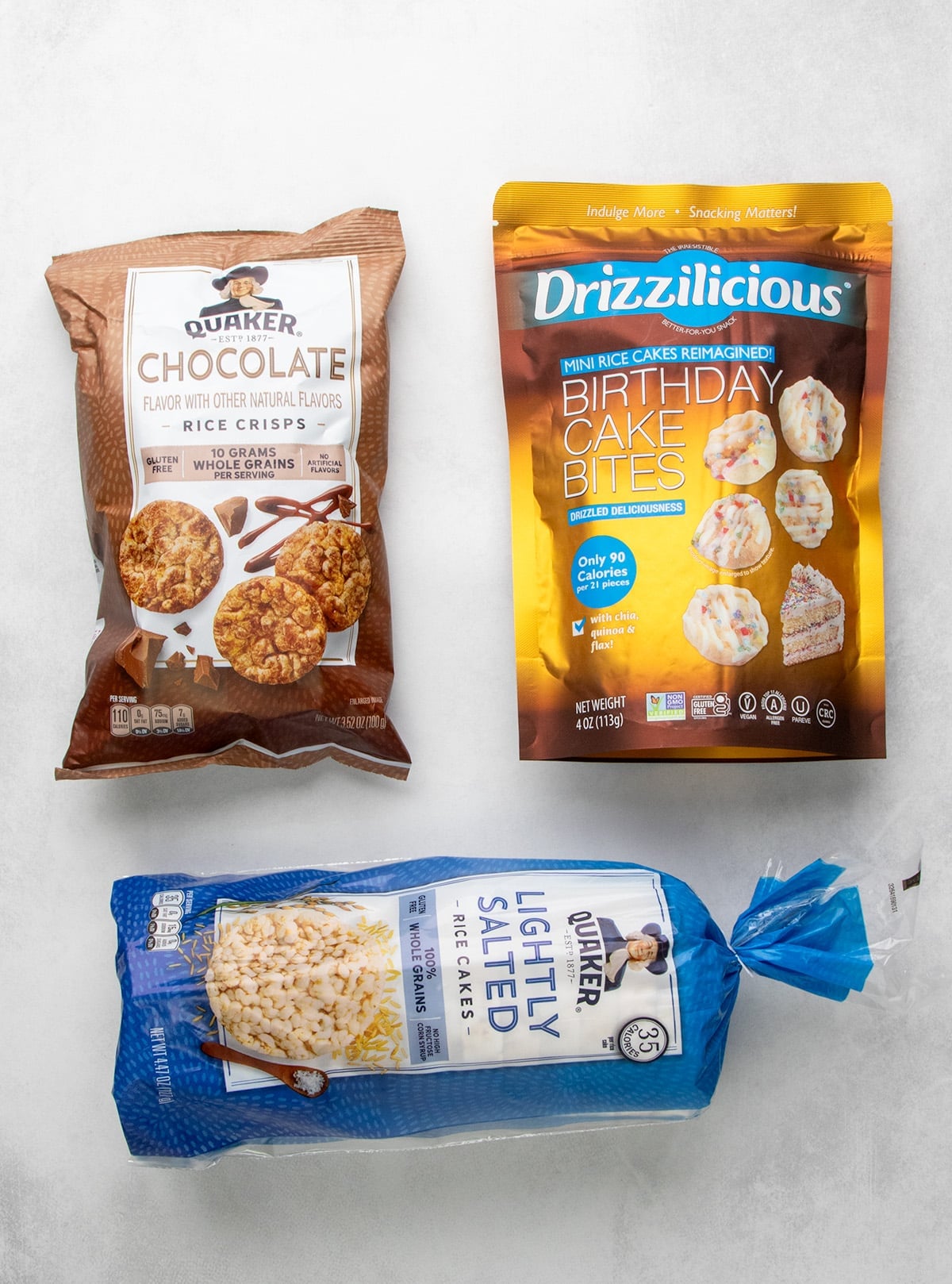
Rice cakes, often naturally gluten-free, have transcended their reputation for blandness to become a versatile and appealing snack. Beyond the traditional plain varieties, many manufacturers now offer flavored mini rice cakes, sometimes referred to as "rice crisps." These come in a wide array of enticing flavors, including popular sweet options. For instance, Quaker offers chocolate rice crisps and lightly salted varieties, while brands like Drizzilicious have introduced mini rice cakes with decadent coatings, such as their birthday cake bites. While these can be a more indulgent and thus potentially more expensive choice, they frequently go on sale, making them an accessible treat. The appeal lies in their light crispness and the wide range of flavor profiles available, catering to diverse taste preferences.
Gluten-Free Crispy Rice Bars: A Portable Treat
Homemade gluten-free crispy rice treats are a beloved treat, but their portability can be a challenge due to their tendency to become squished and sticky. This limitation has been addressed by the availability of commercially produced gluten-free crispy rice bars. It is important to note that Kellogg’s Rice Krispies cereal and their packaged treats are not gluten-free due to the inclusion of barley-derived malt. However, brands like Annie’s and Made Good offer gluten-free crispy snack bars that provide a convenient, on-the-go alternative. While these may not offer the exact same satisfaction as a homemade version, they effectively satisfy a craving for a sweet, crispy snack and are a valuable addition to the portable gluten-free snack repertoire.
Gluten-Free Nabisco Cookies: A Taste of Nostalgia
Perhaps one of the most celebrated developments in the gluten-free snack market has been the introduction of gluten-free versions of iconic Nabisco cookies. The availability of gluten-free Oreos, in varieties such as Mint, Golden, and Double Stuf, has been met with widespread enthusiasm. Similarly, the recent introduction of gluten-free chewy Chips Ahoy! cookies has been hailed as a significant achievement. These products allow individuals with gluten sensitivities to enjoy the authentic taste and texture of beloved childhood treats, often with minimal discernible difference from their gluten-containing counterparts. The "real thing" aspect is particularly significant for those who have had to abstain from these popular cookies for years. Consumer feedback suggests that these gluten-free versions are remarkably close to the originals, with some even reporting that friends cannot tell the difference. This innovation by Nabisco underscores the increasing commitment of major food corporations to serve the gluten-free market with high-quality, recognizable products.
The implications of this expanded availability are far-reaching. For families managing gluten-related disorders, it means fewer dietary restrictions and a greater sense of inclusion. It simplifies meal planning, reduces the financial burden associated with specialty foods, and contributes to a more positive and less restrictive lifestyle. The trend towards mainstream gluten-free options is a testament to the growing demand for inclusive food products and the industry’s responsiveness to evolving consumer needs. As more brands continue to innovate and expand their gluten-free offerings, the future of gluten-free snacking promises even greater choice, taste, and accessibility.
