

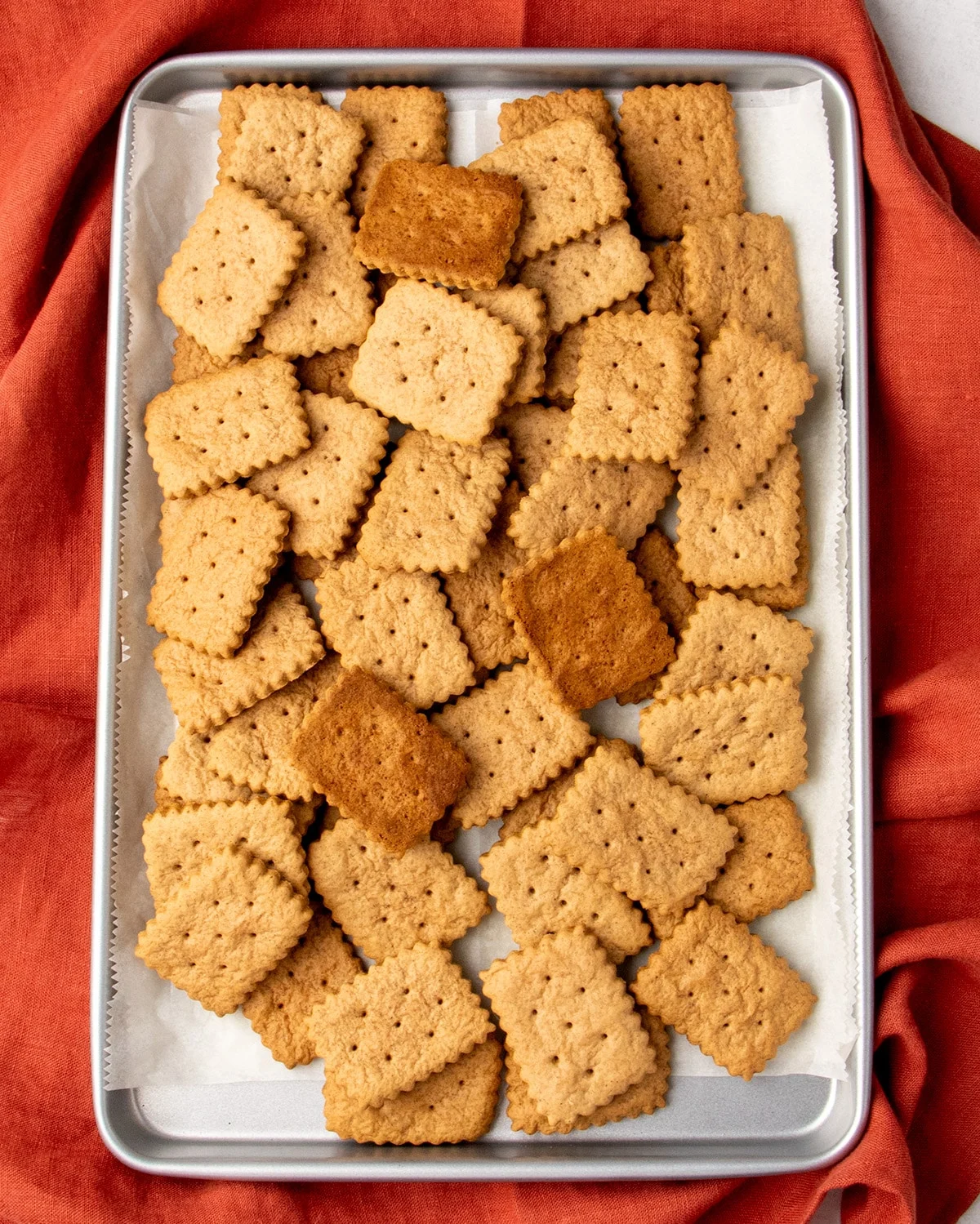
The quest for beloved treats that cater to specific dietary needs has led to a surge in innovative home baking. Among the most anticipated adaptations is the creation of gluten-free Biscoff cookies, a recipe that promises to deliver the distinctive caramelized, spiced flavor of the original without the inclusion of gluten. This development addresses a growing demand from consumers seeking to enjoy popular snack experiences while adhering to gluten-free lifestyles, a trend driven by increasing awareness of celiac disease, gluten sensitivities, and personal dietary choices.
The culinary landscape for allergen-conscious consumers has expanded significantly in recent years. Brands are increasingly recognizing the market potential for gluten-free versions of their flagship products. However, until a widely recognized manufacturer like Lotus Bakeries officially introduces a gluten-free Biscoff option, home bakers are taking the initiative. This particular recipe aims to replicate the unique taste and texture of Biscoff cookies – characterized by their thin, crisp structure and deeply spiced, caramelized brown sugar notes – through accessible ingredients and a straightforward preparation method.
The Science Behind the Flavor and Texture
The success of these gluten-free Biscoff cookies hinges on a carefully balanced combination of ingredients designed to mimic the authentic flavor profile. The rich, caramelized taste is achieved through a blend of brown and white sugars, enhanced by the natural sweetness of honey. These elements, when combined with a precise mix of warm spices – typically including cinnamon, nutmeg, allspice, cardamom, and cloves – create the complex and comforting aroma and taste that Biscoff cookies are known for. Crucially, the recipe emphasizes achieving this depth of flavor without overwhelming the palate with excessive sweetness, a common pitfall in some gluten-free adaptations.
Beyond flavor, the texture is paramount. The recipe highlights a one-bowl dough that requires no eggs, mixer, or food processor, making it accessible for bakers of all skill levels. This method ensures the dough remains smooth and manageable, a critical factor for achieving the characteristic thinness and crispness of Biscoff cookies. The absence of gluten necessitates a different approach to dough handling. Traditional wheat-based doughs develop gluten strands that provide structure and elasticity. Gluten-free flours, which lack this protein, can often result in crumbly or gummy textures if not formulated and handled correctly. This recipe overcomes this challenge by focusing on a dough that can be rolled thin without chilling, allowing for the precise shaping required for even baking and optimal crispness.
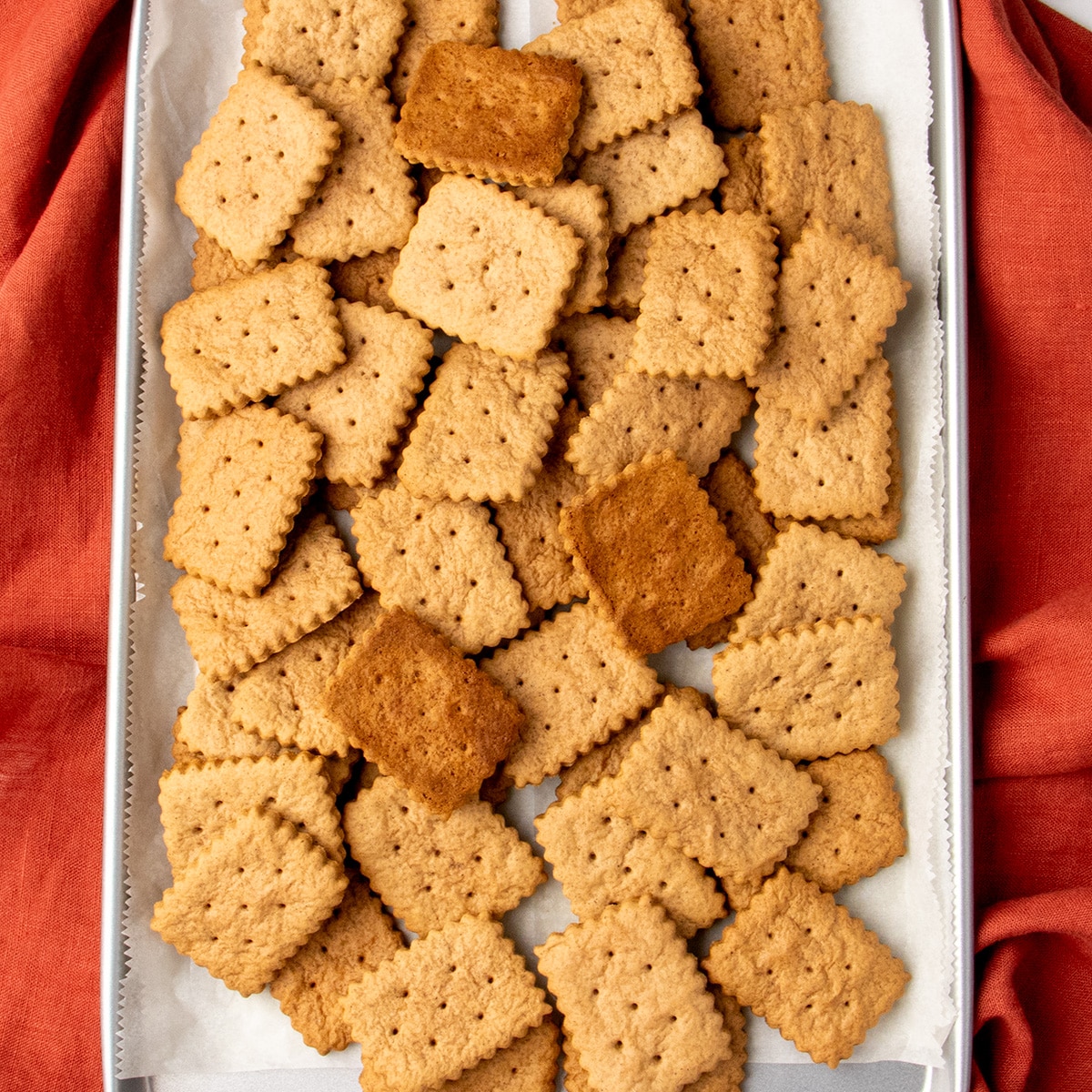
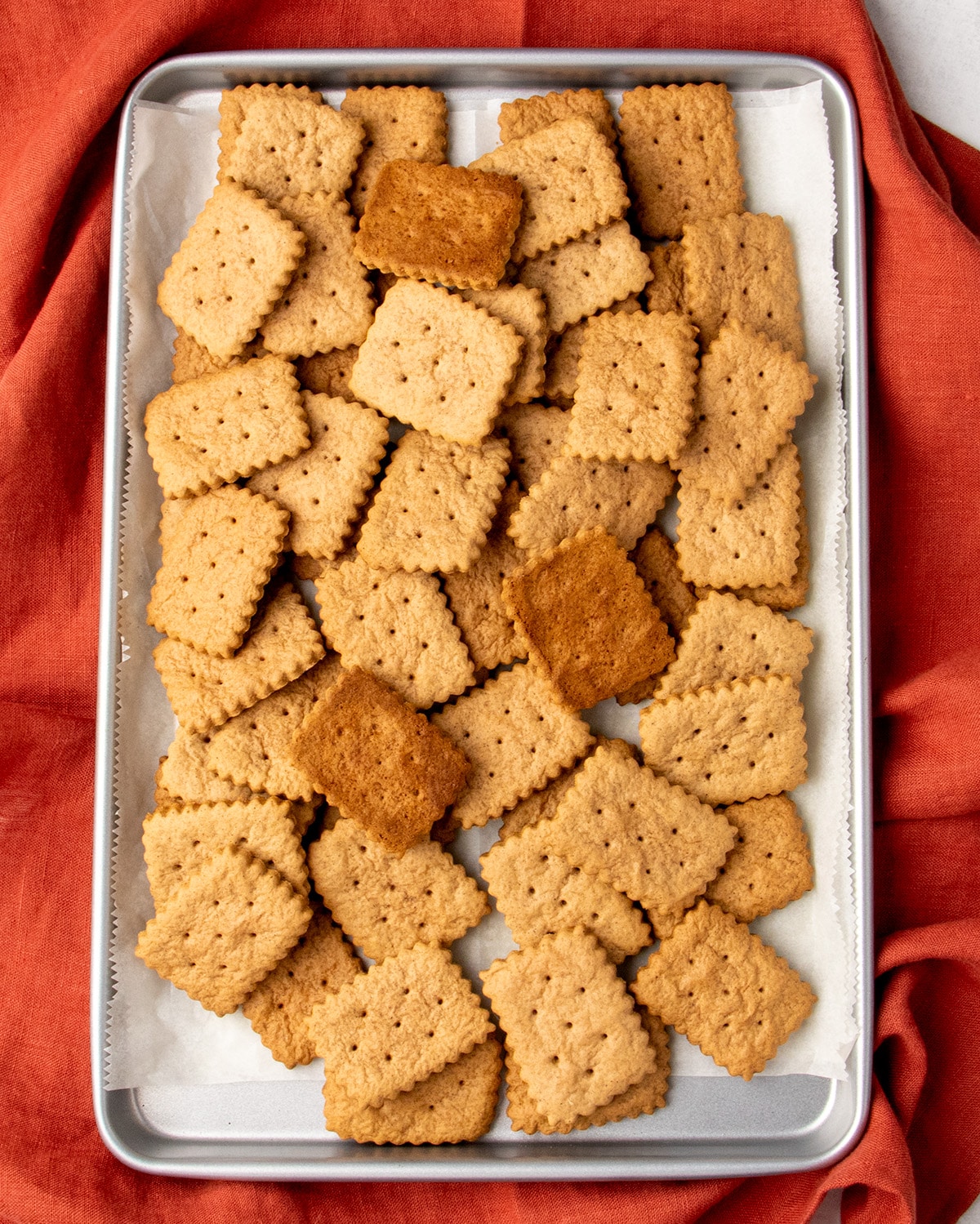
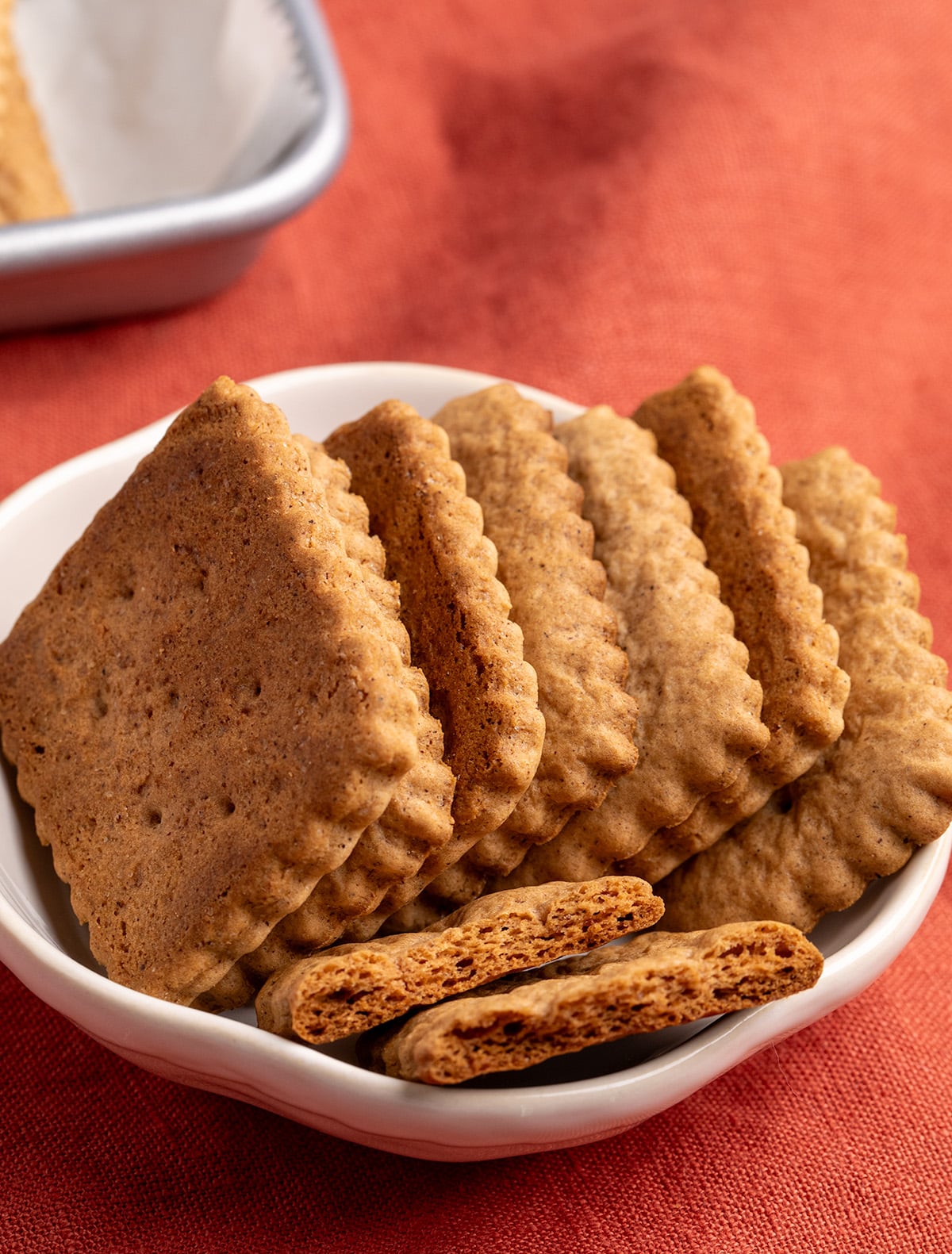
The thinness of the dough, coupled with the deliberate inclusion of small perforations on the cookie’s surface, plays a vital role in achieving an even bake. These small holes act as vents, allowing steam to escape during the baking process. This prevents the cookies from puffing up unevenly and ensures that heat penetrates the dough consistently, leading to a uniformly golden-brown finish and a satisfying crunch. As the cookies cool, this structural integrity allows them to crisp up completely, mirroring the mouthfeel of their gluten-containing counterparts.
Key Ingredients and Their Roles
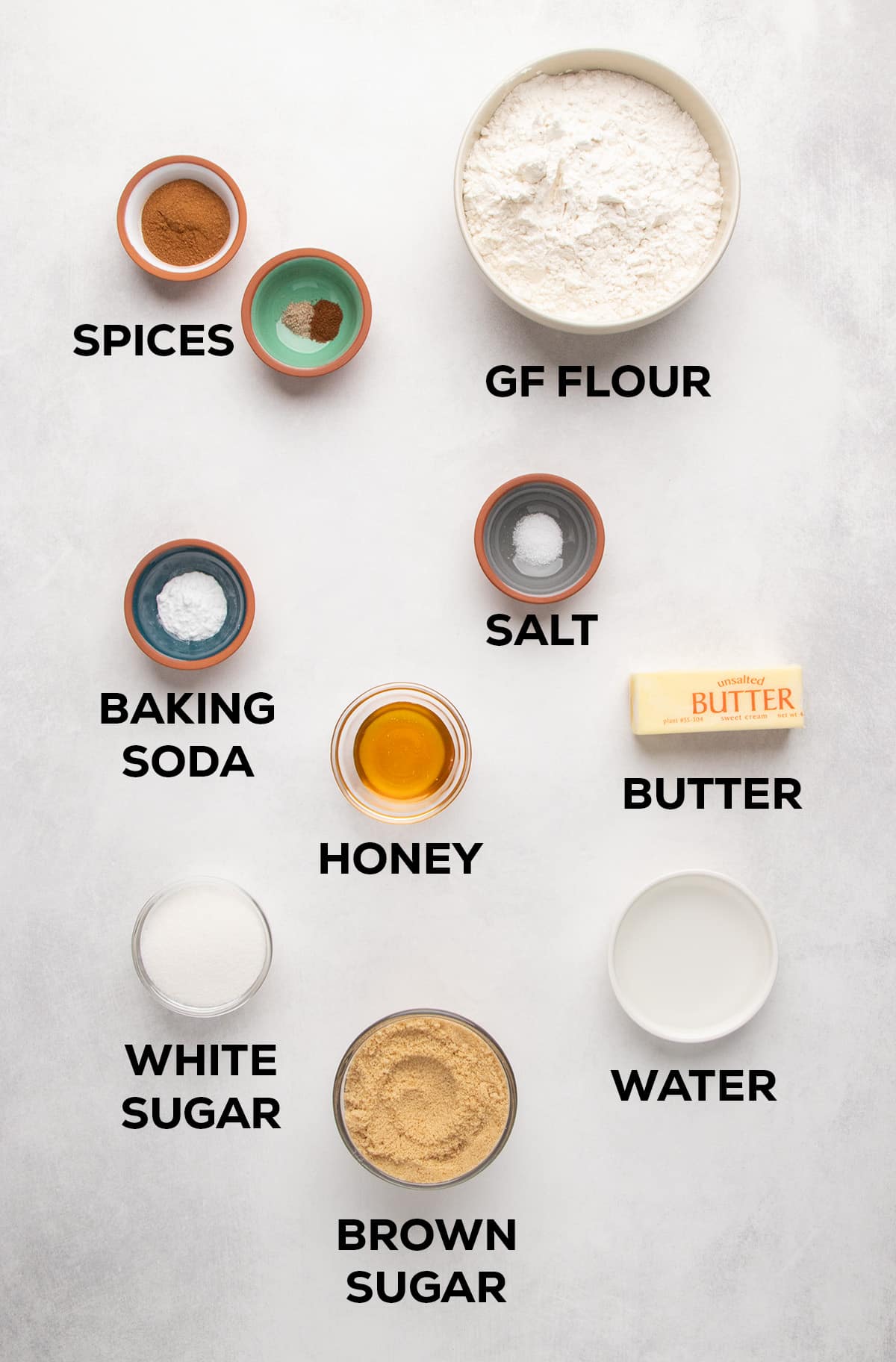
Crafting these gluten-free Biscoff cookies requires a specific set of ingredients, each contributing to the final product’s success:
-
Gluten-Free Flour Blend: The foundation of the cookie, a well-balanced gluten-free flour blend is essential. This typically includes a combination of rice flour, potato starch, tapioca starch, and a binder like xanthan gum. The type of blend can significantly impact the final texture; some blends perform better than others, and recommendations often include specific brands or homemade mixes for optimal results. The inclusion of xanthan gum is critical for mimicking the binding and structural properties of gluten, preventing the cookies from being too crumbly.
-
Sugars: Both granulated white sugar and light brown sugar are used. White sugar contributes to crispness, while brown sugar, with its molasses content, imparts a deeper, caramelized flavor and a slightly chewier texture, a hallmark of Biscoff.
-
Honey: A small amount of honey further enhances the caramelized notes and adds a subtle depth of flavor that distinguishes Biscoff cookies. It also contributes to the overall moisture balance of the dough.
-
Butter: Unsalted butter provides richness, tenderness, and aids in creating a tender crumb. For dairy-free adaptations, vegan butter substitutes are suggested, though the crispness may be slightly affected.
-
Spices: A precise blend of cinnamon, nutmeg, allspice, cardamom, and cloves is crucial for achieving the authentic Biscoff flavor profile. These warm spices are what give the cookies their characteristic "speculoos" taste.
-
Leavening Agent: Baking soda is used as the primary leavening agent, working with the acidic components in the brown sugar and honey to provide a gentle lift during baking.
-
Salt: A pinch of salt balances the sweetness and enhances the overall flavor complexity of the cookies.
-
Water: Small amounts of water are added to bring the dough together, ensuring it has the right consistency for rolling and cutting.
The Step-by-Step Process: From Dough to Delight
The preparation of gluten-free Biscoff cookies is designed for simplicity, allowing even novice bakers to achieve impressive results.
-
Combining Dry Ingredients: The process begins by whisking together the gluten-free flour blend, xanthan gum (if not already included in the blend), all the spices, salt, baking soda, granulated sugar, and brown sugar in a large bowl. This thorough mixing ensures that the leavening agents and spices are evenly distributed, preventing pockets of bitterness or uneven flavor.
-
Incorporating the Butter: Cubed cold butter is then added to the dry ingredients. The butter is cut into the flour mixture using a pastry blender, fork, or by rubbing it in with fingertips until the mixture resembles coarse crumbs. This step is vital for creating a tender cookie structure.
-
Adding Wet Ingredients: Water and honey are then mixed into the dry ingredients. The dough is brought together until it forms a cohesive, light brown mass. The dough should be firm enough to hold its shape when squeezed but still soft and pliable. If the dough feels too dry, additional water can be added drop by drop.
-
Rolling the Dough: The dough is divided in half for easier handling. It is then rolled out on a lightly floured surface to a uniform thickness of approximately 1/8 inch. This thinness is critical for achieving the desired crispness. If the dough feels too fragile, a touch more flour can be incorporated.
-
Shaping the Cookies: Using a cookie cutter of approximately 2 ½ x 1 ½ inches, or a pastry wheel, the dough is cut into neat rectangles. For a decorative touch, cutters with scalloped edges can be used. The excess dough is gathered and rerolled.
-
Arranging for Baking: The cut cookie shapes are carefully transferred to parchment-lined baking sheets, spaced about half an inch apart, as they will not spread significantly during baking. An offset spatula can be helpful for lifting delicate cutouts.
-
Piercing the Tops: To ensure even baking and prevent puffing, each cookie is lightly pierced with a toothpick, creating 5-6 small holes. Some cookie cutters may have integrated patterns that achieve this automatically.
-
Baking: The cookies are baked at 350°F (175°C) for approximately 15 minutes, or until they are mostly firm to the touch and have achieved a golden-brown hue. The edges should be lightly browned, but the bottoms should not show signs of burning. The cookies will continue to crisp up as they cool.
Navigating Ingredient Substitutions for Diverse Needs
Recognizing that dietary needs extend beyond gluten-free, the recipe offers practical substitutions for common allergens:
-
Dairy-Free: For those avoiding dairy, block-style vegan butters such as Miyoko’s or Melt brand can be used in place of butter. It’s noted that these alternatives might yield a slightly less crispy cookie. Virgin coconut oil or vegetable shortening are also viable options, though they may require adjustments in the amount of water needed due to their lower water content compared to butter.
-
Honey Alternatives: Maple syrup can be used as a substitute for honey. However, due to its different liquid content and flavor profile, a slight reduction in the amount of water used in the recipe might be necessary.
-
Spice Variations: While the specific spice blend is key to the Biscoff flavor, flexibility exists. Apple pie spice can be substituted for cinnamon, nutmeg, and allspice, offering a similar warm flavor profile. For those who prefer to omit cardamom and cloves, an additional ¼ teaspoon of apple pie spice can be added.
Storage and Beyond: Preserving the Crispness
Proper storage is crucial for maintaining the crisp texture of these gluten-free Biscoff cookies. They can be stored in an airtight glass container at room temperature for up to two weeks. Glass containers are recommended over plastic, as plastic can be porous and allow moisture from the air to penetrate, leading to a loss of crispness.
For longer-term storage, freezing is an option for up to three months. While some crispness may be lost during freezing, using tempered glass containers and ensuring adequate headspace for expansion can help mitigate this.
Transforming Cookies into Spread
A particularly exciting aspect of this recipe is the potential to create a homemade gluten-free Biscoff spread. By blending approximately 5 ounces of the baked cookies into fine crumbs and combining them with light brown sugar, baking soda, salt, tapioca starch, and melted vegetable shortening, a smooth and spreadable confection can be achieved. This DIY spread offers a convenient and allergen-conscious alternative to store-bought versions, allowing consumers to enjoy the iconic Biscoff flavor in a new format. The spread requires a brief resting period at room temperature to firm up, and it is best stored at room temperature to maintain its smooth consistency, as refrigeration can cause it to harden significantly.
The development and successful execution of this gluten-free Biscoff cookie recipe represent a significant win for the allergen-conscious community. It underscores the ongoing innovation in gluten-free baking, demonstrating that beloved flavors and textures are achievable without compromising dietary restrictions. As awareness and demand for such products continue to grow, the home baking sector is poised to play an increasingly vital role in providing inclusive and delicious culinary experiences for all.
