

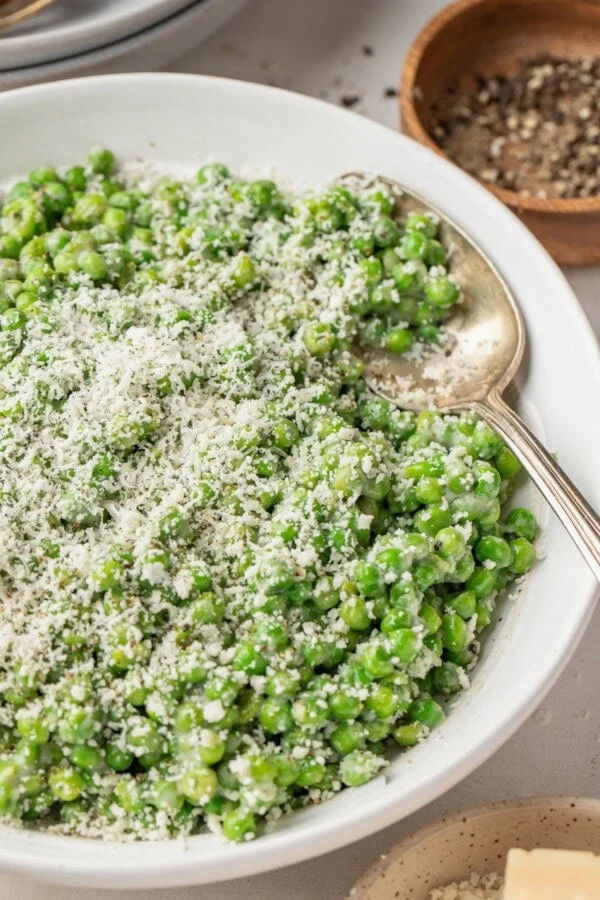
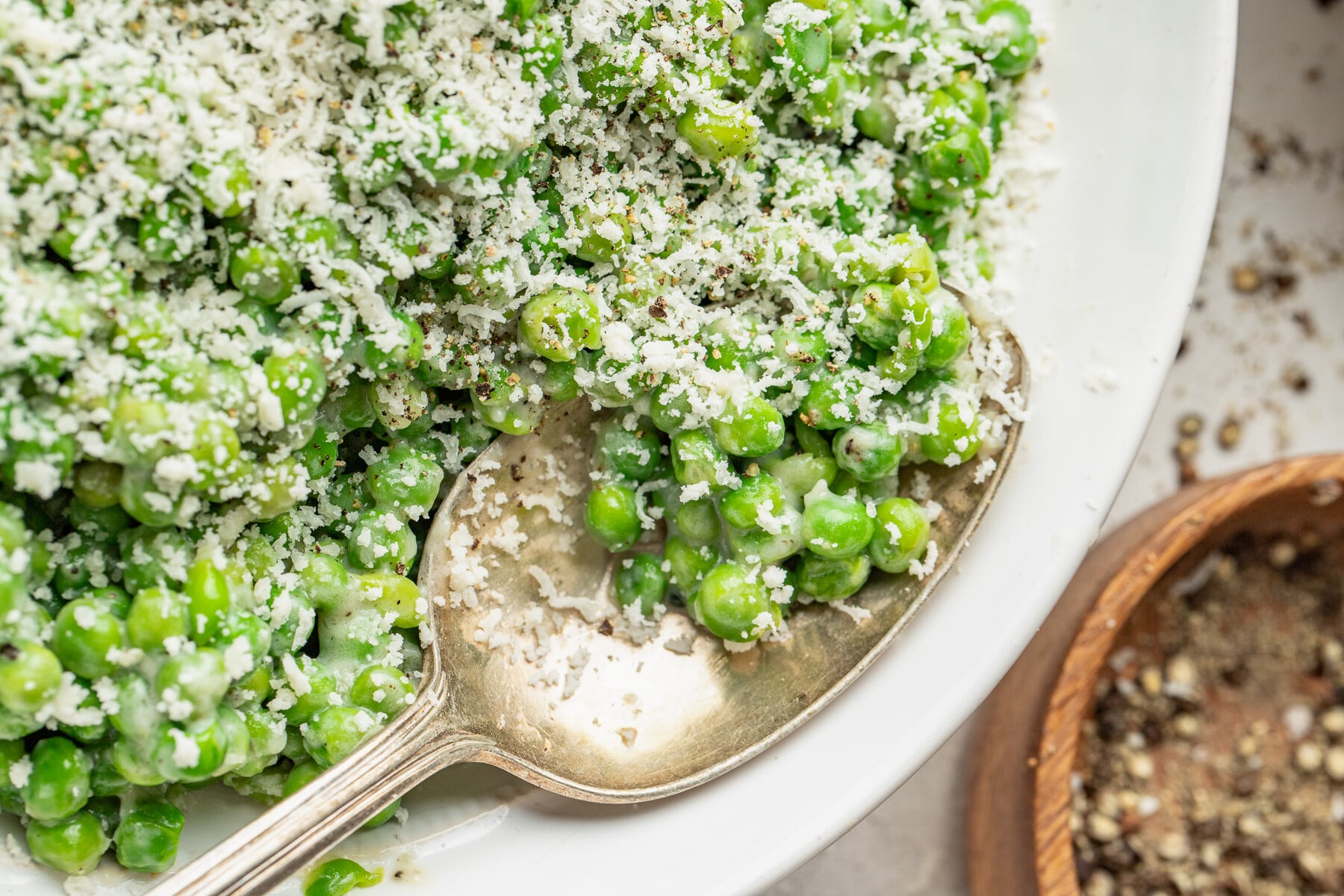
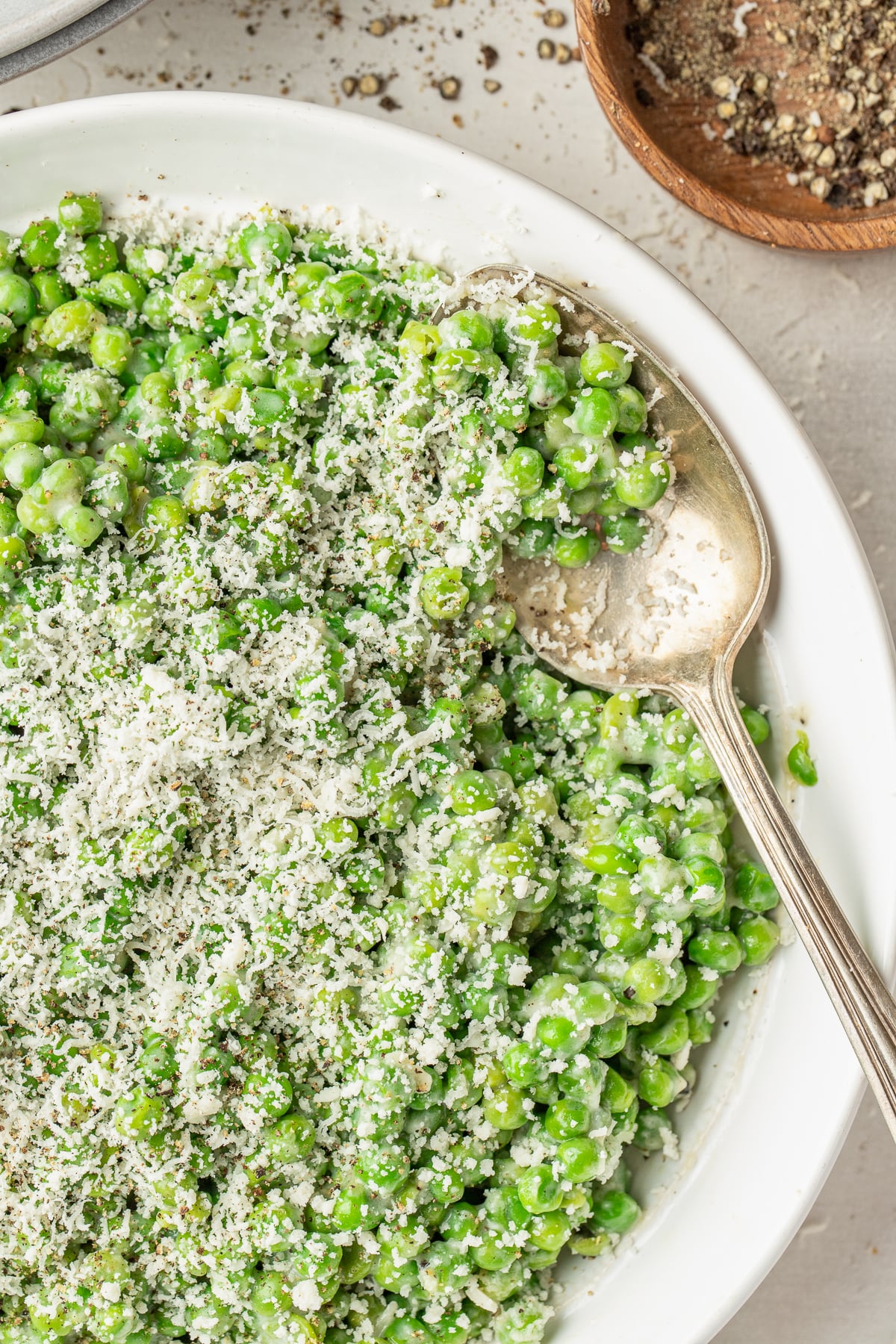
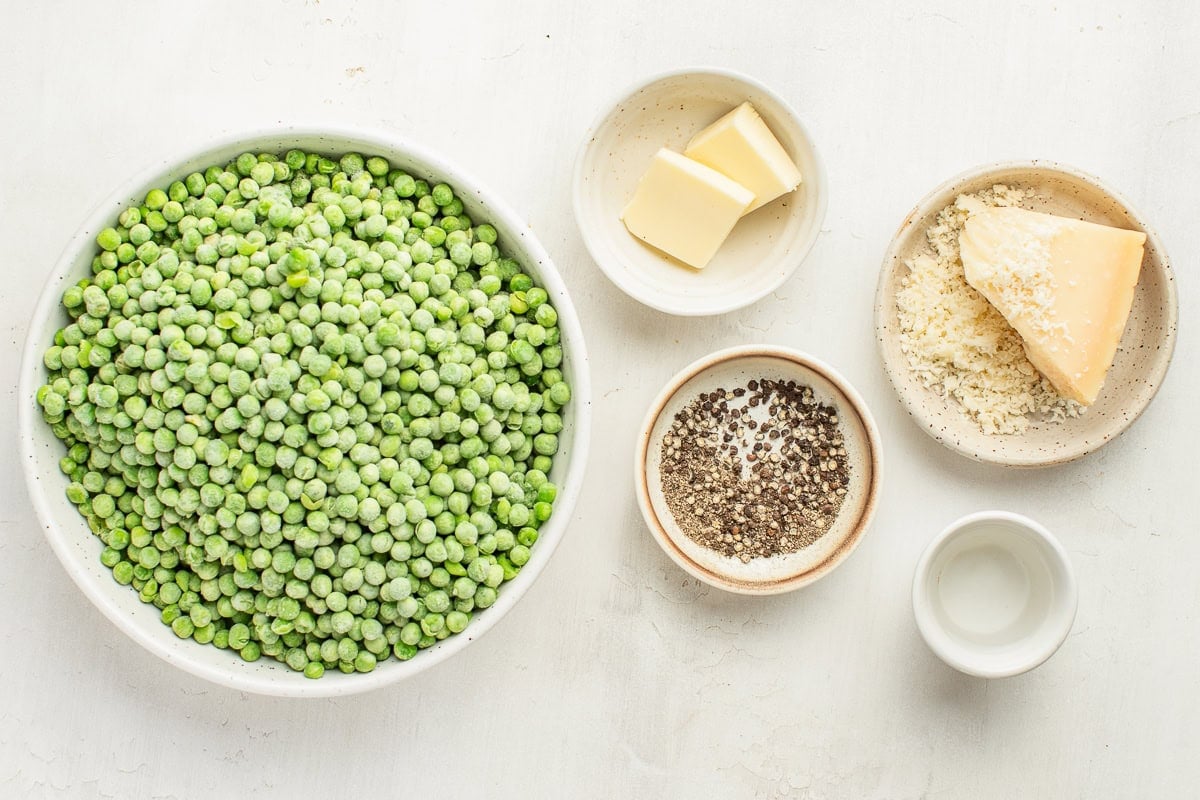
The Cacio e Pepe Peas recipe, requiring merely four ingredients and approximately ten minutes from freezer to table, leverages the sharp, salty notes of Pecorino Romano cheese and the piquant warmth of freshly cracked black pepper to dramatically enhance the inherent sweetness of green peas. A touch of butter serves as the unifying agent, creating a creamy, emulsified sauce that coats each pea, mirroring the technique used in its pasta progenitor. This development addresses a common challenge for home cooks: creating appealing, fiber-rich vegetable sides that can be integrated effortlessly into demanding schedules, whether for a routine weeknight meal or an elevated holiday spread.
The Genesis of a Green Pea Renaissance
Historically, green peas have occupied a somewhat utilitarian position in many cuisines, often relegated to supporting roles in stews, soups, or mixed vegetable medleys. While appreciated for their nutritional value and subtle sweetness, they rarely commanded the spotlight as a standalone feature. The recent surge in culinary interest, observed across various social media platforms, suggests a growing appetite for innovative ways to present these legumes. It is within this context that the Cacio e Pepe Peas emerge, offering a fresh perspective on a familiar ingredient.
The inspiration for this particular dish stems directly from the ancient Roman pasta dish, Cacio e Pepe, which translates to "cheese and pepper." This minimalist masterpiece traditionally combines Pecorino Romano, black pepper, and pasta cooking water to create a rich, emulsified sauce that clings to spaghetti or tonnarelli. Its simplicity, relying entirely on the quality of its few components and precise technique, has garnered it immense respect and a fervent following worldwide. The genius of the Cacio e Pepe Peas lies in transplanting this iconic flavor profile from pasta to peas, demonstrating versatility and culinary ingenuity.
Gina Homolka, the acclaimed founder of Skinnytaste, articulated her personal motivation behind the recipe’s development, highlighting a broader dietary objective. "I’m trying to get 25 to 30 grams of fiber each day, so I’m always looking for easy ways to add more to my meals," Homolka stated, underscoring the recipe’s alignment with contemporary health trends. Her initial skepticism about the standalone appeal of peas was overcome by the transformative power of the Cacio e Pepe elements, leading to a dish she now actively anticipates. This personal endorsement from a trusted culinary figure lends significant weight to the recipe’s potential for widespread adoption.
Nutritional Profile and Dietary Implications
Beyond its flavor appeal, the Cacio e Pepe Peas offer a compelling nutritional profile that aligns with current public health recommendations, particularly concerning fiber intake. A serving of approximately three-quarters of a cup provides 154 kcal, 15.5 grams of carbohydrates, a notable 8 grams of protein, and 5 grams of dietary fiber. This fiber content represents a significant contribution towards the recommended daily intake, which for adults typically ranges from 25 to 38 grams. Dietary fiber is crucial for digestive health, blood sugar regulation, and contributes to feelings of satiety, which can aid in weight management.

The presence of 8 grams of plant-based protein further enhances the dish’s nutritional value, making it an excellent accompaniment for meals where protein supplementation from non-meat sources is desired. While the dish contains 6.5 grams of fat, with 4 grams being saturated, the overall caloric and fat content remains moderate, especially when considered as part of a balanced meal. The inclusion of Pecorino Romano also contributes essential minerals like calcium. The convenience of using frozen peas ensures that these nutritional benefits are accessible year-round, regardless of seasonal availability or fresh produce prices, thereby promoting consistent healthy eating habits.
A Streamlined Culinary Process: Efficiency Meets Elegance
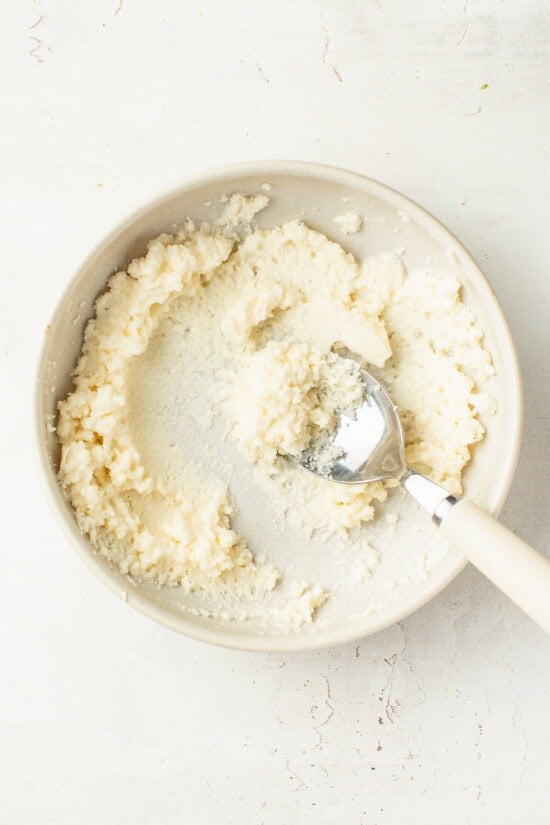
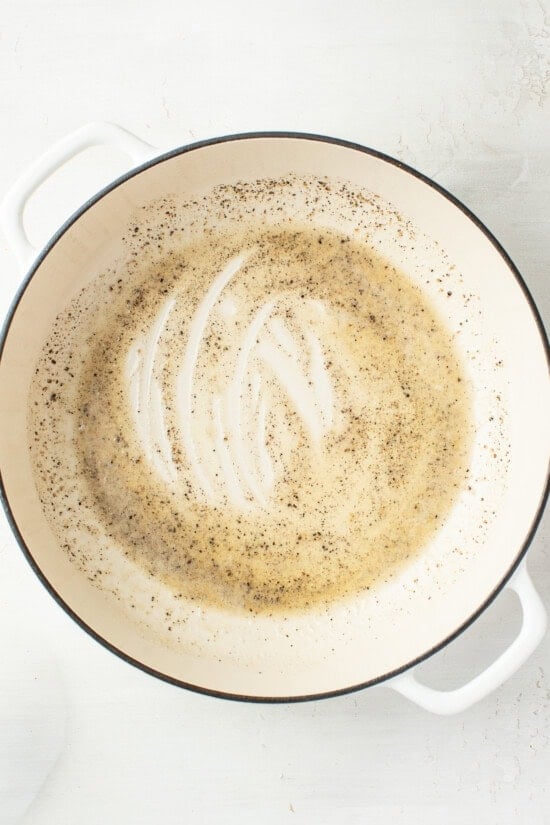
The preparation of Cacio e Pepe Peas exemplifies culinary efficiency. The process is remarkably straightforward, beginning with the simple heating of frozen peas in a skillet, eliminating the need for prior thawing. As the peas gently warm, butter is introduced, providing a rich base and facilitating the coating process. The distinctive kick of freshly cracked black pepper is added, its aroma intensifying as it gently toasts in the butter. The final, and arguably most critical, step involves incorporating the Pecorino Romano, often pre-mixed with a small amount of water to create a slurry. This technique, borrowed directly from traditional Cacio e Pepe pasta, is essential for achieving the characteristic creamy emulsion that prevents the cheese from clumping and ensures a smooth, even coating on the peas. The entire process, from start to finish, typically spans a mere ten minutes, making it an ideal choice for busy households seeking to integrate nutritious, flavorful vegetables without extensive preparation time.

Adaptability and Serving Suggestions
The versatility of Cacio e Pepe Peas extends beyond its role as a standalone side dish. The recipe’s developer, Gina Homolka, reported successfully integrating the peas into a pasta dish, suggesting an effortless "pasta and peas" variation. This adaptation involves tossing the prepared peas with warm pasta, such as orzo, along with a splash of pasta cooking water to achieve the desired consistency for the cheese sauce. This improvisation highlights the dish’s potential as a foundational component for more elaborate meals, further cementing its utility in a modern kitchen.
Beyond pasta, the Cacio e Pepe Peas are proposed as an ideal accompaniment for a range of main courses, particularly those featuring simple proteins that allow the nuanced flavors of the peas to shine. Suggested pairings include Skillet Chicken Cordon Bleu, Pork Chops with Dijon Herb Sauce, or Air Fryer Rotisserie Chicken, demonstrating its compatibility with both classic and contemporary entrees. Furthermore, for a quick and satisfying lunch, the peas can be spooned over toast spread with ricotta, offering a sophisticated open-faced sandwich option. These varied serving suggestions underscore the dish’s flexibility and potential for creative application in diverse culinary contexts.
Practical Considerations for Broad Adoption
For home cooks considering the Cacio e Pepe Peas for meal planning, practical advice regarding ingredient selection and storage is crucial. While Pecorino Romano is central to achieving the authentic Cacio e Pepe flavor profile, the recipe acknowledges that Parmesan cheese can be used as a milder alternative, catering to varying taste preferences or ingredient availability. The use of unsalted butter is also permissible, with a recommendation to adjust salt seasoning after the cheese has been incorporated, allowing for greater control over the final sodium content.
Regarding storage and reheating, the Cacio e Pepe Peas demonstrate reasonable durability. Leftovers can be refrigerated in an airtight container for up to four days. For optimal texture upon reheating, particularly when preparing the dish in advance, it is advised to cook the peas with only butter and pepper initially, reserving the Pecorino mixture for addition after each portion has been warmed. This technique helps maintain the integrity of the creamy cheese coating. However, fully dressed leftovers can also be reheated in a skillet or microwave, though the cheese may exhibit a slightly less smooth texture. These practical guidelines enhance the recipe’s appeal for meal preppers and those seeking convenient, ready-to-eat options.
Broader Implications for Culinary Trends and Home Cooking
The emergence and popularization of dishes like Cacio e Pepe Peas signal a significant shift in culinary trends, emphasizing accessibility, nutritional value, and inventive flavor combinations. This approach aligns with a growing consumer demand for dishes that are both comforting and health-conscious, without necessitating extensive culinary expertise or exotic ingredients. The transformation of a humble ingredient like frozen peas into a dish worthy of culinary excitement highlights a broader movement towards elevating everyday staples.
This trend has several implications. Firstly, it empowers home cooks to experiment with classic flavor profiles on unexpected ingredients, fostering creativity and reducing culinary fatigue. Secondly, it champions the inclusion of often-overlooked vegetables by making them more appealing, thereby contributing to improved dietary habits and increased fiber intake across populations. Thirdly, the focus on quick, one-skillet preparations addresses the pervasive challenge of time constraints in modern households, making healthy eating a more attainable goal.
In essence, the Cacio e Pepe Peas are more than just a recipe; they represent a microcosm of contemporary culinary innovation. By marrying the simplicity of frozen vegetables with the sophisticated allure of a Roman classic, Skinnytaste has not only created a delicious and nutritious side dish but has also provided a blueprint for future culinary explorations that prioritize flavor, health, and convenience. As consumers continue to seek efficient and enjoyable ways to incorporate more vegetables into their diets, such inventive adaptations are likely to play an increasingly pivotal role in shaping the future of home cooking.
