

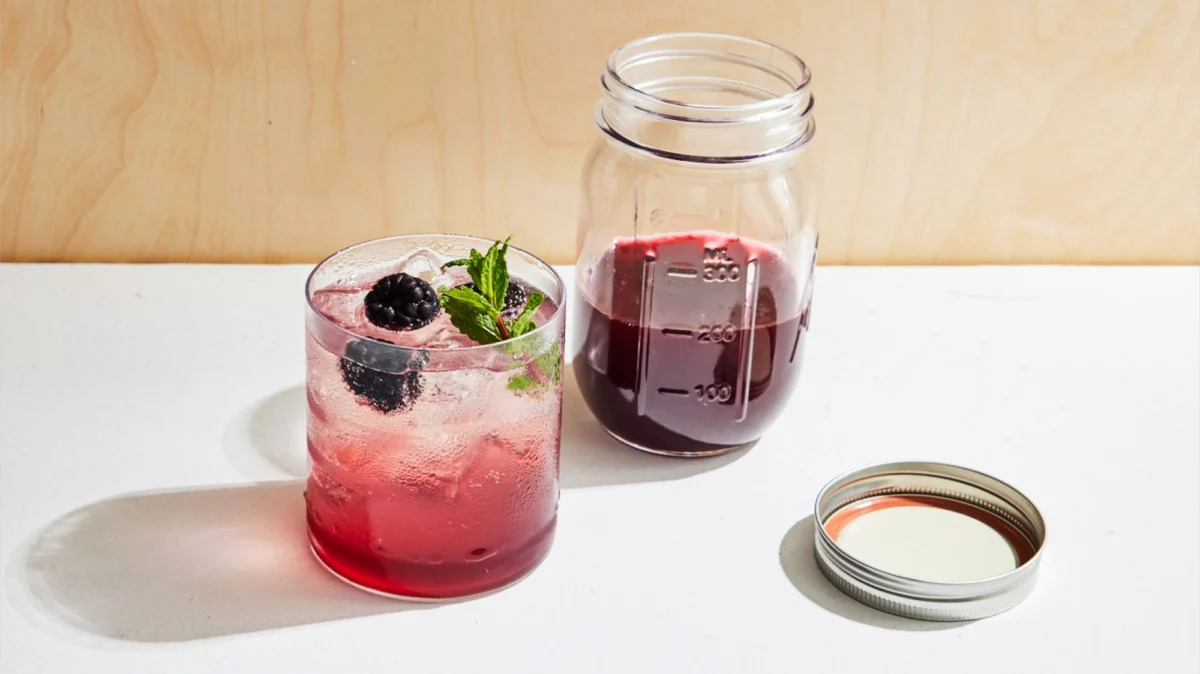
The fruit shrub, a sophisticated sweet-tart syrup crafted from ripe fruit, sugar, and vinegar, is experiencing a remarkable renaissance, emerging as a cornerstone of both refreshing non-alcoholic beverages and complex, balanced cocktails. When combined with sparkling water, it yields one of the most invigorating nonalcoholic drinks available today; conversely, when stirred into spirits such as gin, tequila, bourbon, or vodka, it elevates them into bright, nuanced libations. The intrinsic value of vinegar in this preparation lies not only in its preservative qualities but also in its ability to amplify the fruit’s natural flavors while contributing a crucial acidity that skillfully counterbalances sweetness, preventing the drink from becoming cloying.
This adaptable recipe demonstrates exceptional versatility, accommodating nearly any ripe berry—including strawberries, raspberries, blueberries, blackberries, or a thoughtful blend thereof. Its widespread appeal is further bolstered by an accessible cold-process method, which involves macerating the berries with sugar before the vinegar is introduced. This technique allows for a gradual infusion of flavors and ensures a vibrant, fresh profile. The resulting shrub boasts an impressive shelf life, remaining viable for months when refrigerated, thereby offering an ingenious and sustainable strategy for preserving peak-season fruit. This extended usability ensures a supply for crafting exquisite summer cocktails, elegant spritzes, and sparkling sodas long after the natural berry season has concluded.
Historical Roots and Culinary Evolution
The concept of drinking vinegars, or shrubs, is far from a modern invention; its lineage stretches back millennia, woven into the fabric of ancient culinary and medicinal practices. Records indicate that early civilizations, including the Babylonians and Romans, utilized vinegar not only as a preservative but also as a base for refreshing drinks, often mixed with water to combat thirst and provide energy. In ancient China, "vinegar drinks" were consumed for their purported health benefits, believed to aid digestion and invigorate the body. These early iterations laid the groundwork for what would become a staple in many cultures.
The shrub, as we recognize it today, gained significant prominence in colonial America during the 17th and 18th centuries. In an era predating modern refrigeration, preserving perishable goods was a critical domestic skill. Fruit shrubs offered an ingenious solution: the acetic acid in vinegar, combined with sugar, created an environment inhospitable to spoilage microorganisms. Beyond preservation, these concoctions provided a much-needed source of refreshment in an age where potable water was not always guaranteed and sweet, flavorful beverages were highly prized. Early American settlers would macerate fruits like berries, peaches, or apples with sugar, then add vinegar, often apple cider vinegar, to create a concentrated syrup. This syrup would then be diluted with water, or sometimes rum or brandy, to produce a fortifying and delicious drink.
"The historical significance of shrubs cannot be overstated," explains Dr. Eleanor Vance, a culinary historian specializing in early American foodways. "They were a testament to human ingenuity in resourcefulness and a vital part of daily life. The decline of shrubs mirrored the rise of industrial food production and refrigeration in the late 19th and early 20th centuries. Why bother making a complex vinegar syrup when you could buy bottled juice or have fresh fruit year-round?" This shift led to a gradual fading of shrubs from mainstream consciousness, relegating them to niche family traditions or forgotten cookbooks.
However, the turn of the 21st century has witnessed a dramatic revival, fueled by a renewed interest in artisanal craftsmanship, local sourcing, and the exploration of forgotten culinary techniques. This resurgence aligns perfectly with contemporary consumer trends focusing on natural ingredients, digestive health, and the burgeoning market for sophisticated non-alcoholic beverage options.
The Scientific Alchemy of Flavor and Preservation
The creation of a fruit shrub is a delicate balance of chemistry and culinary art, where each ingredient plays a distinct and crucial role.
Fruit: The Heart of the Shrub
The choice of fruit is paramount, as it dictates the primary flavor profile of the shrub. Ripe berries—strawberries, raspberries, blueberries, blackberries, and currants—are particularly favored for their vibrant flavors and high juice content. Stone fruits like pitted cherries or grapes also yield excellent results. The quality of the fruit directly correlates with the final taste of the shrub; superior, in-season produce will invariably produce a more complex and satisfying syrup. For those wishing to enjoy shrubs outside of peak season, frozen berries offer a practical and effective alternative. Thawing them overnight before use ensures they release their juices readily, mimicking fresh fruit’s maceration potential.
Sugar: The Extractor and Preservative
Sugar serves a dual purpose in shrub production. Primarily, it acts as an osmotic agent during the initial maceration phase. When mixed with cut fruit, sugar draws out the fruit’s natural juices through osmosis, creating a rich, flavorful syrup base. This process, often taking several hours or overnight, is crucial for concentrating the fruit’s essence. Secondly, sugar contributes to the overall preservation of the shrub. High sugar concentrations inhibit microbial growth by reducing water activity, making it more difficult for bacteria and yeast to thrive.
Vinegar: The Tangy Catalyst
The addition of vinegar is what truly defines a shrub, transforming a simple fruit syrup into a complex drinking vinegar. Acetic acid, the primary component of vinegar, serves multiple functions:
- Preservation: Like sugar, vinegar’s acidity creates an inhospitable environment for spoilage organisms, significantly extending the shelf life of the fruit syrup.
- Flavor Amplification: Paradoxically, the sharp acidity of vinegar enhances and brightens the natural fruit flavors, preventing the shrub from tasting flat or overly sweet. It adds a "zing" that makes the palate perceive the fruit notes more intensely.
- Balance: Vinegar provides a crucial counterpoint to the sweetness of the fruit and sugar, resulting in a harmonious and well-rounded flavor profile. Without it, the drink would lack the characteristic "tart" element that makes shrubs so refreshing.
The choice of vinegar profoundly impacts the shrub’s character. White wine vinegar and red wine vinegar are popular choices, yielding bright, clean shrubs that allow the fruit’s nuances to shine. Apple cider vinegar, with its distinct fruity and slightly robust flavor, produces a bolder, more assertive shrub. For milder, more delicate profiles, white balsamic vinegar or rice vinegar offer excellent alternatives, particularly suited for lighter fruits or subtle herbal infusions.
The Cold-Process Method: Simplicity and Potency
The preferred cold-process method, as opposed to heat-based preparations, ensures that the delicate aromatics and vibrant colors of the fresh fruit are preserved. Macerating fruit with sugar at room temperature allows for a slow, gentle extraction of juices and flavors without the degradation that can occur with heat. Once the fruit has yielded its syrup, the vinegar is introduced, and the mixture is allowed to infuse further, typically for several days to a week in the refrigerator. This infusion period is vital, allowing the sharp initial acidity of the vinegar to mellow and integrate fully with the fruit and sugar, resulting in a smoother, more balanced final product. This gradual maturation process is akin to aging wine or spirits, where flavors meld and complexities develop over time.
Versatile Applications in Modern Beverage Culture
The adaptability of fruit shrubs is a key driver of their contemporary popularity, making them indispensable in both the burgeoning non-alcoholic beverage market and the sophisticated world of craft cocktails.
The Rise of Sophisticated Nonalcoholic Options
In an era characterized by increasing health consciousness and the "sober curious" movement, the demand for compelling non-alcoholic alternatives has skyrocketed. Shrubs perfectly fill this void. A simple stir of two tablespoons of shrub into a glass of ice, topped with club soda, seltzer, or tonic, transforms into an instantly refreshing and elegant drink. This simplicity belies the depth of flavor offered, providing a much more engaging experience than standard sodas or plain sparkling water. According to a 2023 market report by IWSR Drinks Market Analysis, the no- and low-alcohol category is projected to grow by over 30% in volume across 10 key global markets by 2026, highlighting a significant shift in consumer preferences. Shrubs are perfectly positioned to capitalize on this trend, offering complex flavor profiles without the alcohol content.
Elevating Craft Cocktails
Beyond their non-alcoholic appeal, shrubs are celebrated by mixologists for their ability to add brightness, acidity, and unique fruit flavors to alcoholic beverages. They move beyond the one-dimensional sweetness of simple syrups, introducing a layer of complexity that can transform a standard drink into an extraordinary cocktail. Spirits like gin, tequila, vodka, or bourbon find ideal companions in shrubs. A standard starting point of 1.5 ounces of spirit combined with a small amount of shrub (adjusted to taste) can yield a perfectly balanced, vibrant cocktail.
"Shrubs are a game-changer for bartenders," notes Anya Sharma, head mixologist at ‘The Ferment & Grain’ bar in Brooklyn. "They provide a natural acidity and fruit essence that’s hard to replicate with just citrus and syrup. It allows us to create layered, sophisticated drinks that are both refreshing and incredibly flavorful, pushing the boundaries of classic cocktail construction." This versatility makes them invaluable for creating seasonal menus and innovative signature drinks.
Beyond Beverages: Culinary Explorations
While primarily known as a beverage base, the flavor profile of fruit shrubs lends itself to other culinary applications. Their sweet-tart nature makes them excellent components in salad dressings, glazes for roasted meats or vegetables, or even as a unique topping for desserts like panna cotta or cheesecake. This broader utility further underscores their value in a contemporary kitchen focused on maximizing flavor and minimizing waste.
Customization and Flavor Innovation
One of the most exciting aspects of shrub making is the boundless potential for customization and flavor innovation. While berries are a classic choice, the adventurous cook can experiment with a vast array of fruits, including peaches, plums, apricots, or even exotic options like mango or pineapple, adjusting sugar and vinegar ratios to suit the fruit’s inherent sweetness and acidity.
Furthermore, the infusion of aromatics and herbs can dramatically alter and enhance the shrub’s complexity. After the initial straining, introducing elements like a 2-inch piece of peeled and thinly sliced ginger can impart a spicy warmth. A small bunch of basil or mint leaves, gently clapped to release their essential oils, can add a refreshing herbaceous note. Sprigs of fresh rosemary or thyme contribute an earthy, resinous quality, while a 3-inch piece of smashed lemongrass (with tough outer layers removed) offers a bright, citrusy aroma. These additions are allowed to infuse during the refrigeration period, gradually releasing their flavors into the shrub, creating a truly bespoke product. This level of customization empowers home enthusiasts and professional chefs alike to craft unique flavor profiles tailored to specific preferences or seasonal ingredients.
The Maturation Process: Patience Rewards
While a shrub can technically be consumed immediately after the vinegar is added, judging its full potential on day one would be a disservice. Initially, the vinegar’s sharp acidity tends to dominate the palate, presenting a somewhat unrefined taste. However, patience is a virtue in shrub making. Over approximately a week, as the mixture continues to mature under refrigeration, the flavors begin to meld and harmonize. The sharp edges of the vinegar soften, integrating more seamlessly with the fruit and sugar, resulting in a smoother, more balanced, and complex profile. This evolution continues over time, with the shrub developing deeper nuances and character as it ages. Many aficionados find that shrubs taste best after several weeks, allowing the full symphony of flavors to develop. This characteristic makes shrubs an ideal make-ahead component for entertaining or a rewarding project for those who appreciate the subtle changes in flavor development.
Broader Impact and Implications
The renewed embrace of fruit shrubs signifies more than just a culinary trend; it reflects several deeper shifts in consumer behavior and food philosophy.
Sustainable Practices and Food Waste Reduction
In an era increasingly focused on sustainability, shrubs offer an excellent method for reducing food waste. By preserving peak-season fruit—which might otherwise spoil if not consumed quickly—shrubs extend the usability of produce, ensuring that its flavors can be enjoyed long after its natural harvest window closes. This aligns with a growing consumer demand for sustainable food practices and a desire to maximize the utility of fresh, local ingredients.
Health and Wellness Focus
The rise of the "sober curious" movement and a general pivot towards healthier lifestyles have significantly boosted the appeal of non-alcoholic options. Shrubs, with their natural ingredients and absence of artificial additives often found in commercial soft drinks, offer a guilt-free indulgence. The inclusion of vinegar, historically associated with digestive benefits, also subtly taps into wellness trends, further enhancing their perceived value.
The Artisanal Movement and Culinary Exploration
Shrubs are a perfect embodiment of the artisanal food movement, which champions handcrafted products, traditional techniques, and unique flavor experiences. Their customizable nature encourages experimentation and creativity, appealing to a demographic that values authenticity and innovation in their food and drink choices. This movement has seen consumers increasingly willing to pay a premium for products that tell a story, are made with care, and offer a distinct sensory experience.
In conclusion, the journey of the fruit shrub from an ancient preservation technique to a colonial American staple, and finally to a modern culinary darling, underscores its enduring appeal and remarkable versatility. Its ability to serve as a refreshing non-alcoholic beverage or a sophisticated cocktail component, coupled with its alignment with contemporary trends in sustainability, health, and artisanal craftsmanship, firmly establishes the fruit shrub as an indispensable element in today’s dynamic beverage landscape. As consumers continue to seek out authentic, flavorful, and innovative options, the fruit shrub stands poised to maintain its prominent position for years to come, offering a timeless taste of ingenuity and natural goodness.
