

Eatertainment Pioneer Ron Shaich Boosts Level99 with Substantial Investment as Industry Adapts to Evolving Consumer Demands
Ron Shaich, the visionary entrepreneur behind the Panera Bread empire, is demonstrating a robust commitment to the burgeoning eatertainment sector with a significant follow-on investment of $50 million into Level99, an innovative concept merging immersive gaming and dining experiences. This latest infusion of capital from Shaich’s Act III Holdings more than doubles the initial $50 million investment made last year, signaling strong confidence in Level99’s growth trajectory. The substantial funding is earmarked for accelerating the company’s development initiatives, aiming to expand its footprint and enhance its unique offering.
Level99, currently operating four sprawling locations, distinguishes itself by offering patrons a dynamic blend of physical challenges, intricate puzzles, and engaging mini-games within an entertainment-focused environment. These interactive experiences are complemented by a curated food and beverage menu, creating a holistic destination for consumers seeking more than just a meal. The company has ambitious expansion plans, targeting the opening of four new locations annually beginning in 2027. This strategic growth strategy underscores the increasing consumer appetite for experiential dining, a trend that has been gaining momentum as the restaurant industry seeks to differentiate itself in a competitive landscape. The eatertainment model, which combines food service with entertainment, has proven particularly resilient, attracting a demographic that values social interaction and novel experiences.
Chili’s Embraces Nostalgia and Modernity in Restaurant Redesign Initiative
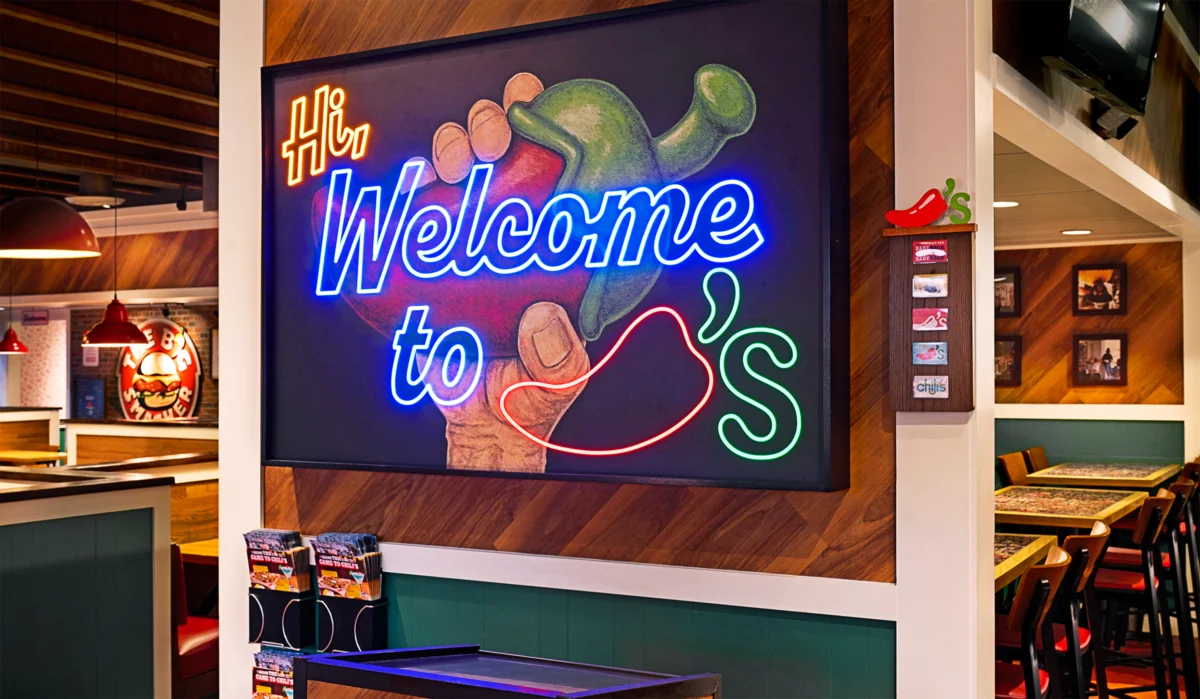
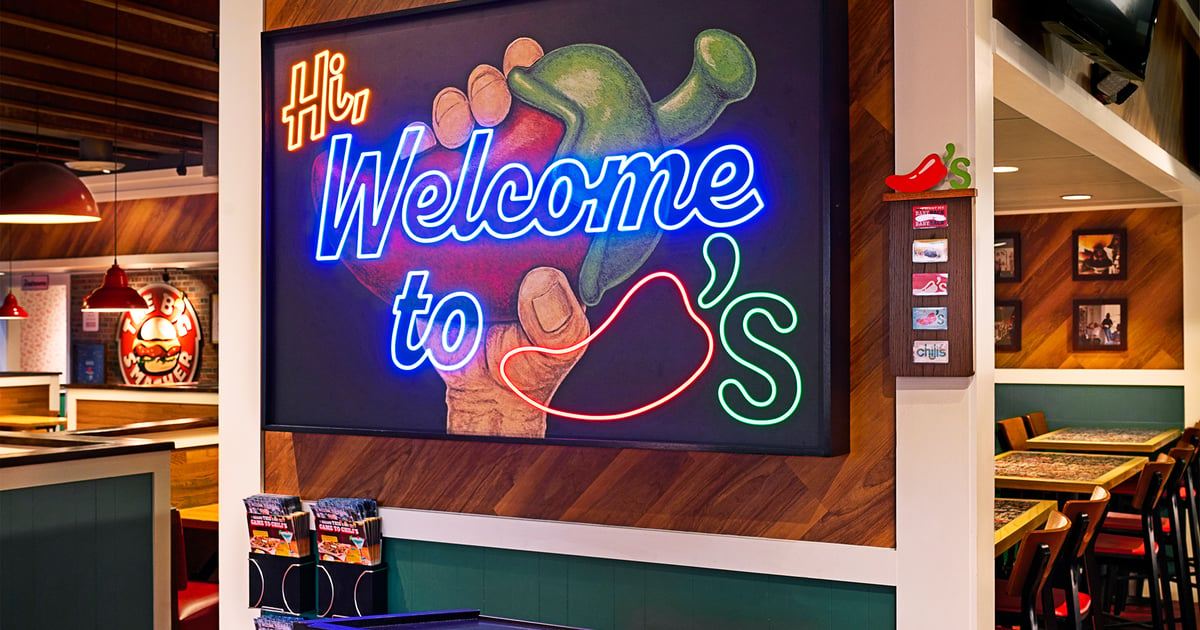
In parallel, a well-established casual dining chain, Chili’s, is embarking on a comprehensive renovation of its restaurant interiors. The redesign strategy aims to evoke a sense of nostalgia by reintroducing signature elements from the brand’s past, such as iconic red booths and classic ceramic tile accents. This heritage-inspired approach is being seamlessly integrated with contemporary design touches, creating a refreshed yet familiar atmosphere for its patrons. Key visual updates include custom Chili’s-themed wallpaper, striking new exterior murals, and updated signage, all contributing to a more cohesive and inviting brand presentation. The bar areas are also being expanded to better accommodate guest flow and enhance the social aspect of the dining experience.
This extensive makeover is already visible in approximately a dozen Chili’s locations across the United States, with the company planning to roll out the new design across its remaining network of restaurants over the coming years. This move by Chili’s reflects a broader industry trend of established brands revisiting their core identity and updating their physical spaces to align with current consumer preferences and expectations for ambiance and comfort. The investment in physical store redesigns is often a strategic response to competition from newer, more modern concepts and a desire to create a more engaging in-store experience that encourages repeat visits.
Domino’s Faces Q2 Headwinds, Eyes Innovative Product Launch for Future Growth
Meanwhile, pizza delivery giant Domino’s Pizza is navigating a complex second quarter, reporting a modest positive performance. However, the company faced challenges with declining average ticket sizes, a situation attributed in part to the comparison against the highly successful launch of its Stuffed Crust pizza in the previous year. Further impacting performance was the lukewarm reception to its premium series launch in April, which included a new "Slice Sauce" offering. This initiative did not meet executive expectations for consumer resonance and sales uplift.
In response to these mixed results and the broader challenging pizza market environment, Domino’s is recalibrating its marketing strategy for the remainder of the year. The company has announced plans to introduce a new occasion-based product in the third quarter, which executives describe as a departure from anything the company has previously offered. This innovative product is anticipated to have significant potential for generating incremental sales and reigniting consumer interest. This strategic pivot highlights the pressure on major QSR chains to continuously innovate and adapt their product pipelines to maintain market share and drive growth in a dynamic and often saturated market.
The Resurgence of Experiential Dining: Level99’s Ambitious Expansion
The significant investment in Level99 by Ron Shaich’s Act III Holdings underscores a powerful trend: the increasing consumer demand for immersive and interactive dining experiences. In an era where consumers are often looking for more than just sustenance, concepts that blend entertainment with food and beverage are gaining considerable traction. Level99’s model, which centers on physical challenges and problem-solving within a social setting, directly taps into this desire for active engagement and memorable outings.
Supporting Data and Market Context:
- The global eatertainment market has been experiencing robust growth. Reports indicate a compound annual growth rate (CAGR) that is projected to continue upward in the coming years, fueled by discretionary spending on entertainment and leisure activities.
- Post-pandemic recovery has seen a particular surge in demand for experiential retail and dining, as consumers prioritize social gatherings and unique activities.
- Level99’s current four locations serve as a proof of concept, demonstrating the viability of its model. The planned expansion to four new sites per year starting in 2027 signifies a calculated and ambitious scale-up, requiring significant operational and logistical planning.
Analysis of Implications:
Shaich’s substantial investment in Level99 signals a strategic bet on the future of dining. It suggests a belief that traditional restaurant models may need to evolve to incorporate engaging entertainment elements to remain competitive. This could spur further innovation and investment in the eatertainment sector, potentially leading to new entrants and the evolution of existing concepts. The success of Level99’s expansion could also influence how other restaurant groups approach their own diversification and experiential offerings.
Chili’s Reinvention: Balancing Heritage and Modern Appeal
Chili’s decision to overhaul its restaurant design is a strategic move to revitalize its brand image and enhance the in-store customer experience. By blending nostalgic elements with modern aesthetics, the chain aims to appeal to both long-standing patrons and a new generation of diners.
Background and Context:

- Casual dining chains have faced significant disruption from fast-casual competitors and evolving consumer preferences for speed, value, and ambiance.
- Many established brands have found success in refreshing their store designs to create more contemporary and inviting environments. This can include updated decor, improved lighting, more comfortable seating, and enhanced technology integration.
- The specific elements chosen by Chili’s – red booths, ceramic tiles, custom wallpaper – are designed to evoke a sense of comfort, familiarity, and brand identity.
Analysis of Implications:
The success of Chili’s redesign hinges on its ability to create an atmosphere that resonates with its target demographic while also attracting new customers. A well-executed redesign can lead to increased customer satisfaction, longer dwell times, and potentially higher sales. It also signals a commitment from the brand to invest in its physical presence, which can be a crucial factor in maintaining brand relevance and competitive advantage in the casual dining segment. The phased rollout suggests a measured approach, allowing for adjustments and learning as the project progresses.
Domino’s Navigational Challenges and the Quest for Innovation
Domino’s Q2 performance highlights the inherent challenges in maintaining growth in a mature and highly competitive market. While a positive quarter is commendable, the subtle indicators of smaller ticket sizes and unmet expectations for new product launches point to areas requiring strategic attention.
Supporting Data and Market Context:
- The pizza delivery market is intensely competitive, with numerous national and local players vying for market share.
- Consumer spending on food away from home can be sensitive to economic conditions, impacting discretionary purchases like premium pizza offerings.
- Product innovation is a critical driver of growth in the QSR sector. However, the success of new products is not guaranteed and depends on consumer appeal, execution, and effective marketing.
Analysis of Implications:
Domino’s proactive adjustment of its marketing calendar and focus on a novel Q3 product launch demonstrate a clear understanding of the need for agility and innovation. The description of the upcoming product as "unlike anything the company has done before" suggests a bold attempt to break through the clutter and capture consumer attention. The success of this initiative will be crucial for Domino’s in demonstrating its ability to generate excitement and drive incremental sales in a challenging environment. The company’s performance will be closely watched as an indicator of its ability to adapt to evolving consumer tastes and maintain its leadership position.
The interplay between these developments – the bold expansion of an experiential dining concept, the strategic refresh of a casual dining icon, and the ongoing efforts of a delivery giant to innovate – paints a vivid picture of a dynamic restaurant industry constantly seeking to redefine the consumer experience and drive growth in an ever-changing marketplace. The substantial capital being deployed in Level99, coupled with the strategic renovations at Chili’s and Domino’s focus on novel product development, all point towards a sector that is actively responding to the nuanced demands of today’s diners.
