

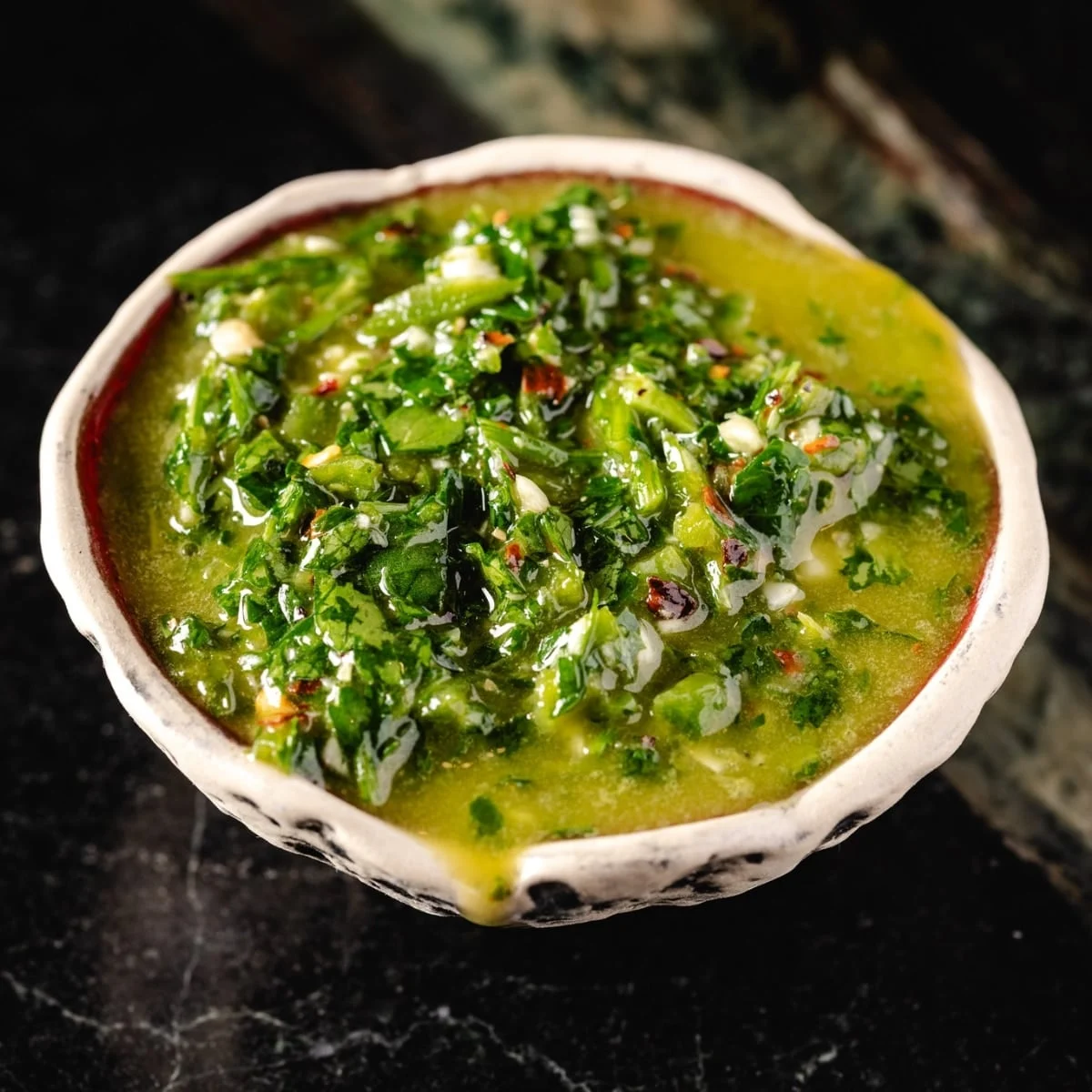
The culinary landscape of outdoor cooking is undergoing a significant transformation as home chefs increasingly pivot from mass-produced, shelf-stable condiments toward artisanal, fresh-ingredient formulations. At the forefront of this shift is the Jalapeño Chimichurri Sauce, a contemporary variation of the traditional South American herb sauce that integrates charred elements and capsaicin-driven heat to enhance grilled proteins and vegetables. This development reflects a broader movement within the global gastronomic community toward "fusion" condiments—recipes that honor historical roots while utilizing modern techniques like high-heat charring to alter flavor profiles at a molecular level.
Historical Foundations of Chimichurri
To understand the significance of the Jalapeño Chimichurri variant, one must first examine the origins of the base sauce. Chimichurri is traditionally rooted in the culinary heritage of Argentina and Uruguay, where it has served as the primary accompaniment to asado (barbecue) for centuries. The classic formulation typically relies on a blend of finely chopped parsley, minced garlic, vegetable oil, oregano, and white or red wine vinegar. Historians suggest the sauce was designed to provide a bright, acidic contrast to the rich, fatty cuts of beef prevalent in the Rio de la Plata region.
The evolution into a jalapeño-infused version represents a significant departure from these rigid traditions. By introducing the Capsicum annuum (jalapeño) and incorporating a charring process, the sauce transitions from a purely herbal and acidic profile to one characterized by smoky complexity and moderate pungency. This adaptation aligns with the increasing globalization of palates, where the boundaries between South American herb sauces and North American/Mexican heat profiles continue to blur.
Technical Innovation: The Integration of Charred Jalapeños
The defining characteristic of this specific chimichurri iteration is the pre-processing of the jalapeño pepper. Unlike traditional recipes that may call for raw peppers, the Jalapeño Chimichurri methodology requires a "blistering" or "charring" phase over an open flame or high-heat grill.

From a chemical perspective, this process is essential. When a jalapeño is subjected to direct heat, the skin undergoes the Maillard reaction—a chemical reaction between amino acids and reducing sugars that gives browned food its distinctive flavor. Furthermore, the heat breaks down the pepper’s cellular structure, softening the flesh and releasing essential oils that carry the capsaicin. The resulting smoke-infused sweetness balances the pepper’s natural heat, providing a more nuanced flavor than raw dicing could achieve.
Procedural Methodology and Execution
The preparation of Jalapeño Chimichurri is a study in efficiency and ingredient synergy. The process is divided into three distinct phases: thermal preparation, mechanical processing, and resting.
Phase I: Thermal Preparation
The process begins by placing whole jalapeños directly over the high-heat zone of a grill. The objective is to achieve a uniform char on the exterior skin while tenderizing the interior. This phase typically requires three to five minutes, depending on the BTU output of the grill and the proximity to the heat source.
Phase II: Mechanical Processing
Once charred, the peppers are combined with fresh cilantro and parsley. The inclusion of cilantro—a staple in Mexican and Southeast Asian cuisines—further distinguishes this recipe from the strictly parsley-based Argentine original. These greens are blended with garlic, red wine vinegar, and extra virgin olive oil. High-speed blending emulsifies the oil and vinegar, creating a cohesive suspension that carries the herbs and pepper fragments evenly.
Phase III: The Resting Period
Culinary experts emphasize that the sauce achieves its peak flavor profile after a resting period. During this time, the acetic acid in the red wine vinegar acts as a solvent, extracting the flavors from the garlic and herbs. Simultaneously, the fat in the olive oil absorbs the capsaicin from the jalapeño, mellowing the initial "bite" and ensuring a consistent heat level throughout the sauce.

Nutritional Profile and Chemical Composition
A quantitative analysis of the Jalapeño Chimichurri reveals a profile that is relatively high in healthy monounsaturated fats while remaining low in carbohydrates and sugars. Based on a standard serving size for a yield of six, the nutritional breakdown is as follows:
- Total Calories: 171 kcal
- Total Fat: 18g (with 13g of Monounsaturated Fat)
- Sodium: 443mg
- Carbohydrates: 2g
- Vitamin A: 1075 IU
- Vitamin C: 15mg
The high Vitamin A and C content is primarily derived from the fresh parsley and cilantro, which are dense in micronutrients and antioxidants. The use of olive oil as the primary lipid source contributes to the monounsaturated fat count, which is widely recognized by the medical community for its heart-health benefits. Unlike store-bought sauces, this formulation contains negligible sugar (0.2g), making it suitable for various dietary frameworks, including ketogenic and paleolithic diets.
Economic and Cultural Shifts in the Condiment Industry
The rise of recipes like the Jalapeño Chimichurri is not an isolated culinary event but part of a documented shift in consumer behavior. Market research indicates that the "Specialty Sauce" market has seen a compound annual growth rate (CAGR) of over 5% in the last five years. Consumers are increasingly rejecting products containing high-fructose corn syrup, artificial preservatives, and excessive sodium.
The "Hey Grill Hey" platform, founded by Susie Bulloch, exemplifies the democratization of professional-grade BBQ knowledge. Bulloch, a prominent figure in the grilling community with appearances on the Food Network and multiple Guinness World Records, has leveraged digital media to teach home cooks how to replicate complex flavor profiles. This movement toward "DIY" condiments has implications for the retail sector, as consumers spend more on high-quality raw ingredients—such as premium olive oils and fresh herbs—rather than pre-packaged bottles.
Culinary Versatility and Professional Application
In professional gastronomy, the utility of a sauce is measured by its versatility. The Jalapeño Chimichurri serves as a "mother sauce" within the grilling sub-sector. Its application extends beyond the traditional steak pairing:

- Proteins: The acidity of the vinegar and the enzymes in the fresh herbs act as a "brightener" for heavy meats like ribeye or skirt steak. However, it is equally effective on lean proteins such as grilled chicken breast or white fish, where the fat from the olive oil provides much-needed moisture.
- Vegetables: The smoky notes of the charred jalapeño complement the natural sugars found in grilled corn, zucchini, and bell peppers.
- Starch Pairings: Modern applications see the sauce used as a dressing for roasted potatoes or as a finishing oil for crusty artisan breads.
Culinary professionals often recommend using the sauce as both a marinade and a finishing component. When used as a marinade, the vinegar helps to tenderize the meat fibers; when used as a finishing sauce, the fresh herbs provide a vibrant visual contrast and a burst of raw flavor that is lost during the cooking process.
Broader Impact and Implications for Home Cooking
The popularity of Jalapeño Chimichurri underscores a significant trend in the "backyard BBQ hero" culture. This culture prioritizes the "process" of cooking as much as the final result. The act of charring a pepper on a grill before blending it into a sauce represents an engagement with the cooking medium (the fire) that goes beyond simple utility.
Furthermore, the adaptability of the recipe allows for regional customization. In areas where jalapeños may be considered too mild, serrano or habanero peppers can be substituted using the same charring technique. In regions where cilantro is unavailable or disliked due to genetic taste predispositions, the ratio of parsley can be increased. This flexibility is a hallmark of modern recipe development, where the "template" is provided, but the final execution is left to the discretion of the cook.
Conclusion: The Future of the Grilling Experience
As the culinary world continues to evolve, the Jalapeño Chimichurri stands as a testament to the power of simple, high-quality ingredients treated with proper technique. By combining the ancient traditions of the Argentine pampas with the bold, heat-forward preferences of the modern palate, this sauce has redefined what is expected from a grilled meal.
The move away from industrial condiments toward fresh, home-blended alternatives like those popularized by Susie Bulloch and the Hey Grill Hey platform signifies a return to intentional cooking. It is a movement that values nutritional transparency, flavor complexity, and the ritual of the grill. For the modern enthusiast, the Jalapeño Chimichurri is more than just a condiment; it is a tool for culinary elevation, transforming a standard piece of grilled protein into a sophisticated, multi-layered gastronomic experience.

Through the continued sharing of these techniques via digital platforms and community engagement, the standard for "backyard BBQ" continues to rise, ensuring that the future of outdoor cooking remains vibrant, spicy, and rooted in fresh, whole ingredients.
