

The landscape of gluten-free snacking has undergone a dramatic transformation, shifting from niche specialty store offerings that often disappointed in taste and price, to readily available options integrated seamlessly into mainstream grocery aisles. This evolution marks a significant milestone for individuals managing gluten sensitivities or celiac disease, providing convenient, delicious, and normalized snack choices that rival their gluten-containing counterparts. Once characterized by expensive, often chalky alternatives, the modern market now boasts a wide array of packaged gluten-free snacks that satisfy cravings and simplify daily routines, from packing lunches to stocking pantries and appeasing hungry children.
The shift toward greater accessibility and improved quality in gluten-free snacks is a testament to evolving food manufacturing capabilities and a growing understanding of consumer needs. For decades, those adhering to a gluten-free diet faced significant challenges in finding enjoyable and convenient snack options. The market was largely dominated by products specifically formulated for this demographic, often at a premium price point and with a compromise on flavor and texture. However, in recent years, a confluence of factors has propelled gluten-free products into the mainstream. This includes increased consumer demand driven by heightened awareness of gluten sensitivities, advancements in food science enabling the development of effective gluten-free flour blends and production techniques, and a strategic business decision by major food manufacturers to cater to this expanding market segment. The result is a paradigm shift where gluten-free snacks are no longer an outlier but an integrated part of the broader snack food industry.
A Curated Approach to Gluten-Free Snacking
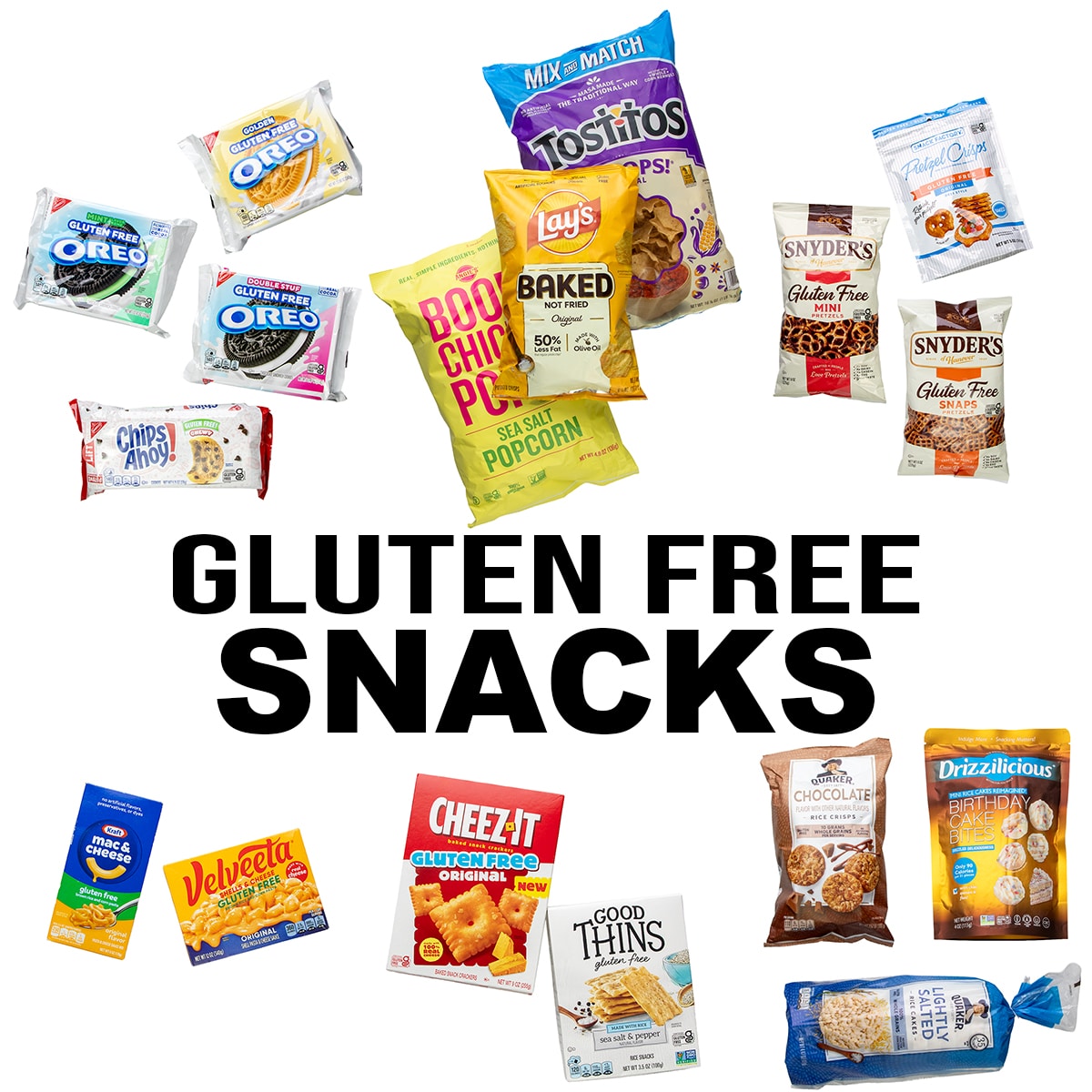
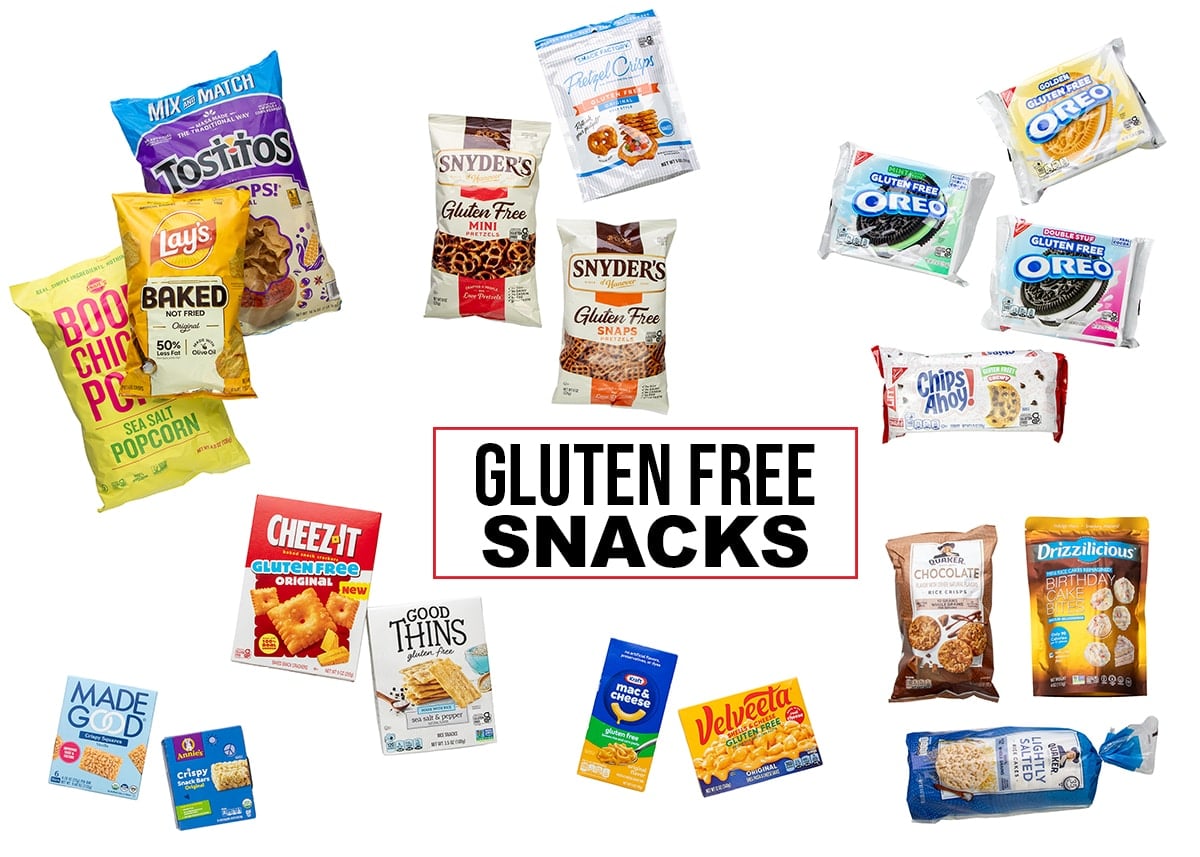
This analysis focuses on a curated selection of packaged gluten-free snacks that are not only readily available in conventional supermarkets but are also consistently recommended for their taste and quality. The selection criteria are rooted in the experience of individuals who have maintained a gluten-free lifestyle for an extended period, prioritizing products that contribute to a sense of normalcy. The objective is to highlight snacks that seamlessly integrate into daily life, eliminating the need for separate meal preparation or the purchase of inferior specialty items. The emphasis is on products that either are naturally gluten-free or are familiar favorites that have successfully launched gluten-free versions. While dedicated gluten-free brands have played a crucial role in innovation, this review prioritizes mainstream brands that offer greater accessibility and often more competitive pricing, reflecting a broader market trend towards inclusivity and affordability.
It is imperative for consumers to remain vigilant and always check product labels before purchasing, as ingredient formulations and manufacturing practices can be subject to change. This due diligence ensures continued adherence to dietary restrictions and helps avoid cross-contamination. For those seeking specific products locally, utilizing online grocery platforms can be an effective way to identify which stores carry particular items, allowing for informed purchasing decisions and potentially better pricing when bought in person, which also minimizes the risk of product damage.
The Evolving World of Gluten-Free Crackers
The category of gluten-free crackers has seen significant innovation, moving beyond the limitations of early offerings. Consumers now have access to a diverse range of options that provide the satisfying crunch and flavor profiles expected from traditional crackers. Brands are increasingly investing in research and development to create gluten-free formulations that mimic the texture and taste of wheat-based crackers, utilizing alternative grains and starches.
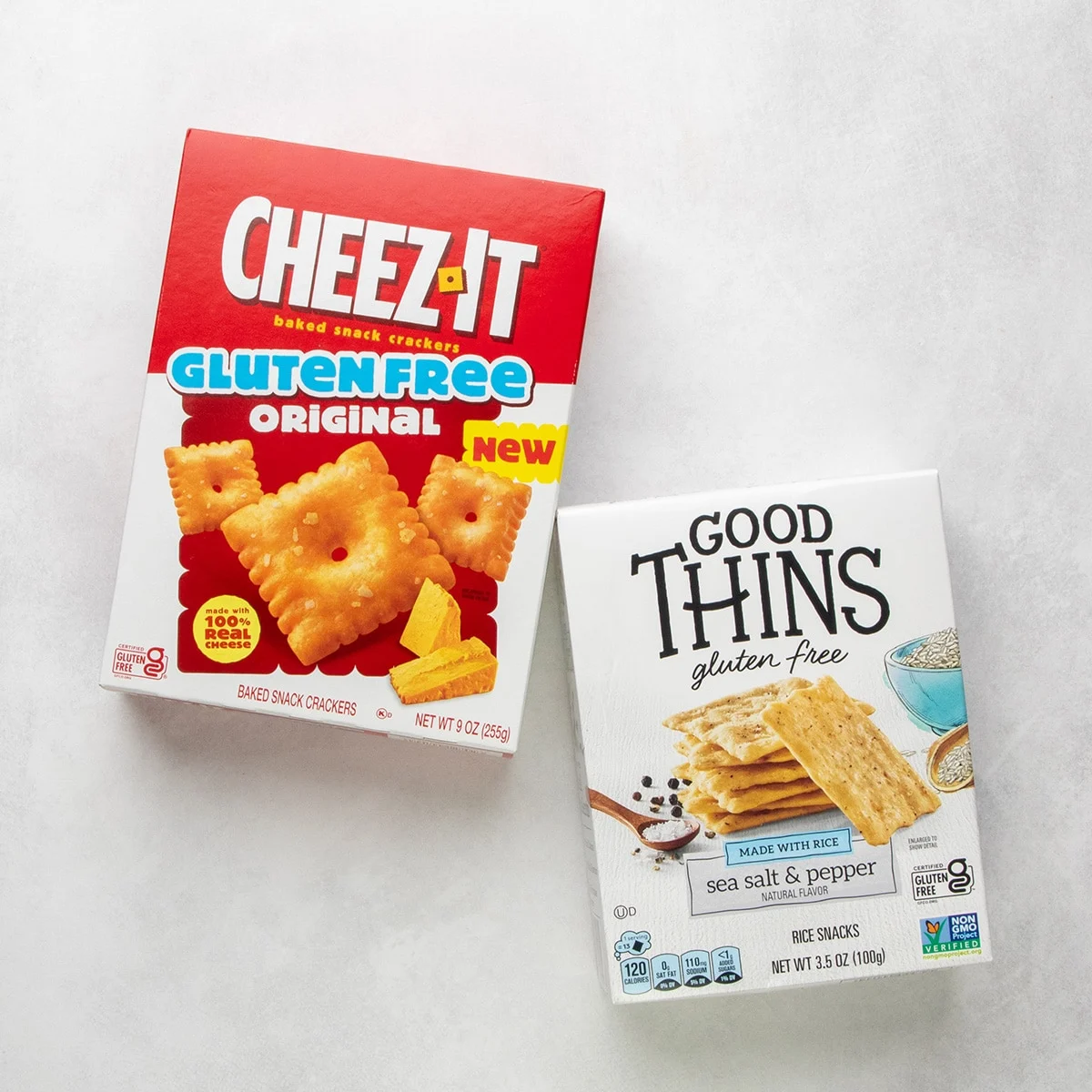
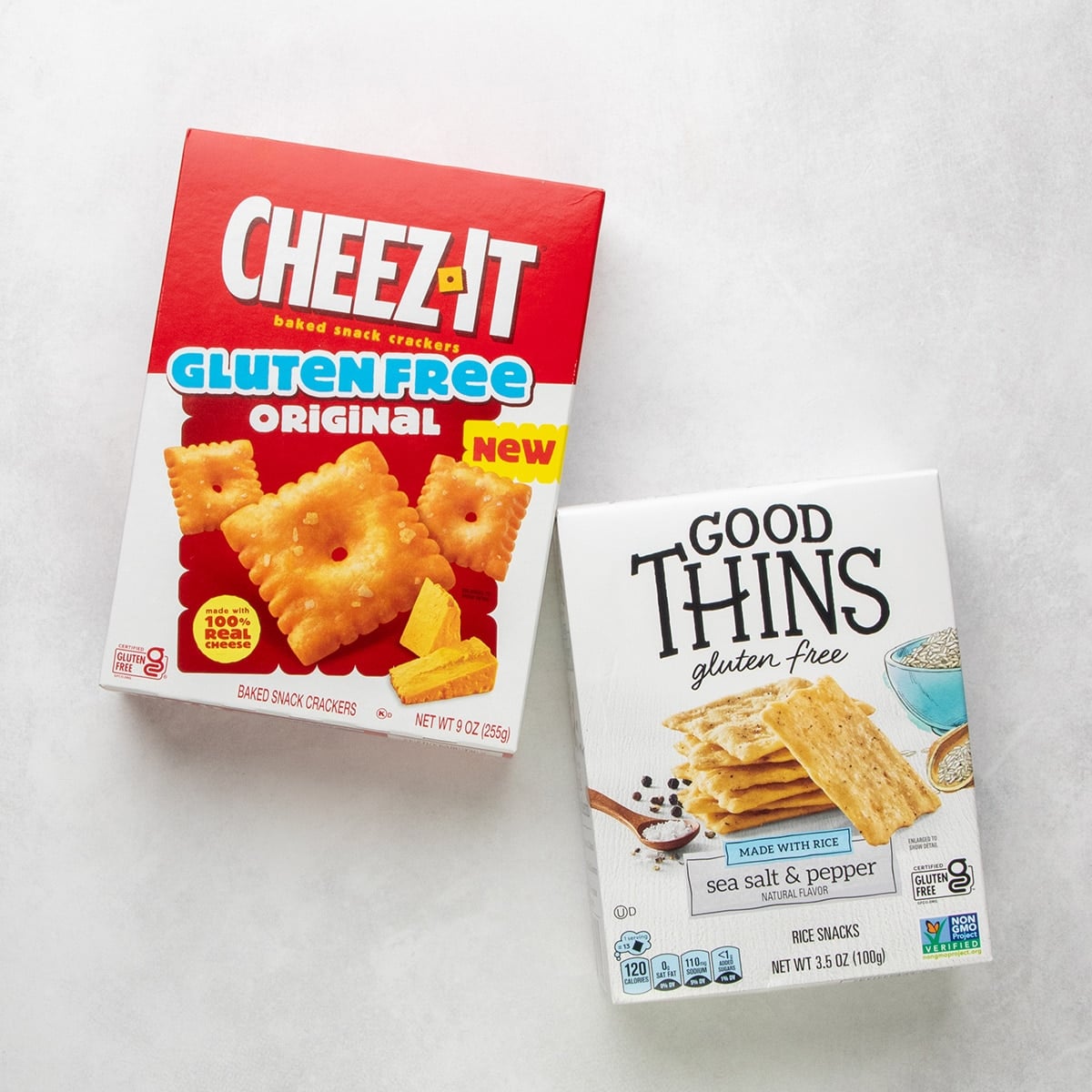
For instance, recognizable brands have introduced gluten-free versions of popular cracker types. Cheez-It, a brand long associated with cheese crackers, now offers a gluten-free original variety, allowing individuals to enjoy the cheesy flavor and satisfying crunch without gluten. Similarly, Good Thins, known for its lighter and crispier cracker options, provides gluten-free versions such as the Sea Salt and Pepper Rice Snacks. These products often leverage rice flour and other gluten-free grains to achieve a desirable texture and taste. The availability of these options in mainstream supermarkets means that individuals no longer need to seek out specialized stores for such items, making them an easy addition to grocery lists for lunches, appetizers, or simple snacking occasions. The competitive landscape has driven these brands to not only match the quality of their gluten-containing counterparts but also to innovate with new flavor profiles and textures, further enhancing the appeal of gluten-free crackers.
Chips and Popcorn: Naturally Gluten-Free Abundance
The realm of chips and popcorn represents a rich territory for naturally gluten-free snacking. A substantial portion of corn chips, potato chips, and popcorn varieties are inherently free from gluten. The primary consideration for consumers lies in the flavorings and seasonings used, as certain additives can introduce gluten. Major manufacturers like Frito-Lay have been proactive in providing clear and reliable "contains" allergen statements on their packaging. This transparency empowers consumers to readily identify safe options by reviewing ingredient lists, thus mitigating the risk of accidental gluten exposure.
The widespread availability of these inherently gluten-free snacks is a significant advantage. The simple potato chip, seasoned with salt and oil, remains a staple for many. Similarly, corn-based snacks like tortilla chips and many varieties of corn puffs are gluten-free, provided they are not flavored with gluten-containing ingredients. Popcorn, a whole-grain snack, is another excellent naturally gluten-free option. The key is to scrutinize the ingredient list for any hidden sources of gluten, such as maltodextrin derived from wheat, or certain artificial flavorings. The robust allergen labeling practices adopted by leading companies have made this process significantly more manageable for consumers, fostering confidence and convenience in their snack choices.
The Rise of Gluten-Free Pretzels
The market for gluten-free pretzels has expanded dramatically, offering a wide array of options that cater to various taste preferences and textural desires. This category now boasts numerous brands and varieties, with some sources recommending as many as eight different gluten-free pretzel types to explore. Snyder’s of Hanover, a well-established name in the pretzel industry, has been a notable player in this space, consistently introducing new shapes and flavors. Their gluten-free "snaps," for example, are designed to be versatile, suitable for use in dishes like gluten-free Chex mix. For a different texture, the Snack Factory brand’s gluten-free pretzel crisps have garnered a loyal following, offering a thinner and crispier alternative to traditional pretzels.
The development of gluten-free pretzels represents a significant achievement in recreating the characteristic hard, crunchy texture and salty taste of their wheat-based counterparts. This has been accomplished through the use of alternative flours and starches, coupled with specialized baking techniques. The availability of these diverse options means that individuals can enjoy pretzels as a standalone snack, a component in various recipes, or as a satisfying accompaniment to dips and spreads, all without compromising their gluten-free diet. The increasing presence of these options in supermarkets underscores the growing demand and the industry’s responsiveness to it.
Gluten-Free Boxed Macaroni and Cheese: A Comfort Food Staple Reimagined
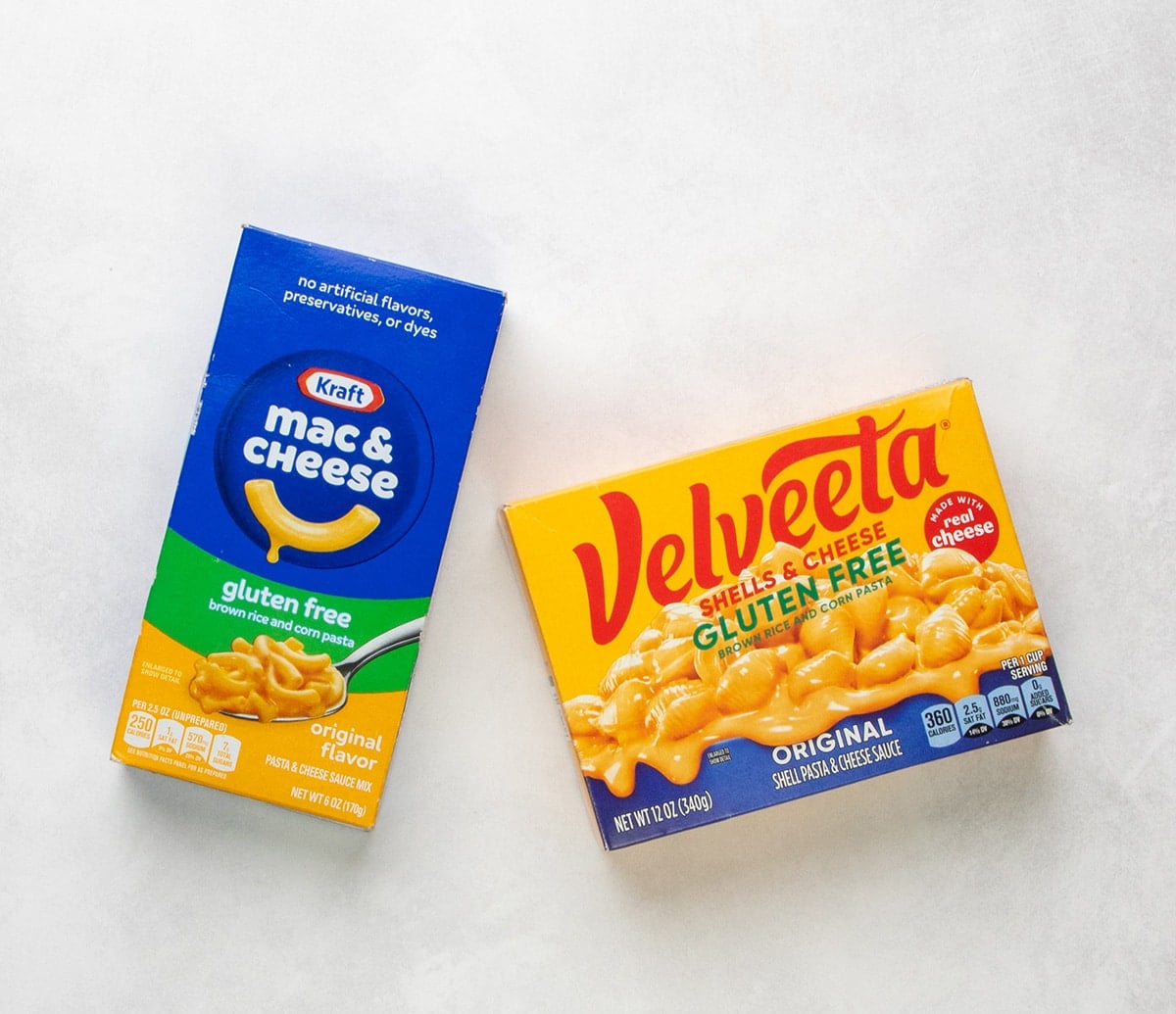
The appeal of macaroni and cheese as a comfort food extends to its gluten-free iterations, particularly in convenient boxed formats that can serve as a quick meal or a substantial snack. The transition from homemade gluten-free mac and cheese, which is often considered a full meal, to a boxed version elevates it to snack status for many. This evolution has been facilitated by major food brands that now offer gluten-free varieties of their popular boxed macaroni and cheese products.
Kraft, a household name in convenience foods, has introduced a gluten-free macaroni and cheese option, allowing families to enjoy this classic dish without gluten. Similarly, Velveeta offers a gluten-free shells and cheese product, providing a creamy and cheesy experience. The development of these products involves replacing traditional wheat pasta with gluten-free alternatives, such as those made from rice, corn, or a blend of gluten-free grains. The cheese sauce formulations are typically already gluten-free, but manufacturers ensure that the entire package is certified gluten-free to avoid any potential cross-contamination. The availability of these familiar brands in gluten-free versions brings a sense of nostalgia and ease to gluten-free households, making it simpler to prepare a comforting and satisfying snack or meal.
Gluten-Free Rice Cakes: A Versatile and Accessible Base
Rice cakes, often naturally gluten-free, have emerged as a versatile and accessible snack option, evolving beyond their simpler, less flavorful origins. While some traditional rice cakes might be considered bland by some, modern variations, including mini rice cakes often referred to as "rice crisps," offer a wider range of flavors and textures. Most flavors of these mini rice cakes are gluten-free, although it remains crucial to verify this on the packaging, as not all varieties meet gluten-free standards.
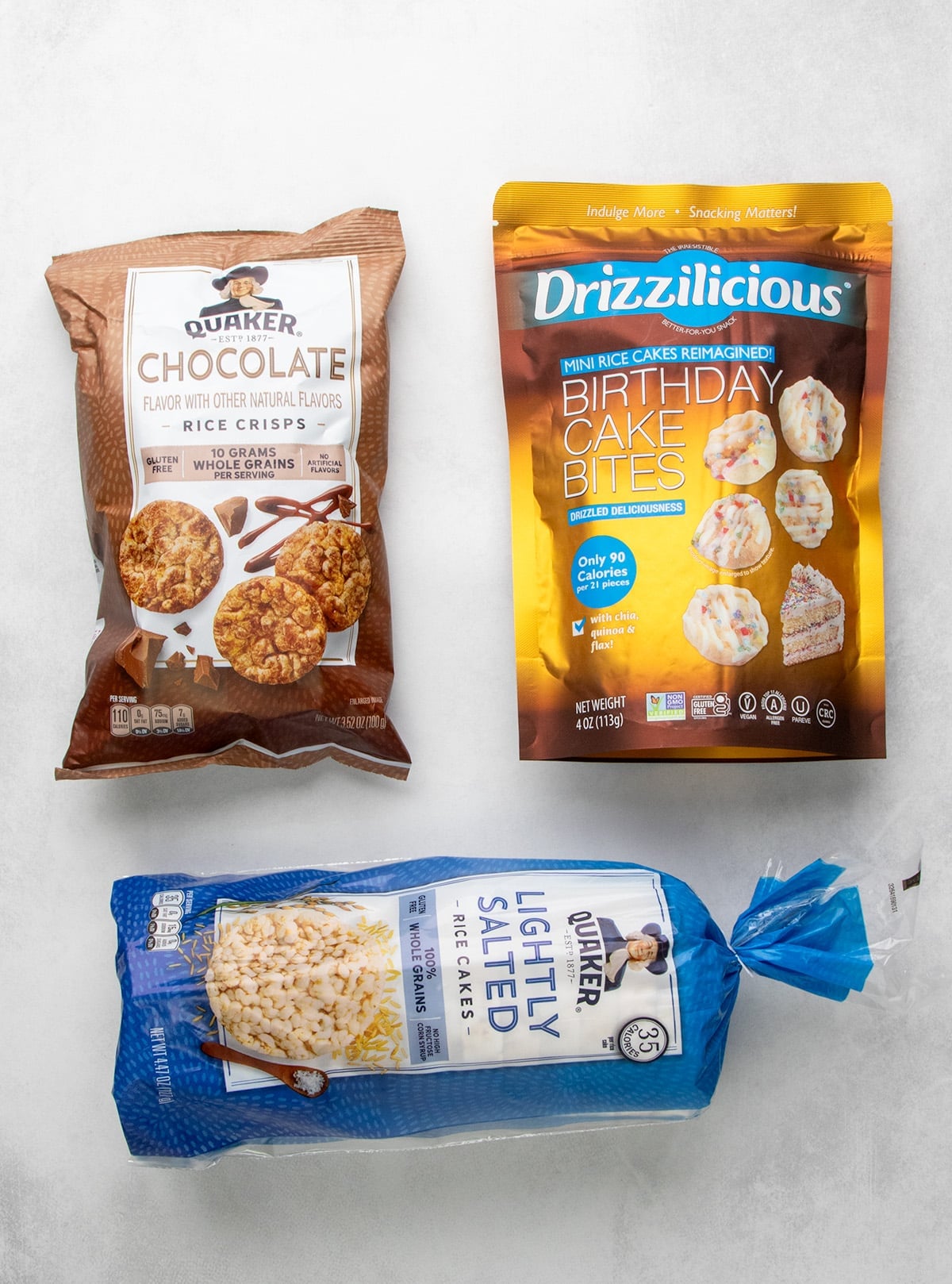
The appeal of rice cakes is further enhanced by the integration of popular snack trends. For example, Drizzilicious mini rice cakes, available in flavors like birthday cake, demonstrate how a popular snack concept can be adapted into a gluten-free format. These treats, while not inexpensive, frequently go on sale, making them a more budget-friendly option. The inherent gluten-free nature of rice makes these cakes a reliable choice, and the innovation in flavorings and coatings transforms them from a basic food item into an appealing snack that can satisfy a variety of cravings, from sweet to savory.
Gluten-Free Crispy Rice Bars: Portable Indulgence
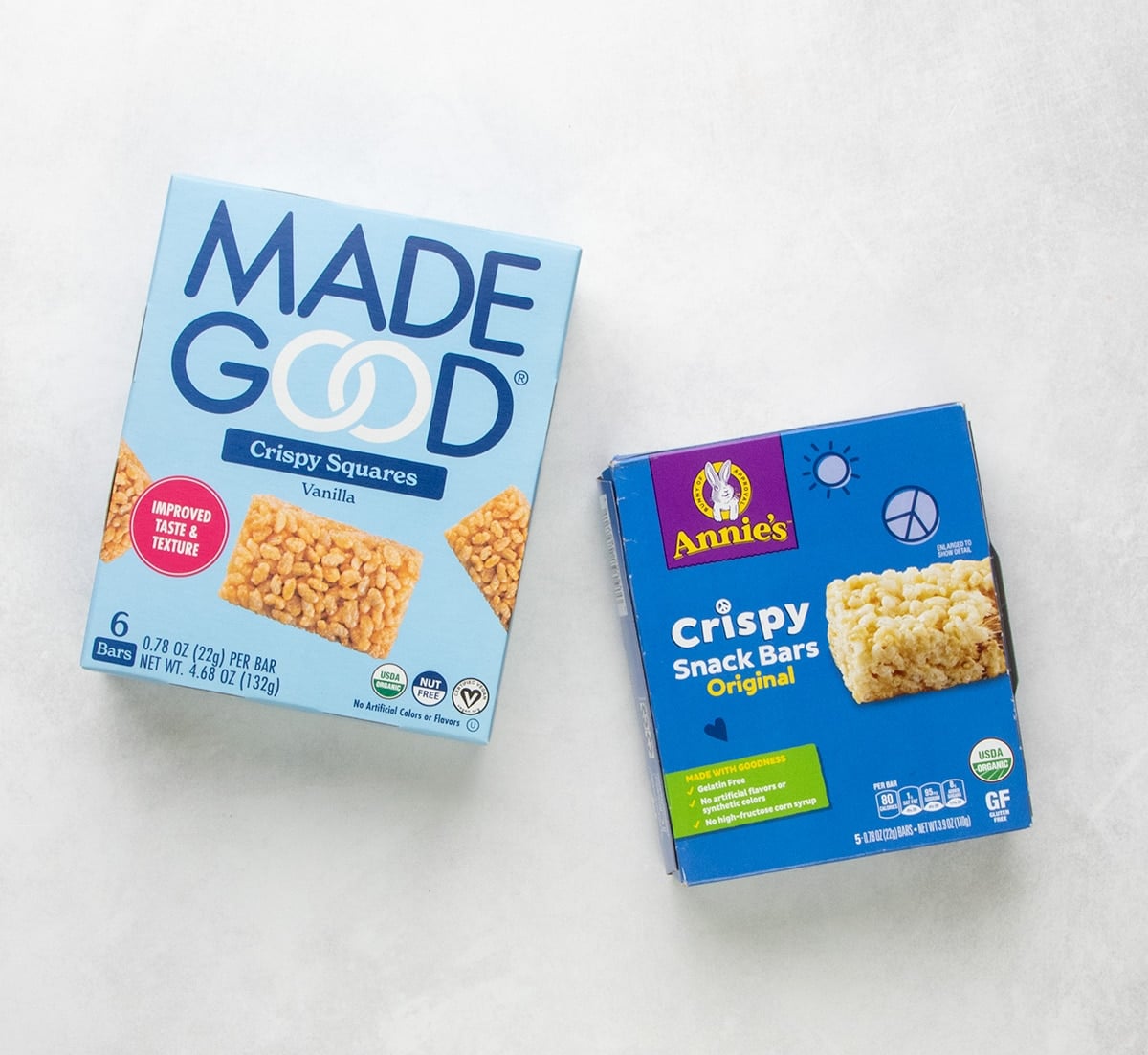
Homemade gluten-free crispy rice treats are a beloved treat, but their portability can be a challenge due to their tendency to become squished and sticky when packed. This has led to the development of commercially available gluten-free crispy rice bars that offer a more convenient, on-the-go solution. It’s noteworthy that traditional Kellogg’s Rice Krispies cereal contains barley-derived malt, rendering both the cereal and their packaged treats unsuitable for a gluten-free diet.
However, several brands have stepped in to fill this void. Annie’s and Made Good are among the brands offering gluten-free crispy rice squares and snack bars. While these options may carry a higher price point, they frequently become available at discounted prices, making them more accessible. These bars provide a satisfying chewy and crispy texture, though they may not offer the same satiating effect as a protein bar. Nevertheless, they serve as an excellent option for satisfying a sweet craving or providing a quick energy boost when a more substantial snack is not required.
Gluten-Free Nabisco Cookies: The "Real Thing" for Gluten-Free Diets
The introduction of gluten-free versions of iconic Nabisco cookies has been a significant development for the gluten-free community, offering the authentic taste of beloved treats. Nabisco’s decision to develop gluten-free Oreos and, more recently, chewy Chips Ahoy! cookies was driven by business considerations but has been met with immense gratitude from consumers who previously had to rely on imitation or entirely different cookie types. While alternative gluten-free sandwich cookies and chocolate chip cookies have existed from brands like Trader Joe’s and Kinnikinnick, the availability of gluten-free versions of the "real thing" has been a game-changer for many.
The company has expanded its gluten-free cookie offerings to include various flavors, with golden Oreos being a particular favorite for some. The positive reception from consumers, including anecdotal reports of gluten-free friends finding the taste "really close" to the original, highlights the success of these formulations. The chewy Chips Ahoy! cookies are celebrated for their packaged cookie perfection, delivering a soft, chewy texture and classic chocolate chip flavor. This move by Nabisco underscores a broader trend of major food manufacturers embracing inclusivity in their product lines, recognizing the substantial and growing market of consumers seeking gluten-free alternatives without sacrificing taste or brand loyalty.
The growing availability and improved quality of packaged gluten-free snacks represent a significant advancement in dietary management. No longer confined to specialized sections or compromised by taste and price, these snacks offer convenience, normalcy, and enjoyment to individuals navigating gluten-free lifestyles. This evolution reflects a more inclusive and responsive food industry, catering to a wider range of dietary needs and preferences, ultimately enhancing the quality of life for millions.
