

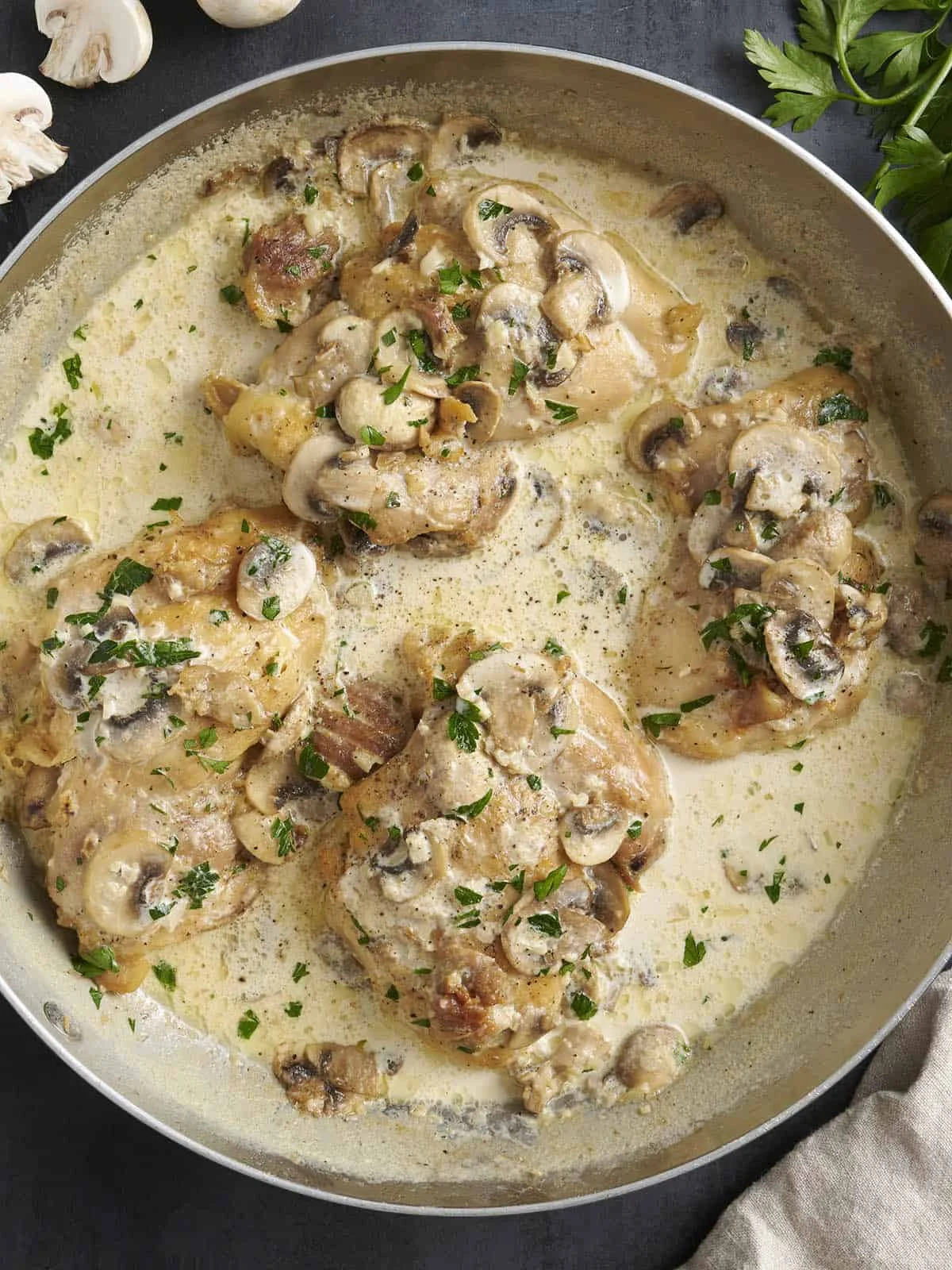
The culinary landscape of the mid-2020s has been increasingly defined by a convergence of high-level gastronomic techniques and rigorous fiscal management, a trend exemplified by the recent optimization of the Creamy Mushroom Chicken skillet dish by the Nashville Test Kitchen. This specific preparation, which centers on the use of boneless, skinless chicken thighs and a sophisticated pan sauce, represents a broader movement toward "at-home gourmet" dining that seeks to bypass the rising costs of the restaurant sector. By utilizing a strategic combination of high-umami ingredients and cost-effective dairy substitutes, the recipe achieves a per-serving cost of approximately $2.07, a figure that sits significantly below the national average for a balanced protein-heavy meal. The development and refinement of this dish highlight the growing importance of test kitchen rigor in providing consumers with reliable, scalable, and nutritionally dense options during periods of fluctuating food inflation.
Culinary Architecture and Technical Execution
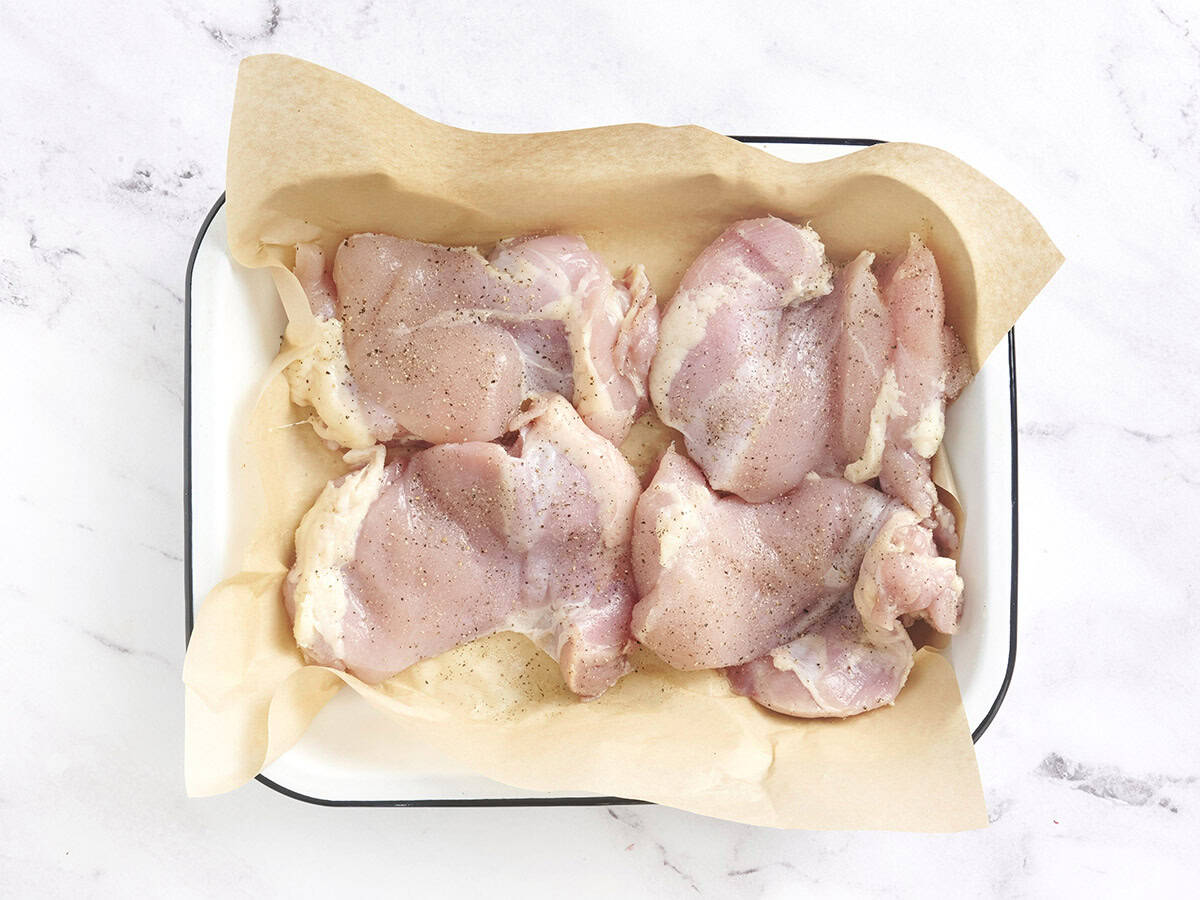
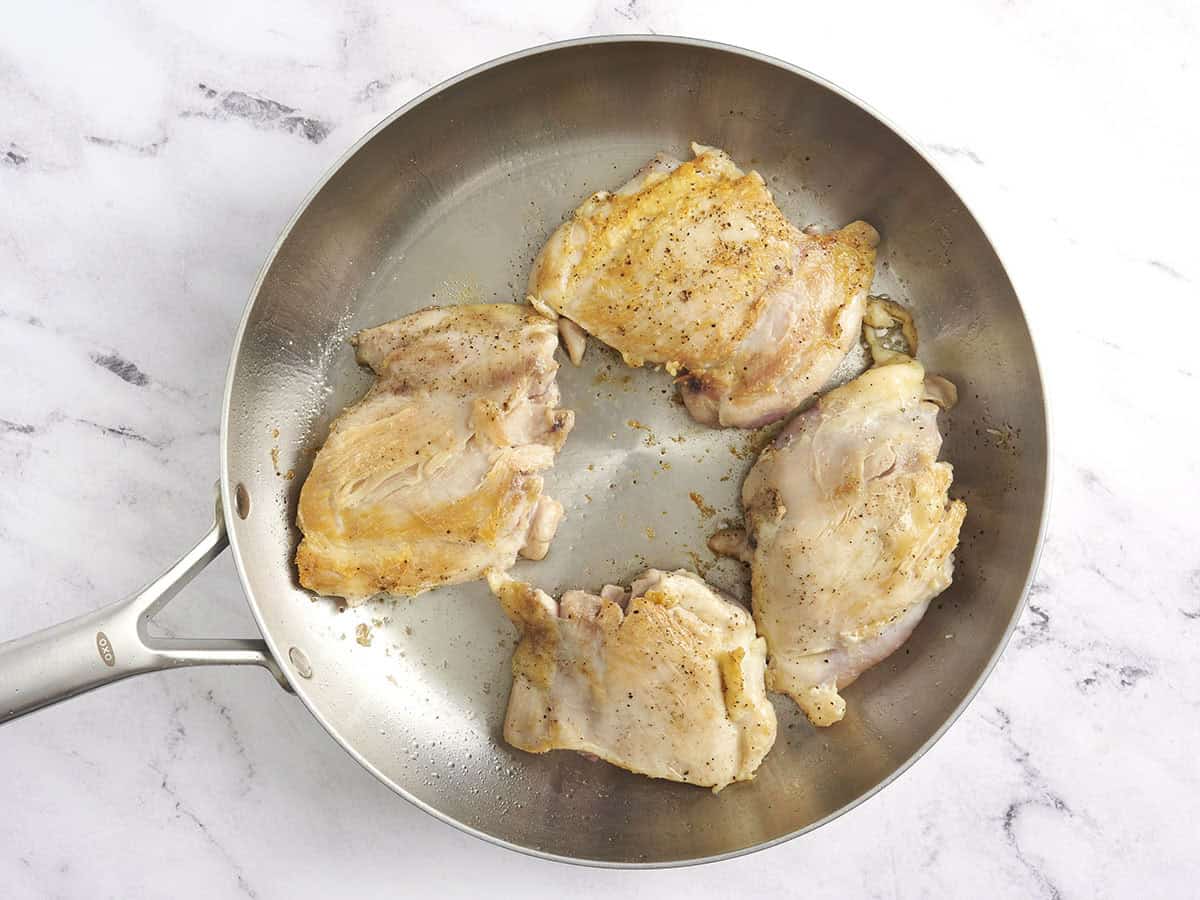
The foundational appeal of the Creamy Mushroom Chicken lies in its utilization of the "one-skillet" methodology, a technique favored by professional chefs and home cooks alike for its ability to build complex flavor profiles through successive layers of cooking. The process begins with the Maillard reaction, a chemical interaction between amino acids and reducing sugars that gives browned food its distinctive flavor. By searing the chicken thighs first, the cook creates a "fond"—the collection of caramelized bits at the bottom of the pan—which serves as the primary seasoning agent for the subsequent sauce.
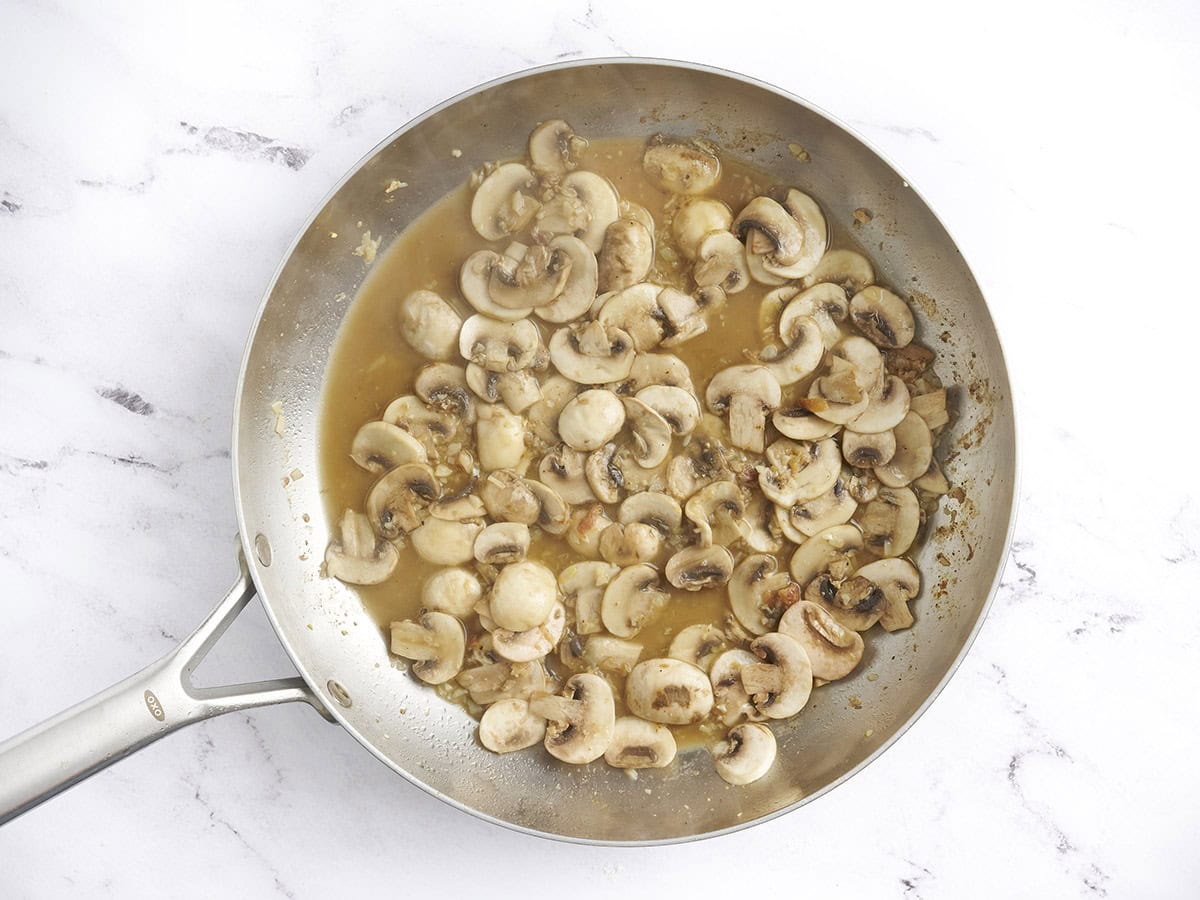
Following the browning of the protein, the introduction of aromatics—specifically minced garlic and sliced mushrooms—serves a dual purpose. From a culinary perspective, the mushrooms absorb the residual fats and garlic oils, darkening and intensifying in flavor. From an economic perspective, the mushrooms act as a "bulking agent," extending the volume of the meal without the high cost associated with additional meat portions. The transition from a dry sear to a liquid-based sauce involves deglazing the pan with chicken broth, a step that integrates the fond into the liquid phase of the dish.
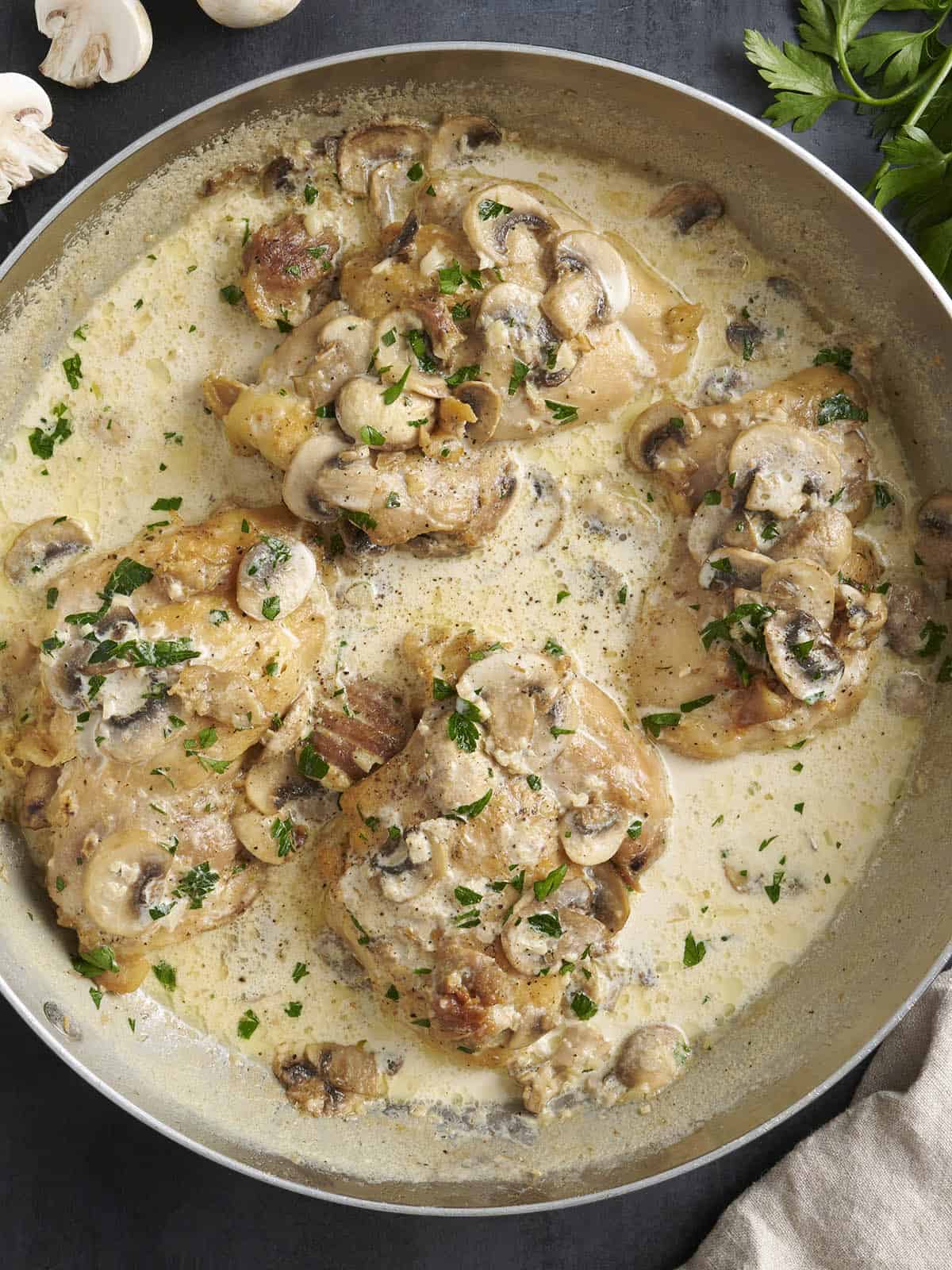
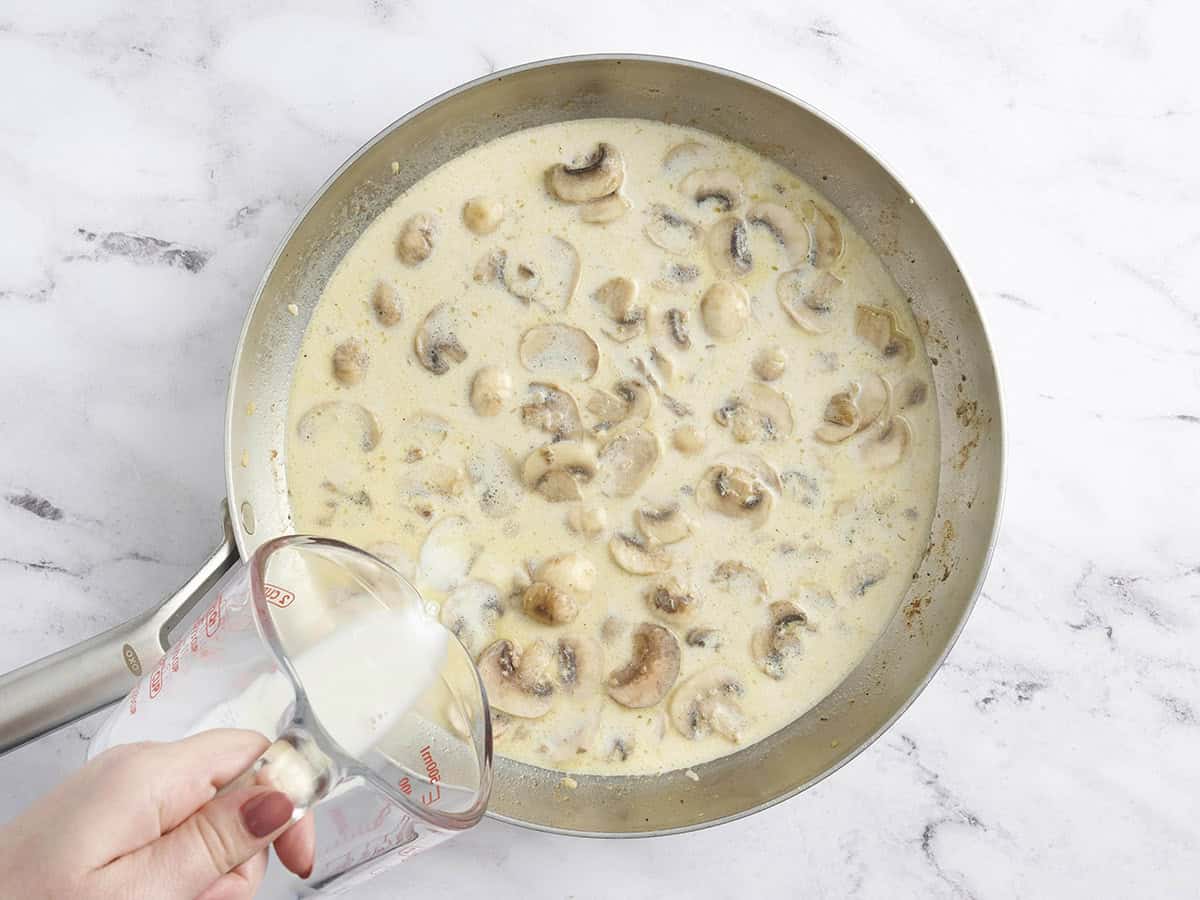
The final stage of the preparation involves the emulsification of dairy and cheese. Notably, the Nashville Test Kitchen’s decision to utilize half-and-half rather than traditional heavy cream is a tactical choice. While heavy cream offers a higher fat content and natural thickness, half-and-half provides a lighter consistency that, when combined with the binding properties of melted Parmesan cheese, creates a "spoonable" sauce that adheres to the protein without the caloric or financial heaviness of a full-fat reduction.
A Chronology of Recipe Optimization: 2017–2026
The trajectory of the Creamy Mushroom Chicken dish provides a window into the evolving standards of digital recipe publishing and consumer expectations. Originally released on January 29, 2017, the recipe served as a staple for early adopters of budget-conscious meal planning. However, as culinary technology and ingredient sourcing changed over the following decade, the Nashville Test Kitchen identified a need for a comprehensive overhaul.
The retesting and reworking phase, culminating in the republished version on July 15, 2026, focused on several key areas of improvement:
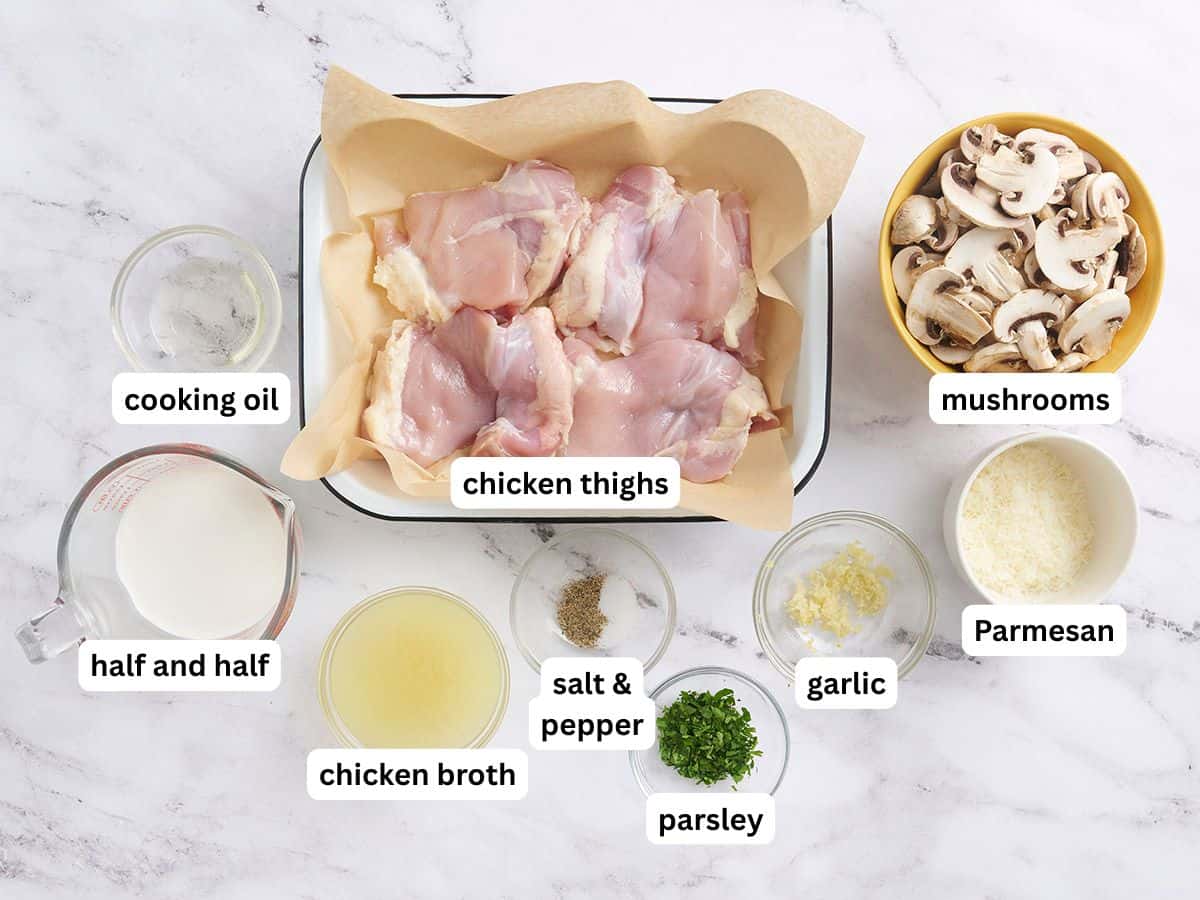
- Protein Selection: While the 2017 version allowed for various cuts, the 2026 iteration specifically advocates for boneless, skinless thighs due to their superior moisture retention and affordability relative to chicken breasts, which are prone to desiccation during the browning process.
- Sourcing Logistics: The integration of concentrated bases, such as "Better Than Bouillon," reflects a shift toward pantry-stable ingredients that reduce waste compared to traditional 32-ounce liquid cartons.
- Texture Control: The updated instructions provide more granular detail on temperature management, specifically advising cooks to add Parmesan over low heat to prevent clumping—a common failure point in home-made cream sauces.
- Nutritional Transparency: The modern version includes automated nutritional calculations, reflecting the increased consumer demand for data-driven diet management.
This nine-year lifecycle demonstrates the "living" nature of modern recipes, which are no longer static entries in a printed book but are instead subject to continuous iteration based on user feedback and changing economic realities.
Economic Analysis and Cost-Per-Serving Data
In the current economic climate, the affordability of a recipe is often as critical as its flavor profile. The Creamy Mushroom Chicken is positioned within the "Under $10 per Recipe" category, a vital psychological and financial threshold for the average household. A detailed breakdown of the $8.28 total cost reveals a strategic allocation of funds toward high-impact ingredients.
The primary cost drivers are the chicken thighs and the fresh mushrooms. However, by leveraging the high flavor density of garlic and Parmesan, the recipe minimizes the need for expensive spice blends or specialized oils. The cost of $2.07 per serving is particularly noteworthy when compared to the United States Department of Agriculture (USDA) "Thrifty Food Plan" estimates, which suggest that a nutritious home-cooked dinner for a family of four typically ranges between $12 and $18 depending on the region.
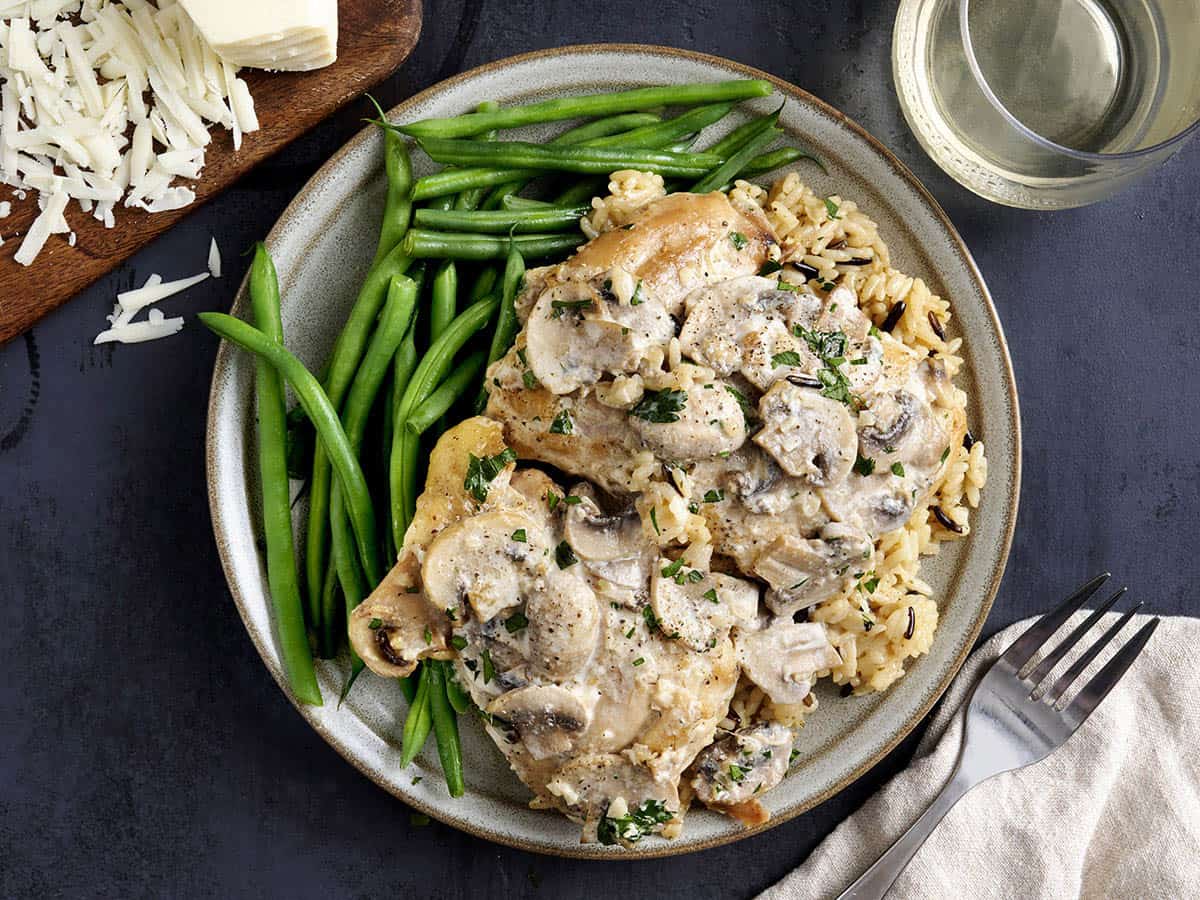
Furthermore, the versatility of the dish allows it to be paired with various low-cost carbohydrates, such as bulk-purchased pasta, rice, or potatoes. This adaptability ensures that the "effective cost" of the meal remains low even when adjusted for regional price variations in side dishes. The Nashville Test Kitchen’s emphasis on "rigorous testing" ensures that these cost estimates are not merely theoretical but are achievable for consumers shopping at standard retail grocery chains.
Consumer Response and Professional Validation
The success of the Creamy Mushroom Chicken is corroborated by qualitative data from the home-cooking community. Testimonials, such as those provided by long-term users like Julee Bormet, emphasize the sauce’s stability and "reheat-ability." In a journalistic context, these responses serve as a form of "market validation." Bormet noted that the sauce maintained its consistency even after refrigeration, requiring only minimal agitation to return to its original state. This is a critical factor for the "meal prep" demographic, which prioritizes dishes that can be consumed over multiple days without a loss in quality.
Culinary experts suggest that the recipe’s success is rooted in its balance of the five basic tastes, with a heavy emphasis on umami. The combination of mushrooms, browned chicken, and aged Parmesan creates a "glutamate-rich" environment that is inherently satisfying to the human palate. By providing clear "Step-by-Step" visual aids, the developers have lowered the barrier to entry, allowing even novice cooks to achieve results that mirror the professional photography provided by the test kitchen.
Broader Impact and Implications for the Food Industry
The rise of recipes like the Creamy Mushroom Chicken has broader implications for the food service and grocery industries. As consumers become more adept at creating "restaurant-quality" pan sauces at home, the value proposition of mid-tier casual dining establishments is increasingly challenged. The ability to produce a gourmet-style meal in 35 minutes—roughly the same time required for a delivery service to arrive—shifts the power dynamic back to the home kitchen.
Moreover, the emphasis on "Budget Bytes" and similar platforms indicates a shift in how culinary authority is perceived. Traditional "haute cuisine" is being supplanted by "functional gourmet," where the goal is not just aesthetic perfection but also economic sustainability. The Nashville Test Kitchen’s focus on "easy, affordable, and delicious" recipes reflects a pragmatic approach to cooking that resonates with a generation facing high housing costs and stagnant wage growth.
The inclusion of storage and freezing guidelines also addresses the modern concern with food waste. By explicitly stating that the sauce may turn grainy if frozen—due to the emulsion breaking during the crystallization process—the test kitchen provides the kind of technical transparency that builds long-term consumer trust. This level of detail ensures that the home cook is equipped not just with a list of ingredients, but with a fundamental understanding of the science of food.
Conclusion: The Future of the Skillet Meal
As the Nashville Test Kitchen continues to rework and republish its catalog, the Creamy Mushroom Chicken stands as a benchmark for the industry. It proves that the constraints of a budget do not necessitate a sacrifice in flavor or nutritional value. By focusing on the "spirit of a good pan sauce" and utilizing accessible ingredients like half-and-half and chicken thighs, the recipe offers a blueprint for the future of home dining.
In a world where the cost of living continues to be a primary concern for the global population, the role of the recipe developer has shifted from that of an artist to that of an engineer. The Creamy Mushroom Chicken is more than just a meal; it is a carefully engineered solution to the problem of feeding a family well on a limited budget. As we move further into the decade, the continued evolution of such dishes will likely remain a central pillar of the domestic economy and a testament to the enduring appeal of a well-made skillet dinner.
