

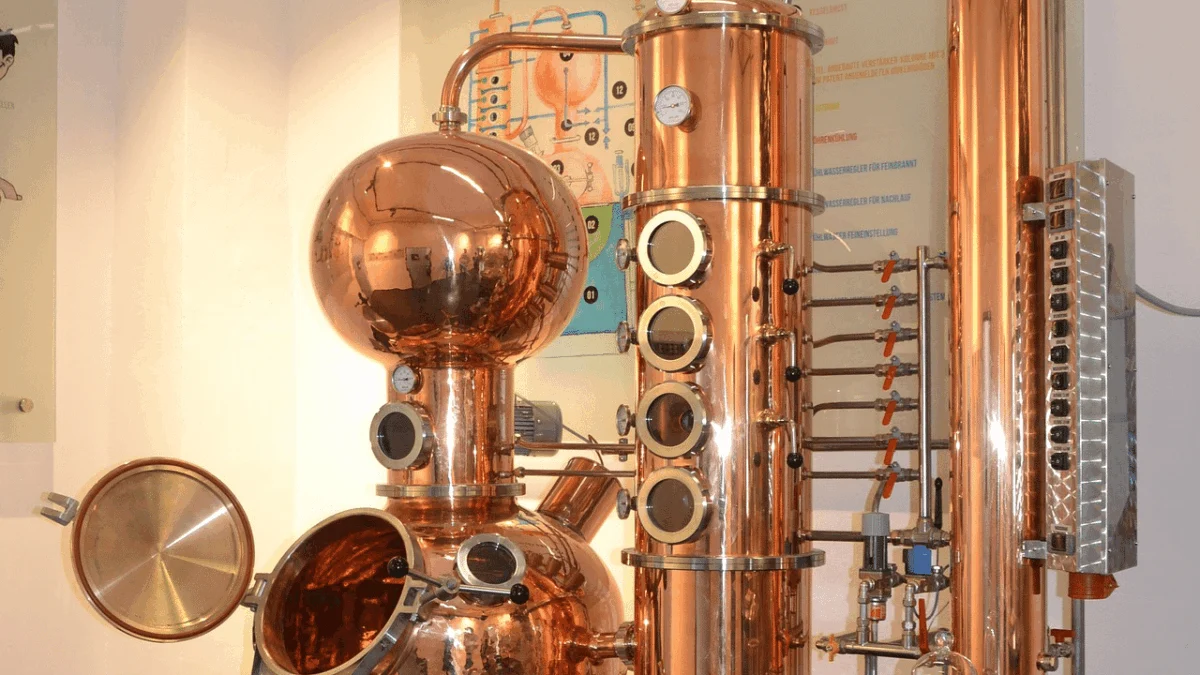
The production of gin is a sophisticated interplay of chemistry, tradition, and sensory artistry that extends far beyond the simple selection of botanicals. While the choice of ingredients—ranging from the essential juniper berry to exotic citrus peels and spices—forms the aromatic foundation of the spirit, the final character of a gin is dictated by a series of technical decisions made by the distiller during and after the distillation process. Even when provided with an identical botanical bill, two different distillers can produce radically different spirits based on their methodology, extraction techniques, and the precision of their "cuts." This complexity has fueled the global gin renaissance, as craft distilleries experiment with variables to distinguish their products in an increasingly crowded international market.
The Foundation: Neutral Grain Spirit as a Blank Canvas
The vast majority of modern gin production begins with Neutral Grain Spirit (NGS). This is a high-proof ethanol, typically distilled to at least 96% alcohol by volume (ABV) from grains such as wheat, barley, rye, or corn. At this concentration, the spirit is essentially a clean, odorless, and flavorless vodka, providing a stable medium for the infusion of botanical oils.
While some distillers choose to ferment and distill their base spirit from scratch—using raw materials like grapes, apples, or molasses—the use of NGS remains the industry standard for London Dry and many contemporary gins. The purity of NGS ensures that the distiller has total control over the flavor profile, as there are no residual congeners from the base fermentation to interfere with the delicate volatile compounds extracted from the botanicals.
The Botanical Blueprint: Ratios and Hierarchies
The defining characteristic of gin is the presence of juniper (Juniperus communis). Under both European Union and United States regulations, gin must possess a "predominant" flavor of juniper. Beyond this legal requirement, the ratio of botanicals used per liter of spirit is the first major decision in recipe development.
Industry benchmarks suggest a botanical load of 20 to 35 grams per liter of finished spirit. Within this total weight, juniper typically accounts for approximately 60% of the volume. The remaining 40% is where the distiller’s signature is forged. A standard "core" recipe often follows a mathematical hierarchy:
- Primary (Juniper): The backbone of the spirit.
- Secondary (Coriander): Often used at half the weight of juniper (e.g., 10g if using 20g of juniper) to provide citrus and spicy notes.
- Tertiary (Root fixatives): Botanicals like angelica root, orris root, or cassia bark are used in smaller quantities, often one-tenth the weight of juniper, to bind the aromas and provide earthy depth.
- Modifiers: Potent ingredients like dried citrus peel, cardamom, or grains of paradise may be used at one-hundredth the weight of the juniper, as their essential oils are highly concentrated.
Extraction Methodologies: Maceration versus Vapor Infusion
Once the ratios are established, the distiller must choose how to transfer these flavors into the spirit. There are two primary schools of thought: maceration and vapor infusion.
Maceration (The Steep Method)
Maceration involves soaking the botanicals directly in the neutral spirit. This process can occur at room temperature for a set period—often 24 hours, as popularized by Beefeater—or the botanicals can be added directly to the pot still at the start of distillation. Heat acts as a catalyst, breaking down the cell walls of the botanicals and releasing essential oils into the liquid ethanol. This method generally results in a "weightier" gin with a more robust mouthfeel and intense, integrated flavors.
Vapor Infusion (The Steam Method)
In contrast, vapor infusion involves placing the botanicals in a "gin basket" suspended within the neck of the still. As the ethanol is heated and turns into vapor, it passes through the botanicals, gently stripping away the volatile aromatic compounds without boiling the plant matter itself. This technique, famously utilized by Bombay Sapphire, tends to produce a lighter, more floral, and delicate spirit. The placement of the basket also matters; a basket placed higher in the still encounters cooler vapors, resulting in a different extraction profile than one placed closer to the heat source.
The Chronology of the Distillation Run: Mastering the Cuts
Distillation is a time-sensitive process governed by the boiling points of different chemical compounds. As the still heats up, different elements of the botanical mix evaporate at different stages. A distiller manages this through "cuts," choosing which parts of the run to keep and which to discard or recycle.
- Foreshots and Heads: These are the first liquids to emerge from the condenser. They contain highly volatile and often toxic compounds like methanol and acetone. These are always discarded. In terms of flavor, the heads are often sharp, solvent-like, and unpleasantly aggressive.
- The Heart: This is the "sweet spot" of the distillation. The heart contains the ethanol and the most desirable botanical oils. Distillers look for a clean, balanced aroma where the juniper is prominent but supported by the other ingredients.
- The Tails: As the distillation nears its end, the temperature rises, and heavier, more bitter compounds begin to emerge. These "tails" often smell of damp cardboard or boiled vegetables. While some distillers include a small portion of the early tails to add complexity and "fix" the lighter citrus notes, most are diverted away to avoid ruining the clarity of the heart.
This process is often compared to cooking; just as a chef must decide when garlic is perfectly sautéed before it turns bitter and burnt, a distiller must use their nose and palate to decide the exact second to "cut" the flow of spirit from the heart to the tails.
Production Efficiency: Single-Shot vs. Multi-Shot
The scale and economic strategy of a distillery often dictate whether they employ the "single-shot" or "multi-shot" method.
- Single-Shot: In this traditional method, the ratio of botanicals to spirit in the still is exactly what is required for the final product. Once the heart is collected, it is diluted with water to the desired bottling strength (typically between 40% and 47% ABV). This is often viewed as the "purist" approach, though it is less space-efficient.
- Multi-Shot: This method involves distilling a highly concentrated "botanical essence" by using a much higher ratio of botanicals than necessary for a single batch. The resulting distillate is so intense it is undrinkable on its own. The distiller then "stretches" this concentrate by blending it with additional neutral grain spirit and water. This allows a distillery to produce significantly more gin from a single distillation run, saving on energy and labor costs.
While purists argue that single-shot gin has a superior texture, many of the world’s most famous and award-winning gins are produced using the multi-shot method, and blind tastings rarely show a consistent preference for one over the other.
Regulatory Frameworks and Industry Impact
The decisions made in the distillery are often influenced by legal definitions. The "London Dry" designation, for instance, is not a geographical indicator but a process-based one. To be labeled as London Dry, all botanicals must be natural, and they must all be distilled together in the presence of the spirit. No flavors or colors can be added after distillation, and only a minute amount of sugar is permitted.
In recent years, the rise of "Contemporary" or "New Western" gins has challenged these traditional boundaries. These spirits often de-emphasize juniper in favor of local fruit, floral notes, or regional spices. This shift has led to a broader demographic of gin consumers but has also sparked debate among traditionalists regarding the protection of the "gin" identity.
Broader Implications for the Global Market
The technical flexibility of gin production has made it the spirit of choice for the craft distillery movement. Unlike whiskey or brandy, which require years of maturation in wooden casks, gin can be produced and sold almost immediately after distillation. This provides essential cash flow for new businesses.
Data from market research firms like IWSR (International Wine and Spirit Record) indicates that the "premium-plus" gin segment continues to grow, driven by consumer interest in the "story" of the distillation process. Consumers are increasingly interested in whether a gin is vapor-infused, macerated, or produced in a copper pot still versus a column still.
Ultimately, the flavor of gin is a testament to the distiller’s ability to balance technical precision with creative intuition. By manipulating ratios, extraction methods, and the timing of the cuts, the distiller transforms a raw, industrial spirit into a complex botanical symphony. As the industry evolves, the mastery of these variables remains the dividing line between a standard spirit and a world-class gin.
