

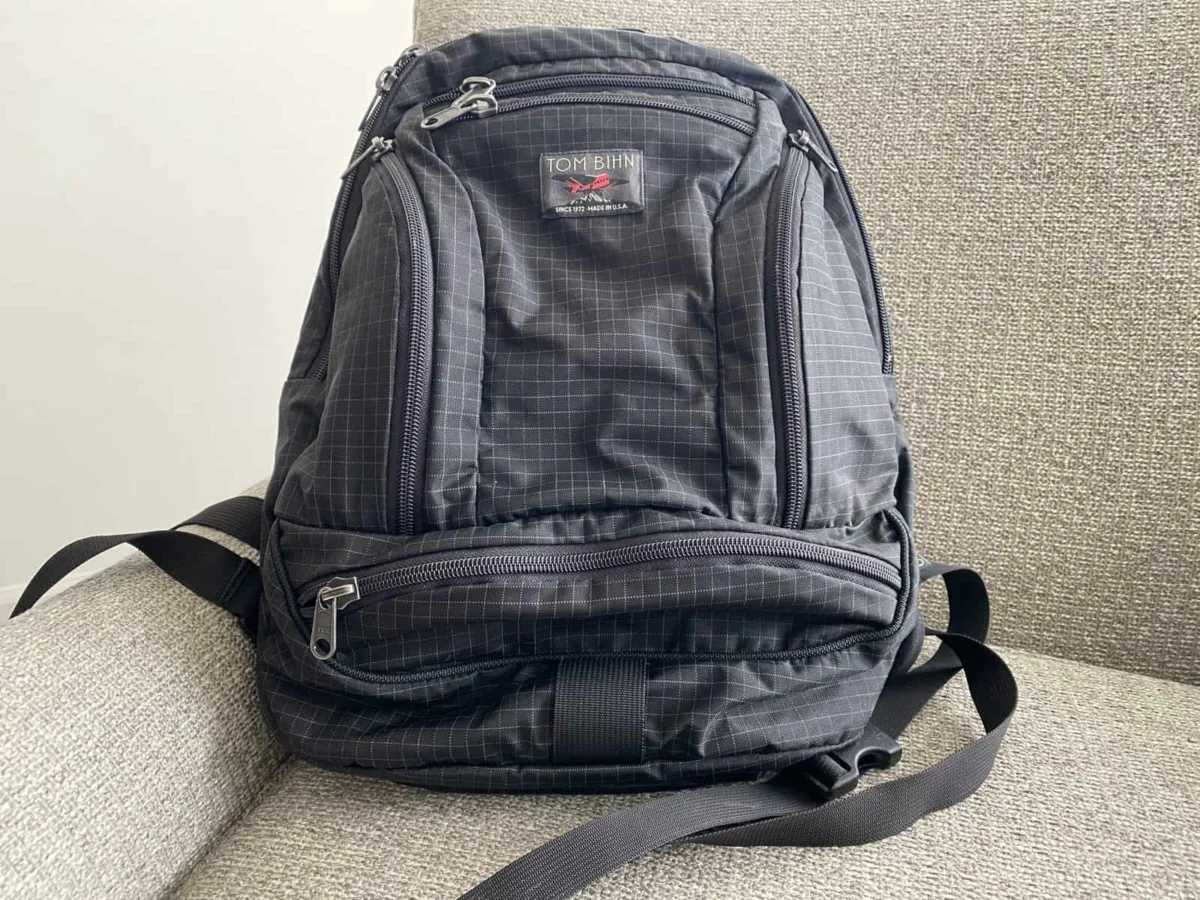
The discovery of a discarded Tom Bihn backpack on a residential roof in Park Slope, Brooklyn, has provided an unexpected postscript to a 2017 burglary that occurred during a pivotal moment in the owner’s life. Jodi Ettenberg, a former lawyer and travel writer known for her work on Legal Nomads, was recently reunited with the bag, which had been missing for over three years. The recovery of the item, facilitated by a neighbor’s routine maintenance and a social media outreach effort, has highlighted the enduring nature of property-related trauma and the statistical rarity of recovering stolen goods years after a crime.
The 2017 Incident: A Confluence of Medical and Criminal Events
The history of the recovered backpack is inextricably linked to a period of significant personal upheaval for Ettenberg. In August 2017, while house-sitting in the Park Slope neighborhood of Brooklyn, Ettenberg underwent a lumbar puncture (spinal tap) at a local hospital. The procedure, intended to be routine, resulted in a debilitating spinal cerebrospinal fluid (CSF) leak, a condition that left her with a long-term disability.
While the medical procedure was being performed, a burglar entered the apartment Ettenberg was occupying. According to security footage from the residence, the time stamp of the intruder’s entry coincided almost exactly with the commencement of the spinal tap at the hospital. The thief utilized Ettenberg’s Tom Bihn Synapse daybag to collect various valuables from the apartment, including a laptop, jewelry, and cash. In a notable display of selective theft, the intruder left Ettenberg’s Canadian passport and a small amount of currency on a couch before departing.
For the victim, the loss of the backpack was secondary to the catastrophic medical complications that followed. However, the timing of the theft created a psychological "anchor," linking the physical loss of her belongings to the permanent loss of her health and mobility.
Discovery and Recovery: The Park Slope Chimney Find
The path to recovery began in December 2020, when a resident living a few houses away from the site of the original burglary contracted a chimney sweep for routine maintenance. During the cleaning process, the worker discovered a backpack tucked into the side of a chimney vent on the roof. The bag had evidently been discarded by the thief shortly after the 2017 burglary, likely as a means of disposing of non-liquid assets and identifying documents.
The resident who found the bag discovered credit cards and business cards inside, which allowed her to identify Ettenberg as the owner. She attempted to contact Ettenberg via Facebook, but the message was filtered into the "Message Requests" folder—a section of the platform often referred to as "Facebook Purgatory" because it does not trigger standard notifications for users who are not "friends." It was not until January 2021 that Ettenberg discovered the message.

The message read: "Hi, you don’t know me, but we found a backpack with your credit cards in it on my roof in Park Slope Brooklyn. Did you by any chance lose or have a backpack stolen in the last few years?"
Upon responding, Ettenberg confirmed the details of the theft. The contents of the bag, though weathered by three years of exposure to the New York elements, remained largely intact. Items recovered included:
- Two pairs of prescription eyeglasses (warped but salvageable).
- Expired credit cards.
- Travel-related business cards.
- Minor personal effects, such as hand lotion and over-the-counter medication.
- A blue die, which Ettenberg noted was not her property, suggesting the thief may have used the bag to carry items from other thefts.
Statistical Context: Property Crime and Recovery Rates in New York City
The recovery of Ettenberg’s bag after more than three years is a statistical anomaly. According to data from the New York Police Department (NYPD) and the Federal Bureau of Investigation (FBI), property recovery rates for burglaries are traditionally low.
In 2017, the year of the original incident, the NYPD reported approximately 12,022 burglaries citywide. Historically, the "clearance rate"—the rate at which police identify a perpetrator or recover property—for burglary hover between 10% and 15% in urban environments. Most property that is recovered is found within the first 48 to 72 hours following the crime. Once an item has been missing for more than a year, the probability of recovery drops to near zero, as stolen goods are typically sold, destroyed, or lost in the waste stream.
The Park Slope neighborhood, located within the NYPD’s 78th Precinct, is generally considered a lower-crime area compared to other Brooklyn sectors. However, the "roof-top disposal" method is a known tactic among urban burglars, who often strip bags of high-value electronics and cash before discarding the "heavy" evidence in inaccessible locations like alleyways, dumpsters, or rooftops.
The Role of Social Media in Modern Recovery
The return of the backpack underscores the evolving role of social media in resolving "cold" property cases. In the pre-digital era, a neighbor finding a bag would have had to rely on the police or physical addresses to return items. Today, digital footprints allow private citizens to bypass official channels.
However, the "filtered message" phenomenon highlighted in this case presents a challenge to this informal recovery system. Cybersecurity experts note that while platforms like Facebook and Instagram use filters to prevent spam and harassment, these same algorithms often delay the delivery of time-sensitive or important communications from strangers. In Ettenberg’s case, the month-long delay in seeing the message added a layer of emotional suspense to an already sensitive situation.

Psychological Implications and the "Spiral of Life"
The return of the bag triggered a significant emotional response, a phenomenon trauma specialists call "anniversary reactions" or "sensory triggers." Because the bag was a physical relic of the night Ettenberg’s life changed due to medical injury, its reappearance acted as a catalyst for resurfaced memories.
Ettenberg described the experience as "kicking up a lot of sediment from the bottom of a lake that appeared to be clear." The bag represented a "liminal space"—the transition between her former life as a highly mobile world traveler and her current reality as a person managing a chronic disability.
The process of reclaiming the object involved a communal effort. A long-time friend, Cheryl, a fellow attorney, retrieved the bag from the Park Slope resident. To mitigate the traumatic associations of the object, Cheryl cleaned the bag and filled it with llama-themed gifts—a reference to a shared inside joke and a symbol of comfort. This act of "reclaiming" the object served to transmute its negative history into a narrative of friendship and resilience.
Broader Impact: The Durability of Goods and Intentional Re-homing
The physical condition of the bag after three years on a Brooklyn roof also speaks to the manufacturing standards of high-end travel gear. The Tom Bihn Synapse, constructed from ballistic nylon, survived years of temperature fluctuations, rain, and snow without disintegrating. This durability is a hallmark of the "buy it for life" (BIFL) consumer movement, which prioritizes longevity and repairability.
Ultimately, Ettenberg decided not to keep the bag. Having received a replacement from the manufacturer years prior, she chose to gift the "miracle bag" to a friend. This decision reflects a common psychological strategy for dealing with objects tied to trauma: acknowledging the item’s significance while intentionally moving it out of one’s personal space to facilitate healing.
Conclusion: A Case Study in Closure
The recovery of the Park Slope backpack serves as a rare case study in the intersection of criminal justice, digital communication, and psychological recovery. While the laptop and jewelry remain lost, the return of the prescription glasses and the bag itself provided a sense of "closing a chapter" that few victims of burglary ever experience.
For the community of Park Slope and the wider audience following Ettenberg’s journey, the event is a reminder of the unpredictable ways in which the past can resurface. It highlights the importance of neighborly initiative and the profound impact that a simple Facebook message can have on a person’s process of reconciliation with their own history. As Ettenberg noted, the experience was an opportunity to "ride the waves" of memory and find strength in the unexpected return of a piece of her former life.
