

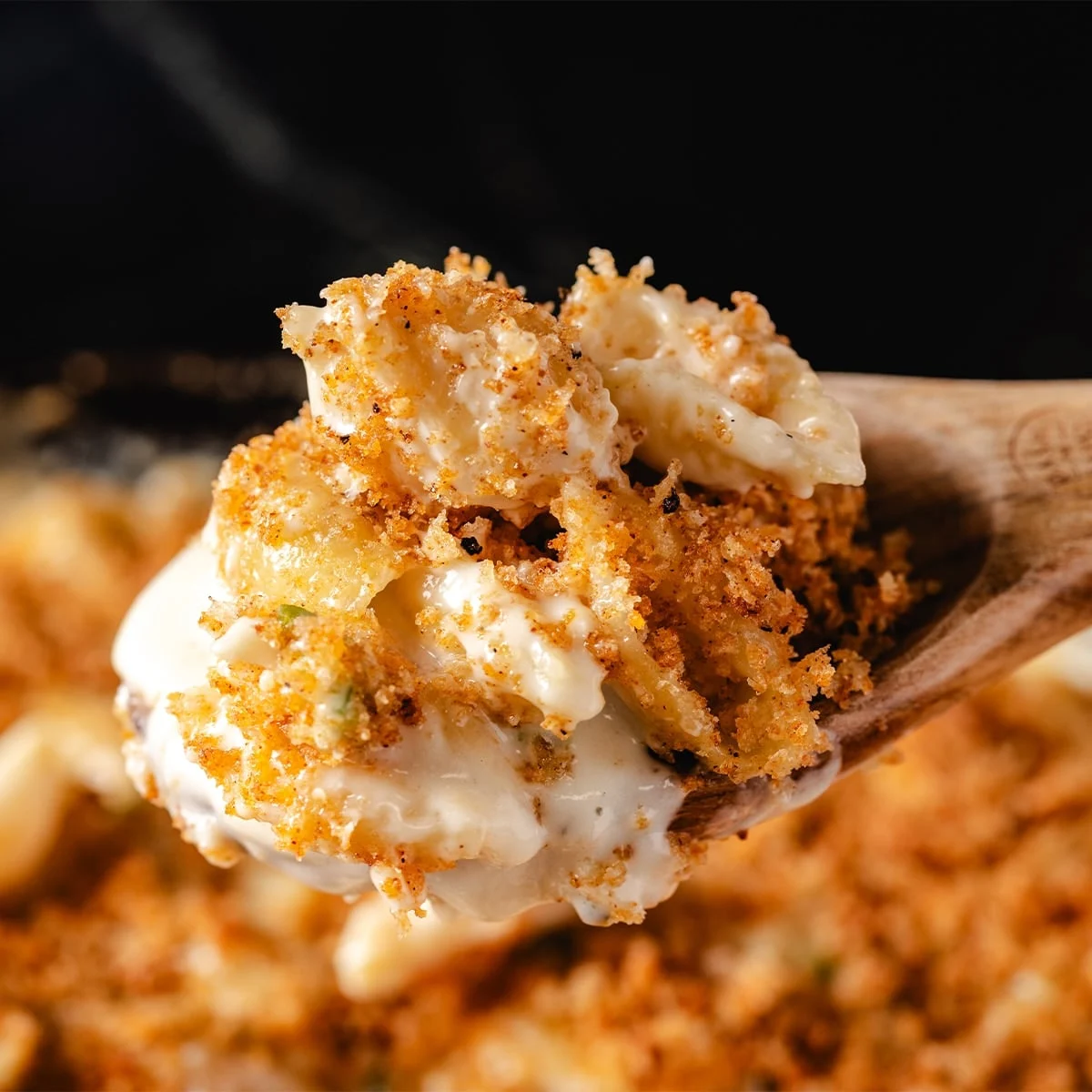
The modern culinary landscape is witnessing a significant shift toward the elevation of traditional comfort foods, as evidenced by the growing popularity of artisanal, wood-fired side dishes. A prominent example of this trend is the Smoked Poblano Shells and White Cheddar, a dish that synthesizes classic American pasta preparation with Southwestern flavor profiles and low-temperature smoking techniques. This recipe represents a departure from processed, shelf-stable alternatives, prioritizing fresh produce, hand-shredded cheeses, and specific thermodynamic cooking environments to achieve a complex flavor profile characterized by mild heat, creamy textures, and aromatic wood smoke.
The Evolution of the Macaroni and Cheese Paradigm
Historically, macaroni and cheese has served as a staple of the American diet, evolving from an elite dish introduced to the United States by Thomas Jefferson to a mass-produced, powdered-cheese product popularized during the Great Depression. However, contemporary consumer preferences are increasingly leaning toward "elevated comfort," where home cooks utilize high-quality fats, aged cheeses, and outdoor cooking appliances to replicate restaurant-quality results.
The Smoked Poblano Shells and White Cheddar dish addresses this demand by replacing dehydrated cheese substitutes with a combination of sharp white cheddar and mozzarella. The inclusion of the poblano pepper—a mild chili originating from the state of Puebla, Mexico—introduces a subtle capsaicin presence that contrasts with the richness of the dairy components. According to culinary analysts, the integration of regional peppers into domestic staples reflects a broader trend of flavor globalization within the domestic kitchen.

Technical Specifications and Ingredient Profile
The success of the dish relies on the specific chemical and physical properties of its constituent parts. The primary components include:
- Pasta Selection: Small shell-shaped pasta (Conchiglie) is utilized for its functional geometry. The concave structure of the shell is designed to encapsulate the maximum volume of viscous cheese sauce, ensuring a consistent ratio of pasta to dairy in every serving.
- Dairy Matrix: The sauce is constructed from a base of whole milk and heavy cream, thickened with a roux of butter and flour. The selection of white cheddar provides a sharp, acidic profile that cuts through the fat, while mozzarella is included for its superior melting properties and "stretch" (elasticity), which is attributed to its high protein-to-fat ratio.
- The Poblano Element: Poblanos (Capsicum annuum) typically measure between 1,000 and 1,500 on the Scoville Heat Scale. When diced and sautéed, they release essential oils that permeate the cheese sauce without overwhelming the palate.
- Fiesta Breadcrumb Topping: A textural contrast is achieved through the application of panko breadcrumbs, melted butter, and a specialized "Fiesta Rub." This topping undergoes a secondary Maillard reaction during the smoking process, resulting in a golden-brown, crispy exterior.
Preparation Chronology and Procedural Standards
The assembly of Smoked Poblano Shells and White Cheddar follows a strict chronological sequence designed to maintain the structural integrity of the pasta while maximizing flavor absorption.
Phase I: Preparation and Sautéing
The process begins with the preparation of the smoker, which must be stabilized at a constant temperature of 225 degrees Fahrenheit (107 degrees Celsius). Simultaneously, the poblano peppers are de-seeded and finely diced. In a large cast-iron skillet or heavy-bottomed pot, the peppers are sautéed in butter until tender. This step is critical as it softens the cellulose walls of the pepper, ensuring a uniform texture within the final dish.
Phase II: The Emulsification of the Sauce
Once the peppers are prepared, the heat is reduced, and a roux is formed by incorporating flour. Whisking in whole milk and heavy cream creates a béchamel base. The introduction of hand-shredded white cheddar and mozzarella occurs gradually. Food scientists note that hand-shredded cheese is preferable to pre-shredded varieties because it lacks anti-caking agents like potato starch or cellulose, which can inhibit a smooth melt and lead to a grainy texture.

Phase III: Integration and Assembly
The pasta is boiled in salted water until it reaches an al dente state. It is then drained and folded into the cheese sauce. Overcooking the pasta during the boiling stage is a common failure point, as the shells will continue to absorb moisture during the smoking phase. The final assembly involves leveling the mixture in a smoker-safe vessel and applying the prepared breadcrumb topping.
Phase IV: The Smoking Process
The dish is placed in the smoker for approximately 45 to 60 minutes. Unlike traditional baking, the goal of this phase is twofold: to facilitate the final thickening of the sauce and to allow the wood smoke to adhere to the surface of the cheese and breadcrumbs. The low temperature of 225 degrees Fahrenheit prevents the fat in the cheese from separating (oiling off) and ensures the pasta remains tender.
Thermodynamic and Flavor Analysis
The application of wood smoke introduces a volatile organic compound profile that cannot be replicated in a standard indoor oven. Depending on the wood species used—such as hickory for a robust flavor or fruitwoods like apple or cherry for a milder finish—the smoke provides a phenolic complexity that complements the sharpness of the white cheddar.
From a thermodynamic perspective, the 225-degree environment is optimal for "low and slow" cooking. This temperature is high enough to keep the dish within the safe zone for food consumption while remaining low enough to prevent the evaporation of all moisture, which would result in a dry, unpalatable texture. The result is a "velvety-smooth" sauce that maintains its viscosity even as it begins to cool.

Nutritional Data and Dietary Implications
A quantitative analysis of the dish reveals a high-caloric density, consistent with premium comfort food categories. Based on standard serving sizes, the nutritional breakdown is as follows:
- Total Calories: 403 kcal
- Total Fat: 26g (Saturated Fat: 15g)
- Carbohydrates: 29g
- Protein: 14g
- Sodium: 364mg
- Vitamin A: 851 IU (primarily derived from the poblano peppers and high-quality butter)
While the dish is high in saturated fats and carbohydrates, it provides a significant source of calcium (262mg) and protein. For consumers monitoring sodium intake, the 364mg per serving is relatively moderate compared to processed boxed versions, which often exceed 800mg per serving due to the use of sodium phosphates and other preservatives.
Market Context and Professional Insights
Susie Bulloch, the founder of Hey Grill Hey and a recognized authority in the outdoor cooking industry, has highlighted the importance of moving away from "powdered packets" in favor of whole ingredients. Bulloch’s approach emphasizes the "nostalgic upgrade," a strategy that takes familiar childhood staples and applies professional-grade techniques to enhance them.
Industry analysts observe that the rise of pellet grills and accessible smoking technology has democratized professional-grade barbecue. Recipes like the Poblano Shells and White Cheddar serve as "entry-point" dishes for novice smokers who may be intimidated by long-duration meat cooks like brisket or pork shoulder but are comfortable with stovetop-to-smoker transitions.

Storage, Reheating, and Longevity
The structural stability of the white cheddar and mozzarella sauce allows for effective refrigeration. According to food safety guidelines, the dish should be stored in an airtight container or a gallon-size zip-top bag and kept at temperatures below 40 degrees Fahrenheit (4 degrees Celsius).
The recommended reheating procedure involves a slow increase in temperature over medium-low heat. This method prevents the protein structures in the cheese from tightening too quickly, which would result in the sauce breaking. Adding a small volume of milk during the reheating process can help restore the original creamy consistency.
Broader Impact on the Culinary Movement
The Smoked Poblano Shells and White Cheddar is more than a singular recipe; it is emblematic of the "backyard gourmet" movement. This movement prioritizes the process of cooking as much as the final product. By requiring the use of a smoker, the recipe encourages social interaction and outdoor engagement, transforming a standard meal into an event.
Furthermore, the integration of poblanos into a cheddar-based dish signals a continuing trend of "fusion comfort," where the boundaries between regional American cuisines—such as Southern soul food and Southwestern Tex-Mex—become increasingly blurred. As more home cooks adopt these techniques, the reliance on industrial, pre-packaged food continues to decline in favor of artisanal, home-smoked alternatives.

In conclusion, the Smoked Poblano Shells and White Cheddar represents a sophisticated evolution of a classic dish. Through the careful selection of high-melting-point cheeses, the strategic use of mild chili peppers, and the precise application of low-temperature wood smoke, this dish offers a multi-sensory experience that aligns with modern culinary standards for quality, texture, and flavor complexity. It stands as a testament to the fact that even the simplest staples can be transformed into high-tier culinary offerings through technical precision and the use of fresh, whole ingredients.
