

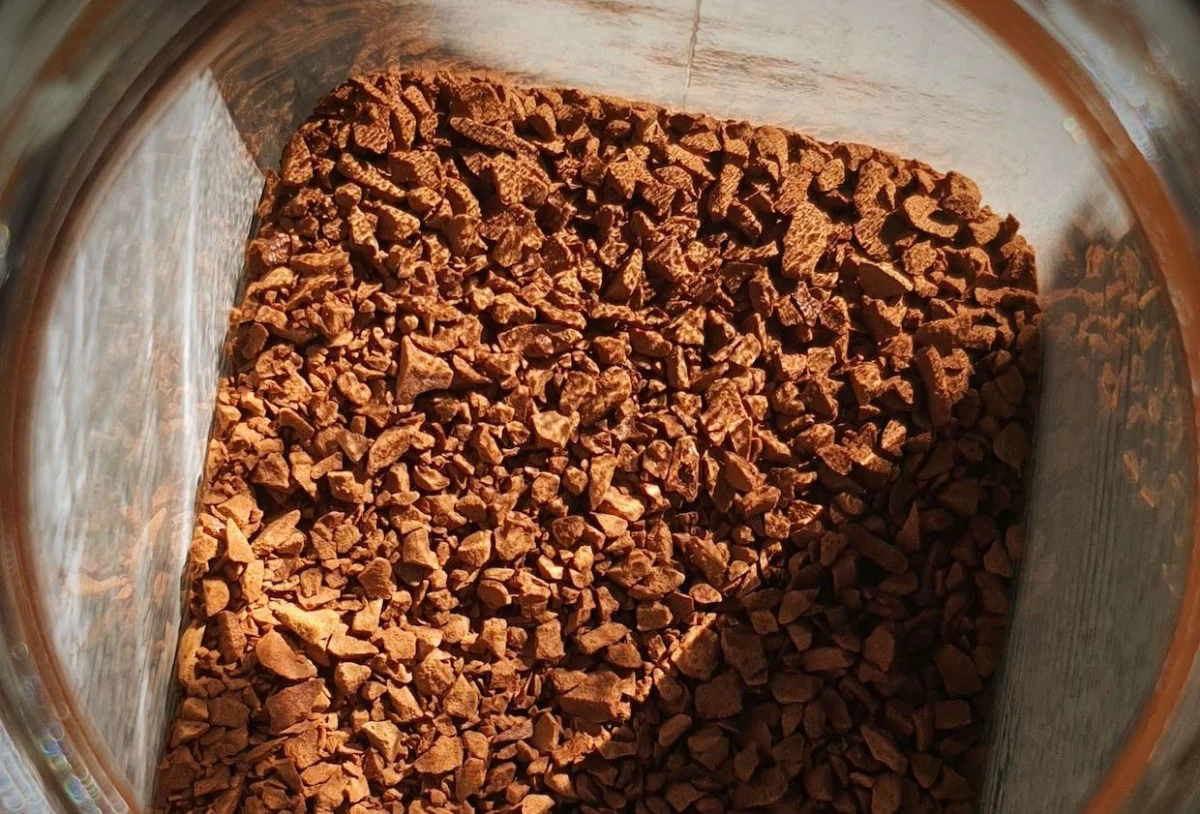
The European Commission has officially incorporated soluble coffee into the scope of its groundbreaking deforestation-free supply chains law, the EU Deforestation Regulation (EUDR). This pivotal decision, formalized through a recently adopted act, rectifies a significant legislative oversight and aims to bolster the regulation’s effectiveness in combating global deforestation driven by agricultural commodity production. Previously, while green and roasted coffee were subject to the EUDR, soluble coffee, encompassing instant coffee and coffee extracts, remained outside its purview, creating a potential loophole for deforestation-linked products to enter the European market.
The inclusion of soluble coffee, a processed coffee product, addresses concerns that the exclusion might inadvertently shift deforestation risks to more processed goods. The European Coffee Federation (ECF) has been a vocal proponent of this expansion, advocating for the inclusion of soluble coffee to ensure "fair competitive conditions within the internal market" and to align the entire coffee supply chain under the EUDR’s rigorous traceability and due diligence requirements. This move by the Commission not only strengthens the EUDR but also signifies a commitment to a more comprehensive and cohesive approach to tackling deforestation.
The EUDR: A Bold Stride Against Deforestation
The EUDR, which entered into force in June 2023, represents a landmark piece of legislation designed to prevent the sale of commodities and products linked to deforestation and forest degradation in the European Union. The regulation mandates that companies placing relevant commodities onto the EU market or exporting them from the EU must conduct thorough due diligence to ensure that these products are deforestation-free and produced in accordance with the laws of the country of origin. This includes verifying that the commodities have not been grown on land deforested after December 29, 2020, and are not associated with land use change.
The initial scope of the EUDR covered seven key commodities: cattle, cocoa, coffee, palm oil, soya, timber, and rubber. However, the legislation provided for the potential expansion of its scope to include other commodities and to refine the definitions of existing ones. The recent decision to include soluble coffee marks the first significant amendment to the product list since the regulation’s initial adoption, demonstrating the Commission’s responsiveness to evolving market dynamics and industry feedback.
Soluble Coffee: The Link to Robusta and Deforestation Concerns
The primary raw material for soluble coffee is often robusta beans. While arabica coffee production has also faced scrutiny, robusta cultivation, particularly in major producing countries, has been increasingly associated with intensified agricultural practices that can lead to deforestation. Reports have highlighted how the expansion of full-sun monocrop cultivation for robusta, driven by global demand and often incentivized by price fluctuations, can put pressure on forest ecosystems.
Six countries dominate global robusta production, accounting for approximately 95% of the world’s output: Vietnam, Brazil, Indonesia, Uganda, India, and Côte d’Ivoire. Vietnam, in particular, is the world’s largest producer of robusta, and its coffee sector has experienced significant growth. However, this boom has also raised environmental concerns, with reports suggesting a link between expanded robusta cultivation and deforestation in some regions. The inclusion of soluble coffee under the EUDR means that the supply chains for these products originating from these key robusta-producing nations will now be subject to the same stringent deforestation-free verification requirements as green and roasted coffee.
A Cohesive Market and Industry Alignment
The European Coffee Federation’s proactive stance on integrating soluble coffee into the EUDR underscores the industry’s commitment to sustainability and its desire for a level playing field. By urging the Commission to include soluble coffee, the ECF aimed to prevent competitive disadvantages for companies already compliant with the regulation for other coffee products. The Federation’s public position highlighted the need for a unified approach to ensure that all coffee products traded within the EU adhere to the same environmental standards.
The decision to close this legislative gap is seen as a crucial step in ensuring that the EUDR effectively prevents deforestation throughout the entire coffee value chain. Without the inclusion of soluble coffee, there was a risk that importers might shift towards sourcing more processed coffee products from regions with weaker environmental regulations, thereby undermining the EUDR’s core objectives.
Broader Revisions and Industry Wins
Beyond the significant inclusion of soluble coffee, the European Commission’s updated act also brought about other notable changes to the EUDR’s scope. In a development that will be welcomed by the European leather industry, cattle hides, skins, and leather have been removed from the list of covered products. This decision follows more than a year of lobbying by the industry, which argued that these products are by-products of the meat industry and do not contribute significantly to deforestation.
Other products that were removed from the initial proposals include soybeans intended for sowing and retreaded tires. These adjustments reflect the Commission’s ongoing process of refining the EUDR’s scope based on scientific evidence, risk assessments, and stakeholder consultations. The aim is to ensure that the regulation targets the most impactful commodities while minimizing undue burdens on industries that demonstrate low deforestation risk.
Streamlining Compliance and Adapting Timelines
Recognizing the complexity of implementing such a comprehensive regulation, the European Commission has also focused on enhancing the tools and processes available to businesses. The Commission announced an update to its EUDR Information System, designed to simplify the reporting and compliance procedures for European companies. This includes providing clear guidance, standardized reporting formats, and improved digital tools to facilitate due diligence processes, such as geographical tracking and traceability of commodities.
The implementation timeline for the EUDR has also seen adjustments. EU institutions have twice amended the regulation’s schedule, introducing delays and simplification measures to allow businesses, particularly small and medium-sized enterprises (SMEs), sufficient time to adapt. The regulation is currently scheduled to become applicable from December 30, 2026, for large and medium-sized operators. A grace period extends to June 30, 2027, for most micro and small operators.
However, the specific provisions for coffee, including extracts, essences, and concentrates like soluble coffee, will enter into force at a later date. The coffee code, as defined by the regulation, will not be subject to the EUDR until December 30, 2027. This staggered approach allows for a more focused and manageable implementation process for each commodity group, enabling businesses and authorities to build capacity and refine systems incrementally.
Implications and Future Outlook
The inclusion of soluble coffee in the EUDR marks a significant step towards a more comprehensive and effective global strategy against deforestation. It sends a clear signal to producers and traders worldwide that the European market will no longer tolerate products linked to forest destruction, regardless of their processing level.
For the coffee industry, this means increased scrutiny of supply chains, particularly for robusta beans. Companies will need to enhance their traceability systems to accurately map the origin of their beans and demonstrate that they have not been sourced from land deforested after the specified cut-off date. This will likely drive further investment in sustainable farming practices, agroforestry initiatives, and robust monitoring technologies in major coffee-producing regions.
The EUDR’s expansion to include soluble coffee also highlights the evolving nature of environmental regulations. As scientific understanding grows and market practices shift, such legislation will continue to adapt. The success of the EUDR will hinge on continued collaboration between the European Commission, industry stakeholders, producer countries, and civil society organizations to ensure effective implementation, robust enforcement, and meaningful impact on global forest conservation efforts. The journey towards deforestation-free supply chains is complex, but the EUDR’s latest amendment signifies a determined stride forward, encompassing a wider array of products and reinforcing the EU’s commitment to a sustainable global economy.
