

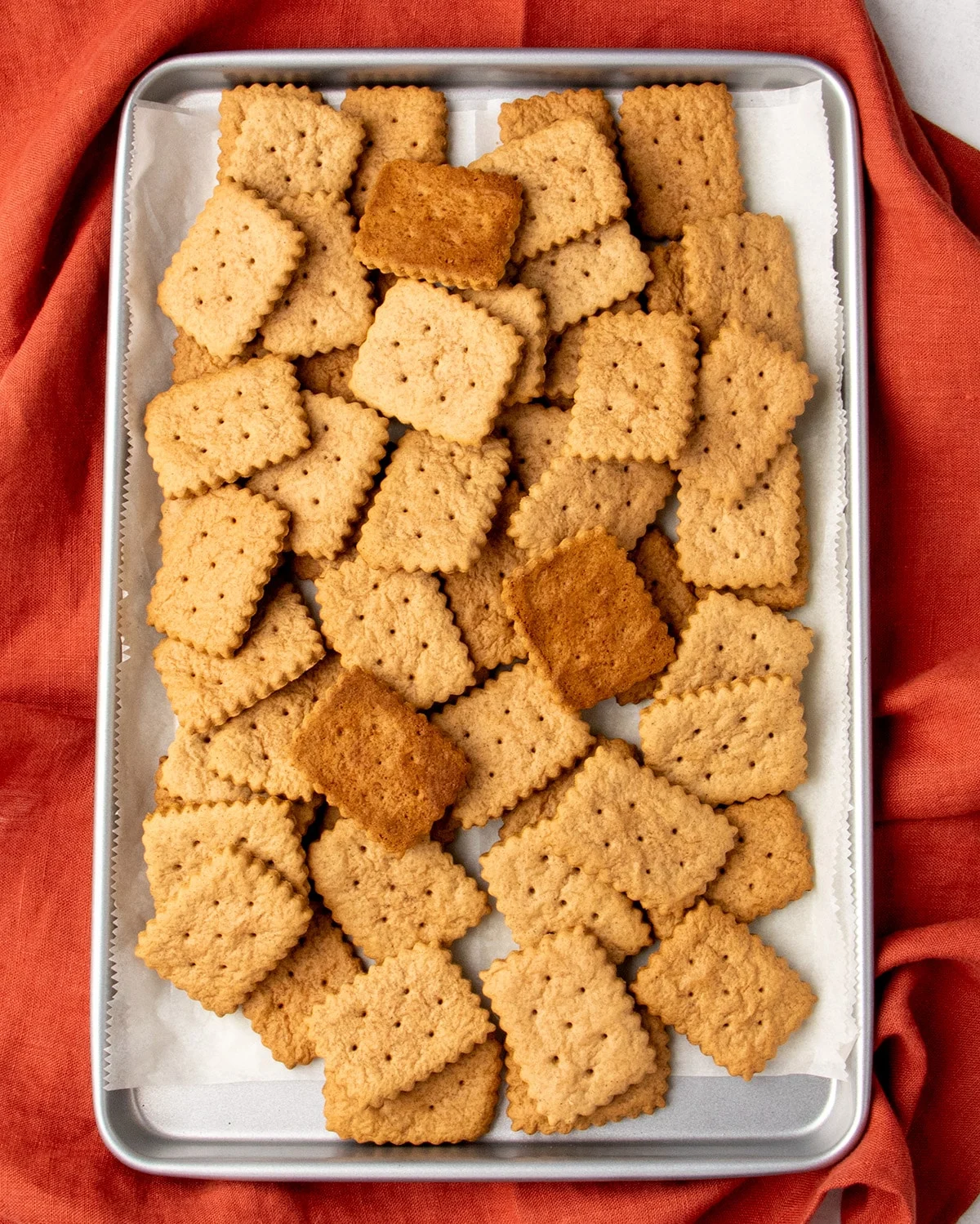
A growing demand for gluten-free alternatives to popular treats has inspired home bakers to recreate beloved classics. Among these, the iconic Biscoff cookie, known for its distinct caramelized brown sugar flavor and warm spice notes, has become a target for gluten-free adaptation. While Lotus Bakeries, the producer of Biscoff, has yet to release an official gluten-free version, resourceful bakers are now able to achieve the authentic taste and texture in their own kitchens. This recipe offers a detailed guide to crafting these thin, crisp, and deeply spiced cookies, proving that gluten-free baking can indeed rival its traditional counterpart.
The appeal of Biscoff cookies lies in their unique flavor profile, a sophisticated balance of sweetness and spice. This is achieved through a combination of brown and white sugars, enhanced by the natural caramelization process, and a carefully curated blend of warm spices. These elements work in harmony to create a complex taste that is both comforting and distinctive, without being overly sweet. For individuals managing gluten sensitivities or celiac disease, the absence of such treats from the market has created a void that homemade recipes are now filling with remarkable success.
The Science Behind the Crisp: Why This Recipe Works
The success of this gluten-free Biscoff cookie recipe can be attributed to several key factors that address common challenges in gluten-free baking. Firstly, the flavor development is paramount. The recipe meticulously combines brown and white sugars, along with a touch of honey, to foster a deep, caramelized essence. This careful layering of sweetness and the inherent flavor of molasses in brown sugar mimics the signature taste of traditional Biscoff.
Beyond flavor, the textural integrity of a crisp cookie is crucial. This recipe excels by employing a one-bowl method that requires no chilling of the dough. This is a significant advantage, as gluten-free doughs can sometimes become brittle or difficult to handle when chilled. Instead, this formulation results in a smooth, workable dough that can be rolled out thinly and cut cleanly, facilitating the creation of the familiar rectangular shape. The absence of eggs further contributes to the cookie’s crispness and shelf stability.
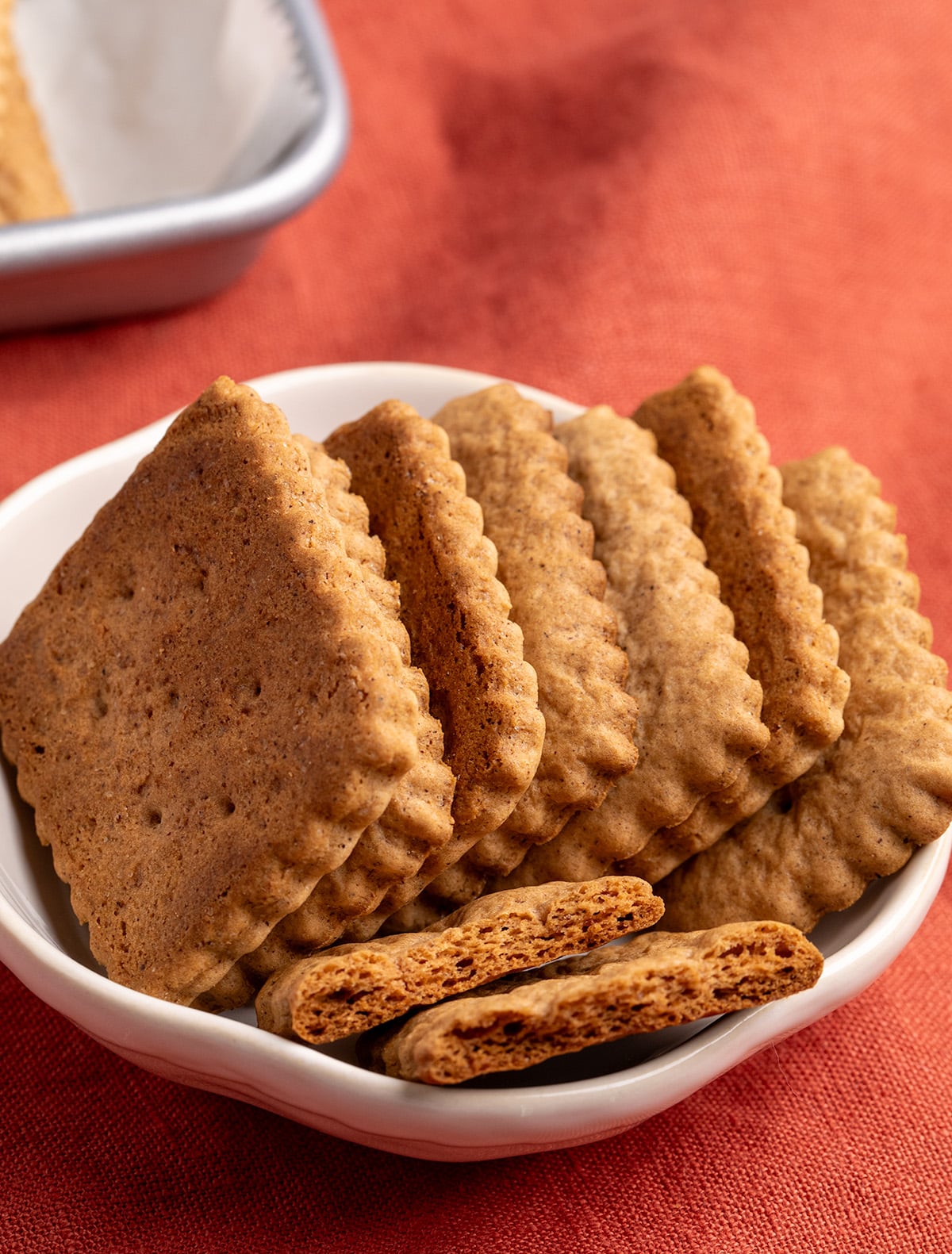
The baking process itself is optimized for a thin cookie. By rolling the dough to a uniform 1/8-inch thickness and incorporating small perforations on the surface, the cookies are designed to bake evenly. These small holes allow steam to escape, preventing uneven puffing and ensuring a consistent, golden-brown finish. As the cookies cool, they achieve their signature crisp texture, making them indistinguishable from their gluten-containing counterparts to the untrained palate.
Key Ingredients for Authentic Gluten-Free Biscoff Flavor
The creation of these gluten-free Biscoff cookies hinges on the precise combination of ingredients, each playing a vital role in achieving the desired flavor and texture. A comprehensive understanding of these components empowers bakers to make informed substitutions and troubleshoot any potential issues.
-
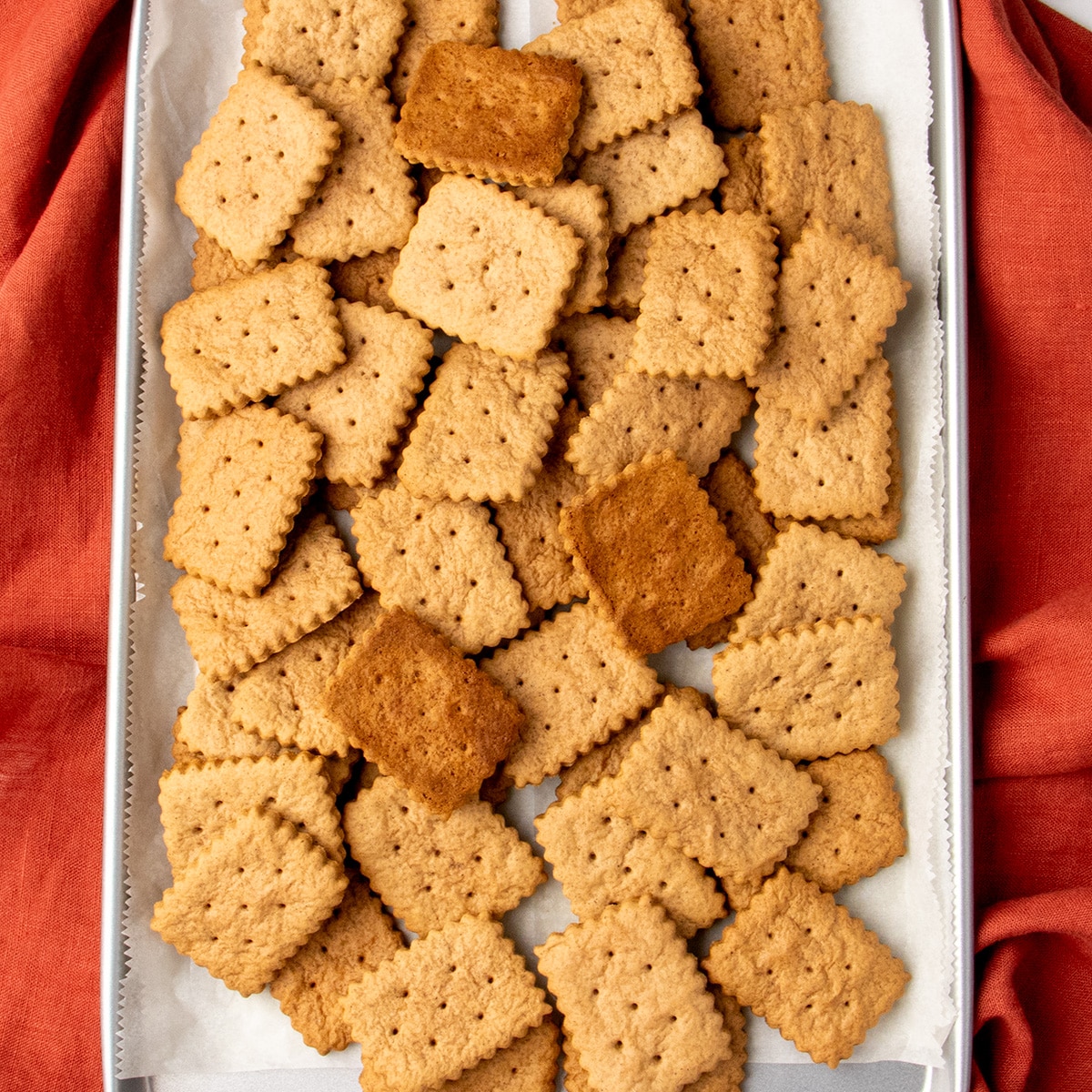
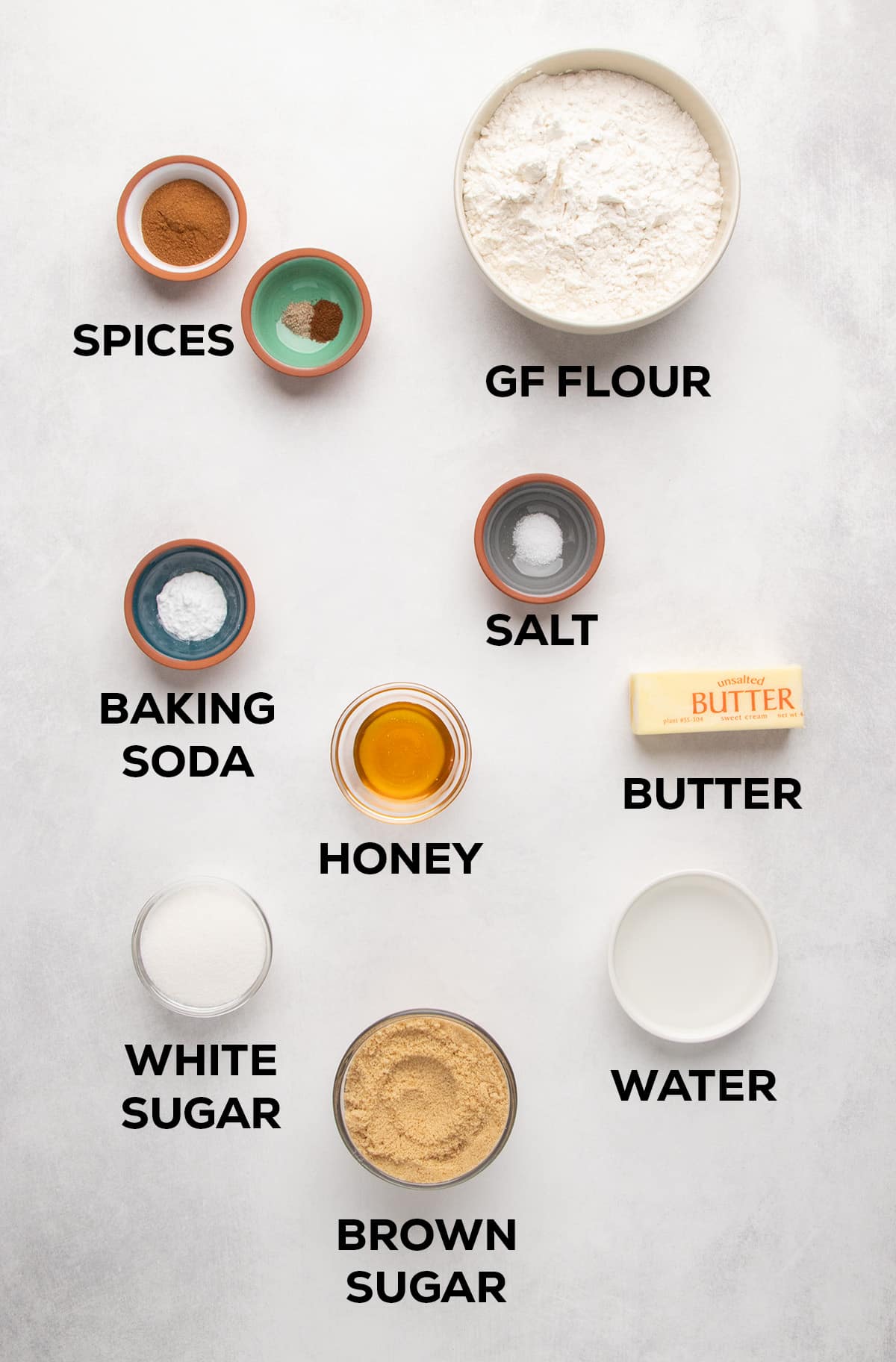
Gluten-Free Flour Blend: The foundation of any gluten-free baked good, the flour blend is critical. The recipe specifically recommends using a blend like Better Batter’s Original All-Purpose or Nicole’s Best Multipurpose, ensuring it contains xanthan gum. If using a blend like Bob’s Red Mill 1-to-1, an additional 1/4 teaspoon of xanthan gum is advised to ensure adequate binding. Xanthan gum acts as a binder, mimicking the elasticity that gluten provides in traditional baking, thus preventing the cookies from crumbling.
-
Sugars: Both granulated white sugar and light brown sugar are essential. The white sugar provides sweetness and contributes to crispness, while the light brown sugar, with its molasses content, is key to the characteristic caramelized flavor and a slightly chewy interior before crisping. The interplay between these two sugars is fundamental to replicating the Biscoff taste.
-
Honey: A small amount of honey adds another layer of depth to the caramelization process and contributes a subtle, complex sweetness. It also aids in moisture retention, ensuring the cookies remain crisp rather than stale.
-
Butter: Unsalted butter forms the fat base of the cookie, contributing to richness and tenderness. When cut into small pieces and incorporated into the dry ingredients, it creates pockets that help achieve a tender crumb and facilitate the baking process.
-
Spices: The signature spice blend is what truly defines Biscoff cookies. The recipe calls for a combination of cinnamon, nutmeg, allspice, cardamom, and cloves.
- Cinnamon: Provides a warm, sweet, and slightly woody flavor.
- Nutmeg: Adds a warm, nutty, and slightly sweet aroma and taste.
- Allspice: Offers a complex flavor profile reminiscent of cinnamon, cloves, and nutmeg.
- Cardamom: Contributes a fragrant, slightly citrusy, and floral note, adding an exotic complexity.
- Cloves: Delivers a pungent, warm, and slightly bitter flavor that balances the sweetness.
This specific combination is crucial for replicating the authentic Biscoff experience. For those seeking a simpler approach, 2 teaspoons of apple pie spice can serve as a suitable substitute for the cinnamon, nutmeg, and allspice.
-
Baking Soda: This leavening agent reacts with the acidic components in the dough (such as brown sugar) to produce carbon dioxide gas, which helps the cookies rise slightly and achieve a lighter texture.
-
Salt: Enhances the overall flavor profile, balancing the sweetness and bringing out the nuances of the spices.
-
Water: Used sparingly, water helps to bring the dough together into a cohesive mass, ensuring all ingredients are properly hydrated.
Mastering the Method: Step-by-Step Gluten-Free Biscoff Cookie Creation
The process of making these gluten-free Biscoff cookies is designed for simplicity and efficiency, allowing home bakers of all skill levels to achieve impressive results.
Step 1: Combining Dry Ingredients
Begin by thoroughly whisking together the gluten-free flour blend, xanthan gum (if not already in the blend), all the spices, salt, baking soda, granulated sugar, and brown sugar in a large bowl. This initial step is crucial for ensuring that the leavening agents and spices are evenly distributed, preventing any localized pockets of bitterness or uneven flavor. A uniform base is the first step towards a consistently delicious cookie.
Step 2: Incorporating the Butter
Add the cubed unsalted butter to the dry ingredients. Toss the butter with the dry mixture to ensure each piece is lightly coated. This prevents the butter from clumping together. Using the tines of a fork or the back of a mixing spoon, work the butter into the dry ingredients until the mixture resembles coarse, sandy crumbs. This process, known as "cutting in," creates small pieces of butter that will melt during baking, contributing to the cookie’s texture.
Step 3: Introducing the Wet Ingredients
Pour in 1/4 cup of water and 1 tablespoon of honey. Mix these wet ingredients into the dry mixture until a cohesive, light brown cookie dough begins to form. If any dry spots persist, add additional water, a drop at a time, until the dough just comes together. The ideal consistency is a thick, soft dough that holds its shape when squeezed but is not overly sticky. This is analogous to the technique used for creating a workable gluten-free pie crust, emphasizing moisture balance.
Step 4: Rolling the Dough to Perfection
Divide the dough in half to make it more manageable. Lightly flour your work surface and the top of the dough as needed to prevent sticking. Using a rolling pin, carefully roll out one half of the dough to an even thickness of approximately 1/8 inch. Achieving a uniform thickness is paramount for even baking and preventing burnt edges or undercooked centers.
Step 5: Assessing Dough Consistency
A crucial indicator of dough readiness is its pliability. If the edges of the dough feel too fragile and tear easily when lifted, it may indicate that the dough is too wet. This can lead to cookies that spread excessively during baking and do not achieve the desired crispness. To rectify this, sprinkle about 1 tablespoon of additional flour over the dough, fold it gently, and re-roll. This subtle adjustment can significantly improve the final texture.
Step 6: Precision Cutting of Shapes
Utilize a cookie cutter measuring approximately 2 1/2 inches by 1 1/2 inches to cut out uniform rectangles from the rolled-out dough. If such a cutter is unavailable, a pastry wheel or pizza cutter can be used to create rectangular shapes. A scalloped-edge pastry cutter can add an aesthetically pleasing touch. Carefully peel away the excess dough from around the cutouts. This excess dough can be gathered and re-rolled to maximize yield.
Step 7: Strategic Placement on Baking Sheets
Arrange the cut cookie shapes onto parchment-lined baking sheets, spacing them about 1/2 inch apart. These cookies do not spread significantly during baking, so this spacing ensures they bake evenly without touching. If the cutouts appear delicate, an offset spatula can be used to carefully transfer them to the baking sheet, minimizing any distortion.
Step 8: Perforating for Even Baking
Using a toothpick, gently poke 5 to 6 small holes into the top of each cookie. This step is vital for allowing steam to escape during baking, promoting even rising and preventing the cookies from puffing up unevenly. Some cookie cutters may have built-in perforations, but a toothpick is a reliable alternative.
Step 9: The Baking Transformation
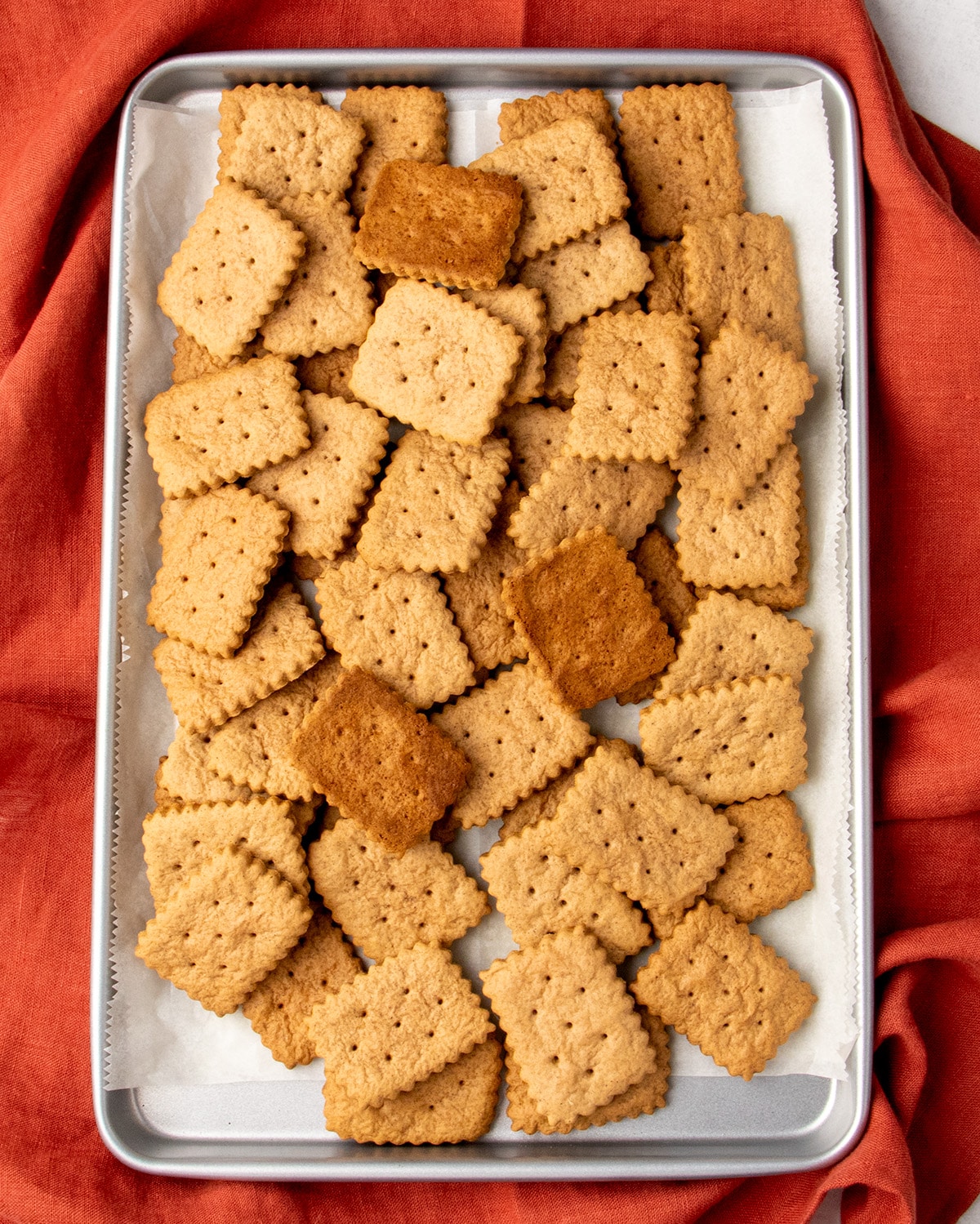
Bake the cookies one baking sheet at a time in a preheated oven at 350°F (175°C) for approximately 15 minutes. The cookies are ready when they are mostly firm to the touch and have achieved a golden-brown hue. It’s important to note that the cookies may appear slightly lighter in color after baking, but they should not show signs of burning on the bottoms. Even rolling is the key to preventing uneven browning.
Adaptations and Substitutions for Dietary Needs
Recognizing that dietary needs extend beyond gluten-free, this recipe offers several adaptable substitutions to accommodate common allergens.
Dairy-Free Modifications
For those avoiding dairy, the unsalted butter can be replaced with a block-style vegan butter alternative. Brands such as Miyoko’s or Melt are suitable options. However, it is important to note that vegan butter alternatives may not yield the same level of crispness as dairy butter. Virgin coconut oil, which is solid at cooler room temperatures, or Spectrum brand vegetable shortening can also be used. These alternatives may require a slight adjustment in the amount of water added, as they lack the inherent water content of butter.
Honey Alternatives
While honey contributes a unique flavor complexity, maple syrup can be used as a substitute. However, when using maple syrup, a slight reduction in the amount of water may be necessary to maintain the correct dough consistency.
Spice Variations
The specific spice blend is integral to the Biscoff flavor. For those who may not have all the individual spices, using 2 teaspoons of apple pie spice in place of the cinnamon, nutmeg, and allspice can provide a similar warm flavor profile. While cardamom and cloves add significant depth, they can be omitted if unavailable. In their place, an additional 1/4 teaspoon of apple pie spice can be added.
Storage and Preservation of Crispness
Proper storage is essential to maintain the crisp texture of these homemade gluten-free Biscoff cookies.
Room Temperature Storage: Once completely cooled, store the cookies in a sealed glass container at room temperature. Glass containers are preferred over plastic, as plastic is porous and can allow moisture from the air to penetrate, compromising the cookies’ crispness. When stored correctly, these cookies can maintain their delightful texture for approximately two weeks.
Freezing for Extended Storage: For longer-term preservation, the cookies can be frozen for up to three months. While freezing can sometimes lead to a slight loss of crispness upon thawing, it is a viable option for maintaining freshness. To minimize this effect, it is recommended to freeze the cookies in tempered glass containers, ensuring there is adequate headspace to accommodate any expansion during the freezing process.
Transforming Cookies into a Spread: A Biscoff-Inspired Dip
A delightful extension of this recipe is the ability to create a homemade gluten-free Biscoff spread. This requires approximately 5 ounces of the baked cookies (roughly 18 cookies of the specified size, or one-quarter of the batch).
To make the spread, grind the cookies into fine crumbs in a blender or food processor. Add 2 tablespoons of packed light brown sugar, a pinch of baking soda, a pinch of salt, 1 tablespoon of tapioca starch, and 6 tablespoons of melted Spectrum nonhydrogenated vegetable shortening. Process the mixture for about three minutes, or until it achieves a smooth consistency.
Transfer the spread to an airtight container and allow it to cool uncovered at room temperature for approximately 30 minutes, until no longer warm. Once cooled, cover the container and store at room temperature for about two hours until firm. The spread will harden if refrigerated, but will soften again upon returning to room temperature.
Nutritional Considerations
(Nutrition information is automatically calculated and should be used as an approximation.)
Per cookie (approximate):
- Calories: 37 kcal
- Carbohydrates: 7g
- Protein: 0.2g
- Fat: 1g
- Saturated Fat: 1g
- Sugar: 3g
The development of this gluten-free Biscoff cookie recipe represents a significant stride in accessible gluten-free baking. It addresses the common desire for authentic flavor and texture in beloved treats, empowering individuals with dietary restrictions to enjoy the same nostalgic taste experiences. The meticulous attention to ingredient ratios, baking techniques, and substitution options ensures that this recipe is not just a functional alternative, but a truly delicious recreation of a classic.
