

The Food Network has expanded its culinary competition lineup with the premiere of Pitmasters, a series that pushes the boundaries of traditional barbecue by tasking elite pitmasters with open-fire cooking in remote, environmentally challenging locations. The inaugural episode features nine teams of two, including prominent barbecue influencers and educators Susie Bulloch, founder of Hey Grill Hey, and Christie Vanover, creator of Girls Can Grill. Over a grueling seven-day production cycle, these competitors are subjected to the rigors of high-altitude cooking, fluctuating weather conditions, and the scrutiny of a panel of legendary culinary figures.
The show’s format departs from standard kitchen-based competitions by removing modern conveniences. Teams are situated in a wilderness setting where they must manage heat, wind, and elevation while maintaining the precise temperatures required for low-and-slow barbecue. The premiere episode established a high-stakes environment with two distinct challenges: the "Big Burn," a ten-hour marathon focused on protein and side-dish composition, and the "Flash Burn," a high-intensity, one-hour sprint requiring a single, perfect bite of food.
Technical Demands of High-Altitude Barbecue
The competition’s location introduced significant variables into the cooking process, most notably atmospheric pressure and oxygen levels. At high elevations, the boiling point of water is lower, and the air is drier, which can accelerate the evaporation of moisture from meat. This phenomenon often leads to a prolonged "stall"—the period during which the internal temperature of the meat plateaus as evaporative cooling offsets the heat of the fire.
For Bulloch and Vanover, these conditions became a central narrative during the preparation of their pork belly burnt ends. The pork belly, a cut known for its high fat content and collagen, requires consistent heat to render properly. When the meat failed to progress through the stall, the team utilized the "Texas Crutch" method—wrapping the protein in foil to trap moisture and heat—to ensure the dish reached the necessary tenderness within the ten-hour window. This technical pivot highlights the adaptability required in professional barbecue, where environmental mastery is as critical as flavor development.

The Flash Burn: A Study in Fusion and Flavor Density
The "Flash Burn" challenge serves as a test of a pitmaster’s ability to condense complex flavor profiles into a single mouthful. With only sixty minutes to execute, the challenge mirrors the judging process of the Kansas City Barbeque Society (KCBS) and other sanctioning bodies, where judges often make determinations based on a single sample.
Bulloch and Vanover presented a "Buffalo Chicken Lumpia," a dish that integrated traditional Filipino techniques with American barbecue staples. The choice of lumpia—a thin, savory spring roll—was an homage to Vanover’s family heritage, while the Buffalo chicken element referenced Bulloch’s popular backyard grilling recipes. The preparation involved searing chicken thighs on planchas over an open flame before hand-rolling them into lumpia wrappers and frying them in a Dutch oven placed directly over hot coals.
The dish was evaluated by a judging panel consisting of Andrew Zimmern, Big Moe Cason, Ernest Servantes, and Jess Pryles. Zimmern, known for his rigorous standards and "Bizarre Foods" expertise, initially expressed skepticism regarding the fusion concept but ultimately praised the execution. The success of the Buffalo Chicken Lumpia underscored a broader trend in the barbecue industry: the move toward "Global BBQ," which incorporates international spices and structures into the traditional smoke-heavy framework of the American South and West.
The Big Burn: Executing the Ten-Hour Menu
The primary challenge of the episode, the "Big Burn," required teams to deliver two proteins and at least one side dish. This segment of the competition is designed to test endurance and the ability to manage multiple fire zones simultaneously.
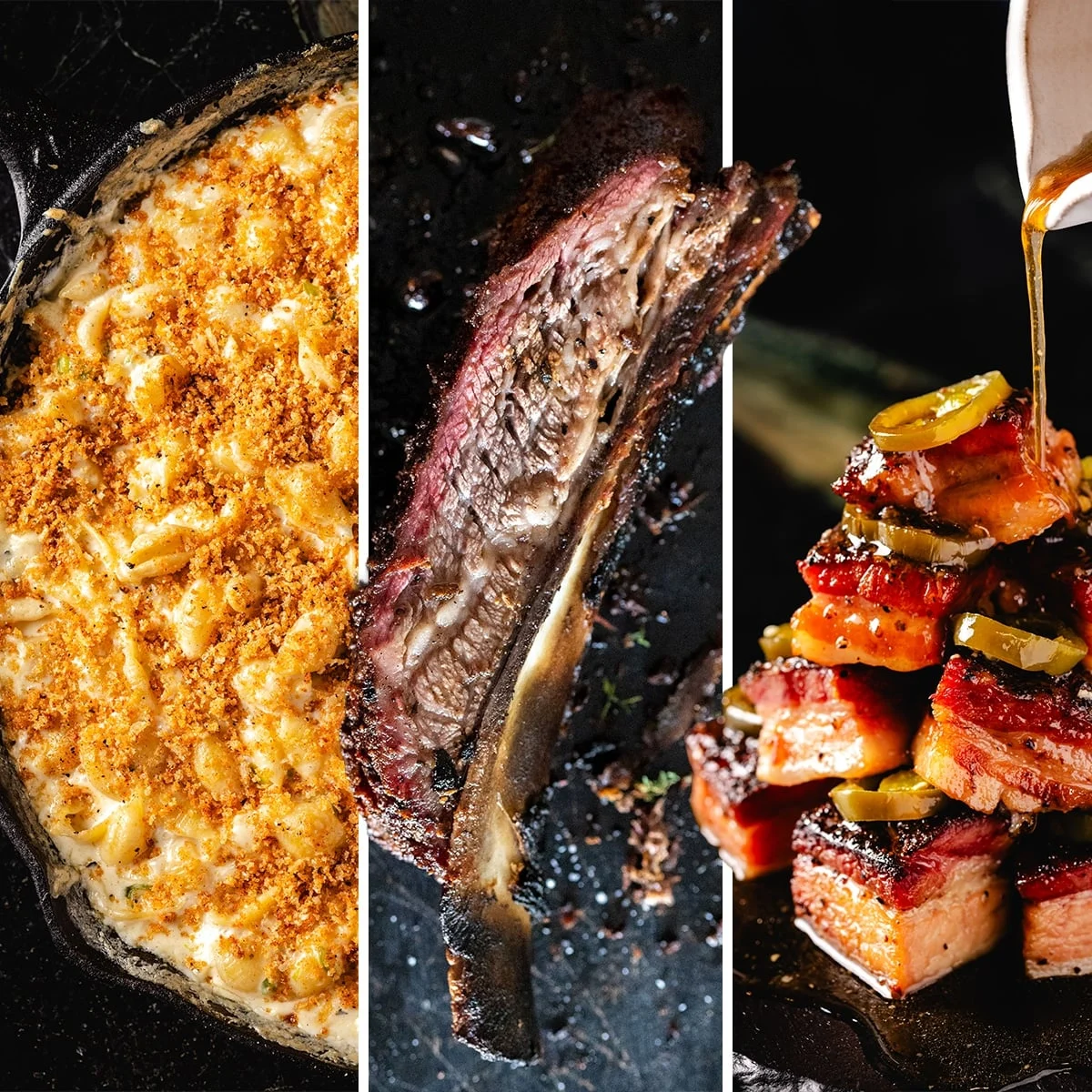
Bulloch’s contribution to the menu focused on Candied Jalapeño Pork Belly Burnt Ends and a Smoked Poblano Shells and White Cheddar Macaroni. The burnt ends were seasoned to provide a balance of sweetness and heat, utilizing a "candy" glaze that has become a hallmark of the Hey Grill Hey brand. The side dish utilized extra sharp white cheddar and smoked gouda, with the addition of smoked poblanos to provide an earthy, mild heat that complemented the richness of the cheese.

Vanover executed "Dino Ribs," or beef plate short ribs, which are considered one of the most difficult cuts to master due to their size and the time required to break down the connective tissue. Using her signature brisket rub, Vanover cooked the ribs low and slow until they reached a "probe-tender" state. To add a textural contrast, she sliced portions of the rib meat into medallions and seared them on a plancha. The inclusion of a bright spinach salad served as a necessary acidic component to cut through the heavy fats of the beef and pork.
The Judging Panel and Competitive Atmosphere
The selection of judges for Pitmasters reflects the Food Network’s intent to provide a comprehensive critique of the contestants’ work.
- Andrew Zimmern: An Emmy-winning personality with a deep understanding of global culinary traditions.
- Big Moe Cason: A Navy veteran and legendary pitmaster known for his mastery of traditional wood-fired BBQ.
- Ernest Servantes: A "Chopped" champion and competitive pitmaster with a reputation for bold, innovative flavors.
- Jess Pryles: A live-fire cook and co-founder of the Hardcore Carnivore brand, specializing in the science of meat.
The judging process was conducted outdoors, often extending late into the night. Reports from the set indicate that temperatures dropped significantly after sunset, forcing contestants and judges alike to endure extreme cold while the food was being evaluated. This physical toll adds a layer of "survival" to the culinary competition, distinguishing Pitmasters from studio-bound programs.
Industry Implications and the Rise of Female Pitmasters
The participation of Bulloch and Vanover is significant within the context of the barbecue industry, which has historically been male-dominated. Both women have built substantial digital empires—Hey Grill Hey and Girls Can Grill—by demystifying the grilling process for millions of backyard enthusiasts. Their transition from digital educators to televised competitors reflects the growing influence of social media personalities in the mainstream culinary world.
According to industry data, the outdoor cooking market has seen a steady increase in female participation over the last decade. Brands like Traeger and Weber have noted a shift in demographics, with more women taking the lead in outdoor meal preparation. The visibility of Bulloch and Vanover on a platform like the Food Network serves to further normalize and encourage this trend, positioning barbecue as an inclusive culinary discipline.

Broader Cultural Impact of Barbecue Media
Pitmasters arrives at a time when barbecue culture is experiencing a renaissance. What was once a regional American craft has become a global phenomenon, with high-end barbecue restaurants opening in cities like London, Tokyo, and Paris. This global interest is fueled by media representation that emphasizes the "craft" aspect of the sport—the selection of wood, the chemistry of the smoke, and the patience required for the perfect bark.
The show also highlights the economic impact of the barbecue lifestyle. Many of the tools and ingredients used on the show—such as Bulloch’s "Pitmaster Gloves" and Vanover’s "Brisket Rub"—are part of successful commercial lines. The "lifestyle brand" model has become a primary revenue driver for modern chefs, and Pitmasters provides a high-visibility showroom for these products.
Conclusion and Future Outlook
While the results of the first episode remain a point of intrigue for viewers, the premiere has successfully established the tone for the season: one of technical difficulty, environmental endurance, and culinary creativity. Pitmasters is not merely a cooking show; it is an exploration of how humans interact with the most primal of cooking elements—fire—under modern competitive pressure.
As the season progresses, viewers can expect increasingly complex challenges that will likely involve whole-hog cooks, wild game, and more extreme weather scenarios. For Susie Bulloch and Christie Vanover, the competition is a validation of their years of expertise in the "backyard" arena, proving that the skills required to run a successful culinary website are the same skills needed to compete at the highest professional level.
New episodes of Pitmasters air weekly on the Food Network, with streaming availability on Discovery+. The series is expected to be a cornerstone of the network’s summer programming, tapping into the seasonal peak of American outdoor cooking.
