

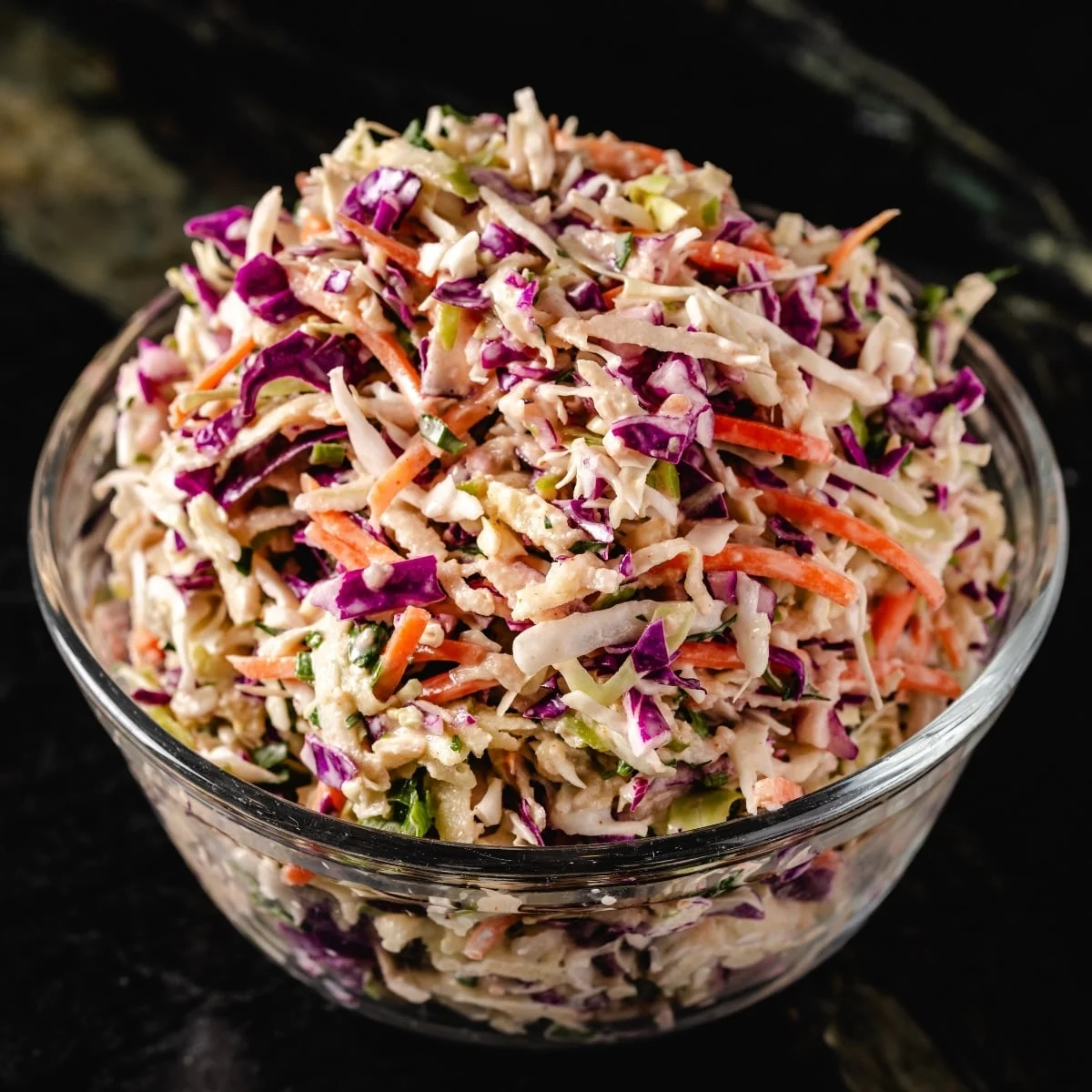
The culinary landscape of American barbecue is undergoing a significant shift as traditional side dishes are reimagined to provide complex flavor profiles that complement modern smoking techniques. A prominent example of this evolution is the Homemade Apple Slaw, a dish that integrates the tartness of Granny Smith apples with the foundational elements of classic coleslaw. This recipe, developed by culinary expert and "Hey Grill Hey" founder Susie Bulloch, seeks to address a common critique of traditional barbecue sides: the tendency toward a singular, often overly sweet or excessively creamy, flavor note. By introducing high-acid fruit and a specialized dry rub into the dressing, the dish provides a functional culinary purpose, cutting through the heavy fats and proteins typical of smoked pork and poultry.
Culinary Foundations and Flavor Theory
The Homemade Apple Slaw is built upon a foundation of shredded cabbage and carrots, but its primary differentiator is the inclusion of Granny Smith apples. From a gastronomic perspective, the choice of the Granny Smith variety is strategic. These apples possess a high level of acidity and a firm cellular structure that resists breaking down when exposed to the salt and vinegar present in slaw dressings. This ensures that the slaw maintains a "crunch" factor, which is essential for textural contrast when served alongside tender, slow-cooked meats.
The dressing utilizes a "Sweet Rub," a signature seasoning blend that incorporates traditional barbecue spices—typically including brown sugar, paprika, and garlic—into a creamy, tangy base. This integration represents a broader trend in the barbecue industry where dry rubs are no longer confined to the surface of the meat but are used as universal seasoning agents to create a cohesive flavor bridge between the main course and the side dishes.

Nutritional Composition and Ingredient Analysis
An analysis of the nutritional data associated with this preparation reveals a profile designed for balance. A single serving (based on a six-serving yield) contains approximately 205 calories. The macronutrient breakdown includes 19 grams of carbohydrates and 14 grams of fat, with 2 grams of protein.
From a micronutrient standpoint, the inclusion of fresh vegetables and fruit significantly boosts the dish’s health profile compared to processed alternatives. A single serving provides:
- Vitamin A: 2199 IU (largely derived from the beta-carotene in shredded carrots).
- Vitamin C: 26 mg (sourced from both the fresh cabbage and the apples).
- Fiber: 4 grams, which aids in digestion, a critical factor when consuming calorie-dense barbecue.
- Calcium and Iron: 61 mg and 2 mg, respectively.
The use of cabbage—a cruciferous vegetable—brings glucosinolates into the diet, which are studied for their antioxidant properties. When combined with the pectin found in apple skins, the slaw serves as a functional side dish that offers more than just caloric value.
Chronology of Preparation and Technical Execution
The production of Homemade Apple Slaw follows a specific sequence designed to maximize freshness and prevent the oxidation of the fruit. Unlike fermented slaws or those that require long marination periods, this version is categorized as a "fresh assembly" salad.

- Preparation of the Base: The process begins with the shredding of the primary vegetables. Green cabbage is typically utilized for its robust texture, while carrots are julienned to provide color and a secondary level of sweetness.
- Fruit Integration: The Granny Smith apples are sliced or shredded immediately before the dressing is applied. Because apples contain polyphenol oxidase, they begin to turn brown (oxidize) upon exposure to oxygen. The acidity in the slaw’s dressing—often derived from apple cider vinegar or lemon juice—serves to denature these enzymes, preserving the bright green hue of the fruit.
- Dressing Emulsification: The dressing is prepared in a separate vessel, whisking together the creamy base (mayonnaise or a similar substitute), the acidic component, and the "Sweet Rub." This ensures that the spices are evenly distributed before they come into contact with the moisture-heavy vegetables.
- Final Assembly: The dressing is folded into the vegetable and fruit mixture. Industry standards suggest a brief resting period of 15 to 30 minutes in a refrigerated environment. This allows the salt in the rub to draw out a minimal amount of moisture from the cabbage, creating a cohesive sauce without compromising the structural integrity of the ingredients.
The Role of Susie Bulloch and Hey Grill Hey in BBQ Culture
The development of this recipe by Susie Bulloch reflects her standing as a significant figure in the contemporary barbecue movement. As the founder of "Hey Grill Hey," Bulloch has transitioned from a backyard enthusiast to a professional culinary developer with appearances on the Food Network and multiple Guinness World Records related to outdoor cooking.
Her approach to recipes like the Homemade Apple Slaw is part of a larger mission to democratize barbecue. By focusing on "pantry staples" and "quick trips to the produce section," the recipe removes the barrier of entry for home cooks who may feel intimidated by the complex chemistry of traditional pitmaster techniques. The "Hey Grill Hey" brand has successfully capitalized on the digital transition of cooking education, utilizing a dedicated app and social media presence to reach a global audience of "Backyard BBQ Heroes."
Market Trends: The Rise of the "Premium Side"
The introduction of fruit-based slaws into the barbecue circuit is supported by shifting consumer data. According to recent food service industry reports, consumers are increasingly seeking "lighter" and "fresher" accompaniments to heavy protein meals. The traditional "mayonnaise-heavy" coleslaw has seen a decline in popularity in favor of "vinegar-forward" or "fruit-integrated" variations.
Data suggests that:

- Flavor Complexity: 65% of consumers express a preference for side dishes that offer a "sweet and savory" combination.
- Health Conscious Choices: There is a 12% year-over-year increase in the inclusion of "superfoods" (like cabbage and fresh fruit) in casual dining menus.
- Visual Appeal: In the era of social media-driven food consumption, the vibrant colors of green apples and orange carrots provide a visual contrast to the dark, bark-covered aesthetics of smoked brisket or ribs, making the dish more "shareable" in a digital context.
Storage, Stability, and Food Safety
From a food safety and quality control perspective, the Homemade Apple Slaw is a highly perishable item. Professional guidelines suggest that for optimal crispness, the dish should be consumed within 24 hours of preparation. While the slaw can be stored in a refrigerated environment (40°F or below) for 3 to 4 days in a sealed container or zip-top bag, it undergoes a process known as syneresis.
Syneresis occurs as the salt and sugar in the dressing draw water out of the plant cells through osmosis. This results in a "weeping" effect where the dressing becomes watery and the vegetables lose their turgidity. Furthermore, the apple slaw is not a candidate for freezing; the expansion of water crystals during freezing ruptures the cell walls of the cabbage and apples, resulting in a mushy texture upon thawing. Therefore, culinary experts recommend small-batch production to ensure the highest quality of service.
Broader Impact and Culinary Implications
The Homemade Apple Slaw represents more than a simple recipe; it is an indicator of the maturation of American barbecue culture. As the "Low and Slow" movement continues to gain international traction, the focus is expanding beyond the smoker to the entire plate.
The integration of acid, crunch, and sweetness provided by this slaw addresses the palate fatigue that often accompanies large servings of smoked meat. By utilizing a scientific approach to flavor balancing—pairing the richness of the meat with the brightness of the apple—chefs and home cooks alike are able to create a more sustainable and enjoyable dining experience.

In conclusion, the Homemade Apple Slaw stands as a testament to the influence of modern pitmasters like Susie Bulloch, who continue to refine the barbecue tradition. Through a combination of nutritional awareness, technical precision, and an understanding of flavor theory, this dish has secured its place as a staple of the modern outdoor cookout, offering a sophisticated alternative to the one-note side dishes of the past. As the barbecue industry continues to grow, it is expected that similar "hybrid" dishes—blending traditional techniques with fresh, seasonal produce—will become the new standard for culinary excellence in the field.
