

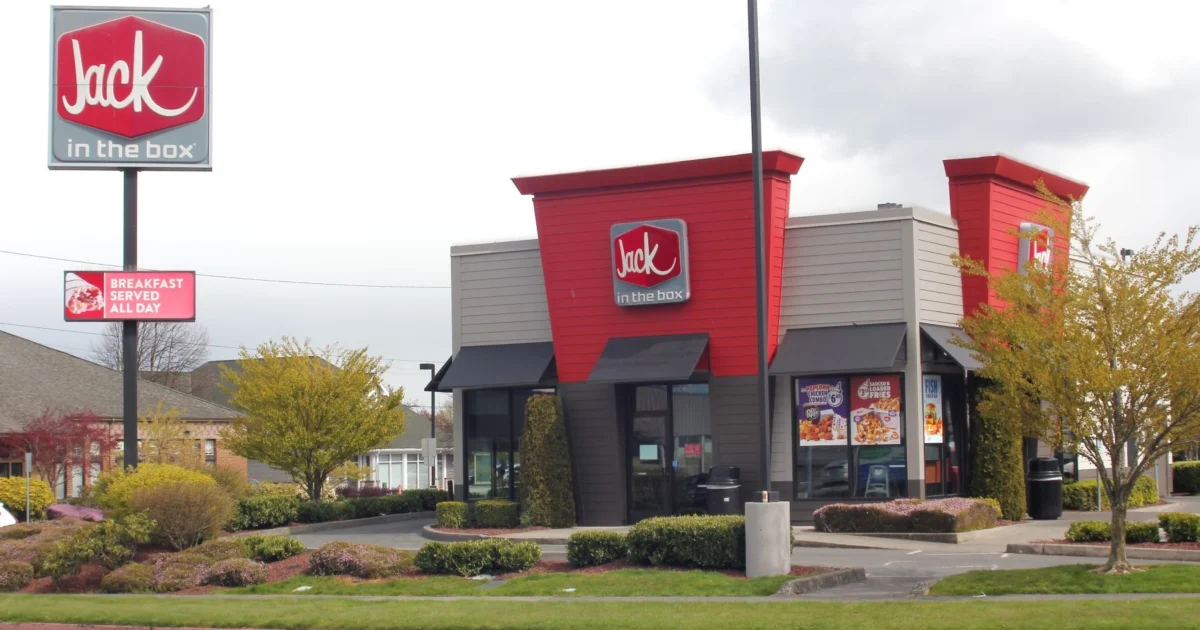
The fast-food industry continues to be a dynamic arena of innovation and strategic maneuvering, with major players constantly seeking to capture consumer attention and market share. In a recent wave of menu updates and operational challenges, Taco Bell is set to ignite taste buds with a fiery new twist on its popular Nacho Fries, while Chili’s is making a bold statement with its revamped chicken sandwich offerings, directly challenging competitors. Meanwhile, Jack in the Box is embroiled in a significant legal battle with a franchisee, highlighting the complexities of maintaining brand consistency and financial health across a vast network of independent operators.
Taco Bell Ignites Flavor with Datil Pepper Infused Nacho Fries
Taco Bell is once again leveraging its highly successful Nacho Fries platform to introduce a limited-time offering that promises a unique and spicy experience. Starting April 16th, customers can savor the new "Zab’s Chicken Ranch Nacho Fries." This collaboration features the chain’s signature crispy fries paired with Zab’s St. Augustine Style sauce and a spicy ranch sauce. This partnership marks a significant milestone for Taco Bell, as it represents their first foray into a collaboration centered around datil hot sauce.
Datil peppers, the star ingredient in Zab’s sauce, are a rare varietal renowned for their distinctive flavor profile – a harmonious blend of sweetness, tanginess, and a potent fiery heat. Primarily associated with St. Augustine, Florida, these peppers are a culinary treasure that adds a unique regional character to the dish. The integration of this specific hot sauce underscores Taco Bell’s ongoing strategy of partnering with established sauce brands and regional flavor innovators to create buzzworthy and craveable menu items.
Since their initial launch in early 2018, Nacho Fries have consistently ranked as Taco Bell’s most successful menu item. Their enduring popularity has prompted the chain to frequently reintroduce them, often with limited-time variations and exciting collaborations. This strategy has proven effective in driving repeat visits and attracting new customers. Past successful partnerships have included collaborations with renowned hot sauce brands such as Secret Aardvark, Yellowbird, and Truff, each bringing their distinct flavor profiles to the Nacho Fries, demonstrating Taco Bell’s ability to adapt and innovate within a beloved product line. The decision to partner with Zab’s, a purveyor of a unique regional pepper, signals a continued commitment to exploring diverse and authentic flavor experiences for its consumer base.
The strategic rollout of limited-time offers like the Zab’s Chicken Ranch Nacho Fries serves multiple purposes for Taco Bell. It creates a sense of urgency and exclusivity, encouraging immediate purchase behavior. It also provides opportunities for extensive marketing campaigns, leveraging the novelty of the product and the unique backstory of the datil pepper. Furthermore, these collaborations allow Taco Bell to tap into the existing fan bases of their partner brands, expanding their reach and potential customer pool. The success of Nacho Fries, in its various iterations, underscores the power of a well-executed limited-time offer in maintaining brand relevance and driving sales in the highly competitive quick-service restaurant sector.
Chili’s Escalates Chicken Sandwich War with Enhanced Value Proposition
In a move that clearly signals a competitive stance, Chili’s has unveiled its new chicken sandwich, the "Big Crispy." This offering is designed to directly challenge established players in the booming chicken sandwich market, with a particular emphasis on value and quality. The Big Crispy features a substantial chicken breast, accompanied by pickles and mayonnaise, and is being integrated into the chain’s popular "3 for Me" value menu. This strategic placement ensures that the sandwich is accessible and appealing to a broad range of budget-conscious consumers.
Customers have the flexibility to customize their Big Crispy experience, with six distinct variations available, including original, spicy, and Buffalo flavors. This variety caters to diverse palates and preferences, further enhancing the appeal of the new offering. Chili’s has not shied away from making direct comparisons, using the launch to take a pointed jab at McDonald’s. The chain asserts that its chicken sandwich offers superior value, claiming that the Big Crispy fillet is more than 80% larger than the chicken used in McDonald’s McCrispy sandwich.
This aggressive marketing strategy highlights a broader trend in the fast-food industry: the intense competition within the chicken sandwich category. Following the runaway success of Popeyes’ chicken sandwich, numerous chains have entered the fray, each attempting to differentiate themselves through ingredient quality, flavor profiles, and pricing. Chili’s approach, focusing on a larger portion size and integration into a value meal, is a direct appeal to consumers seeking more for their money. The "3 for Me" menu, which typically includes an appetizer, entrée, and drink, provides a comprehensive meal solution at an attractive price point, making the Big Crispy an even more compelling option.
The comparative analysis of fillet size is a common tactic in such competitive landscapes. By quantifying the difference in size, Chili’s aims to provide a tangible reason for consumers to choose their offering over a competitor’s. This data-driven marketing approach can be highly effective in influencing purchasing decisions, especially for consumers who are actively comparing options. The success of this strategy will ultimately depend on whether the perceived value translates into increased foot traffic and sales for Chili’s. The continued emphasis on chicken sandwiches as a key battleground in the fast-food wars suggests that this category will remain a focal point for innovation and marketing efforts in the coming months.
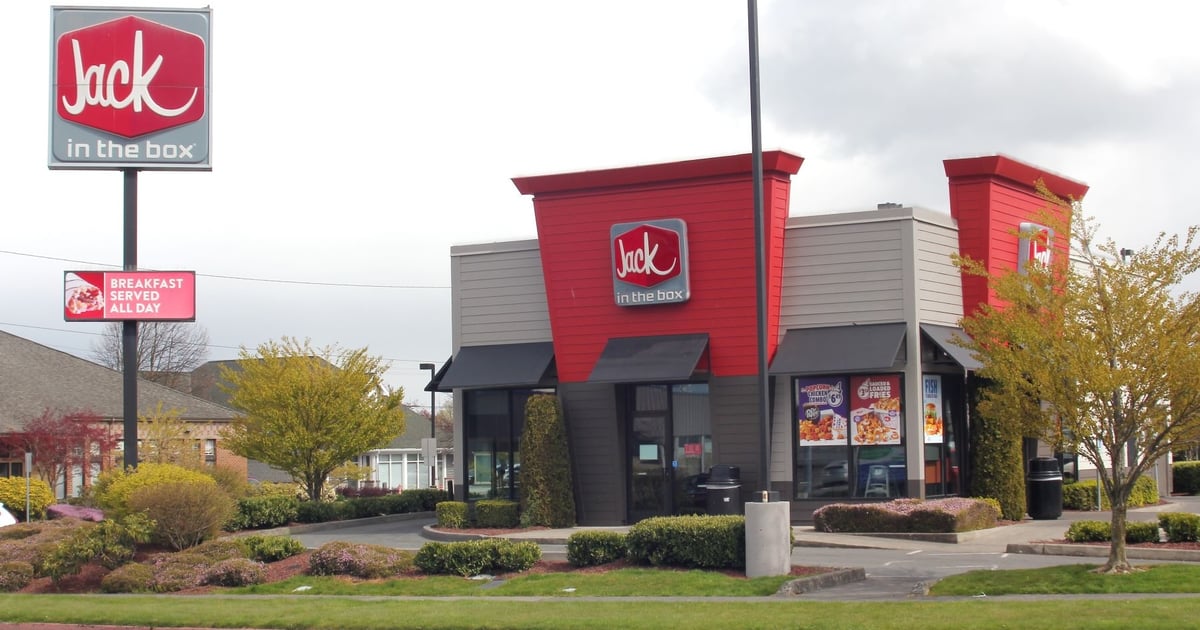
Jack in the Box Grapples with Franchisee Dispute, Threatening Store Closures
Beyond menu development, the operational integrity of fast-food chains is crucial for sustained success. Jack in the Box is currently facing a significant legal challenge as it seeks to prevent a franchisee from shuttering 38 of its restaurants. The fast-food giant has filed a request for an injunction with a Washington state court, aiming to halt AJP, a major operator in the region, from closing these locations.
The dispute stems from a disagreement over marketing fees and subsequent terminations. AJP, which had previously sued Jack in the Box over a prior termination, threatened to close the 38 restaurants after the company terminated their agreements. This action was reportedly due to approximately $1.4 million in unpaid marketing fees. The situation highlights the delicate balance that franchisors must maintain in ensuring compliance with contractual obligations while managing franchisee relationships.
This legal entanglement occurs at a time when Jack in the Box is also actively engaged in a broader initiative to improve its portfolio by encouraging franchisees to close up to 200 underperforming restaurants. This dual focus on resolving specific disputes and optimizing the overall store network underscores the ongoing efforts by the company to enhance its operational efficiency and financial performance. Franchisee relations are a cornerstone of the quick-service model, and disputes of this magnitude can have significant financial and reputational repercussions.
The legal recourse sought by Jack in the Box demonstrates the seriousness with which the company views the potential impact of these closures. An injunction would aim to maintain the status quo, preventing AJP from closing the stores while the legal proceedings unfold. The core of the issue likely lies in the interpretation and enforcement of franchise agreements, particularly concerning marketing fund contributions, which are vital for brand-wide advertising and promotional efforts. The outcome of this legal battle could set a precedent for how similar disputes are handled in the future within the Jack in the Box system and potentially influence broader franchise industry practices. The company’s broader strategy of addressing underperforming locations suggests a proactive approach to portfolio management, but such high-profile disputes can complicate these efforts and draw significant attention from both franchisees and the investing public.
Broader Implications and Future Outlook
The developments at Taco Bell, Chili’s, and Jack in the Box paint a comprehensive picture of the current state of the fast-food industry. Taco Bell’s continued success with Nacho Fries, particularly through innovative flavor collaborations, reinforces the power of limited-time offers and strategic partnerships in driving customer engagement and sales. The datil pepper initiative is a testament to their willingness to explore unique and authentic culinary experiences.
Chili’s bold move in the chicken sandwich arena, coupled with direct competitive messaging, highlights the ongoing intensity of market competition. Their emphasis on value through the "3 for Me" menu and the quantifiable advantage of a larger chicken fillet suggests a strategy aimed at capturing market share from rivals by offering a perceived superior product at a competitive price point. This approach reflects a deep understanding of consumer priorities in the current economic climate.
The legal imbroglio faced by Jack in the Box serves as a stark reminder of the inherent challenges in managing a large franchise network. Disputes over fees, terminations, and operational standards can create significant turbulence. The company’s efforts to address underperforming stores alongside this franchisee dispute indicate a multi-pronged strategy for optimizing its business, but the resolution of this legal battle will be critical in demonstrating its ability to navigate complex franchisee relationships effectively.
Collectively, these events underscore several key trends shaping the fast-food landscape:
- Flavor Innovation and Partnerships: Chains are increasingly relying on unique flavor profiles and collaborations with external brands to create excitement and differentiate their offerings.
- Value and Quality Competition: The battle for the consumer dollar remains fierce, with value menus and perceived quality being key battlegrounds, particularly in categories like chicken sandwiches.
- Operational and Franchisee Management: Maintaining healthy and compliant franchisee relationships is paramount for the stability and growth of any franchised restaurant system.
- Data-Driven Marketing: Quantifiable metrics, such as fillet size comparisons, are being used to directly influence consumer perception and purchasing decisions.
As the industry moves forward, consumers can expect a continued influx of new menu items, aggressive marketing campaigns, and ongoing efforts by restaurant chains to optimize their operations and franchisee networks. The ability of these companies to adapt to evolving consumer tastes, economic pressures, and competitive dynamics will be crucial for their long-term success. The strategic decisions made today by brands like Taco Bell, Chili’s, and Jack in the Box will undoubtedly shape the future of fast-food dining.
