

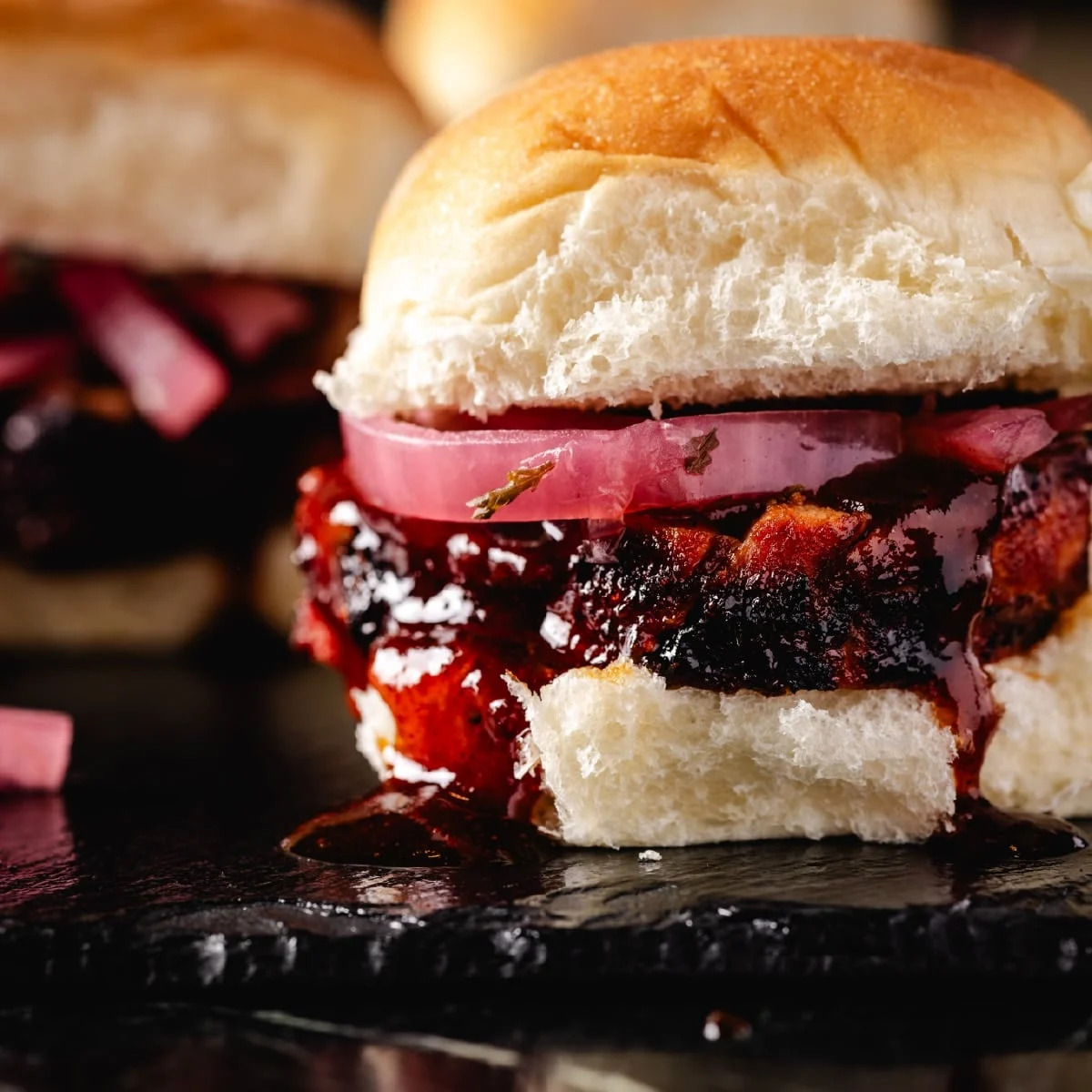
The Evolution of the Backyard Slider and the "Swicy" Flavor Profile
The culinary industry has noted a sharp increase in the popularity of flavor profiles that combine heat with traditional sweeteners. This trend, often referred to as "swicy," is exemplified in the Hot Honey Pork Tenderloin Slider through the use of a proprietary Hot Honey BBQ Sauce. Industry analysts suggest that the rise of hot honey as a condiment has transitioned from niche artisanal markets to mainstream consumption, influencing everything from fried chicken to high-end charcuterie.
The slider format itself has undergone a transformation. Originally popularized by fast-food chains as a budget-friendly option, the contemporary slider is now viewed as a versatile vehicle for premium proteins. In the context of game-day snacks or social gatherings, the slider offers portion control and ease of consumption, making it a preferred choice for hosts managing large groups.

Chronology of Development and Public Reception
The development of the Hot Honey Pork Tenderloin Slider followed a specific timeline of testing and public validation. According to records from the Winter Fancy Faire in San Diego, the recipe was showcased as part of a series of demonstrations aimed at highlighting the versatility of affordable pork cuts.
- Initial Conceptualization: The recipe was designed to address the demand for "quick-cook" proteins that do not require the extensive time commitments of traditional barbecue items like smoked brisket or pulled pork shoulder.
- Formula Refinement: Developers integrated a "Sweet Rub" base to ensure a crust—or "bark"—could form quickly during the high-heat environment of a grill.
- Public Debut: The sliders were prepared and served at the Winter Fancy Faire, an event curated by the Specialty Food Association. Attendees and industry professionals reported high satisfaction rates, citing the contrast between the tangy pickled red onions and the heat of the honey glaze.
- Digital Release: Following the positive reception in San Diego, the standardized recipe and technical guidelines were released to the public via digital platforms and the "Hey Grill Hey" mobile application.
Technical Specifications and Meat Science
Pork tenderloin, the primary protein in this dish, is often cited by butchers and chefs as an underrated cut due to its lean profile and rapid cooking time. Unlike the pork butt, which requires hours of rendering to break down connective tissue, the tenderloin is a muscle that does not get much exercise, resulting in a naturally tender texture.
Thermal Processing Guidelines
To ensure food safety and optimal moisture retention, the preparation follows strict United States Department of Agriculture (USDA) guidelines. The USDA recommends an internal temperature of 145 degrees Fahrenheit (63 degrees Celsius) for pork, followed by a mandatory three-minute rest period.

The grilling process for the Hot Honey Pork Tenderloin Slider is estimated to take approximately 25 minutes, though culinary experts emphasize that internal temperature is the only reliable metric for doneness. The "glazing phase" occurs when the meat reaches 135 degrees Fahrenheit. At this stage, the Hot Honey BBQ Sauce is applied, allowing the sugars in the honey and sauce to caramelize slightly without burning, a process known as the Maillard reaction.
Ingredient Composition
The dish is composed of six primary components:
- Protein: Pork tenderloin (trimmed of silver skin).
- Seasoning: A sugar-based "Sweet Rub" to promote caramelization.
- Glaze: Hot Honey BBQ Sauce, providing the "swicy" element.
- Foundation: Sweet Hawaiian rolls, chosen for their soft texture and complementary sugar content.
- Acidic Component: Pickled red onions, which serve to cut through the richness of the pork and the sweetness of the glaze.
- Maintenance: Butter or oil for the grilling surface.
Supporting Data and Nutritional Analysis
Quantitative data regarding the Hot Honey Pork Tenderloin Slider indicates it is a protein-dense option compared to traditional beef-based sliders. A single serving (approximately 1/6th of the standard recipe) contains:

- Calories: 425 kcal
- Protein: 38g
- Carbohydrates: 44g
- Total Fat: 10g (Saturated Fat: 4g)
- Cholesterol: 118mg
- Sodium: 494mg
- Potassium: 705mg
The high protein-to-fat ratio makes pork tenderloin a favorable choice for consumers monitoring their caloric intake while seeking satiety. Furthermore, the inclusion of potassium (705mg) and Vitamin A (122 IU) provides a higher micronutrient profile than many comparable processed snack foods.
Official Commentary and Culinary Philosophy
Susie Bulloch, the founder of the "Hey Grill Hey" platform and the lead developer of the recipe, has frequently commented on the democratization of barbecue. Bulloch, who has appeared on the Food Network and holds Guinness World Records in the culinary space, emphasizes that high-quality results do not require expensive equipment or cuts of meat.
"Pork tenderloin is one of the most underrated cuts you can grill," Bulloch stated in a technical brief regarding the recipe. "It is affordable, it cooks quickly, and it takes on flavor beautifully." This philosophy of "Backyard BBQ Heroism" focuses on empowering home cooks to utilize professional techniques, such as temping meat and layering flavors (rub, smoke, glaze, and acid), to achieve restaurant-quality results.

Market Implications and Economic Context
The promotion of pork tenderloin sliders comes at a time of fluctuating meat prices. As of late 2023 and early 2024, beef prices have seen significant volatility due to supply chain constraints and herd sizes. In contrast, pork has remained a relatively stable and affordable alternative for the average consumer.
Economic analysts suggest that recipes highlighting "affordable luxury"—taking a lower-cost cut like tenderloin and elevating it with specialized sauces and techniques—are likely to see increased engagement in the current economic climate. The use of Hawaiian rolls, a staple in the "value-added" bakery segment, further reinforces the accessibility of the dish.
Broader Impact on Social Dining Trends
The Hot Honey Pork Tenderloin Slider reflects a broader shift in social dining toward "shareables." The rise of the "potluck" and "tailgate" culture in the United States has necessitated recipes that are portable and easy to assemble on-site.

Furthermore, the integration of digital tools, such as the "Hey Grill Hey" app, highlights the digital transformation of the culinary arts. Home cooks no longer rely on static cookbooks but instead engage with dynamic platforms that offer real-time internal temperature guides, community ratings, and social media integration. The encouragement to tag @heygrillhey on platforms like Instagram and Facebook fosters a community of practice, where amateur grillers can share successes and variations.
Conclusion and Future Outlook
The Hot Honey Pork Tenderloin Slider is more than a simple recipe; it is a synthesis of current flavor trends, economic pragmatism, and technical precision. By combining the "swicy" appeal of hot honey with the efficiency of the pork tenderloin, the dish addresses the needs of the modern home cook who balances a desire for gourmet flavors with limited time and budget.
As the specialty food market continues to evolve, it is expected that similar "hybrid" recipes—those that blend traditional barbecue techniques with modern flavor profiles—will continue to gain traction. The success of this dish at the Winter Fancy Faire serves as a bellwether for the future of backyard grilling, where the focus remains on flavor complexity, technical accuracy, and the joy of communal dining.
