


A decade-long investigation involving thousands of women in the United States has revealed a compelling association between regular tea consumption and improved hip bone mineral density (BMD) in older women. The findings, published late last year in the esteemed journal Nutrients, suggest that tea may offer a protective benefit for bone health, potentially outperforming coffee in this regard for individuals aged 65 and above.
The comprehensive study, conducted by a research team at Flinders University in Australia, meticulously examined various sources of caffeine intake and their longitudinal impact on bone density. Over a 10-year period, researchers collected data from more than 9,700 U.S. women, employing repeated measures to track changes and correlations. The results indicated that women who reported consistent tea consumption exhibited higher-than-average BMD in their hips compared to their non-tea-drinking counterparts.
A Nuanced Look at Caffeine and Bone Density
While the study identified a statistically significant, albeit modest, advantage in total hip BMD for tea drinkers, the findings regarding coffee consumption were more complex. Generally, coffee drinking appeared to have a neutral effect on bone density for the majority of participants. However, a closer examination revealed a potential downside to very high coffee intake.
"Even small improvements in bone density can translate into fewer fractures across large groups," stated Enwu Liu, a co-author of the study from Flinders University, in an announcement accompanying the research. This statement underscores the public health significance of even minor positive shifts in bone health, particularly in aging populations where fracture risk is a major concern.
Coffee’s Threshold for Bone Health
In the primary adjusted models that compared coffee drinkers to non-coffee drinkers, coffee intake did not demonstrate a significant association with either total hip BMD or femoral neck BMD. The femoral neck is a critical area of the hip, representing the juncture where the top of the femur (thigh bone) connects to the hip socket. This lack of association was observed consistently across all repeated measurement points throughout the 10-year study.
However, when researchers delved deeper, they discovered a potential threshold effect for coffee consumption. Individuals who reported drinking five or more cups of coffee per day were found to have a measurably lower total hip BMD. This finding suggests that while moderate coffee consumption might not pose a significant risk to bone density, excessive intake could be detrimental.
"While moderate coffee drinking appears safe, very high consumption may not be ideal, especially for women who drink alcohol," Enwu Liu cautioned. This observation introduces an important interplay between lifestyle factors and the impact of beverage consumption on bone health, hinting at potential synergistic effects that warrant further investigation.
Interactions with Body Mass Index and Alcohol Consumption
The study further illuminated the intricate relationship between beverage consumption, bone density, and other lifestyle factors by identifying statistically significant interactions. One such interaction involved lifetime alcohol intake. The association between coffee consumption and femoral neck BMD, for instance, appeared to be more favorable among women categorized as lower lifetime alcohol consumers. This suggests that the impact of coffee on bone health may be modulated by an individual’s history of alcohol consumption.
Conversely, tea consumption demonstrated a positive association with higher femoral neck BMD among women classified as having obesity. This finding is particularly noteworthy, as obesity can sometimes be associated with increased inflammation and metabolic changes that might indirectly affect bone health. The study’s results here suggest that tea might offer a counterbalancing benefit for this demographic.
Limitations and Future Directions
The researchers were diligent in acknowledging the limitations of their study, which are crucial for a balanced interpretation of the findings. Key limitations included the reliance on self-reported beverage intake, which can be subject to recall bias. Additionally, the study cohort was predominantly comprised of White women, which may limit the generalizability of the findings to other racial and ethnic groups. Furthermore, the study measured BMD rather than directly reporting fracture incidence, meaning the observed BMD changes are proxies for potential fracture risk reduction.
The authors also emphasized that the statistically significant decreases in BMD, particularly related to high coffee consumption, were modest. They cautioned against interpreting these findings as a cause for "dramatic changes" in individual behavior, suggesting that lifestyle modifications should be considered within a broader context of overall health and in consultation with healthcare professionals.
Despite these limitations, the study’s conclusions offer valuable insights. "Our findings suggest tea consumption is associated with higher total hip BMD in older postmenopausal women," the study states. "While no overall association between coffee consumption and BMD was identified during the 10-year follow-up, natural spline analyses suggest that consuming more than five cups of coffee per day might be detrimental to BMD."
Background: The Growing Concern for Bone Health in Aging Populations
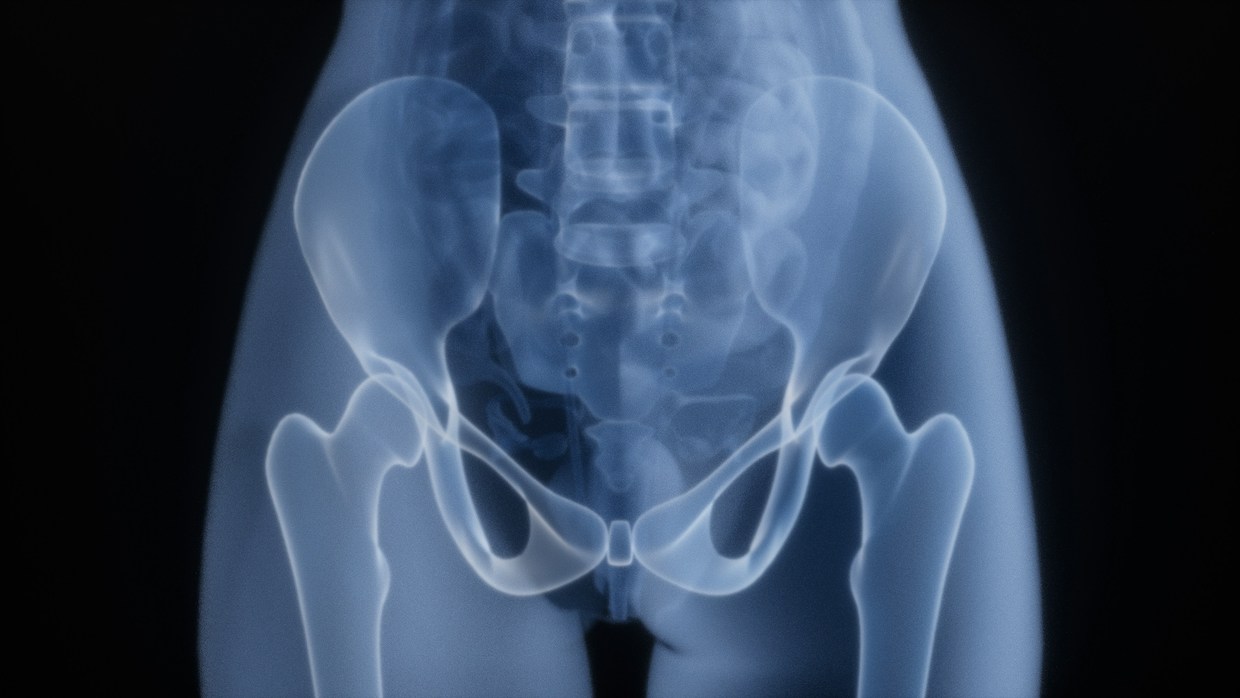
The aging of populations worldwide has placed a growing emphasis on understanding and mitigating age-related health concerns, with osteoporosis and its precursor, osteopenia, being major public health challenges. Osteoporosis is characterized by low bone mass and structural deterioration of bone tissue, leading to increased fragility and a higher risk of fractures. Hip fractures, in particular, are associated with significant morbidity, mortality, and a substantial burden on healthcare systems.
Bone mineral density (BMD) is a key indicator of bone strength and is commonly measured using dual-energy X-ray absorptiometry (DXA) scans. Higher BMD values are generally associated with a lower risk of fractures. The World Health Organization (WHO) has established criteria for diagnosing osteoporosis based on BMD measurements, typically comparing an individual’s BMD to that of a healthy young adult.
Postmenopausal women are particularly vulnerable to bone loss due to the decline in estrogen levels after menopause. Estrogen plays a critical role in maintaining bone density by inhibiting bone resorption (the breakdown of bone tissue). This hormonal shift can lead to accelerated bone loss, increasing the risk of osteoporosis and fractures.
The Role of Diet and Lifestyle
Dietary factors and lifestyle choices play a significant role in bone health throughout life. Adequate intake of calcium and vitamin D are widely recognized as essential for building and maintaining strong bones. However, research has also explored the impact of other dietary components, including various beverages.
Coffee and tea, both popular caffeinated beverages, have been subjects of numerous studies investigating their health effects. While coffee has been linked to various health benefits, including a reduced risk of type 2 diabetes and certain neurological conditions, its impact on bone health has been a subject of ongoing debate. Some earlier studies suggested a potential negative correlation between high coffee intake and BMD, possibly due to caffeine’s diuretic effect or its interference with calcium absorption.
Tea, on the other hand, particularly green tea and black tea, is rich in flavonoids and other antioxidants that have been associated with a range of health benefits, including anti-inflammatory and cardioprotective properties. The potential impact of these compounds on bone metabolism has also been a focus of research.
Methodology of the Flinders University Study
The study by Flinders University aimed to provide a more robust understanding of the long-term effects of habitual beverage consumption on bone health in an aging population. The researchers utilized data from a large, longitudinal cohort, which allows for the observation of changes over time and the identification of potential cause-and-effect relationships, though observational studies cannot definitively prove causation.
The participants, all women aged 65 and older, provided information about their dietary habits, including their consumption of coffee and tea. Bone mineral density was measured at multiple time points throughout the 10-year study period, allowing researchers to track individual changes and compare them across different beverage consumption groups.
Statistical analyses were employed to adjust for potential confounding factors, such as age, physical activity levels, body mass index (BMI), and other dietary habits, to isolate the specific effects of tea and coffee consumption. The inclusion of interaction analyses further explored how these effects might be modified by other important health-related variables like alcohol intake and BMI.
Broader Implications for Public Health Recommendations
The findings from the Flinders University study, while requiring further validation and research, carry significant implications for public health recommendations concerning bone health in older women. The suggestion that tea consumption is associated with higher hip BMD in this demographic could encourage older women to incorporate tea into their diets as a complementary strategy for bone preservation.
For coffee drinkers, the study highlights the importance of moderation. The observed negative association with BMD at very high consumption levels (five or more cups daily) warrants attention, particularly for women who may have other risk factors for osteoporosis, such as a history of alcohol consumption.
It is crucial to reiterate that these findings are based on associations and not definitive proof of causation. The modest nature of the observed BMD changes also suggests that beverage choice is one factor among many influencing bone health. A holistic approach that includes adequate calcium and vitamin D intake, regular weight-bearing exercise, and avoidance of smoking and excessive alcohol consumption remains paramount for maintaining strong bones throughout life.
Future research could focus on identifying the specific bioactive compounds in tea that contribute to bone health, as well as exploring the mechanisms by which excessive coffee consumption might negatively impact BMD. Longitudinal studies with diverse populations and the direct measurement of fracture events would also strengthen the evidence base.
In conclusion, the Flinders University study offers a compelling piece of evidence suggesting a potential benefit of tea consumption for hip bone health in older women, while also underscoring the importance of mindful coffee consumption. As populations continue to age, understanding the nuanced impact of everyday dietary choices on long-term health remains a critical endeavor.
