

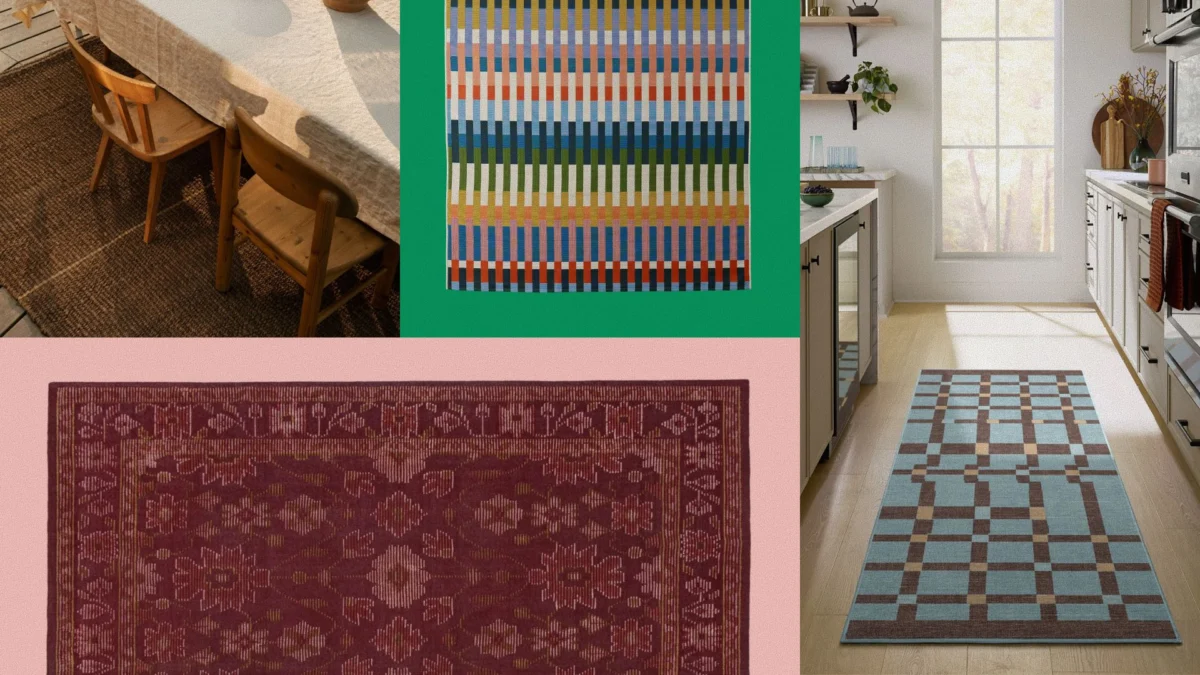
The selection of appropriate floor coverings for the kitchen, often the most heavily trafficked and mess-prone area in any home, transcends mere decorative choice, embodying a critical balance between aesthetic appeal and robust functionality. While an array of rugs exists, not all are inherently suited for the unique demands of a kitchen environment. The notion that any rug can serve as a kitchen rug is quickly dispelled by the realities of culinary activities, which inevitably involve spills, constant foot traffic, and exposure to various culinary byproducts. Consequently, a well-chosen kitchen rug adheres to a specific, rigorous set of criteria designed to withstand these challenges while simultaneously enhancing the space’s visual appeal and ergonomic comfort.

Historically, kitchen floors were often left bare or covered with utilitarian linoleum, prioritizing ease of cleaning over comfort or elaborate design. However, as kitchens evolved from purely functional spaces into central hubs for family life, entertaining, and creative expression, the demand for integrating comfort and sophisticated design elements grew. This shift accelerated over the past few decades, transforming the kitchen into a space where thoughtful decor, including rugs, plays a pivotal role in defining the home’s overall character. This evolution underscores the importance of a strategic approach to rug selection, moving beyond superficial considerations to embrace materials, construction, and patterns that are purpose-built for the dynamic kitchen setting.
Foremost among the practical considerations for any kitchen rug is its washability. The kitchen is, by its very nature, a zone of potential mess. From dropped food particles and splashed liquids to daily dust and dirt tracked in, the accumulation of grime is inevitable. A rug that cannot be easily and effectively cleaned poses significant hygiene risks and rapidly deteriorates in appearance. Industry analyses indicate a growing consumer preference for home textiles that offer convenience in maintenance, with washable rug segments demonstrating consistent market growth, reflecting a broader trend towards practicality in home furnishings. Materials such as synthetic blends (e.g., polypropylene, nylon), certain tightly woven cottons, and specialized indoor/outdoor fabrics are often engineered for machine washability, allowing for thorough cleaning and sanitation, a crucial factor in maintaining a healthy kitchen environment. This feature significantly extends the lifespan of the rug and ensures a consistently fresh aesthetic.

Beyond ease of cleaning, durability is a non-negotiable attribute. Kitchens are high-traffic areas, enduring hundreds of footfalls daily. This constant wear necessitates a rug that can withstand substantial battering without showing premature signs of fraying, thinning, or color degradation. Low-pile constructions and tightly woven designs are generally preferred, as they are less prone to trapping dirt and are more resilient to compression and abrasion. The material composition directly influences durability; synthetic fibers, for example, are renowned for their resistance to moisture, stains, and mildew, making them particularly well-suited for the humid and spill-prone kitchen environment. This focus on material science ensures that the rug maintains its structural integrity and appearance over time, representing a sound long-term investment.
The second, perhaps more subjective yet equally vital, criterion is the rug’s visual interest. This extends beyond mere aesthetic pleasure; an interesting texture, pattern, or color scheme serves a practical purpose by subtly obscuring the inevitable accumulation of wear, minor stains, or incidental splatters that might occur between cleanings. Much like the design principle behind movie theater carpets, which often feature bold and busy patterns to camouflage popcorn remnants and drink spills, a kitchen rug benefits immensely from a similar approach. Intricate weaves, multi-tonal patterns, or complex motifs draw the eye and create visual depth, making small imperfections less noticeable. This "aesthetic resilience" prolongs the perceived pristine condition of the rug, contributing to a consistently tidy appearance in a demanding space. While a technicolor popcorn galaxy print might be excessive, a sophisticated Kilim motif or an artfully interesting weave can achieve the desired effect without overwhelming the kitchen’s overall design.

A curated collection of area rugs and runners specifically designed for the heavy-duty performance required in a kitchen environment can be broadly categorized by their dominant design characteristics, each offering distinct advantages in both style and functional resilience.
Vibrant Hues and Maximalist Expressions
For the past decade, subdued kitchen designs, often characterized by millennial greys and "resell friendly" neutral palettes, have been largely de rigueur. However, a noticeable shift in interior design trends indicates a growing embrace of eclectic maximalism and personalized aesthetics. More homeowners are now opting to inject personality and vibrancy into their culinary spaces. A brightly colored, multicolored rug offers an immediate and impactful way to revitalize a kitchen mired in visual doldrums. The strategic use of color can transform the ambiance, adding warmth, energy, or a whimsical touch.

These rugs often feature dynamic patterns that integrate various hues, creating a visually rich tapestry. For example, a rug with an abstract blend of blues, oranges, and greens, or a vibrant floral design, can become a focal point, drawing the eye and infusing the space with character. The inherent complexity of such designs also excels at camouflaging everyday wear and tear. A splash of coffee or a dropped crumb blends more readily into a busy, colorful pattern than it would on a monochromatic surface. Brands like Urban Outfitters, with their "Cozumel Indoor/Outdoor Rug" and "Tela Washable Rug," exemplify this category, offering durable, easy-to-clean options that don’t shy away from bold color. Similarly, Rugs USA’s "Poppy Machine Washable Rug" with its vivid floral patterns provides a practical yet visually striking option for those looking to ditch convention. Interior design commentators suggest that this trend towards color is a reflection of homeowners seeking more expressive and less prescriptive decor choices, turning their kitchens into true reflections of their individuality.
Geometric Precision and Modern Appeal
As Bertrand Russell observed, mathematics possesses not only truth but also supreme beauty. While he likely wasn’t contemplating kitchen floor coverings, the enduring appeal of geometric patterns in rug design eloquently demonstrates his sentiment. Grids, intersecting lines, and tessellating shapes offer a sense of order, rhythm, and sophisticated modernity to a kitchen space. These patterns can range from subtle, monochromatic weaves that create textural interest to bold, multi-colored designs that make a definitive statement.

Geometric rugs are highly versatile, capable of complementing a wide range of kitchen styles, from ultra-modern and minimalist to industrial or even transitional aesthetics. A rug featuring a classic Greek key motif, a modern chevron, or an intricate interlocking pattern can define a space, add architectural interest, and provide a grounding element. Functionally, the structured nature of geometric patterns is remarkably effective at concealing minor imperfections. The repetitive lines and shapes inherently break up the visual field, making small stains or wear spots less apparent. AllModern’s "Blue Indoor/Outdoor Rug" exemplifies how geometric patterns can introduce both elegance and practicality. Nordic Knots’ "Terra 01 – Tobacco," with its subtle, earthy geometric design, offers a refined take on this category, proving that geometric beauty can be both striking and understated. The clean lines and predictable repetitions of geometric patterns are also known to promote a sense of calm and organization, which can be particularly welcome in the often-bustling kitchen environment.
Timeless Elegance: Traditional-ish Motifs
When one conjures the image of a classic rug, designs originating from Persian, Turkish, and various other Central Asian weaving cultures often come to mind. These traditional patterns boast an unimpeachable staying power in interior design, revered for their intricate details, rich symbolism, and often warm, inviting color palettes. The enduring appeal lies in their ability to imbue a space with a sense of history, craftsmanship, and grounded elegance.

While authentic antique rugs may not be practical for a kitchen, modern interpretations and machine-washable versions have made these timeless aesthetics accessible for high-traffic areas. The market offers a seemingly infinite number of options, from faithful reproductions to clever contemporary riffs. These include pixelated redesigns that blend classic motifs with a digital-age sensibility, or William Morris-inspired patterns that bring a touch of Arts and Crafts movement beauty into the kitchen. The inherent busyness and multi-layered nature of traditional patterns are exceptionally adept at camouflaging spills and everyday wear. Quince’s "Talula Indoor/Outdoor Rug" offers a durable, practical rendition of a classic aesthetic. Revival’s "Helen" washable wool rug demonstrates how even luxurious materials can be adapted for kitchen practicality, combining traditional beauty with modern convenience. Ruggable’s "Blackthorn Navy Rug" and "Fernanda Burgundy Rug" further illustrate this trend, providing traditional patterns in machine-washable formats. Urban Outfitters’ "Evelyn Needlepoint Digital Printed Rug" offers a novel approach, digitally printing intricate designs on durable bases. These rugs offer a sophisticated alternative, allowing homeowners to embrace historical elegance without sacrificing modern ease of maintenance.
Subtle Sophistication: The Minimalist Approach
At first glance, the concept of a minimalist rug in a demanding kitchen environment might seem contradictory, given the emphasis on patterns for camouflage. However, the success of a minimalist kitchen rug hinges on how that "minimalism" is expressed. Rather than relying on bold graphics, these rugs achieve their understated appeal through texture, weave, and nuanced color palettes. They offer a sophisticated alternative for those whose design sensibilities lean towards serenity and clean lines.

For individuals not inclined towards overtly graphic patterns, a minimalist rug can still provide visual interest and functional benefits. The key lies in selecting rugs with an interesting weave or a subtle, multi-tonal texture in natural or muted tones. These elements create depth and variation without overwhelming the eye, effectively preventing the rug from becoming a "blank canvas" for accumulating wear and tear. Materials like tightly woven jute, sisal blends, or monochromatic synthetic fibers with varied pile heights can create tactile richness. Rejuvenation’s "Greyson Indoor/Outdoor Hand-Knotted Rug," for instance, exemplifies how a refined texture and subdued color can create a minimalist yet durable option. Ruggable’s "Rumi Multicolor Rug," while technically "multicolor," often features muted, blended tones in its traditional pattern, allowing it to function within a more minimalist aesthetic if the overall palette is restrained. These rugs provide a calming presence, blend seamlessly into contemporary or Scandinavian-inspired kitchens, and, crucially, are designed to be resilient and easily cleaned, ensuring their subtle beauty endures in a busy kitchen.
In conclusion, the selection of a kitchen rug is a multifaceted decision that requires careful consideration of both practical necessities and desired aesthetic outcomes. The evolving role of the kitchen in contemporary homes has elevated the rug from a simple floor covering to an integral element of interior design, demanding durability, hygiene, and visual resilience. By prioritizing washability, robust construction, and intelligently designed patterns or textures, homeowners can invest in a kitchen rug that not only withstands the rigors of daily use but also significantly enhances the comfort, safety, and stylistic coherence of this vital domestic space. The market’s diverse offerings, from vibrant maximalist statements to precise geometric designs, timeless traditional motifs, and sophisticated minimalist textures, ensure that there is a high-performing, stylish solution for every kitchen aesthetic.
