

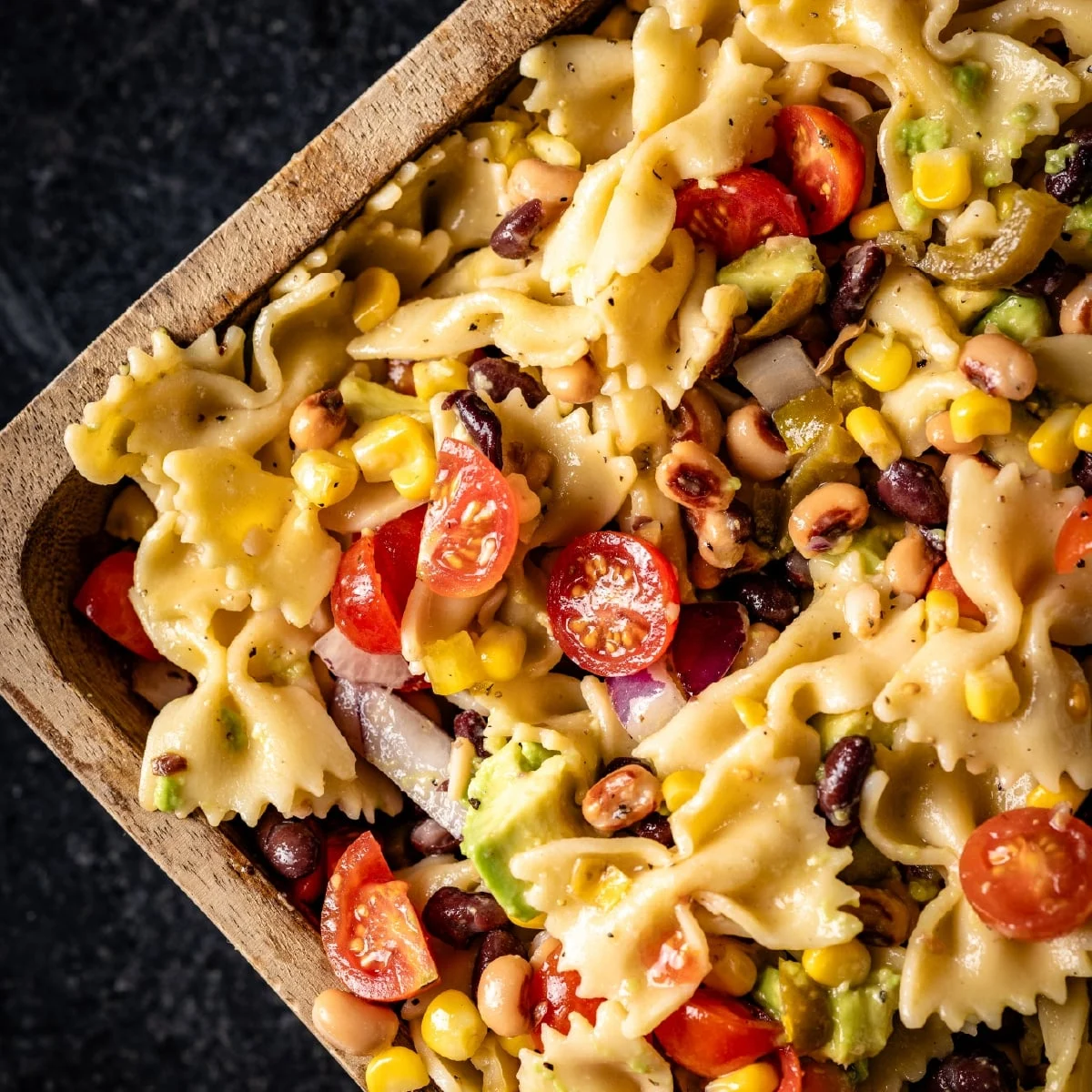
The Rise of Cowboy Pasta Salad as a Versatile Culinary Staple in Modern American Outdoor Dining and BBQ Culture represents a significant shift in the landscape of American side dishes, blending traditional Southwestern flavors with the logistical needs of contemporary social gatherings. This dish, characterized by its combination of bowtie pasta, black beans, sweet corn, and a zesty lime-based dressing, has emerged as a preferred alternative to heavier, mayonnaise-based salads. As outdoor cooking continues to evolve from a simple hobby into a sophisticated culinary art form, the demand for side dishes that can complement complex smoked meats while remaining shelf-stable in various climates has grown. The Cowboy Pasta Salad, popularized by culinary figures such as Susie Bulloch of Hey Grill Hey, exemplifies this trend by offering a balance of acidity, creaminess, and texture that appeals to a broad demographic of diners.
The Anatomy of a Modern BBQ Side Dish
The composition of the Cowboy Pasta Salad is rooted in the "Cowboy Caviar" tradition, a dip originating in the mid-20th century that emphasized fresh vegetables and legumes. In its pasta-based iteration, the dish serves as a more substantial offering, capable of functioning as either a side or a standalone vegetarian main course. The primary structural component is bowtie pasta, or farfalle, which is selected for its ability to "hold" dressings and small ingredients like corn and beans within its folds.

The flavor profile is built upon a foundation of contrasting textures. Creamy avocado provides a rich, fatty mouthfeel that mimics the role of dairy without the risk of spoilage associated with cream-based dressings. This is countered by the snap of sweet corn and the earthy density of black beans. The inclusion of cherry tomatoes and red onions adds brightness and a sharp aromatic quality, while pickled jalapeños introduce a controlled heat that defines the "Cowboy" or Southwestern aesthetic.
The dressing is a critical element of the dish’s success. Eschewing the traditional heavy dressings of mid-century American salads, this recipe utilizes a vinaigrette composed of lime juice, red wine vinegar, olive oil, and a blend of spices including cumin, chili powder, and garlic powder. This high-acid profile serves a dual purpose: it acts as a palate cleanser against the richness of smoked meats like brisket or pulled pork, and it helps preserve the vibrant colors of the vegetables during the chilling process.
Chronology of Preparation and Culinary Logistics
The efficiency of the Cowboy Pasta Salad is a primary factor in its widespread adoption among backyard BBQ enthusiasts. The preparation timeline is designed to accommodate the long cooking cycles associated with smoking meats.

- The Preparation Phase: The process begins with the cooking of the pasta. Culinary experts recommend boiling the bowtie pasta in salted water until al dente, ensuring it retains enough structure to withstand tossing and chilling.
- The Assembly Phase: While the pasta cools, the vegetable components are processed. This includes dicing avocados, halving cherry tomatoes, and finely chopping red onions and pickled jalapeños. The use of canned goods, such as black beans and corn, allows for a preparation time of approximately 10 minutes if the pasta is prepared in advance.
- The Emulsification Phase: The dressing is prepared separately to ensure an even distribution of spices. Whisking the lime juice, vinegar, and oil creates a temporary emulsion that coats the pasta and vegetables thoroughly.
- The Integration and Chilling Phase: Once combined, the salad requires a period of refrigeration. This chilling window—ideally lasting between one to four hours—allows the flavors to meld and the pasta to absorb the acidity of the dressing.
This timeline reflects a strategic approach to hosting. By shifting the labor of the side dish to the early stages of the event, the cook is free to focus on the technical requirements of the main protein during the final stages of the BBQ.
Nutritional Composition and Supporting Data
From a nutritional standpoint, the Cowboy Pasta Salad offers a more complex profile than traditional potato or macaroni salads. Based on standard serving sizes for an eight-person yield, the dish provides approximately 383 calories per serving. The integration of legumes and fresh vegetables significantly alters the macronutrient distribution compared to older BBQ staples.
Data indicates that a single serving contains approximately 11 grams of protein and 5 grams of dietary fiber, largely attributed to the black beans and black-eyed peas (often used as a variation). The fat content, totaling 16 grams, is primarily monounsaturated, derived from the avocado and olive oil, which are widely recognized as heart-healthy fats. Furthermore, the dish provides 511 mg of potassium and 17 mg of Vitamin C, making it a nutrient-dense option in a category of dining often criticized for high sodium and saturated fat levels.

Market research into consumer preferences suggests a growing "health-conscious BBQ" segment. Analysts observe that attendees at social gatherings are increasingly seeking dishes that provide satiety through fiber and plant-based proteins rather than through refined sugars and heavy fats. The Cowboy Pasta Salad aligns with these shifting dietary priorities while maintaining the bold flavors expected at an American cookout.
The Influence of "Hey Grill Hey" and Susie Bulloch
The prominence of this specific recipe can be traced back to Susie Bulloch, the founder of the "Hey Grill Hey" platform. Bulloch has established herself as a central figure in the modern BBQ movement, leveraging appearances on the Food Network and multiple Guinness World Records to build a brand centered on accessible, high-quality outdoor cooking.
Bulloch’s philosophy emphasizes the "Backyard BBQ Hero" concept—the idea that a successful meal is the result of a cohesive experience where the sides are as intentional as the meat. In her commentary on the Cowboy Pasta Salad, Bulloch notes that sides are often an "afterthought" for pitmasters who focus exclusively on the smoker. Her version of the recipe is designed to be a "sleeper hit," a dish that requires minimal effort but delivers a professional-grade flavor profile.

This approach has resonated within the digital culinary space. The "Hey Grill Hey" community, which spans millions of followers across Facebook, Instagram, and YouTube, serves as a distribution network for these modern classics. The viral nature of such recipes has contributed to a standardized "new American" BBQ menu that is increasingly seen at potlucks and competitions across the United States.
Safety and Practicality in Outdoor Environments
A significant but often overlooked implication of the Cowboy Pasta Salad is food safety. Traditional BBQ sides, such as coleslaw or potato salad, often rely on mayonnaise, which can pose a risk of foodborne illness when left in the "danger zone" (40°F to 140°F) for extended periods during summer events.
The Cowboy Pasta Salad’s reliance on a lime and vinegar-based dressing provides a natural inhibitory environment for certain bacteria. While it still requires refrigeration for quality and the safety of the fresh produce, the absence of egg-based emulsions makes it a more resilient choice for outdoor dining. Furthermore, the use of sturdy vegetables like beans and corn ensures that the salad does not become "wilted" or unappealing after an hour on a buffet table, a common issue with leafy green salads.

Broader Impact and Culinary Implications
The rise of the Cowboy Pasta Salad reflects a broader "Southwest-ification" of American comfort food. This trend sees the integration of ingredients like cilantro, lime, and cumin into dishes that were historically bland or strictly European in origin. By rebranding a pasta salad as "Cowboy Style," the dish taps into a cultural narrative of ruggedness and outdoor living that is central to the identity of American BBQ.
Furthermore, the recipe’s flexibility allows it to adapt to economic fluctuations. During periods of high meat prices, the Cowboy Pasta Salad can be augmented with browned ground beef or bacon to serve as a more affordable main dish. Conversely, in its base form, it serves as an inclusive option for vegetarian guests, ensuring that the BBQ remains a communal experience regardless of dietary restrictions.
As the BBQ industry continues to grow—with the global grill market projected to reach billions in the coming years—the role of the "perfect side" will remain a topic of intense interest for both professional chefs and home cooks. The Cowboy Pasta Salad has secured its place in this landscape, not merely as a convenient recipe, but as a symbol of the modern, thoughtful, and flavor-forward approach to American outdoor dining. In the final analysis, its success lies in its ability to be both a reliable fallback for the busy cook and a standout contribution to the communal table.
