

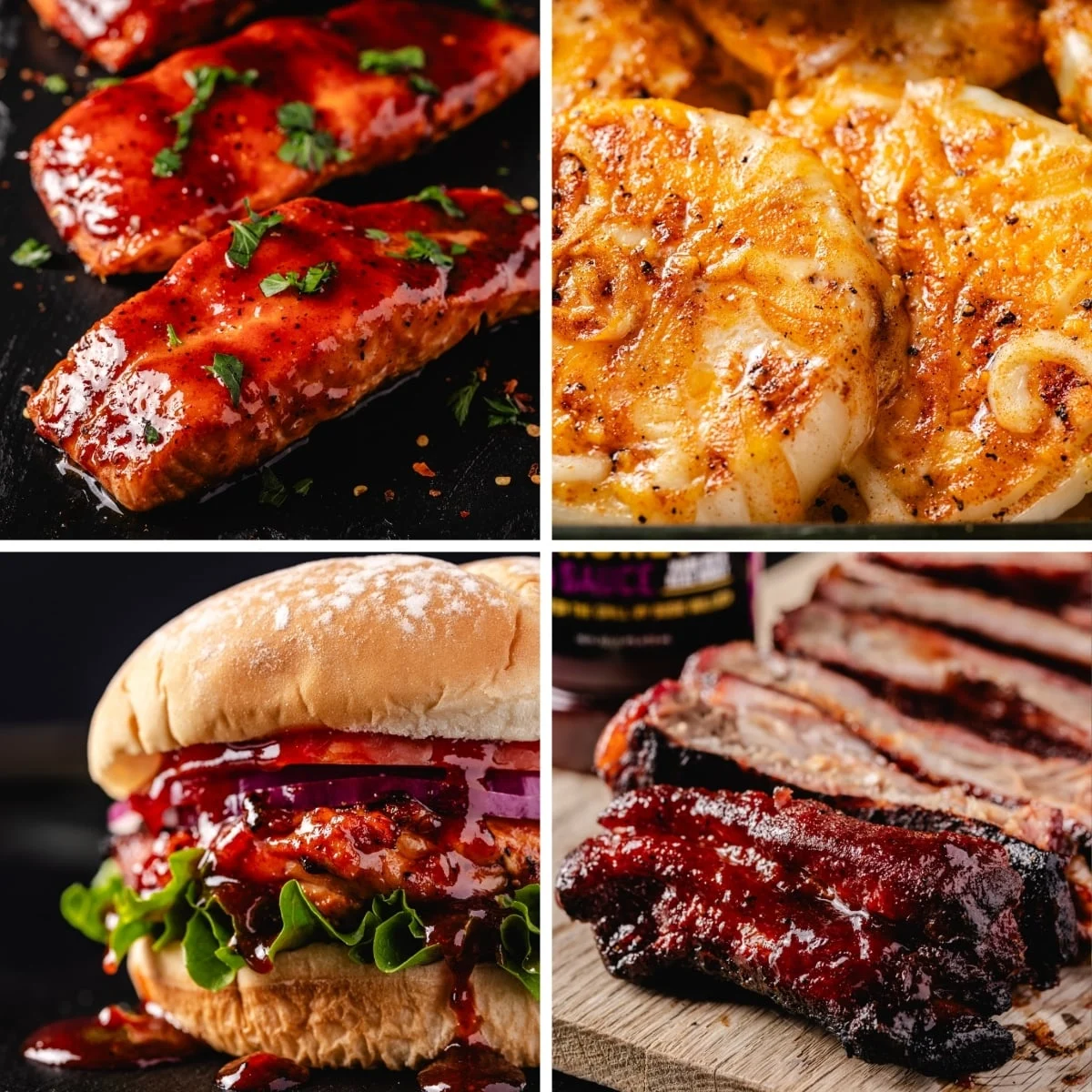
The artisanal seasoning industry has witnessed a significant shift toward complex flavor profiles, with the "spicy-sweet" combination emerging as a dominant force in both commercial and residential kitchens. Central to this movement is the Spicy Sweet Rub developed by Susie Bulloch, founder of the BBQ brand Hey Grill Hey. This seasoning blend is designed to bridge the gap between traditional brown-sugar-based dry rubs and the more contemporary demand for capsaicin-driven heat. By utilizing a foundational layer of sweetness to facilitate the Maillard reaction and a secondary layer of smoky heat to provide depth, the rub has become a versatile tool for home cooks aiming to achieve professional-grade results. The following analysis examines five primary culinary applications for this seasoning, the market trends supporting the rise of such flavor profiles, and the broader implications for the outdoor cooking industry.
The Evolution of the Spicy-Sweet Flavor Profile in American Barbecue
The emergence of "spicy-sweet" (often colloquially referred to as "swicy") as a preferred flavor profile is not an isolated trend. According to consumer market data from the past five years, the demand for hot honey and chili-infused sweeteners has increased by over 40% in the United States. This shift represents an evolution from the localized, regional barbecue styles of the mid-20th century—such as the vinegary sauces of North Carolina or the heavy molasses of Kansas City—toward a more hybridized approach.

Susie Bulloch, a recognized figure in the barbecue community and a frequent contributor to national food media, developed the Spicy Sweet Rub to capitalize on this intersection. The product functions as a multifaceted seasoning that serves both as a dry brine and a finishing agent. Its chemical composition relies on the hygroscopic nature of sugar to draw moisture to the surface of the meat, while the spice components infuse the fat and proteins during the slow-cooking process.
1. High-Heat Application: The Spicy Sweet Grilled Chicken Sandwich
In the context of the "chicken sandwich wars" that have dominated the fast-food industry for several years, there is a growing consumer preference for high-quality, home-prepared alternatives. The application of Spicy Sweet Rub to grilled chicken breasts represents a move away from the heavy breading and deep-frying traditionally associated with the dish.
The technical process involves coating lean chicken protein with the rub before exposing it to direct flame. This method allows the sugars in the rub to caramelize rapidly, creating a charred exterior that contrasts with the juicy interior. Market analysis suggests that home cooks are increasingly seeking "restaurant-quality" experiences at home to mitigate the rising costs of dining out. By utilizing a specialized rub, the home cook can replicate complex flavor layers—sweetness, smoke, and heat—without the need for extensive marinade times or professional kitchen equipment.

2. Low-and-Slow Precision: Hot Honey Pork Ribs
Pork ribs remain a cornerstone of American barbecue, traditionally relying on a heavy application of sweet rub to develop a "bark," or a dark, flavorful crust. The introduction of the Spicy Sweet Rub into the rib-smoking process adds a layer of complexity that standard sweet rubs lack.
In this application, the rub is applied to the raw pork, which is then subjected to low temperatures (typically between 225°F and 250°F) for several hours. The smoke from the wood interacts with the spices in the rub, while the brown sugar base melts into the rendering fat of the pork. The final result is a "fall-off-the-bone" texture with a flavor profile that transitions from an initial sweetness to a lingering, smoky heat. This specific recipe often incorporates a "Hot Honey" glaze, further leaning into the trend of layering different types of sweetness and heat to create a more sophisticated palate experience.
3. Culinary Versatility: Smoky Tennessee Onions
While barbecue rubs are traditionally associated with animal proteins, their application in vegetable-based side dishes is a growing trend in the outdoor cooking sector. The Tennessee Onion recipe serves as a case study in how a spicy-sweet profile can enhance the natural sugars found in Allium vegetables.

This dish involves slicing sweet onions and coating them with the rub and a significant amount of cheddar cheese. When placed in a smoker or grill, the onions undergo caramelization while the cheese melts and absorbs the smoky atmosphere. The Spicy Sweet Rub acts as a bridge between the pungent, sweet notes of the onion and the salty richness of the cheese. This application demonstrates the rub’s utility as an all-purpose seasoning, capable of elevating simple side dishes into complex, stand-alone appetizers.
4. Modern Social Dining: Loaded Chicken Nachos
The rise of "social dining" and home entertaining has increased the demand for recipes that are both visually appealing and easy to share. Loaded Chicken Nachos, featuring chicken seasoned with the Spicy Sweet Rub, exemplify this shift.
In this scenario, the seasoning is used to flavor shredded chicken, which is then layered with tortilla chips, melted cheese, and fresh pico de gallo. The rub provides a consistent flavor thread that ties the various components together. From a marketing perspective, such recipes are vital for brands like Hey Grill Hey, as they encourage the use of the product in non-traditional barbecue settings, such as game-day gatherings or casual family dinners. The "swicy" shredded chicken provides a contrast to the acidity of the salsa and the creaminess of the sour cream, creating a balanced flavor profile that appeals to a wide demographic.

5. Seafood Innovation: Hot Honey Salmon
Seafood has historically been treated with lighter, citrus-based seasonings. However, the application of bold barbecue rubs to fatty fish like salmon is gaining traction. The Hot Honey Salmon recipe utilizes the Spicy Sweet Rub to create a crust on the fish, which is then glazed with a hot honey barbecue sauce.
The high fat content of salmon makes it an ideal candidate for spicy-sweet flavors, as the fat helps to mellow the heat of the spices while the sweetness complements the fish’s natural oils. This application also highlights the health-conscious segment of the barbecue market. Consumers who are looking to increase their intake of omega-3 fatty acids but are bored with traditional preparation methods find the bold, "swicy" profile of the rub to be a compelling reason to incorporate more seafood into their diet.
Industry Impact and the "Backyard BBQ Hero" Movement
The success of niche seasoning products is intrinsically linked to the "Backyard BBQ Hero" movement, a term popularized by Bulloch to describe the democratization of professional-level cooking skills. Through digital platforms like YouTube, Instagram, and Facebook, creators have transformed the outdoor cooking landscape from a hobby into a lifestyle.

Supporting data indicates that the global barbecue grill market was valued at approximately $5.5 billion in 2023 and is expected to grow at a CAGR of 4.8% through 2030. Parallel to this is the growth of the seasonings and spices market, which is increasingly driven by "premiumization." Consumers are no longer satisfied with generic "poultry" or "steak" seasonings; they are seeking brand-specific, chef-curated blends that offer a narrative and a specific flavor promise.
Chronology of the Hey Grill Hey Brand Expansion
The development of the Spicy Sweet Rub is part of a broader timeline of brand expansion for Susie Bulloch:
- 2015: Launch of the Hey Grill Hey website as a recipe resource.
- 2016-2018: Rapid growth of the digital community and appearances on major television networks, including the Food Network.
- 2019: Introduction of the signature product line, including the Sweet Rub and various sauces.
- 2021-2023: Launch of the Spicy Sweet Rub and the integration of "Phygital" marketing strategies, such as QR codes on packaging that link directly to digital menus and video tutorials.
Broader Implications for the Food and Beverage Sector
The integration of specific seasonings into a wide variety of dishes—from ribs to nachos to salmon—reflects a broader trend of culinary "cross-pollination." Professional journalists and food critics have noted that the lines between high-end culinary techniques and backyard grilling are blurring. The use of a single rub across five distinct categories of food (pork, chicken, vegetables, appetizers, and seafood) suggests a move toward efficiency and minimalism in the kitchen, where one high-quality ingredient can replace a dozen individual spices.

Furthermore, the emphasis on community and social sharing, as encouraged by Bulloch’s "Hey Grill Hey" platform, points to the evolving role of the consumer. In the modern food economy, the consumer is also a brand ambassador and a content creator. By tagging products on social media and sharing photos of their "Spicy Sweet" creations, they contribute to a feedback loop that drives product innovation and brand loyalty.
In conclusion, the Spicy Sweet Rub represents more than just a seasoning; it is a manifestation of current culinary trends toward bold, hybridized flavors and the professionalization of the home cook. As the outdoor cooking market continues to expand, the versatility of such products will likely remain a key driver of consumer engagement and industry growth. Whether used for slow-smoked ribs or a quick grilled chicken sandwich, the rub serves as a foundational tool for those seeking to master the art of the barbecue.
