

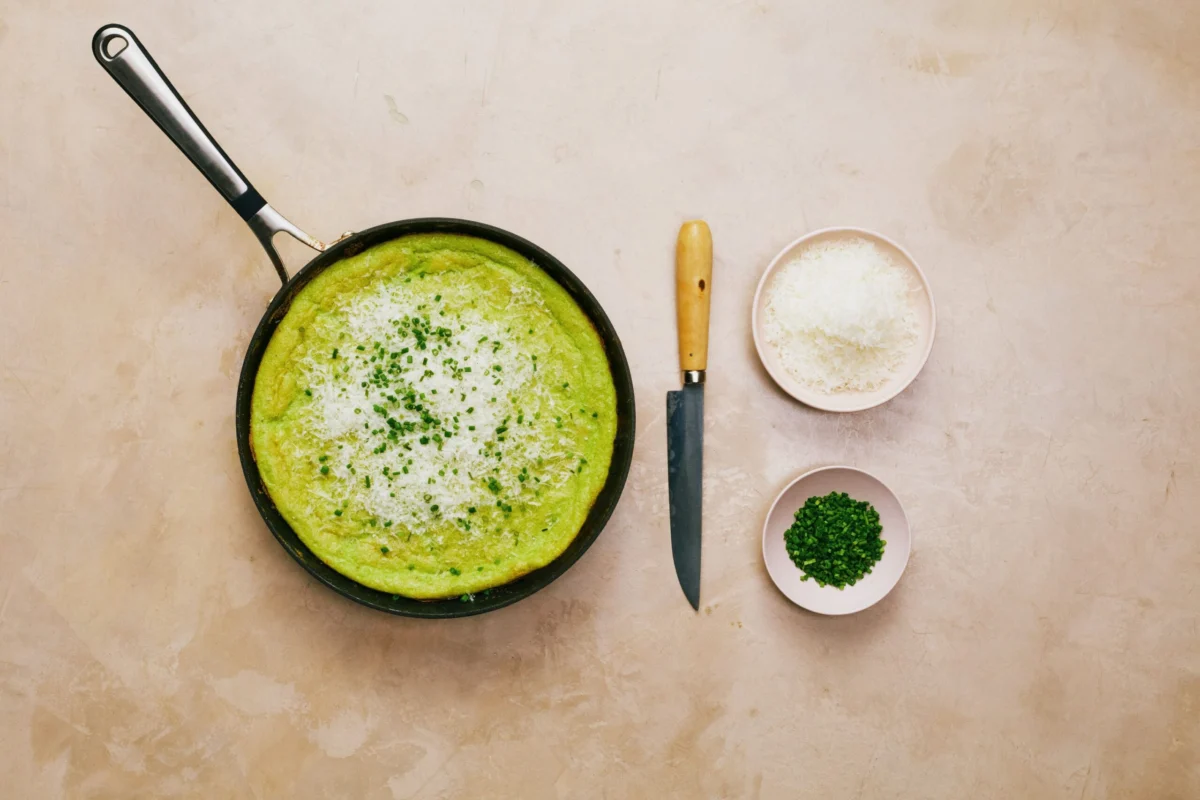
A sophisticated culinary interpretation of the whimsical classic, "Green Eggs and Ham," is rapidly gaining traction within contemporary gastronomy, offering a natural and elegant approach to a dish long confined to the realm of fiction or artificial colorants. This innovative preparation, centered on the natural tinting power of fresh chives, transforms a breakfast staple into a versatile offering suitable for any meal, from a leisurely breakfast to a late-afternoon lunch. The methodology, largely reliant on modern kitchen technology, streamlines the creation of a vibrant, flavor-rich frittata that marries nostalgic appeal with refined culinary technique.
Historical Context: From Seuss to Sophistication
The concept of "green eggs and ham" first captivated audiences in 1960 with the publication of Dr. Seuss’s iconic children’s book. The persistent refusal of the character Sam-I-Am to try the unusual dish, and his eventual enthusiastic acceptance, cemented its place in popular culture as a symbol of overcoming reluctance and embracing new experiences. For decades, attempts to recreate this dish in reality often involved artificial food colorings, leading to visually striking but often flavor-compromised results. The current culinary evolution marks a significant departure, prioritizing natural ingredients and genuine flavor profiles over mere visual novelty.
This shift aligns with broader trends in food consumption and preparation, where authenticity, ingredient transparency, and health consciousness are increasingly paramount. Consumers are gravitating towards dishes that not only look appealing but also offer nutritional value and are free from synthetic additives. The chive-infused approach directly addresses this demand, offering a visually stunning dish derived entirely from natural sources.
The Precision of Preparation: Chives as the Natural Pigment
At the heart of this reimagined dish lies the strategic use of chives, a delicate member of the onion family. Unlike artificial dyes that merely impart color, chives contribute a subtle, oniony freshness that elevates the overall flavor profile of the eggs. The process leverages the efficiency of a kitchen blender, where a substantial quantity of chives – often a nearly full bunch – is blitzed with the eggs. This high-speed emulsification not only thoroughly distributes the chive particles, ensuring an even green tint, but also begins to aerate the egg mixture, contributing to a lighter texture in the final frittata.
The selection of chives is critical to the success of this preparation. Culinary experts and farmers market proponents consistently advocate for fresh, taut chives, ideally sourced from local farmers markets. These typically possess a more intense color and robust flavor compared to their often-wilted supermarket counterparts. Furthermore, chives from local growers may present with delicate, budding mauve flowers. These edible blossoms are not merely decorative; they offer a mild, onion-garlic flavor and a beautiful visual contrast, adding an extra layer of gourmet appeal when reserved for garnish rather than blended. This emphasis on premium, fresh ingredients underscores a growing consumer appreciation for quality sourcing and the farm-to-table movement.
Nutritional Profile and Ingredient Synergy
Beyond their aesthetic and flavor contributions, chives offer a range of nutritional benefits. They are a good source of Vitamin K, essential for blood clotting and bone health, and Vitamin C, an important antioxidant. They also contain small amounts of Vitamin A, folate, and various minerals. When combined with eggs, which are a powerhouse of protein, essential amino acids, choline (crucial for brain health), and vitamins D and B12, the dish forms a nutritionally dense meal. The ham component, typically a source of protein and some B vitamins, rounds out the macronutrient profile, making the "Green Eggs and Ham" frittata a wholesome and satisfying option.
The synergy of these ingredients is not accidental. The mild pungency of the chives complements the richness of the eggs and the savory depth of the ham, creating a balanced flavor experience. The natural oils and enzymes in the fresh chives also contribute to the emulsification process, further enhancing the texture and consistency of the egg mixture.
The Frittata Format: Elegance and Practicality
While the original concept of green eggs might evoke scrambled preparations, this modern rendition wisely adopts the frittata format. A frittata, an Italian egg-based dish similar to an omelet or quiche, is typically enriched with various ingredients and cooked on the stovetop before being finished in the oven. This method offers several distinct advantages for the "Green Eggs and Ham" concept:
- Uniformity: The frittata structure allows for even distribution of the chive-infused eggs, ensuring a consistent green hue throughout each slice.
- Ease of Serving: Cooked and often served directly from a cast-iron skillet, frittatas are inherently communal. They can be cleanly sliced into wedges or portioned into rustic scoops with a large serving spoon, accommodating various dining preferences. This "straight-from-the-skillet" presentation also adds to the dish’s rustic charm and reduces the need for additional serving dishes.
- Texture Control: The oven-finishing process helps achieve a consistent, tender texture throughout the frittata, avoiding the rubbery consistency that can result from overcooked scrambled eggs.
- Versatility: Frittatas are inherently adaptable. While ham is the classic pairing, variations could include crispy pancetta, prosciutto, or even smoked salmon, expanding its appeal to diverse palates and dietary preferences.
Mastering the Emulsification: A Test Kitchen Imperative
Crucial to achieving the desired light and airy texture of the frittata is precise control over the blending process, particularly once dairy components are introduced. Insights from professional test kitchens highlight a common pitfall: overblending the egg mixture once cream or cheese has been added. Incorporating too much air at this stage can lead to a frittata with an undesirable spongy, rubbery texture.
The recommended technique involves a two-stage blending process:
- Initial High-Speed Blend: The chives and eggs are first blended together on high speed. This efficiently pulverizes the chives and incorporates them fully into the eggs, ensuring vibrant color and flavor distribution. This stage benefits from higher aeration.
- Quick Whisk with Dairy and Cheese: Once the chives and eggs are thoroughly combined, the cream and grated cheese are added, and the mixture is given only a quick pulse or whisk. This brief incorporation encourages seamless emulsification – where fats and liquids are smoothly combined – without introducing excessive air. The goal is to integrate the dairy and cheese for richness and flavor without creating an overly frothy mixture that would result in a less desirable texture upon baking.
This meticulous approach underscores the scientific principles underlying successful culinary execution, transforming what appears to be a simple dish into one requiring careful attention to detail for optimal results. The temperature of the ingredients can also play a subtle role; bringing eggs and cream to room temperature before blending can sometimes aid in smoother emulsification.
The Brunch Phenomenon and Seasonal Sourcing
The emergence of such a refined "Green Eggs and Ham" dish is intrinsically linked to the continued evolution of brunch culture. Originating in England in the late 19th century, brunch – a portmanteau of breakfast and lunch – gained significant popularity in the United States in the mid-20th century. Today, it has become a cherished weekend ritual, a social occasion where diners seek both comfort and culinary innovation. Dishes that offer a unique twist on familiar fare, like this chive-infused frittata, are perfectly positioned to capitalize on this market.
The emphasis on sourcing high-quality, fresh chives from farmers markets also reflects a broader societal movement towards sustainable and local eating. The "farm-to-table" philosophy, which champions direct procurement of ingredients from local producers, has gained considerable momentum. This trend is driven by consumer demand for fresher, more flavorful produce, concerns about food miles and environmental impact, and a desire to support local economies. Farmers markets serve as vital conduits in this ecosystem, connecting consumers directly with the growers of premium produce, including specialty herbs like those found with budding mauve flowers.
The seasonal availability of chives, typically peaking from spring through early summer, further integrates this dish into a broader culinary calendar that celebrates fresh, seasonal ingredients. While cultivated chives are available year-round, their peak flavor and visual appeal are often observed during these months, aligning perfectly with the typical brunch season.
Broader Culinary Implications and Future Trends
The reinterpretation of "Green Eggs and Ham" carries several broader implications for the culinary landscape:
- Innovation in Comfort Food: It demonstrates how classic, comforting dishes can be elevated through thoughtful ingredient selection and refined techniques, appealing to a generation of diners who appreciate both nostalgia and gourmet quality.
- Natural Aesthetics: The shift from artificial colorants to natural pigmentation from ingredients like chives highlights a growing preference for authentic visual appeal in food, often amplified by social media’s focus on aesthetically pleasing dishes.
- Home Cooking Empowerment: Recipes that simplify complex flavors through efficient techniques (like blender use) empower home cooks to recreate restaurant-quality dishes, fostering greater engagement in home culinary pursuits. This trend has been particularly strong in the wake of global events that have encouraged more cooking at home.
- Sustainability and Local Economies: By promoting the use of fresh, locally-sourced herbs, the dish indirectly supports local farmers and sustainable agricultural practices, aligning with ethical consumerism.
Culinary analysts suggest that this type of thoughtful innovation, which respects the integrity of ingredients while pushing creative boundaries, represents the future direction of mainstream cuisine. Food technologists observe the increasing sophistication in home kitchen appliances, making such precise preparations more accessible than ever before. Farmers market associations report a sustained increase in consumer interest for specialty herbs and heirloom varieties, indicating a robust demand for the unique characteristics offered by locally grown produce. Chefs, in turn, emphasize the delicate balance required to present a dish that is both playful and gastronomically serious.
In conclusion, the chive-infused green eggs and ham frittata stands as more than just a recipe; it is a culinary statement. It bridges the gap between childhood whimsy and adult sophistication, leveraging natural ingredients and precise techniques to create a dish that is visually striking, nutritionally sound, and deeply flavorful. Its emergence reflects a confluence of consumer preferences for natural ingredients, the enduring appeal of brunch culture, and a growing appreciation for the artistry inherent in thoughtful home cooking. As it gains further popularity, this innovative preparation is poised to become a lasting fixture in contemporary cuisine, proving that some classics are indeed ripe for a vibrant, natural reinterpretation.
