

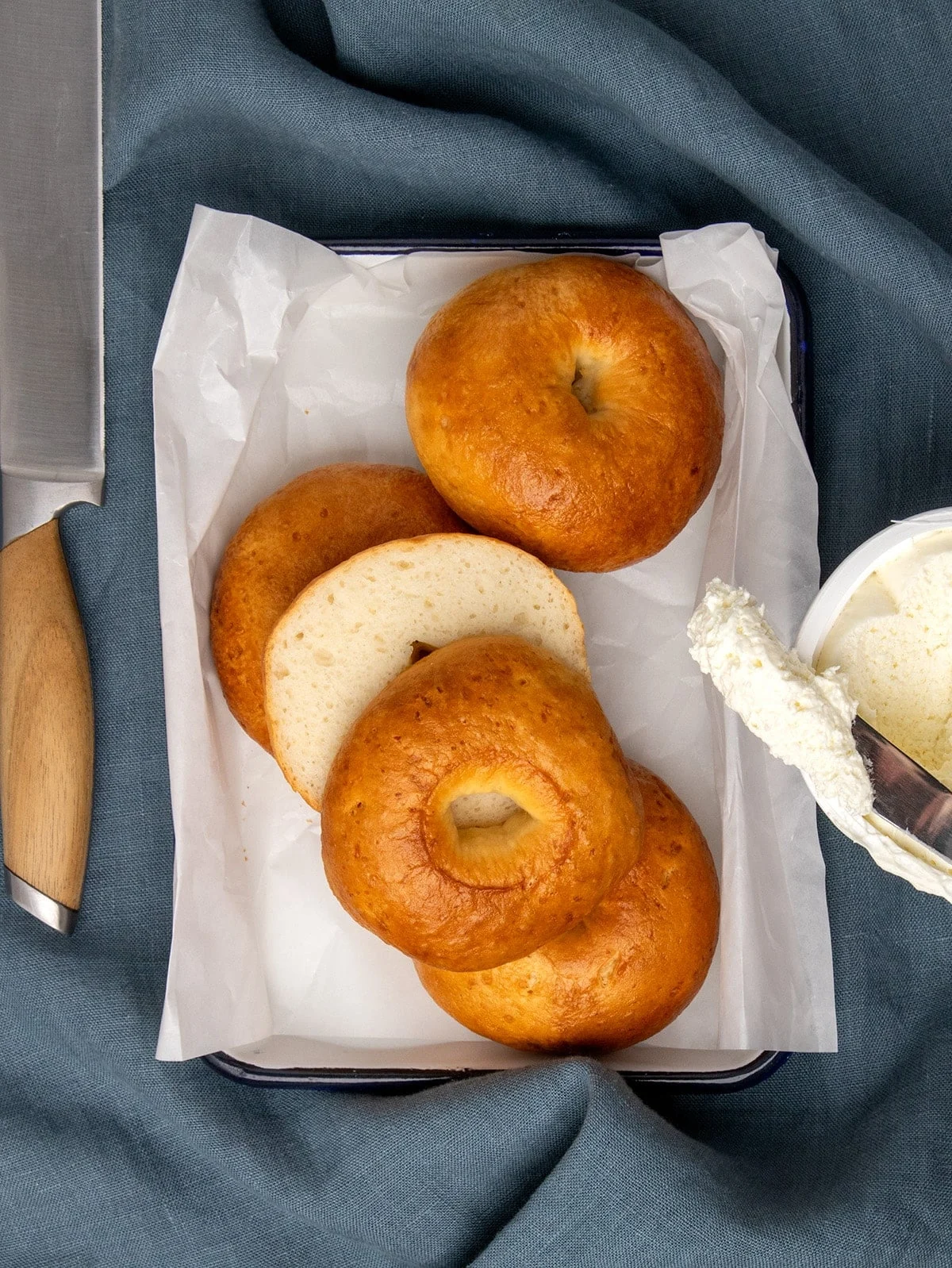
A groundbreaking recipe for authentic gluten-free New York-style bagels has emerged, promising to deliver the chewy crust and satisfying texture that many believed were lost forever to those avoiding gluten. Developed by Nicole Hunn, a New York native and founder of Gluten Free on a Shoestring, this recipe aims to recreate the iconic bagel experience using entirely gluten-free ingredients. The key innovations lie in a precise dough preparation and a traditional boiling step, which are crucial for achieving the signature bagel characteristics.
The Quest for the Perfect Gluten-Free Bagel
For individuals adhering to a gluten-free diet, the absence of traditional bread products like bagels often represents a significant culinary challenge. New York City, renowned globally for its quintessential bagels, has long been a benchmark for this beloved breakfast staple. Hunn, drawing from her personal experience and culinary expertise, identified the need for a gluten-free alternative that doesn’t compromise on taste or texture.
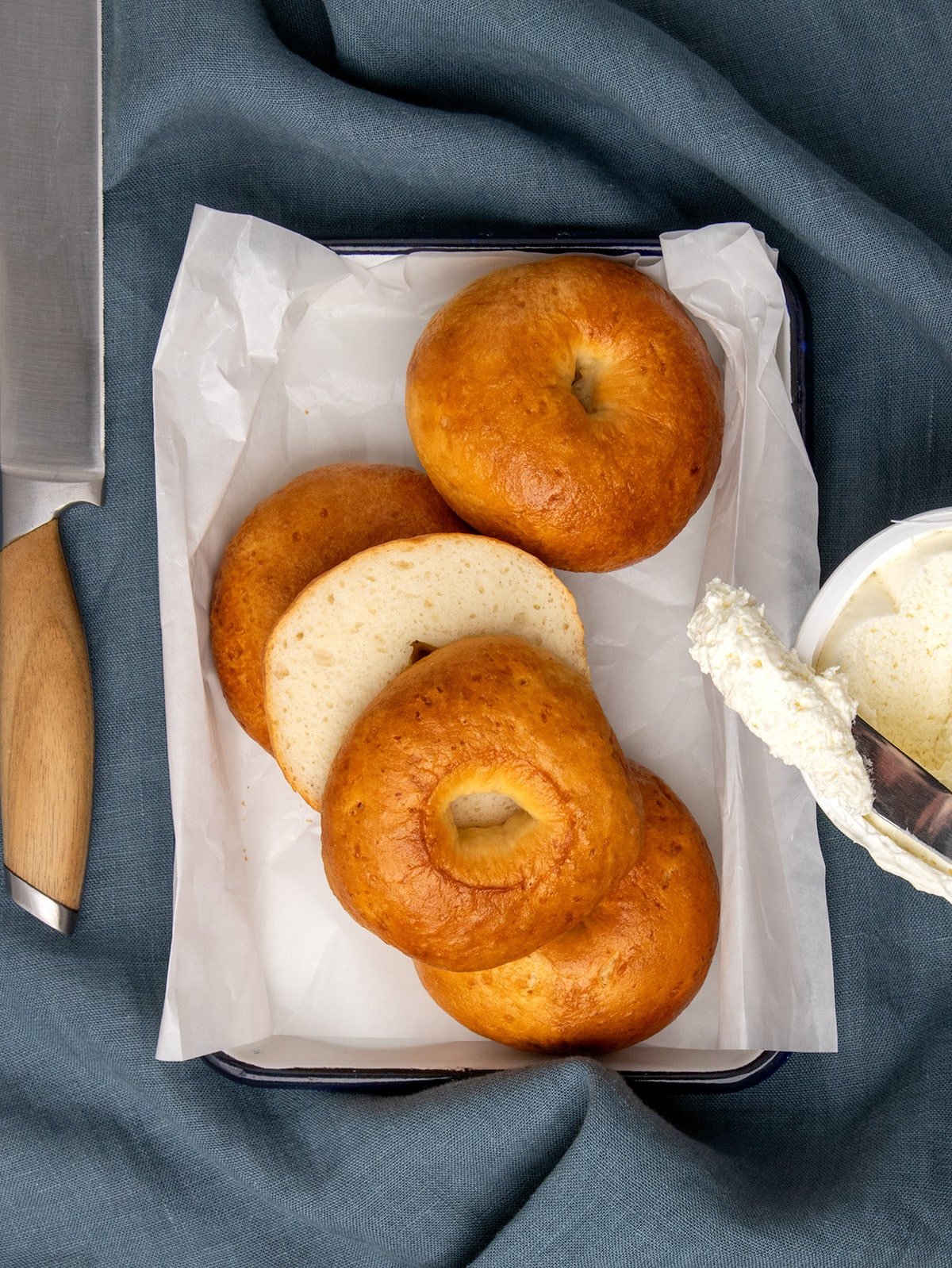
"As a born and raised New Yorker, chewy, crusty New York-style bagels have always been very important to me," Hunn states in her recipe documentation. "Now I bring them to you, gluten free!"
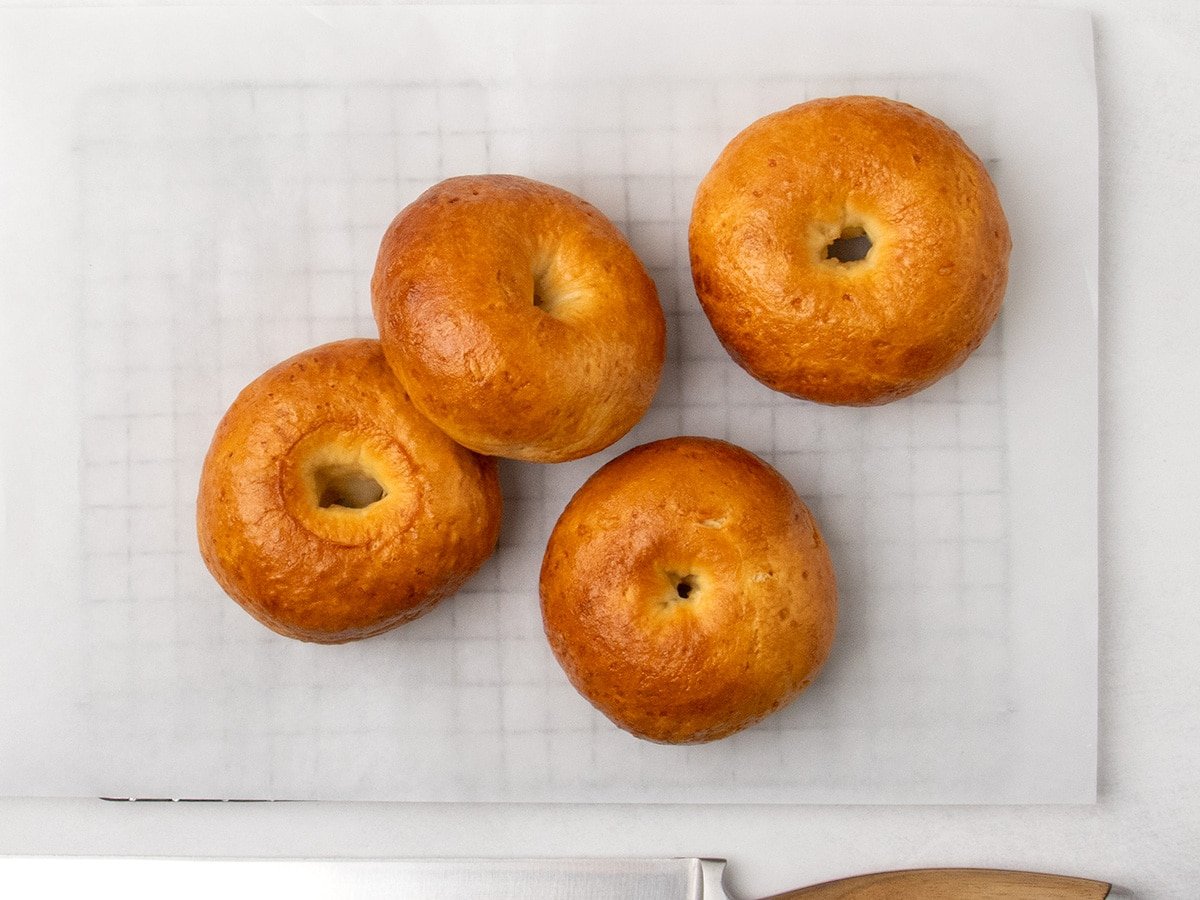
The development process behind this recipe focused on overcoming common pitfalls in gluten-free baking, particularly in yeast-risen doughs. The goal was to achieve a bagel that is "crisp and fully browned on the outside and satisfyingly chewy inside, just like real New York bagels."
Innovative Techniques for Gluten-Free Success
The recipe’s success hinges on two primary techniques: a cold rise for dough manageability and a molasses bath for crust development.
The Cold Rise: Enhancing Dough Handling and Flavor
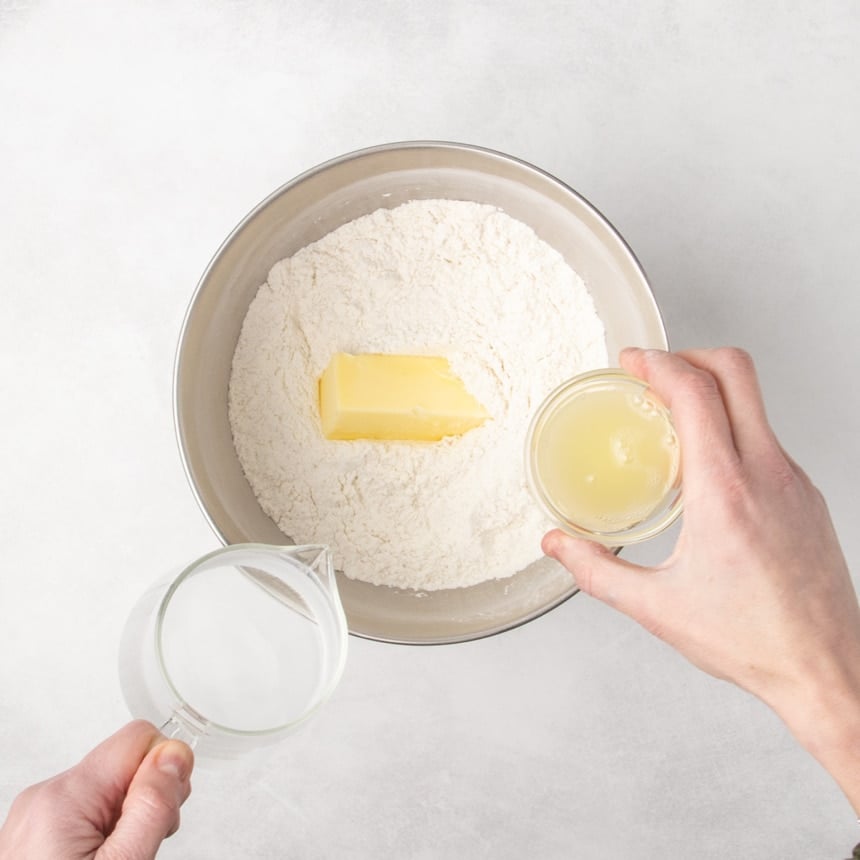
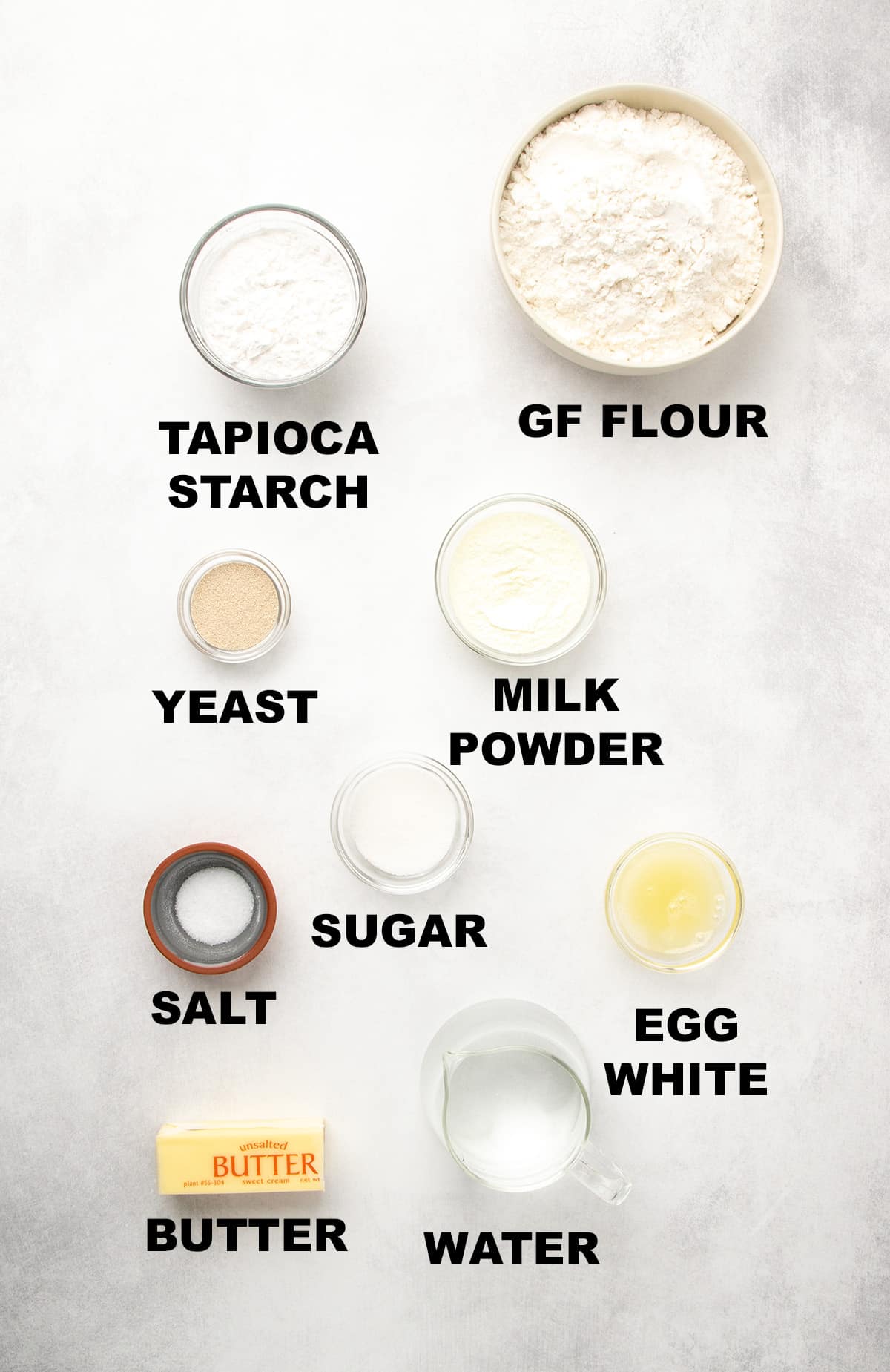
A crucial element of this recipe is the "cold rise" of the unshaped dough. After the initial mixing of ingredients—a blend of gluten-free flour, tapioca starch, milk powder, yeast, sugar, butter, egg white, and water—the dough undergoes a period of refrigeration. This cold fermentation, lasting from at least 30 minutes to up to two days, serves multiple purposes.
Firstly, it allows the gluten-free flours to fully absorb moisture, leading to a more hydrated and manageable dough. This is a critical factor in gluten-free baking, where doughs can often be sticky or crumbly. Secondly, the cold environment slows down yeast activity, promoting a slower, more controlled fermentation. This process not only develops a deeper, more complex yeasty flavor profile but also allows the butter within the dough to firm up. A firmer dough is significantly easier to shape without tearing or losing its structure, a common hurdle in gluten-free bread making.
The Molasses Bath: The Secret to a Chewy Crust
The defining characteristic of a New York-style bagel is its distinctive chewy crust. This recipe achieves this through a traditional method: boiling the bagels before baking. However, the recipe elevates this step by incorporating unsulfured molasses into the boiling water.
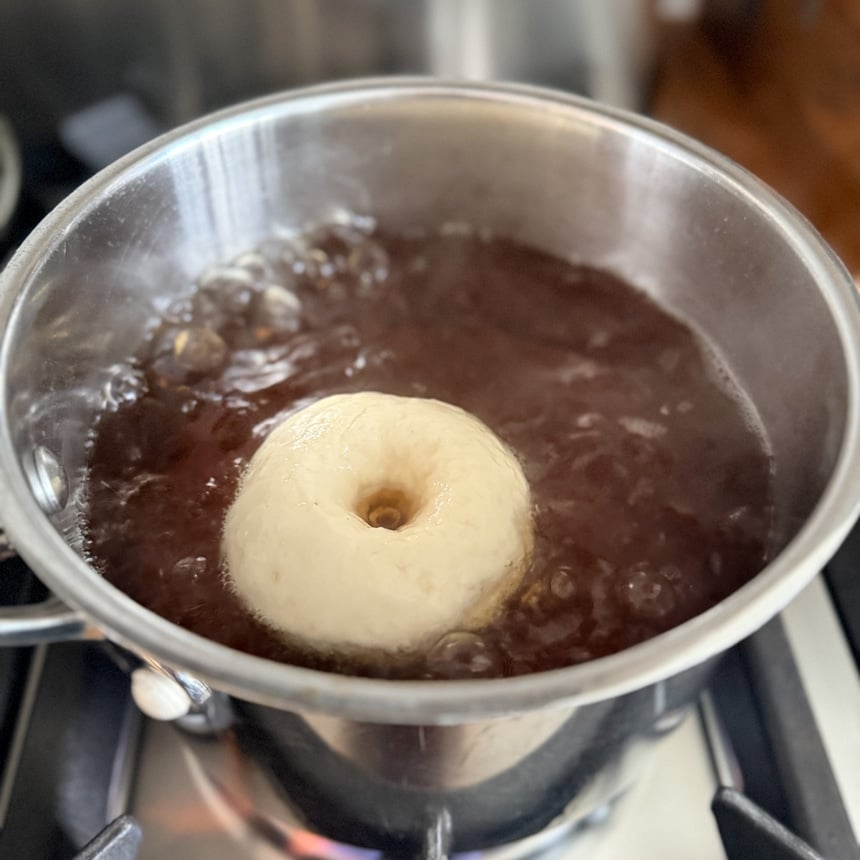
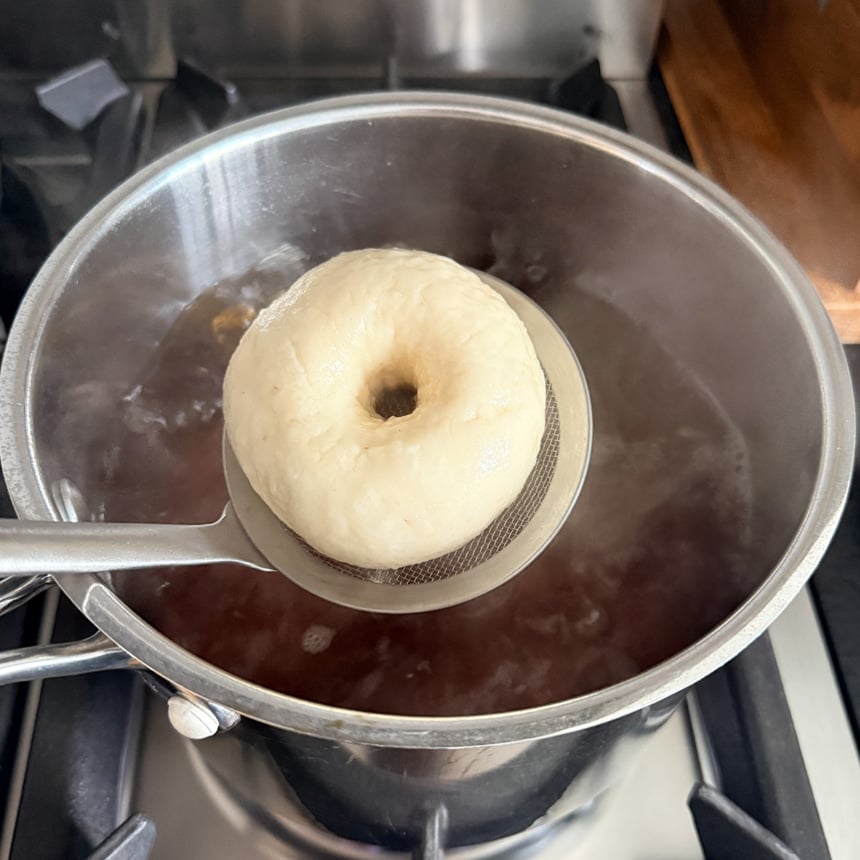
This molasses bath is integral to the bagel’s final texture and appearance. The boiling process gelatinizes the starches on the exterior of the dough, creating a barrier that restricts excessive oven spring. This controlled expansion results in a denser, chewier interior and a slightly crisper exterior. The molasses itself contributes to browning and adds a subtle, characteristic flavor that is a hallmark of authentic bagels. Boiling each bagel for less than a minute, flipping to ensure even cooking, is a precise step that sets the stage for the final bake.
Recipe Breakdown: Key Ingredients and Their Roles
The recipe employs specific ingredients to ensure optimal results in gluten-free bagel production.
- Gluten-Free Flour Blend: The foundation of the recipe relies on a well-balanced all-purpose gluten-free flour blend. The article specifically recommends Nicole’s Best multipurpose blend, Vitacost’s Multi-Blend Gluten Free Flour with added xanthan gum, or Better Batter’s original all-purpose blend. The quality and composition of this blend are paramount, as less balanced blends may not yield the desired structure and texture.
- Tapioca Starch: This ingredient plays a vital role in providing structure, elasticity, and smoothness to the gluten-free dough. The recipe calls for extra tapioca starch beyond what might be present in the flour blend, underscoring its importance for achieving the correct dough consistency and chew.
- Milk Powder: Contributes to browning and adds a subtle richness to the bagel. For dairy-free alternatives, coconut milk powder is suggested.
- Yeast: Instant yeast is specified for its reliable and quick leavening action. The recipe notes that active dry yeast can be used, but it requires proofing.
- Egg White: Used both in the dough for structure and in the egg wash applied before baking. The egg wash contributes to a glossy, golden-brown finish. For an egg-free option, aquafaba (chickpea brine) is recommended as a dough binder, and melted butter or cream can be used as an egg wash substitute.
- Unsulfured Molasses: Essential for the boiling bath, providing the characteristic flavor and contributing to the chewy crust by interacting with the starches during the boiling process.
The Step-by-Step Process
The creation of these gluten-free bagels involves a meticulous, multi-stage process designed to optimize texture and flavor.
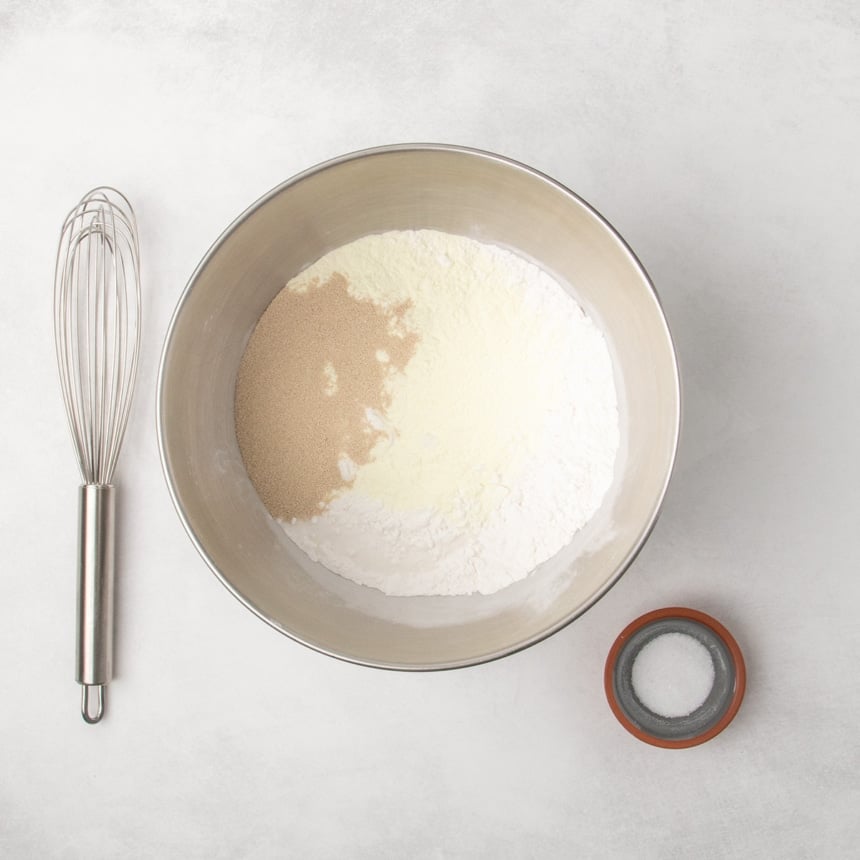
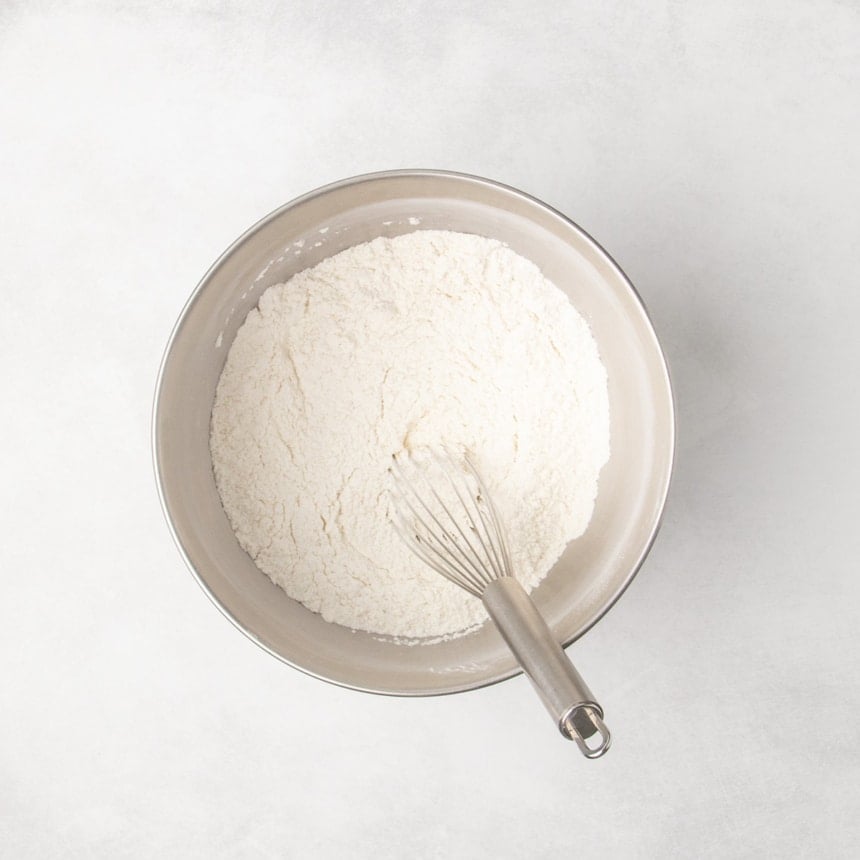
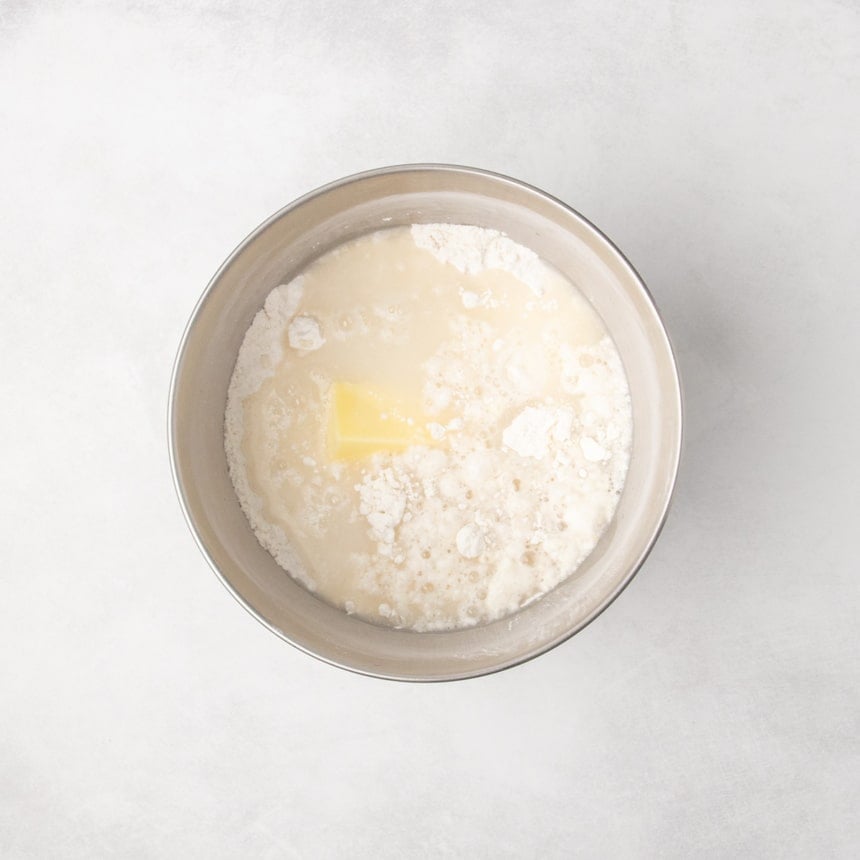
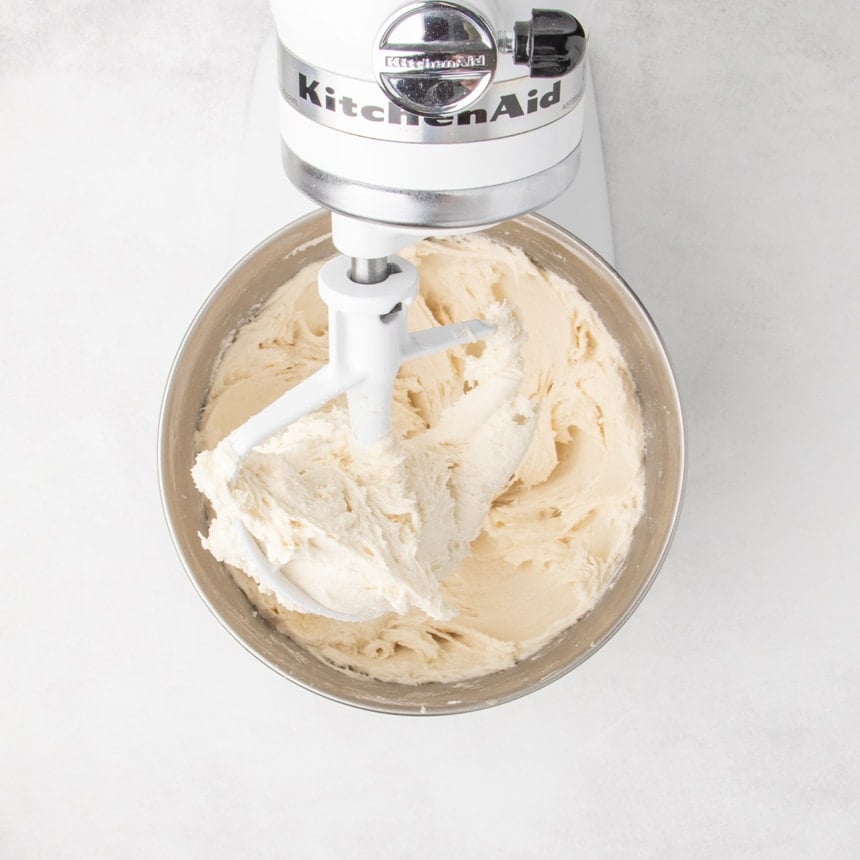
- Dough Preparation: Dry ingredients, excluding salt, are whisked together to ensure even distribution. Salt is then added, as direct contact with yeast can inhibit its activity. Wet ingredients, including softened butter, egg white, and warm water, are then incorporated. The mixture is then combined in a stand mixer with a paddle attachment.
- Mixing for Aeration: The dough is mixed on medium-high speed for approximately four minutes. This process is designed to aerate the dough, creating a "whipped appearance" and causing it to cling to the sides of the mixing bowl. This step is crucial for developing the structure necessary for gluten-free yeast-leavened products.
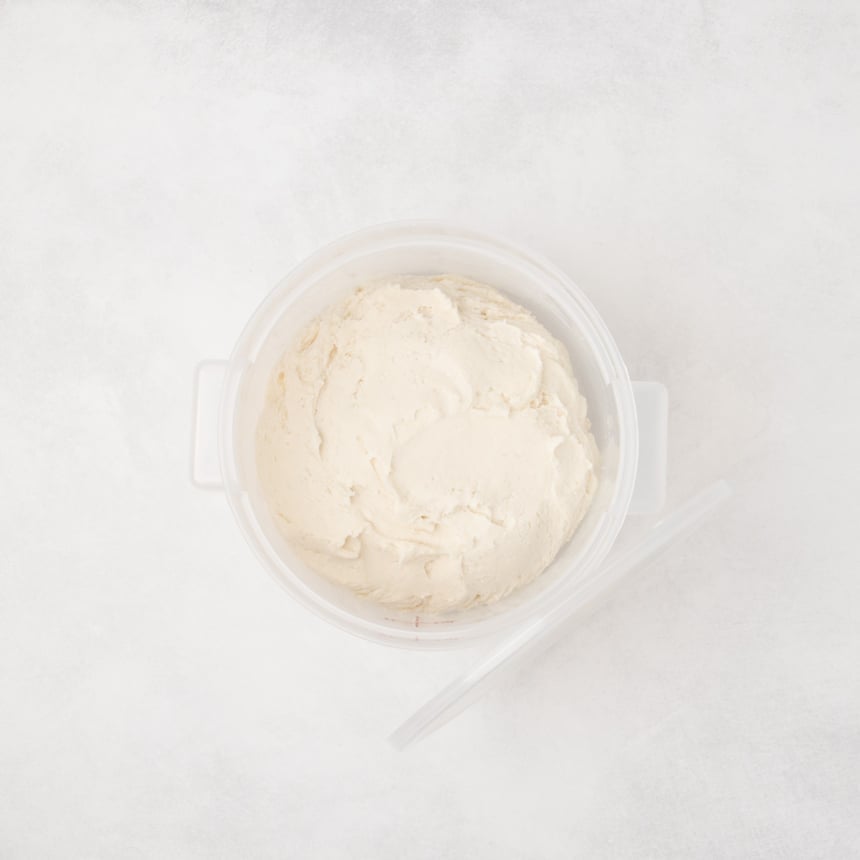
- Cold Fermentation: The prepared dough is transferred to a covered container and refrigerated for at least 30 minutes, and up to two days. This cold rise is key to flavor development and dough manageability.
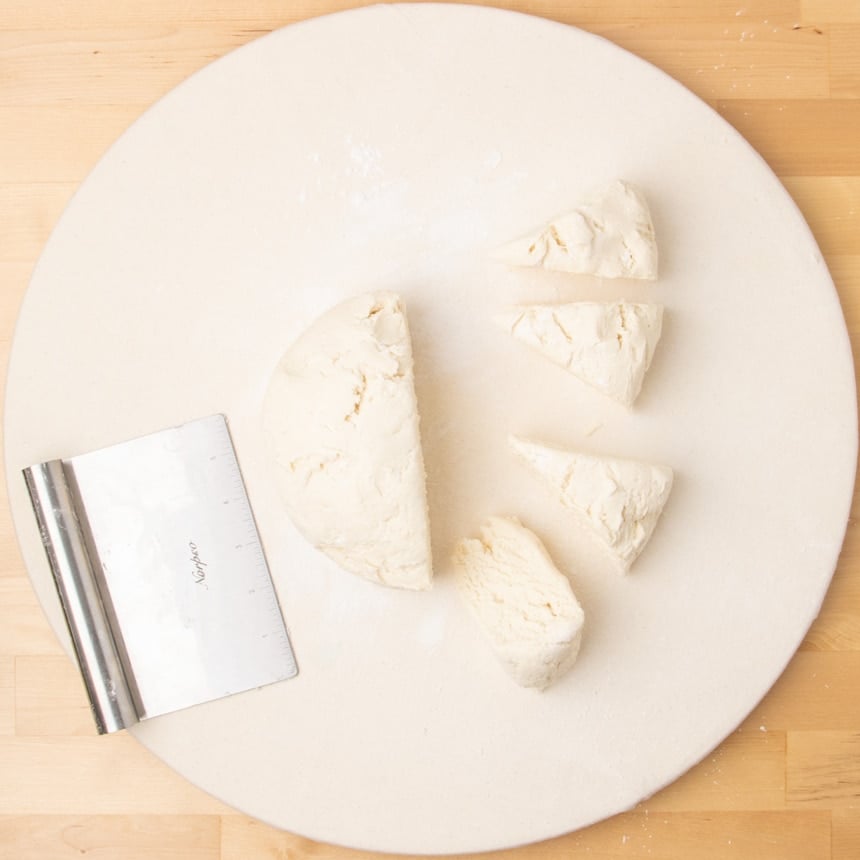
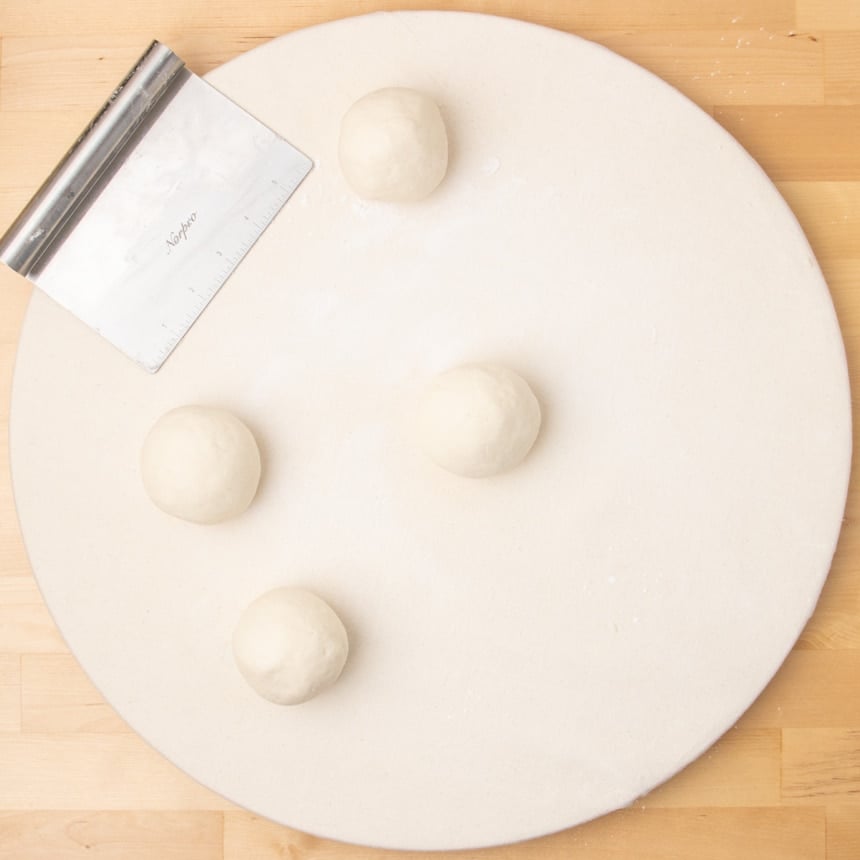
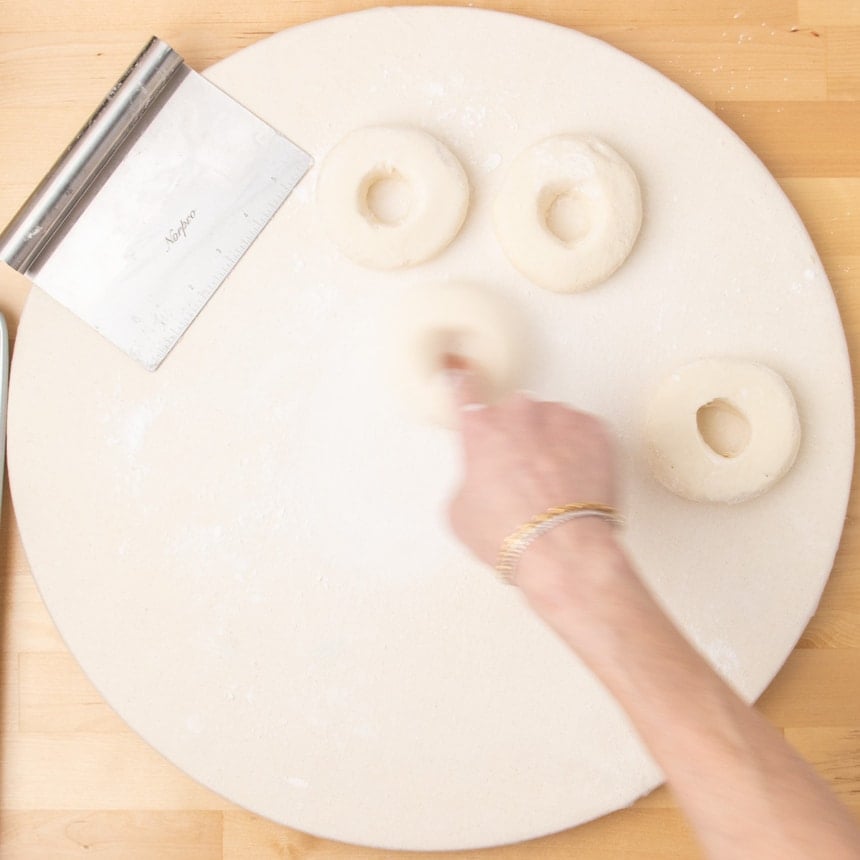
- Shaping the Bagels: The chilled dough is divided into eight equal portions, each weighing slightly over four ounces. Each portion is then shaped into a round using a cupping motion of the hand against a lightly floured surface. A hole is then created in the center using a floured finger, rotating to widen it.
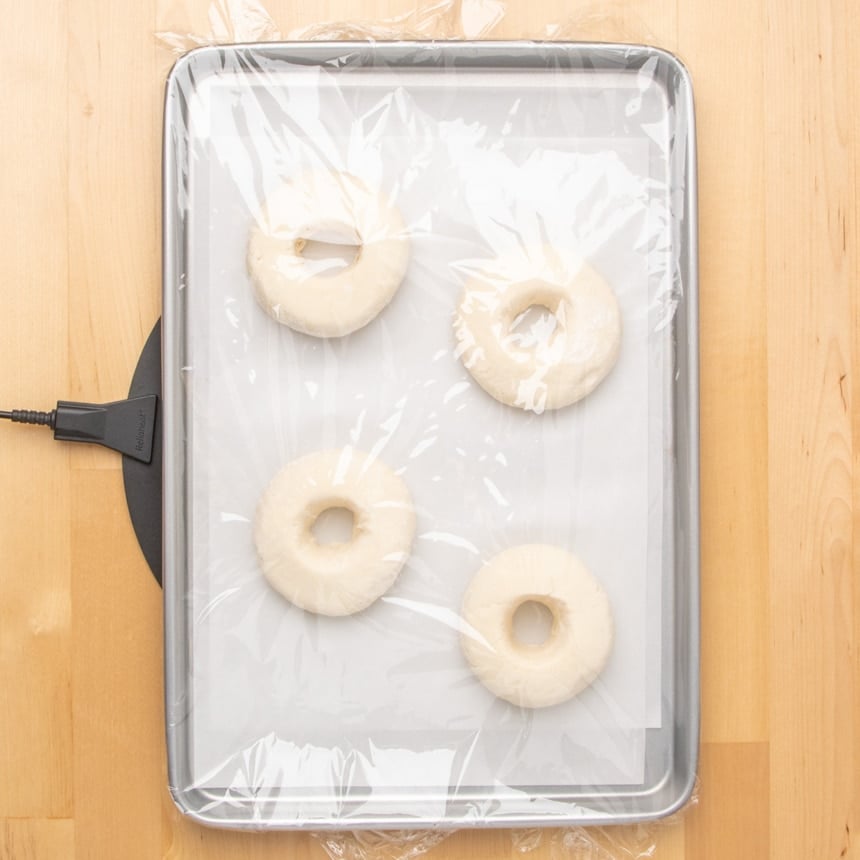
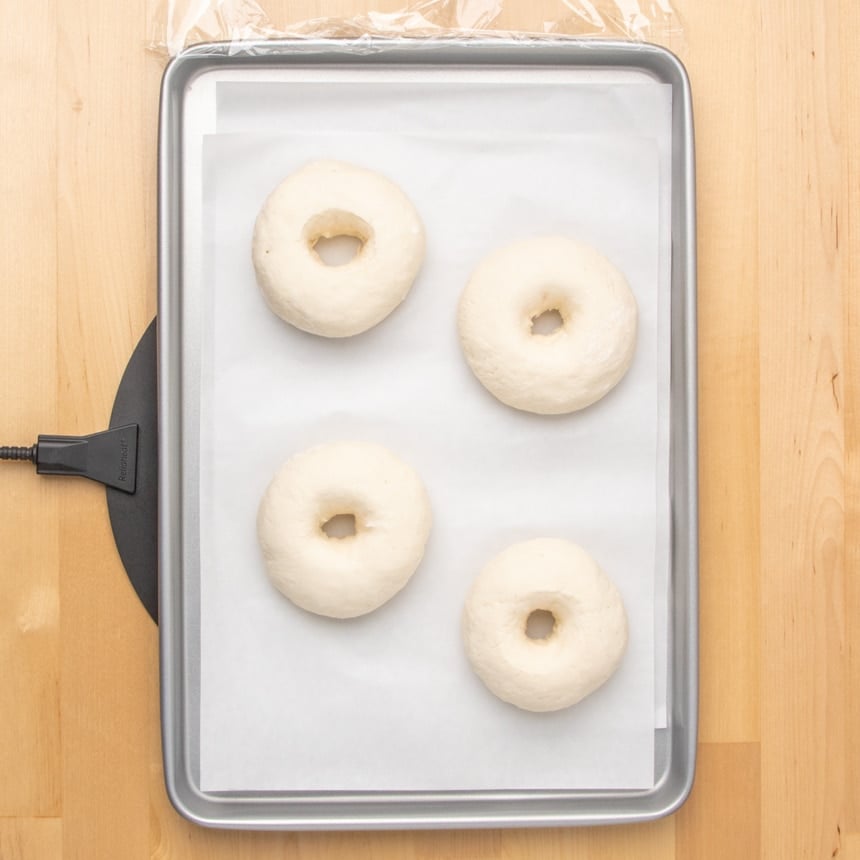
- Proofing the Shaped Dough: The shaped bagels are placed on lined baking sheets, covered loosely, and allowed to rise until approximately 50% larger. The article warns against overproofing, noting that a "dimpled look" indicates the dough may be over-risen and could disintegrate during boiling.
- The Boiling Bath: A rolling boil of water with unsulfured molasses is prepared. The risen bagels are carefully boiled for less than a minute total, ensuring both sides are submerged. This step is vital for achieving the characteristic chewy texture.
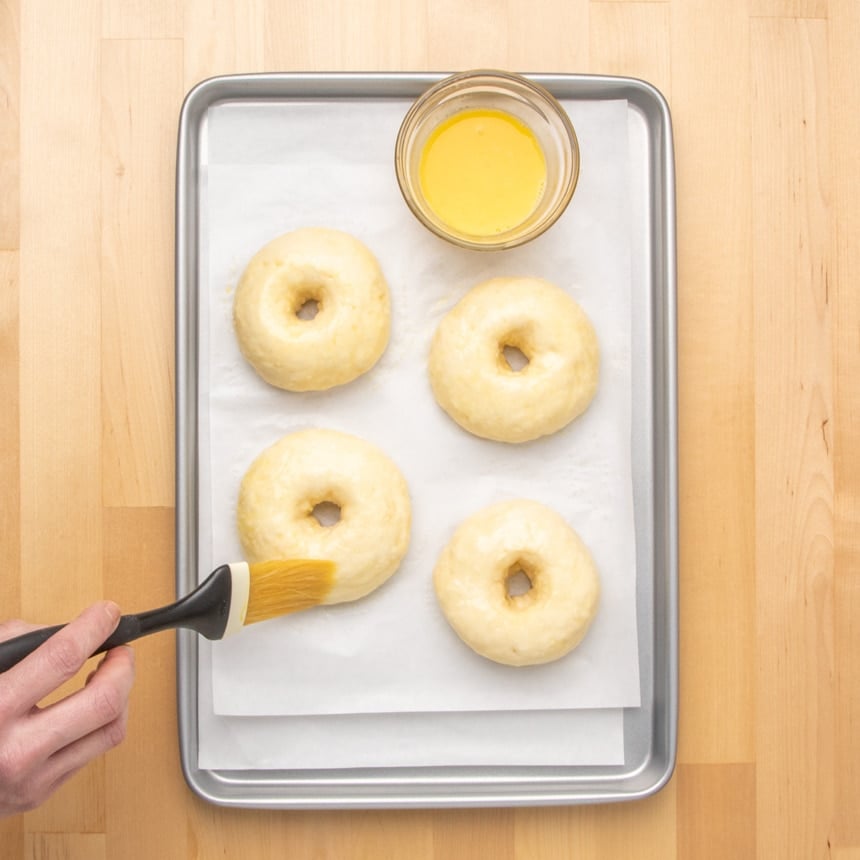
- Egg Wash and Baking: After boiling, the bagels are brushed with an egg wash for shine and browning. They are then baked at 375°F (190°C) for about 25 minutes, or until golden brown and reaching an internal temperature of 180°F (82°C).
Expert Insights and Substitutions
The article provides valuable insights for bakers aiming for successful gluten-free bagels.
Stand Mixer Alternatives: While a stand mixer is ideal, a food processor with a plastic dough blade can be used as an alternative, requiring careful pulsing and redistribution of ingredients to avoid overprocessing.
Storage Recommendations: Freshly baked bagels are best consumed within a day. For longer storage, they freeze exceptionally well when sliced and tightly sealed, remaining viable for up to three months.
Ingredient Flexibility: The recipe offers clear guidance for dairy-free and egg-free variations, ensuring broader accessibility for individuals with specific dietary needs. Coconut milk powder and vegan butter can replace dairy components, while aquafaba and melted butter or cream can be used as egg substitutes.
The development of this authentic gluten-free New York-style bagel recipe represents a significant advancement in gluten-free baking, offering a tangible solution for those seeking to enjoy this classic treat without dietary restrictions. The meticulous attention to dough handling, fermentation, and the traditional boiling method ensures a product that rivals its gluten-containing counterparts.
