

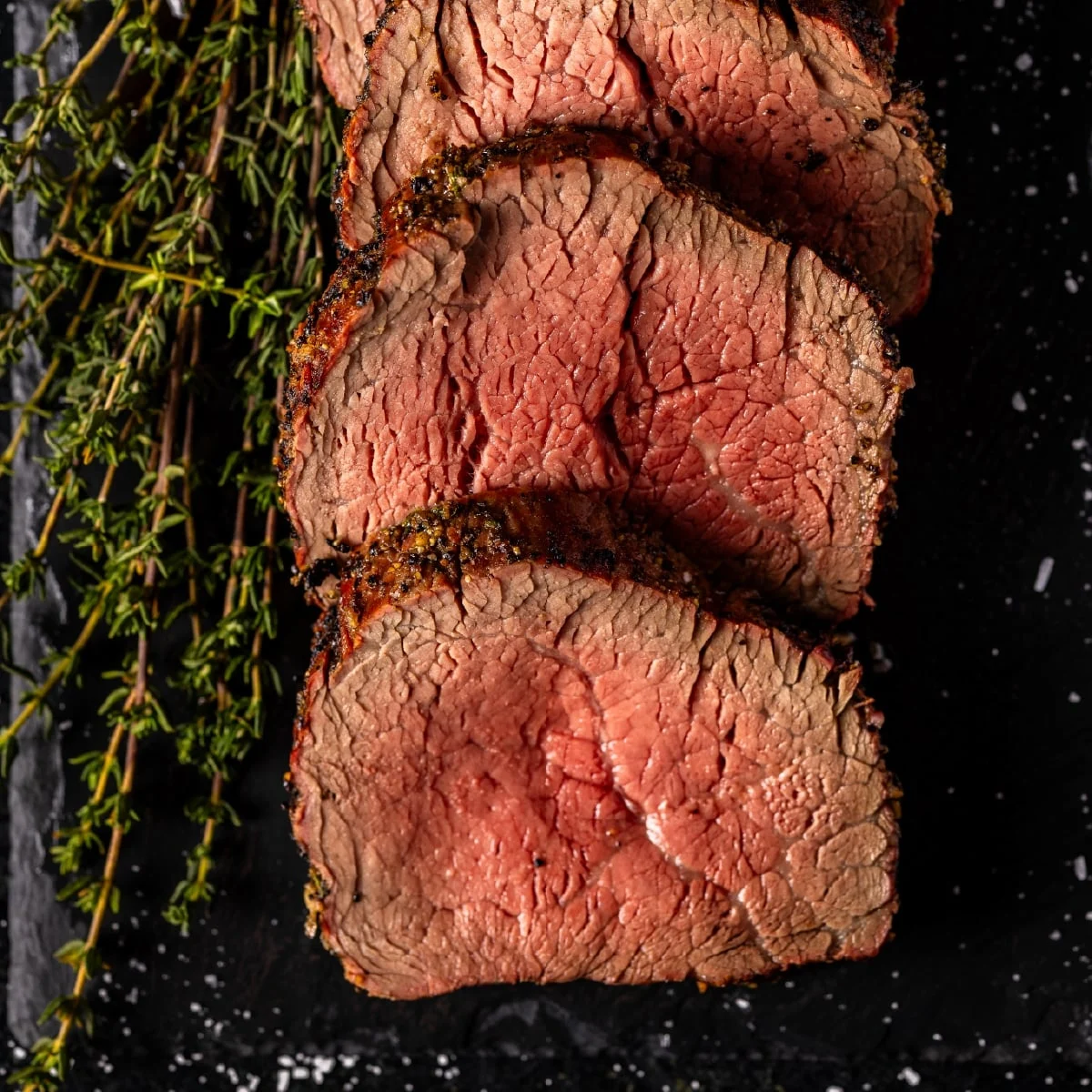
The beef tenderloin, scientifically known as the psoas major muscle, represents the most tender cut of bovine anatomy due to its position along the spine where it receives minimal exercise. In recent years, the trend of high-end home butchery and outdoor gastronomy has seen a significant uptick, as consumers seek to replicate steakhouse experiences within a domestic setting. This shift is driven by both economic considerations—given that a whole tenderloin purchased from a butcher often costs significantly less per pound than individual filet mignon steaks—and a growing interest in precision outdoor cooking techniques. The following report details the methodology for preparing a garlic and herb-infused grilled beef tenderloin, utilizing a two-stage thermal application process designed to maximize internal succulence while achieving a robust exterior crust.
The Culinary Significance of the Beef Tenderloin
The beef tenderloin serves as the source for several premium cuts, most notably the filet mignon, the Chateaubriand, and the tornedos. Because this muscle does not perform heavy lifting or weight-bearing tasks, it lacks the dense connective tissue and heavy collagen found in tougher cuts like the brisket or chuck. Consequently, the tenderloin requires careful handling; while it is prized for its texture, it possesses less intramuscular fat (marbling) than a ribeye, making it susceptible to drying out if subjected to improper thermal management.
Culinary professionals often categorize the preparation of a whole tenderloin as a "centerpiece" task, suitable for high-stakes social gatherings such as holiday dinners or formal celebrations. The objective of the grilling process is to introduce smoky aromatics and a Maillard reaction—the chemical reaction between amino acids and reducing sugars that gives browned food its distinctive flavor—without compromising the delicate structure of the meat.

Technical Specifications and Ingredient Profile
The methodology for this specific preparation relies on a minimalist approach, utilizing only six core ingredients to enhance rather than mask the natural flavor of the beef. This "less is more" philosophy is a hallmark of modern outdoor cooking, where the quality of the protein and the precision of the heat source are the primary variables.
Primary Component
The centerpiece of the recipe is a whole beef tenderloin roast. For optimal results, industry experts recommend selecting USDA Prime or High-Choice grades. These classifications ensure a higher degree of marbling, which provides the necessary moisture during the grilling process.
The Wet Rub Composition
The "wet rub" serves a dual purpose: it acts as a flavor delivery system and a surface protectant. The components include:
- Aromatic Base: Freshly minced garlic provides a pungent, savory foundation that pairs classically with beef.
- Herbal Elements: A combination of dried or fresh herbs—typically rosemary, thyme, or parsley—introduces earthy notes that balance the richness of the meat.
- Lipid Carrier: Oil or melted butter is used to bind the spices and herbs to the meat surface, while also facilitating heat transfer during the searing phase.
- Mineral and Spice: Kosher salt and freshly cracked black pepper are essential for seasoning. Salt, in particular, performs the vital function of denaturing proteins on the surface, allowing for better moisture retention and crust formation.
Chronological Preparation and Execution
The execution of a grilled beef tenderloin follows a strict chronological sequence to ensure food safety and culinary quality. This process is divided into the preparation phase, the indirect cooking phase, the searing phase, and the mandatory resting period.

Phase I: Preparation and Trimming
Before the application of heat, the tenderloin must be prepared. This involves the removal of the "silverskin"—a tough, iridescent connective tissue that does not break down during cooking and can cause the meat to curl. While many butchers perform this task upon request, home cooks should ensure the roast is trimmed to a uniform shape. This uniformity is critical; a tapered roast will cook unevenly, resulting in overdone ends and an undercooked center. Tying the roast with butcher’s twine at two-inch intervals is a common technique used to maintain a consistent cylindrical shape.
Phase II: The Application of the Wet Rub
Once trimmed, the wet rub is applied generously across the entire surface of the meat. Journalistic observations of high-end BBQ techniques suggest that allowing the seasoned meat to sit at room temperature for 30 to 45 minutes prior to grilling can lead to more even heat penetration, though this remains a point of debate among food safety advocates who prioritize immediate refrigeration.
Phase III: The Indirect Grilling Stage
The most effective method for cooking a large roast like the tenderloin is the "reverse sear" or two-zone cooking method. The grill is configured with a hot zone and a cool zone. The meat is initially placed over the cool zone (indirect heat).
The objective of this phase is to raise the internal temperature of the beef slowly. This gradual increase prevents the outer layers of the meat from becoming grey and overcooked before the center reaches the desired temperature. During this stage, the grill lid remains closed to create a convection-like environment.

Temperature Benchmarks (Pre-Sear):
- Rare: Remove from indirect heat at 115°F (46°C).
- Medium Rare: Remove from indirect heat at 125°F (52°C).
- Medium: Remove from indirect heat at 135°F (57°C).
Phase IV: The Searing Stage
Once the internal temperature is within 10 degrees of the final target, the roast is moved directly over the high-heat source. This stage lasts approximately 3 to 4 minutes per side. The intense heat triggers the Maillard reaction, creating a dark, flavorful crust. Because the meat is already warm from the indirect phase, this sear is brief, ensuring that the interior remains succulent.
Phase V: The Resting Period
The final and perhaps most critical step is the rest. Upon removal from the grill, the beef must rest for 15 to 20 minutes before slicing. During this time, the internal juices, which have been pushed toward the center by the heat, redistribute throughout the muscle fibers. Cutting the meat too early results in significant moisture loss, leaving the beef dry.
Data-Driven Analysis of Internal Doneness
To ensure precision, the use of a digital instant-read thermometer is considered mandatory by culinary professionals. The following table represents the final internal temperatures after the rest, accounting for "carry-over cooking" (the phenomenon where the internal temperature continues to rise by 5–7 degrees after being removed from the heat).

| Doneness | Final Internal Temperature | Visual Characteristics |
|---|---|---|
| Rare | 125°F (52°C) | Cool red center |
| Medium Rare | 135°F (57°C) | Warm red center (Chef Recommended) |
| Medium | 145°F (63°C) | Warm pink center |
| Medium Well | 155°F (68°C) | Slightly pink center |
| Well Done | 160°F+ (71°C+) | Little to no pink |
Note: The USDA recommends a minimum internal temperature of 145°F followed by a 3-minute rest for safety, though many culinary applications for whole muscle beef cuts target 135°F for optimal texture.
Industry Insights and Brand Perspectives
Susie Bulloch, the founder of the "Hey Grill Hey" platform and a recognized figure in the outdoor cooking industry, has frequently advocated for the accessibility of high-end meat preparation. Her approach emphasizes that "steakhouse quality" is not a result of proprietary equipment but rather the application of sound thermodynamic principles and quality sourcing.
Industry analysts note that the rise of digital platforms like Bulloch’s has contributed to a "democratization of the grill." By providing detailed, science-based instructions, these platforms have empowered home cooks to tackle expensive cuts like the tenderloin with confidence. This has led to a measurable increase in the sales of pellet grills, offset smokers, and high-end charcoal units as consumers invest in the hardware necessary to execute these recipes.
Broader Impact and Culinary Implications
The shift toward grilling whole tenderloins reflects a broader cultural movement toward "slow food" and artisanal home preparation. In an era of processed convenience, the act of grilling a 4-to-6-pound roast for a family gathering represents a return to communal dining and craft.

Furthermore, the nutritional profile of the grilled beef tenderloin aligns with contemporary dietary trends that emphasize high protein and low carbohydrate intake. A standard 4-ounce serving of beef tenderloin provides approximately 25 to 30 grams of protein and is a significant source of Vitamin B12, zinc, and iron. By using a simple wet rub of oil and herbs rather than sugary marinades or heavy sauces, the preparation remains relatively low in calories while delivering high satiety.
Conclusion
The grilled beef tenderloin is more than a simple meal; it is an exercise in culinary precision. By understanding the anatomy of the cut, mastering the two-zone grilling method, and adhering to strict temperature guidelines, the home cook can produce a result that rivals the most prestigious steakhouses. As the outdoor cooking industry continues to evolve, the tenderloin remains the gold standard for those seeking to combine the rugged appeal of the grill with the refined elegance of gourmet cuisine. Success in this endeavor relies not on complexity, but on the disciplined execution of fundamental techniques: trim, season, slow-cook, sear, and—most importantly—rest.
