

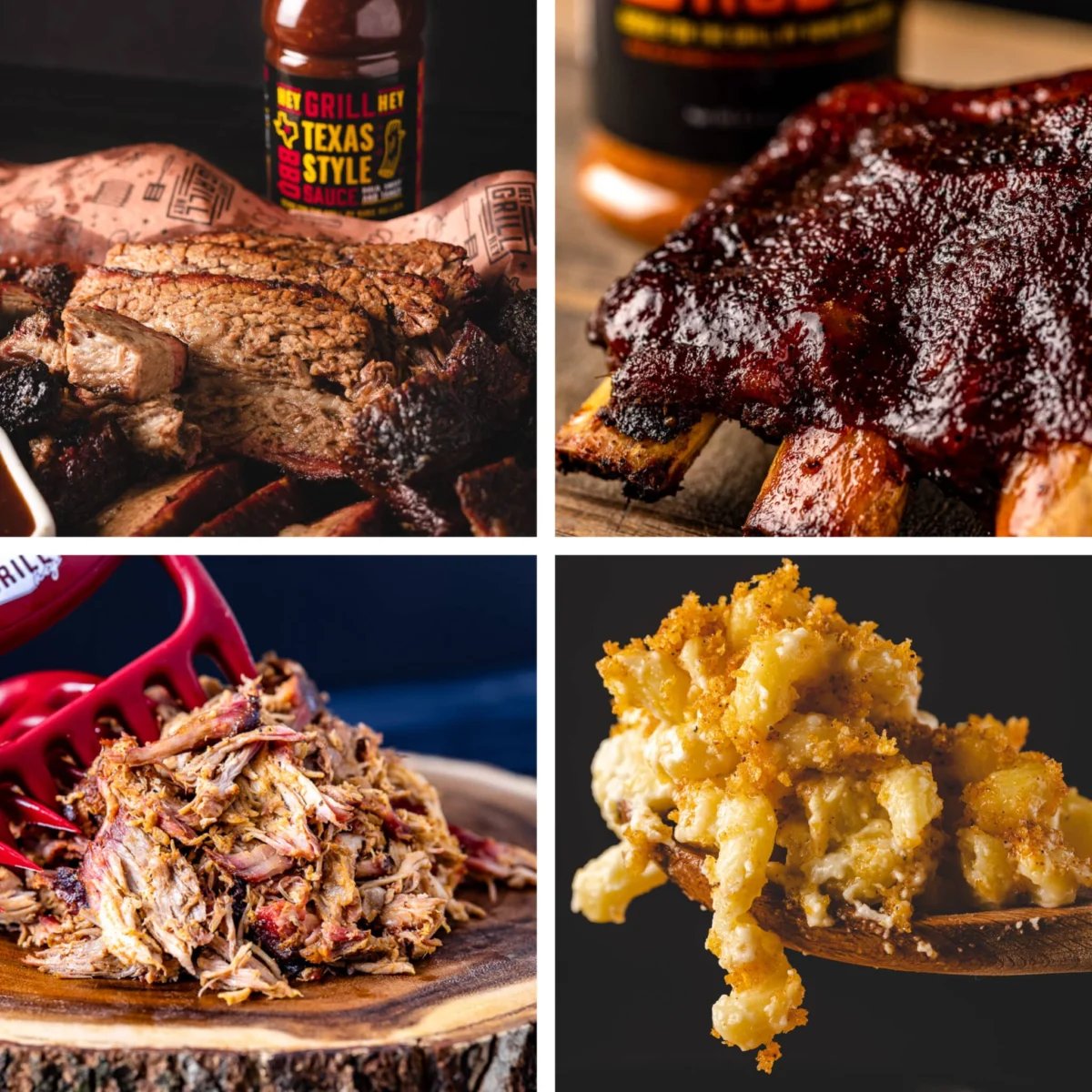
The digital culinary platform Hey Grill Hey, founded by professional pitmaster Susie Bulloch, has officially entered its second decade of operation, marking the occasion by releasing a comprehensive data set detailing its most influential barbecue recipes and methods. Since its inception 11 years ago, the platform has evolved from a niche recipe blog into a significant authority in the outdoor cooking industry, recording more than 50 million instances of recipe utilization by home cooks globally. This milestone reflects a broader shift in the American culinary landscape, where digital-first educators have increasingly supplanted traditional television personalities as the primary source of technical instruction for backyard smoking and grilling.

The organization’s growth coincides with a period of unprecedented expansion in the outdoor cooking market. Industry data suggests that the "low and slow" barbecue movement has transitioned from a regional specialty to a national domestic staple, fueled by the proliferation of accessible pellet grills and offset smokers. Hey Grill Hey’s retrospective offers a quantitative look at the specific flavor profiles and techniques that have defined this era of home-based pitmastery.
Historical Context and Brand Evolution
The trajectory of Hey Grill Hey began over a decade ago when Susie Bulloch transitioned into professional barbecue development. Unlike many traditional pitmasters who emerged from the competitive circuit, Bulloch’s approach focused on the democratization of high-level techniques for the average household. Her career has since included high-profile collaborations, including a noted appearance with former NBA star Shaquille O’Neal and the achievement of multiple Guinness World Records in the culinary space.

The brand’s evolution mirrors the broader "creator economy" within the food industry. By leveraging multi-channel distribution—including a dedicated website, a specialized retail arm for seasonings and sauces, and an educational subscription service known as "The Grill Squad"—the company has established a vertically integrated model of food media. This strategy has allowed the brand to capture data on consumer preferences, leading to the identification of the 11 "hero" recipes that have most significantly impacted the barbecue community.
Analysis of the Top-Performing Barbecue Recipes
The recently published list of the 11 most popular recipes serves as a case study in contemporary American barbecue trends. These recipes are not merely instructional guides but represent the technical benchmarks that amateur cooks must master to achieve professional-grade results at home.

1. The Proliferation of Custom Seasoning Blends
The top-ranked item on the platform is the "Best Dry Rub for Ribs." The success of this specific seasoning profile highlights a significant consumer trend toward DIY spice blending. In an era of processed food skepticism, home cooks are increasingly seeking transparency in ingredients. This rub utilizes a balance of sweet (sugar), savory (paprika and garlic), and heat (cayenne), providing a foundational profile that works across both baby back and spare rib varieties.
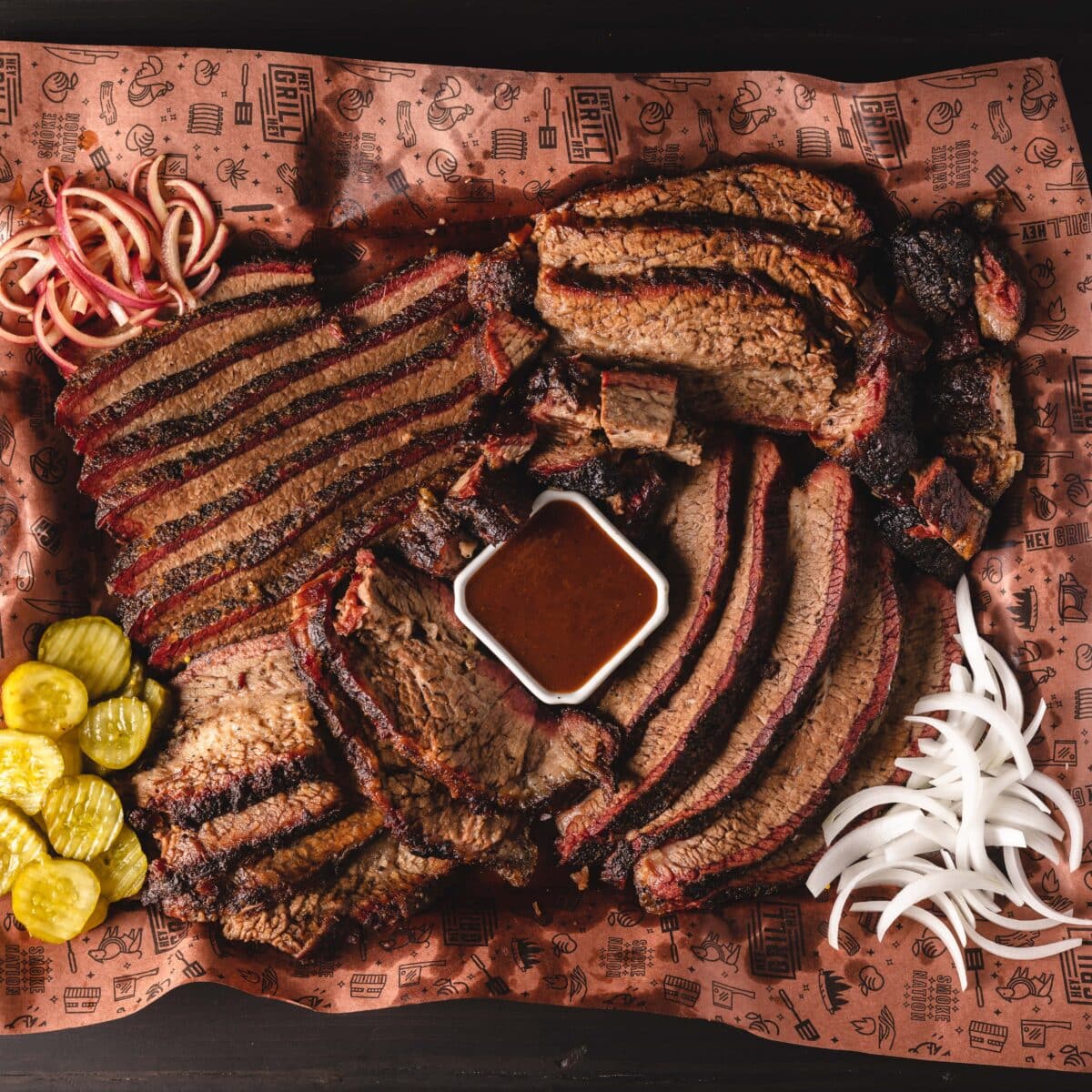
2. The Standardization of Texas-Style Brisket
Texas-style smoked beef brisket remains the "gold standard" of the barbecue world. Hey Grill Hey’s data confirms that the minimalist approach—utilizing only salt, pepper, and smoke—is the most sought-after method for home cooks. This reflects a maturation of the backyard cook’s palate, moving away from heavy sauces and toward the appreciation of high-quality beef and smoke management.
3. The Utility of the 3-2-1 Method
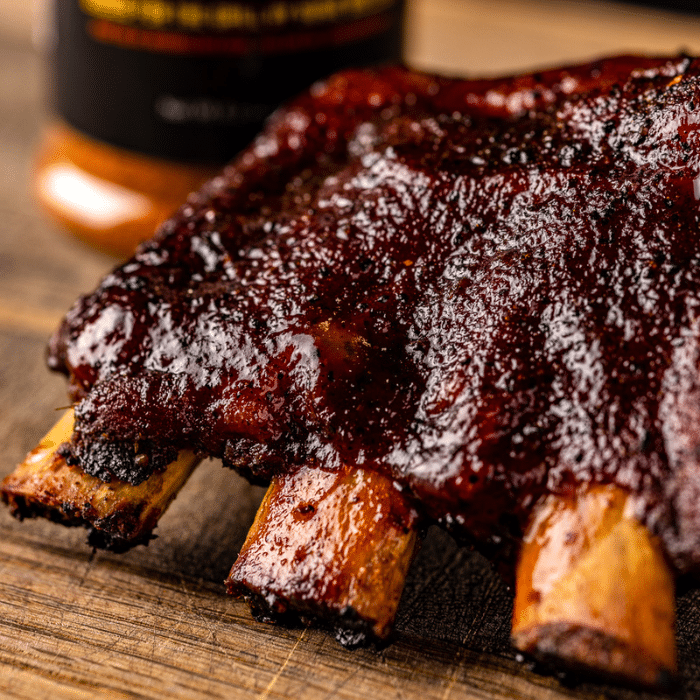
The "3-2-1 Ribs" method ranks third, representing a technical milestone for the brand. This method—comprising three hours of smoke, two hours of wrapped braising, and one hour of glazing—has become a standard operating procedure for those seeking "fall-off-the-bone" textures. While traditionalists often argue for more "bite" in competition ribs, the 50 million interactions on the site suggest that the 3-2-1 method remains the preferred standard for domestic consumption due to its reliability and repeatable results.
4. Accessibility through Pulled Pork
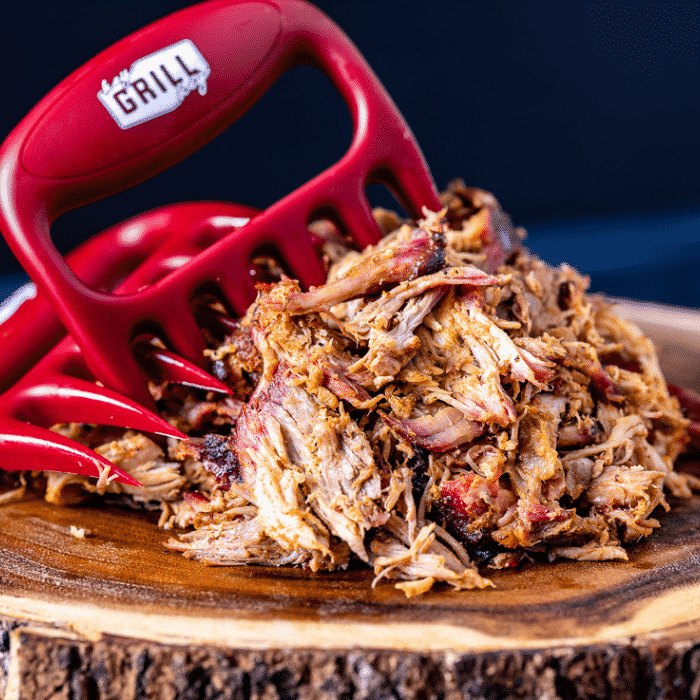
Simple Smoked Pulled Pork Butt represents the entry point for many aspiring pitmasters. With only three required ingredients, this recipe serves as the primary instructional tool for teaching temperature control and the "stall" phenomenon in long-duration cooks.
5. Seasonal and Holiday Transitions
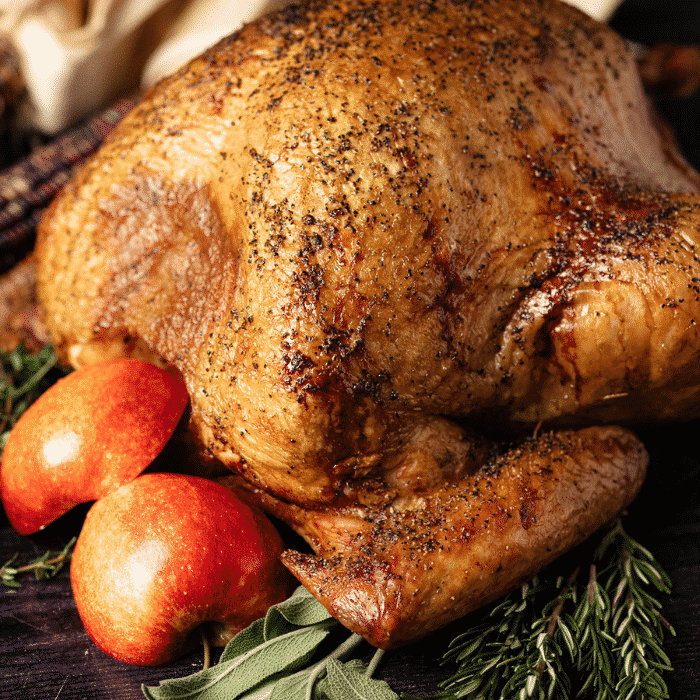
The inclusion of "The Best Smoked Turkey" in the top rankings indicates a shift in traditional holiday cooking. Outdoor cooking is no longer confined to the summer months; instead, consumers are increasingly utilizing smokers to alleviate kitchen congestion during Thanksgiving and Christmas, applying barbecue techniques to poultry.
Technical Innovation in Poultry and Sides
Beyond the traditional "Big Three" of barbecue (brisket, ribs, and pork), the Hey Grill Hey retrospective highlights advancements in secondary categories.
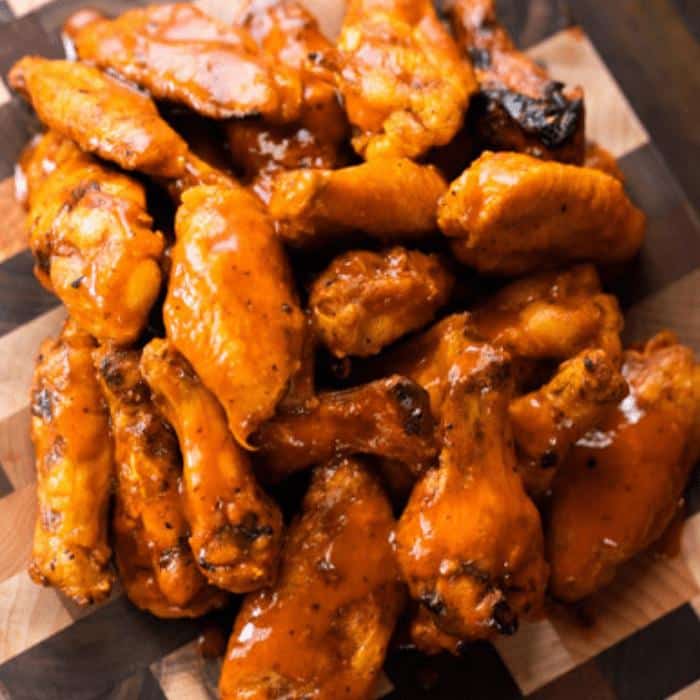
The "Crispy Smoked Chicken Wings" recipe addresses a common technical challenge in the barbecue community: achieving bite-through skin at low temperatures. By detailing the science of skin dehydration and high-heat finishing, the platform has provided a solution to one of the most frequent complaints in outdoor cooking.
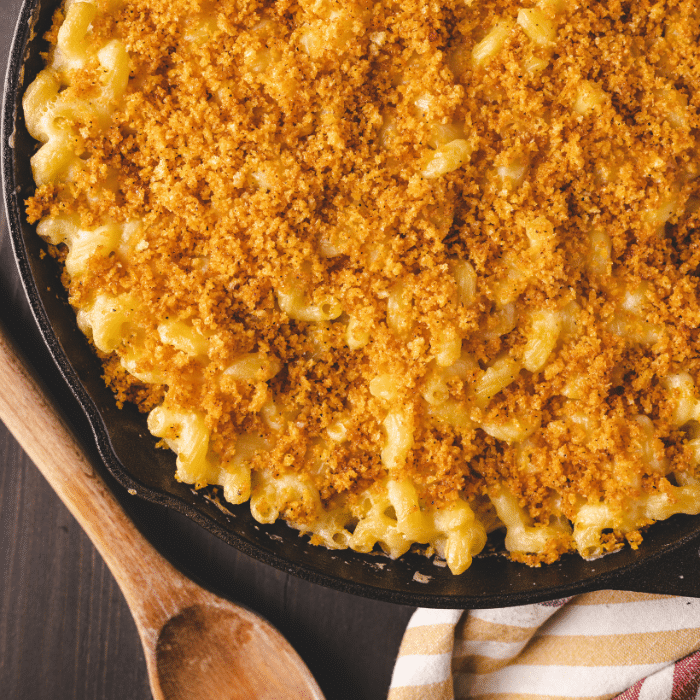
Similarly, "Smoked Mac and Cheese" has emerged as the definitive side dish of the decade. The recipe’s popularity underscores a broader trend of "all-on-the-smoker" meal planning, where every component of a meal, including starches and cheeses, is subjected to wood-fire smoke. This holistic approach to outdoor cooking has redefined the concept of the backyard barbecue.
Economic Adaptations: The "Poor Man’s" Trend
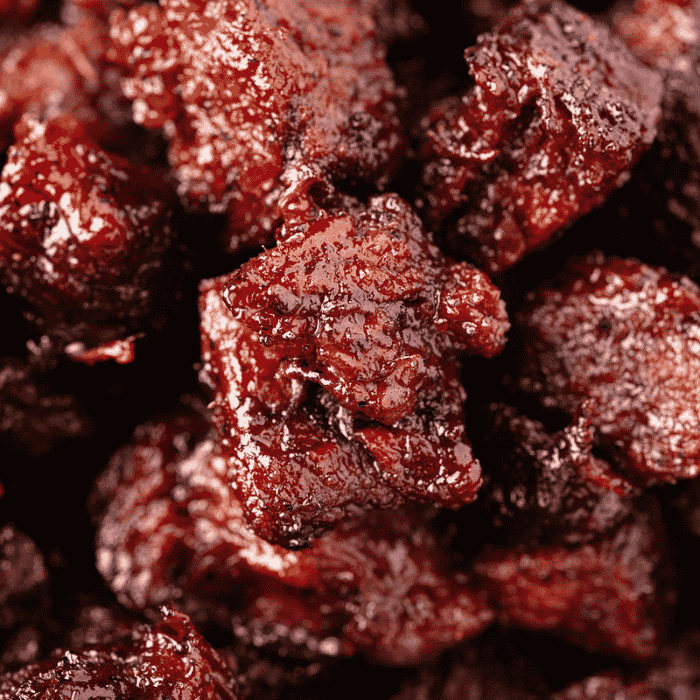
A notable entry in the top 11 list is "Poor Man’s Burnt Ends." Traditionally, burnt ends are harvested from the "point" of a smoked brisket. However, as beef prices have fluctuated and brisket has become a premium commodity, Hey Grill Hey popularized the use of chuck roast as an affordable alternative.
This adaptation is a significant indicator of the brand’s responsiveness to economic factors affecting its audience. By providing a method to achieve the caramelized, "meat candy" texture of burnt ends using a more accessible cut of beef, the platform has maintained engagement even during periods of high inflation in the meat industry.
High-End Domestic Culinary Trends
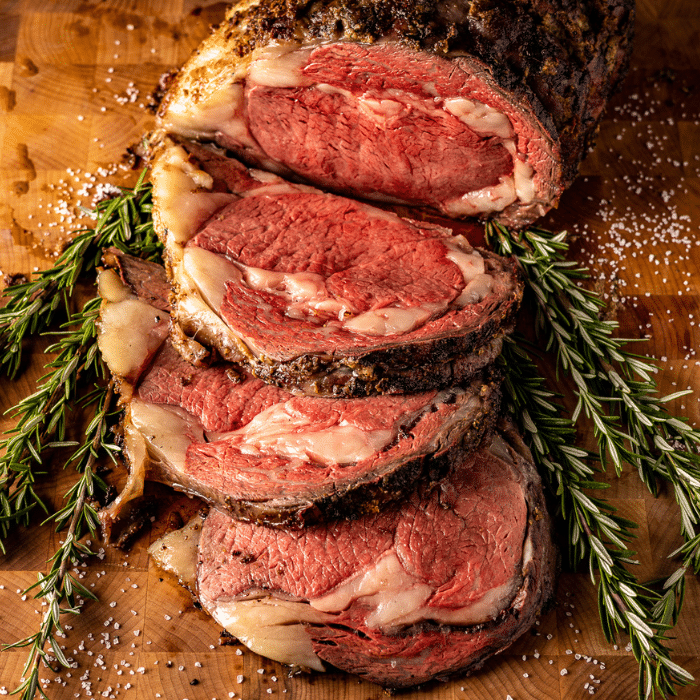
The presence of "Smoked Prime Rib Roast" and "Smoked Tri-Tip" on the list suggests that home cooks are increasingly comfortable applying smoke to expensive, high-quality cuts of meat. The prime rib recipe, which utilizes a "reverse sear" technique (slow smoking followed by a high-heat flash roast), demonstrates the high level of technical proficiency now expected of "backyard heroes."
The tri-tip recipe also highlights the nationalization of regional styles. Once a localized California staple, the tri-tip has become a national favorite thanks to digital distribution and the ease with which different regional styles can now be shared and replicated.
Data-Driven Community Feedback
The platform’s success is further validated by qualitative data from its user base. Testimonials collected over the last decade indicate a high level of brand loyalty and a "trust-based" relationship between the pitmaster and the consumer. Users such as James W. and Meredith G. have noted that the simplified, low-and-slow instructions have allowed them to achieve results that rival commercial barbecue establishments, with some users even reporting the transition from home hobbyist to small-scale commercial vendor.
This feedback loop has been essential for the brand’s 11-year longevity. By treating the "Backyard BBQ Hero" as a serious culinary practitioner, Hey Grill Hey has fostered a community that is as much about education as it is about consumption.
Broader Impact and Industry Implications
The 50-million-interaction milestone achieved by Hey Grill Hey is more than a metric of website traffic; it is an indicator of the changing nature of food authority in the 21st century. The brand has successfully bridged the gap between the professional pit and the suburban patio, providing a standardized language for a craft that was once shrouded in "secret recipes" and regional gatekeeping.
As the brand enters its second decade, the focus appears to be shifting toward deeper technical education. Through "The Grill Squad," the organization is offering in-depth classes that move beyond simple recipes and into the thermodynamics of fire management, meat science, and advanced flavor theory.
The implications for the outdoor cooking industry are clear: the modern consumer is no longer satisfied with basic grilling. They are seeking a comprehensive, data-backed education that allows them to master complex proteins and various wood profiles. Hey Grill Hey’s 11-year retrospective serves as both a celebration of past success and a roadmap for the future of digital culinary instruction.
In conclusion, the first decade of Hey Grill Hey has been defined by the democratization of barbecue. By identifying and refining the 11 recipes that resonate most with the public, Susie Bulloch and her team have established a foundational curriculum for the modern pitmaster. As they move forward, the continued integration of retail products, educational platforms, and community engagement is likely to solidify their position as a central pillar in the global barbecue landscape.
