

This classic gluten-free baked macaroni and cheese is a testament to comfort food done right. Crafted in a casserole style, it achieves a creamy, crusty perfection that has made it a go-to meal for families, especially when hunger strikes and pantry shelves are looking sparse. The recipe thoughtfully incorporates the option of cooked pancetta or bacon, adding a depth of savory flavor that complements the rich cheese sauce. However, its versatility shines through as it remains equally delicious without these additions, offering a satisfying vegetarian option.
The Enduring Appeal of Baked Macaroni and Cheese
The enduring popularity of baked macaroni and cheese lies in its universally comforting nature. It evokes a sense of home, warmth, and nostalgia, making it a reliable choice for family dinners. This particular gluten-free rendition further enhances its appeal by offering a recipe that is not only delicious but also practical for busy households. It allows for make-ahead preparation, with the casserole assembled and ready to be baked at the last minute, a significant advantage for those juggling hectic schedules.

For a complete and balanced meal, this baked macaroni and cheese pairs exceptionally well with a simple house salad, offering a fresh counterpoint to the richness of the dish. Alternatively, for those seeking to incorporate more vegetables directly into their meal, lightly blanched broccoli can be folded into the mixture before baking, adding both nutritional value and a pleasing texture.
A Recipe Engineered for Simplicity and Flavor
What sets this recipe apart is its thoughtful approach to ingredient selection and preparation, emphasizing ease without compromising on taste. The only component requiring active cooking is the pancetta or bacon, which is sautéed to achieve a desirable crispness and render its flavorful fat. This rendered fat is then strategically utilized to lightly coat the pasta, imparting an additional layer of flavor. The remaining fat is drained, ensuring the dish remains creamy rather than greasy, allowing the cheese to take center stage.
The foundation of the creamy sauce is a simple yet effective blend of eggs and evaporated milk, seasoned with salt. This mixture is whisked thoroughly to create a smooth custard, crucial for preventing any unpleasant scrambled egg textures from forming during the baking process. Even the milk component is designed for longevity, utilizing canned evaporated milk, which boasts a long shelf life, making it an ideal pantry staple for spontaneous meal preparations.

The recipe’s commitment to accessibility extends to its ingredient list, which prioritizes items that are commonly found in most kitchens or have a long shelf life. This approach ensures that the comfort of a home-cooked meal is always within reach, even when grocery runs are infrequent.
The Art of Crafting Gluten-Free Baked Macaroni and Cheese
The process of creating this gluten-free baked macaroni and cheese is broken down into straightforward steps, each contributing to the final harmonious dish.
Sautéing the Pork (Optional but Recommended)
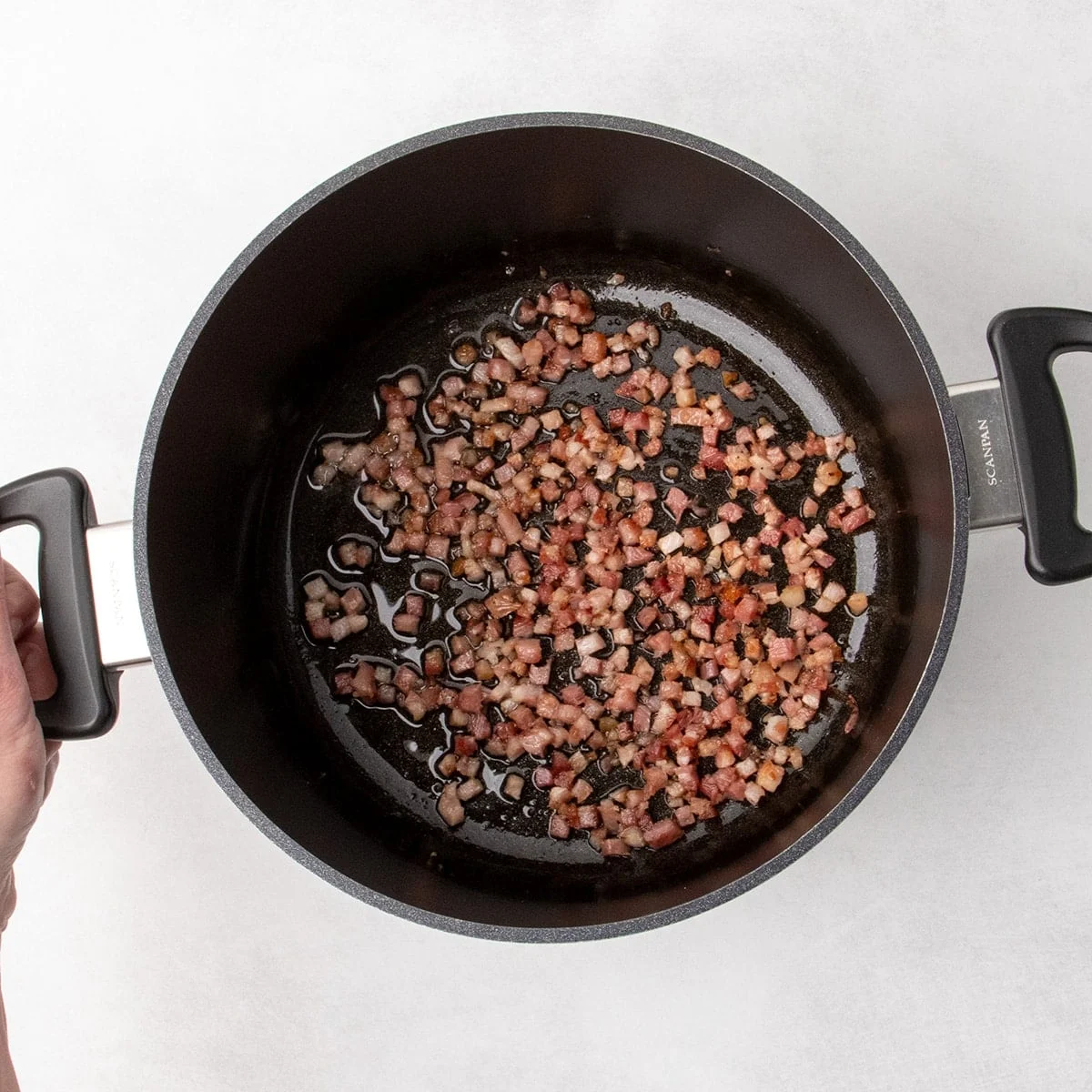
The initial step involves sautéing the pancetta or bacon, if using. This process is performed in a large pot, where the pork is diced and cooked until crispy, rendering its flavorful fat. This rendered fat is a key component for building flavor and ensuring the pasta is coated, contributing to a richer texture. After rendering, the excess fat is drained, leaving just enough to enhance the dish without making it overly greasy.

Preparing the Custard Base
Concurrently, the custard base is prepared by whisking together eggs, evaporated milk, and salt in a separate bowl. This thorough whisking is essential to ensure a smooth, homogenous mixture. The goal is to avoid any pockets of uncooked egg, which could result in an undesirable texture after baking. This step lays the groundwork for a creamy, cohesive sauce that binds the pasta and cheese together.
Cooking the Gluten-Free Pasta
The gluten-free pasta is cooked according to package directions, with a crucial caveat: it should be cooked approximately one minute less than the recommended time. Gluten-free pasta, particularly certain varieties, can be more fragile than its traditional counterpart and may disintegrate if overcooked. This slightly undercooking ensures that the pasta retains its integrity during the mixing and baking processes. It is important not to rinse the pasta after draining, as the residual heat and starch help to melt the butter and create a cohesive base.
Incorporating Butter and Pork
Once the pasta is cooked and drained, butter and any reserved rendered pork fat are added to the warm pasta. The combined fat should total approximately six tablespoons, coating the pasta and ensuring each strand is luxuriously seasoned. The cooked and drained pancetta or bacon is then gently folded in, taking care to avoid breaking the delicate gluten-free pasta. Ensuring all the butter is melted is critical to prevent pockets of grease and achieve an even distribution of flavor.

Tempering and Adding the Egg Mixture
To prevent the eggs from scrambling when introduced to the warm pasta, a tempering process is recommended. A small amount of the warm pasta mixture is added to the whisked egg and milk mixture, stirring constantly to gradually raise the temperature of the eggs. Once tempered, this enriched egg mixture is poured over the pasta and gently folded in. The folding technique is crucial to maintain the structure of the pasta.
Folding in the Cheese
The majority of the shredded cheese is then added to the pasta mixture. This is also done with a gentle folding motion to ensure the cheese is almost evenly distributed without breaking the pasta. This step begins the process of creating the creamy, cheesy interior of the baked dish.
Assembling the Casserole
The entire mixture is then transferred into a greased casserole dish. The dish is gently shaken and the mixture spread evenly to ensure consistent cooking and texture.

Creating the Topping
A final layer of shredded cheese is scattered evenly across the top of the casserole. This cheese topping is instrumental in forming a bubbly, golden-brown crust during the baking process, adding a delightful textural contrast.
Baking to Perfection
The casserole dish is then covered with greased or nonstick aluminum foil. This initial covered baking period allows the custard to set gently and the cheese to melt thoroughly without the top browning too quickly. After this initial phase, the foil is removed, and the dish is baked further until the custard is set and the cheese is bubbly. For those who prefer a more deeply browned crust, the baking time can be extended slightly. The finished dish is often garnished with fresh parsley for a touch of color and freshness before being served warm.
Expert Insights for Culinary Success
Several expert tips can elevate the preparation and outcome of this gluten-free baked macaroni and cheese:

Shred Your Own Cheese
For optimal melting and texture, it is highly recommended to shred your own cheese rather than using pre-shredded varieties. Pre-shredded cheeses often contain anti-caking agents, such as cellulose, which can impede smooth melting and contribute to a drier final product. If pre-shredded cheese is the only option, incorporating an additional two fluid ounces of evaporated milk can help to compensate for the reduced melting quality.
Avoid Overcooking the Pasta
While gluten-free pasta has improved significantly in stability, it remains susceptible to overcooking, especially elbow macaroni. Overcooked pasta can easily break down during the mixing and baking stages, leading to a mushy texture. Cooking the pasta a minute or two less than the package instructions is a critical step in maintaining its structural integrity.
Embrace the Prep-Ahead Strategy
This recipe is remarkably forgiving when it comes to advance preparation. The dish can be fully assembled up to step 10 (before baking), covered tightly, and refrigerated for up to two days or frozen for longer storage. Prior to baking, allow the refrigerated dish to come to room temperature while the oven preheats. For frozen casseroles, a longer thawing and reheating time will be necessary. This flexibility makes it an ideal option for busy weeknights or for entertaining guests.

Adaptations and Substitutions for Dietary Needs
The versatility of this recipe extends to its adaptability for various dietary requirements:
Dairy-Free Modifications
For a dairy-free version, butter can be substituted with a high-quality block-style vegan butter. Evaporated coconut milk is recommended as a replacement for traditional evaporated milk, offering a richer flavor profile compared to evaporated oat milk, which can be sweeter and have a more noticeable texture. For specific dairy-free cheese recommendations, consulting resources dedicated to dairy-free mac and cheese recipes is advisable.
Egg-Free Alternatives
Individuals requiring an egg-free preparation are encouraged to opt for a stovetop gluten-free mac and cheese recipe. The emulsifying properties of eggs are integral to the structure of this baked dish, making direct substitution challenging without significantly altering the recipe’s outcome.

Vegetarian Option
Transforming this dish into a vegetarian delight is straightforward. Simply omit the pancetta or bacon and use the full six tablespoons of butter. This adjustment retains the creamy, cheesy goodness without the addition of cured pork.
Storage and Reheating Instructions
Proper storage and reheating can ensure that this delicious gluten-free baked macaroni and cheese can be enjoyed over several days.
Refrigeration
The unbaked casserole can be stored tightly wrapped in plastic wrap in the refrigerator for up to two days, provided all perishable ingredients are fresh. After baking, the cooled dish can be stored in a sealed container in the refrigerator for up to five days. To reheat, lightly sprinkle the dish with lukewarm water and warm it in the microwave or a 300°F oven until heated through.

Freezing
For longer-term storage, both baked and unbaked versions of the casserole can be frozen for up to two months. It is essential to wrap the dish tightly to prevent freezer burn. Thaw the frozen casserole in the refrigerator overnight before baking as directed. Frozen, unbaked casseroles may require an extended baking time.
The meticulous design of this gluten-free baked macaroni and cheese recipe, from its core ingredients to its adaptable nature, positions it as a cornerstone for any home cook seeking a comforting, delicious, and accessible meal. Its ability to satisfy a range of dietary needs and its make-ahead convenience further solidify its status as a truly remarkable dish.
