

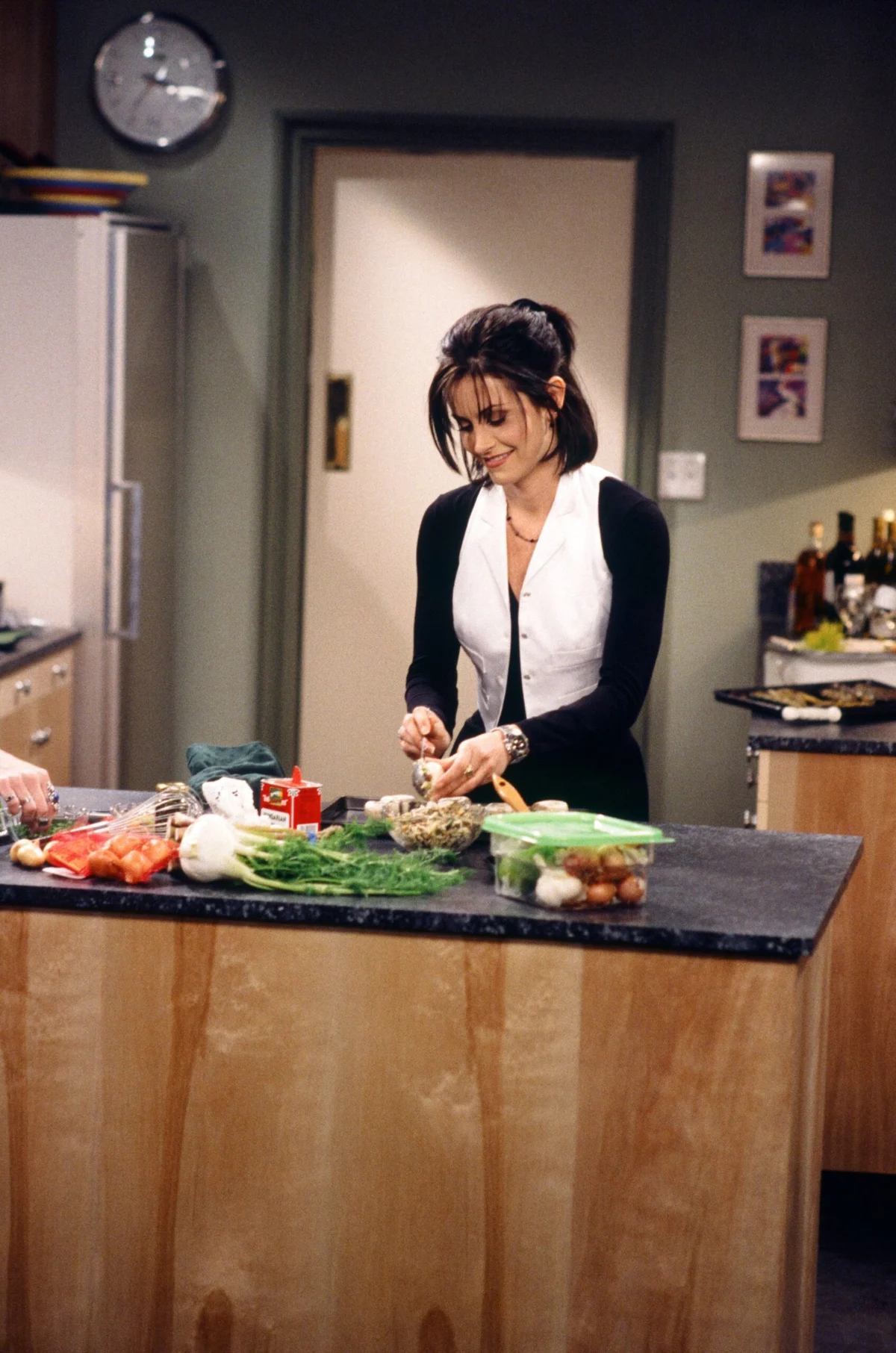
"Weeknight" has cemented its position as a foundational pillar of online recipe content, representing a vast category of culinary solutions tailored for individuals navigating the often-imperfect circumstances of Monday through Friday cooking. This pervasive designation addresses the fundamental challenges faced by many home cooks: acute limitations in time, ingredient availability, culinary knowledge, and overall motivation. The prominence of this category is unequivocally supported by empirical data across the digital culinary landscape. At Bon Appétit, for instance, weeknight recipes consistently outperform other content categories such as elaborate projects, baking endeavors, and beverage formulations, underscoring their critical importance to the contemporary audience. Yet, the precise criteria that define a "weeknight recipe" remain a subject of ongoing debate and subjective interpretation, with qualifications continuously evolving within editorial teams.
The Genesis of the Weeknight Dilemma
The concept of a "weeknight meal" has transitioned from a mere necessity to a highly curated content category over the past two decades, particularly with the proliferation of digital food media. Initially, the focus was simply on quick preparation. However, as modern lifestyles accelerated, marked by longer working hours, increased commuting, and the rising prevalence of dual-income households, the demands on home cooks intensified. The ideal weeknight meal evolved to encompass not just speed, but also simplicity, minimal cleanup, and often, an element of nutritional balance. This shift has placed significant pressure on food publications to not only deliver recipes that meet these criteria but also to articulate a clear, consistent definition of what constitutes a truly "weeknight-friendly" dish.
Internally, culinary institutions like Bon Appétit have long relied on a set of evolving guidelines for this category. These traditionally include a concise ingredient list, ideally no more than a dozen items, minimizing the need for multiple grocery store visits. Crucially, active cooking time is expected to be well under an hour, recognizing the compressed schedules of most weeknights. However, as editorial teams and their audiences become more diverse, these benchmarks have proven to be fluid, necessitating periodic re-evaluation.
A Dialogue Among Culinary Experts: Defining the Indefinable
In a recent internal discussion, Chris, a leading voice at Bon Appétit, convened a panel of colleagues—Deputy Food Editor Hana Asbrink, Senior Commerce Editor Noah Kaufman, Associate Cooking Editor Nina Moskowitz, and Senior Service Editor Kelsey Youngman—to confront the elusive definition of a weeknight recipe head-on. The dialogue revealed a fascinating spectrum of personal philosophies and pragmatic considerations that shape individual approaches to weeknight cooking, highlighting the complexity of establishing universal editorial standards.
Kelsey Youngman introduced a foundational "firm boundary": the unequivocal rejection of "sub-recipes." She articulated a willingness to dedicate 20, 30, or even 45 minutes to dinner preparation, but drew a clear line at recipes requiring the creation of multiple separate components that then need assembly and further cooking. This stance underscores a desire to avoid feeling like one has embarked on a complex "project" rather than simply preparing a meal. Nina Moskowitz sought clarification, questioning whether sauces qualified as sub-recipes. Kelsey responded that uncooked sauces, whisked dressings, or chopped salsas were acceptable, signaling that the barrier lies in extensive, multi-stage preparation. This distinction points to a preference for optimizing convenience through "great store-bought helpers" and streamlined processes.
The discussion then gravitated towards quantitative metrics. Chris probed the relevance of a "10 ingredients or less" rule, with "freebies" for staples like cooking fat, salt, and pepper—a common, yet frequently challenged, media guideline. Hana Asbrink offered an innovative and personal benchmark: a recipe qualifies if it can be prepared within the approximate 30-45 minutes it takes her Zojirushi rice cooker to complete its quick setting. This metric, quickly endorsed by Nina and Kelsey, encapsulates the concept of concurrent, hands-off cooking—a highly practical approach for time-strapped individuals.
Personal Philosophies and Practical Strategies
Hana Asbrink’s personal weeknight cooking style further illuminated her benchmark. She described a "formula" rather than a rigid "prescriptive end result," often setting her rice cooker and then improvising a meal around available ingredients. Her staples include quick-seared or sheet-pan salmon, ground beef seasoned with Asian ingredients, and stir-fries or blanched vegetables. Crucially, Hana admitted to rarely cooking from recipes on weeknights, reserving them for more leisurely weekend endeavors. Her approach emphasizes adaptability and efficiency, reflecting the reality of busy family life where "leftovers from tastings" are often a welcome contribution.
Kelsey Youngman, known for her daily yoga practice, revealed a highly structured, yet flexible, two-fold strategy. Approximately 70% of her dinner is partially prepped in advance, with the remaining 30% completed just before eating to ensure freshness. She cited Chris’s loaded sweet potatoes recipe as an example, where sweet potatoes are roasted earlier in the week, but lentils and citrus are prepared fresh on the night of consumption. Kelsey also actively avoids "serve with" recipes, preferring comprehensive sheet pan or one-pot meals that integrate carbohydrates, vegetables, and protein, eliminating the need for additional pairing or decision-making. Her aversion to pasta as a nightly staple, in stark contrast to Chris’s past habits, further highlighted the diverse preferences driving weeknight meal choices. Kelsey’s motivation stems from a desire to keep dinner interesting and inspiring, thereby mitigating the temptation for takeout.
Noah Kaufman, a parent of young children, introduced another critical dimension: the need for "hands-off" cooking. He emphasized that a truly weeknight-friendly recipe must allow him to step away from active cooking for more than 10 minutes, a necessity when managing the dynamic needs of a 4- and 7-year-old. This distinction between "active" and "inactive" time is paramount for parents, favoring recipes that involve brief preparation followed by an extended, unsupervised cooking period, such as his go-to sheet pan orange tofu and broccoli.
Nina Moskowitz, known for her "open-door policy" of frequent weeknight hosting, prioritizes one-pot dishes for their inherent ease and scalability. She highlighted Jesse’s one-pan salmon with burst tomatoes as a prime example—a dish requiring minimal preparation, followed by a quick, hands-off cooking period. Nina, like Hana, is a fervent proponent of the rice cooker, serving most dishes with rice and appreciating the appliance’s ability to store leftovers directly in its bowl.
Chris, reflecting on ingredient availability, noted that a high probability of having ingredients on hand, or their longevity from a weekend grocery trip, significantly defines his weeknight choices. This makes fresh fish challenging, while ground chicken and vegetarian options are more practical due to their better shelf life in the refrigerator. Noah Kaufman echoed this sentiment, expressing satisfaction when a recipe only requires a single, easily accessible item like a jalapeño, reinforcing a sense of being "well-stocked."
The Broader Context: Consumer Behavior and Industry Response
The internal debate at Bon Appétit mirrors broader trends in consumer behavior and the food industry’s response. Data from market research firms consistently show that convenience is a top driver for food purchases. A 2023 survey by the Food Industry Association (FMI) revealed that 60% of consumers prioritize convenience when planning meals, a figure that rises significantly among younger demographics and families with children. This demand has fueled the growth of various segments:
- Meal Kits and Pre-Prepped Ingredients: Companies like HelloFresh and Blue Apron thrive on simplifying meal preparation by delivering pre-portioned ingredients and streamlined recipes. The market for meal kits alone is projected to reach over $20 billion by 2027, demonstrating a clear consumer willingness to pay for convenience. Similarly, grocery stores have expanded offerings of pre-chopped vegetables, marinated meats, and ready-to-heat grains.
- Kitchen Appliances: The resurgence of appliances like air fryers, instant pots, and, as highlighted by the Bon Appétit team, rice cookers, is directly linked to the quest for faster, more hands-off cooking. A Zojirushi rice cooker, capable of cooking rice in 30-45 minutes, becomes not just a side-dish maker but a timer for the entire meal preparation process, as Hana Asbrink demonstrated.
- Rotisserie Chicken Phenomenon: The discussion around rotisserie chicken underscores its role as a quintessential "weeknight helper." Despite Noah Kaufman’s perception of it as "cheating," and Chris’s critique of its seasoning quality at some retailers, its popularity is undeniable. Data indicates that Americans purchase over 1 billion rotisserie chickens annually, with its versatility in various dishes making it a go-to for quick protein. The preference for higher-quality options, like those from Union Market, further suggests that while convenience is key, taste and quality remain important considerations.
The Economic Imperative and Sustainability
Beyond convenience, economic factors also heavily influence weeknight cooking. Rising food prices have prompted consumers to seek recipes that are not only quick but also cost-effective and minimize waste. Recipes that utilize common pantry staples, allow for ingredient flexibility, and facilitate efficient use of groceries purchased once a week (as Chris noted regarding fish versus ground chicken) are particularly valued. The concept of "winning for the week" by avoiding mid-week grocery stops, as Hana expressed, reflects both a time-saving and potentially cost-saving mindset.
Furthermore, the emphasis on one-pot or sheet-pan meals not only reduces active cooking time but also minimizes cleanup, addressing another significant pain point for busy individuals. This focus on efficiency aligns with broader trends towards sustainable living, where reducing energy consumption in the kitchen and minimizing food waste are increasingly important.
Implications for Food Media and Future Trends
The Bon Appétit discussion provides a microcosm of the challenges and opportunities facing food media. The subjective nature of "weeknight" means that a one-size-fits-all definition is impractical. Instead, publications must embrace flexibility and cater to diverse lifestyles.
- Categorization and Tagging: More nuanced categorization and tagging of recipes will be essential, allowing users to filter by "active time," "hands-off time," "number of pots," "ingredient count," or even "prep-ahead potential."
- "Complete Meal" Focus: The distinction between a "complete" meal and a "component" recipe, as highlighted by Chris and Kelsey, is crucial. Recipes presented as full solutions are often more appealing for weeknights.
- Embracing Convenience Products: Rather than shying away from them, food media can actively integrate and elevate "store-bought helpers" like rotisserie chicken or pre-made sauces, offering creative ways to incorporate them into homemade meals.
- Celebrating Imperfection: The dialogue implicitly acknowledges that weeknight cooking is rarely perfect. Recipes that are forgiving, adaptable, and acknowledge real-world constraints (like fighting children or a "rancid stinking mood" after a long day) resonate more authentically with audiences.
- The Rise of "Formulas" Over "Recipes": Hana’s "journey" over "destination" approach suggests a shift towards teaching adaptable formulas rather than rigid recipes, empowering home cooks to improvise with what they have.
In conclusion, the ongoing quest to precisely define the "weeknight recipe" is not merely an internal editorial exercise but a reflection of profound shifts in modern living. As schedules tighten, budgets fluctuate, and culinary aspirations evolve, food media must continuously adapt its content strategies. The collective insights from the Bon Appétit team underscore that the ultimate "weeknight" solution is deeply personal, often relying on a blend of efficiency, strategic meal planning, and the judicious use of kitchen technology. Ultimately, whether through a precise time limit, an ingredient cap, or the absence of sub-recipes, the goal remains consistent: to provide accessible, enjoyable, and stress-free culinary solutions for the demanding rhythm of the modern week.
