

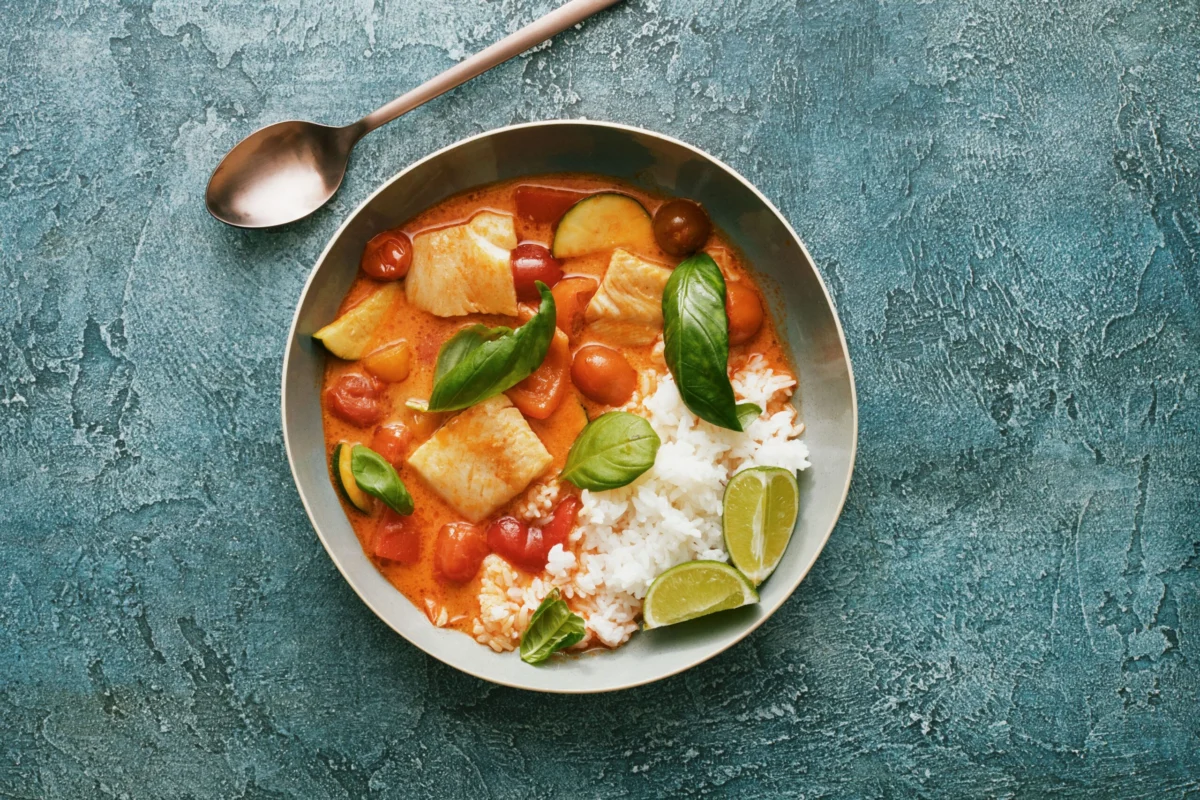
A recently highlighted fish curry recipe exemplifies a growing trend in contemporary home cooking: the seamless integration of rich, authentic flavors with unparalleled convenience. This particular rendition, built upon readily available store-bought curry paste and the creamy depth of coconut milk, delivers a profoundly aromatic and balanced broth that artfully combines spicy, savory, and subtly sweet notes. Its design prioritizes efficiency, with the entire dish coming together in a single pan and requiring less than an hour from preparation to plate, making it as practical for the busy weeknight as it is satisfying for the palate. The recipe’s inherent flexibility, allowing for a diverse array of vegetables and various types of firm, boneless white fish, further solidifies its position as a staple for modern kitchens navigating both time constraints and a desire for wholesome, globally-inspired meals.
The Evolution of Curry in the Modern Kitchen: From Complex to Convenient
Curry, a term broadly encompassing a vast array of spice-laden dishes from South Asia, Southeast Asia, and beyond, has a storied history stretching back millennia. Its origins are deeply intertwined with the spice trade routes, leading to an incredible diversity of regional preparations, each with its unique blend of spices, proteins, and vegetables. Traditionally, preparing an authentic curry involved a laborious process of grinding fresh spices, sautéing aromatics, and simmering for extended periods to allow flavors to meld. This complexity, while yielding unparalleled depth, often placed such dishes outside the realm of everyday cooking for many home chefs in the Western world.
The advent of commercially produced curry pastes marked a pivotal moment in the democratization of global flavors. These pastes, carefully formulated blends of fresh and dried spices, herbs, and aromatics, condense hours of preparation into a convenient, shelf-stable product. Their rise in popularity, particularly from the late 20th century onwards, transformed the landscape of international cooking, allowing individuals with limited time or expertise to recreate complex flavor profiles with relative ease. Brands like Maesri, often cited for their authentic taste, have become synonymous with quality and convenience, bridging the gap between traditional culinary artistry and modern demands for speed. This shift reflects a broader societal trend towards embracing diverse cuisines without sacrificing precious time, driving innovation in food product development and recipe creation.
The "Under an Hour" Imperative: Responding to Contemporary Lifestyles
The emphasis on an "under an hour" preparation time is not merely a feature but a direct response to the socio-economic shifts defining modern life. Dual-income households, longer working hours, and increased commuting times have collectively eroded the amount of time individuals can dedicate to cooking. Data from various consumer surveys consistently show a strong preference for meals that can be prepared quickly without compromising on taste or nutritional value. This demand has fueled the growth of convenience food sectors, including pre-cut vegetables, ready-to-use sauces, and meal kits. However, there remains a significant segment of the population that seeks the satisfaction and health benefits of home-cooked meals. Recipes like this one for fish curry skillfully navigate this tension, offering a middle ground that leverages convenience ingredients to achieve a homemade result.
The "one-pan" methodology further enhances this appeal. Minimal cleanup is a significant motivator for home cooks, often cited as a deterrent to cooking elaborate meals. By consolidating cooking into a single vessel, the recipe addresses a major pain point, contributing to its overall practicality and making it a viable option for even the busiest individuals. This efficiency aligns with broader trends towards streamlined domestic processes and a desire to reduce household chores, thereby freeing up time for other pursuits.
Supporting Data and Culinary Market Trends
The market for ethnic foods, particularly Asian cuisine, has experienced robust growth globally. Reports indicate a consistent upward trajectory for segments including curry pastes and coconut milk. For instance, the global curry paste market size was valued at several billion USD in recent years and is projected to expand significantly over the next decade, driven by increasing consumer interest in international flavors and the demand for convenient meal solutions. Similarly, the coconut milk market continues to grow, fueled by its versatility in both savory and sweet dishes, as well as its appeal to consumers seeking plant-based alternatives and healthy fats.
Furthermore, the emphasis on fresh ingredients and lean protein aligns with prevailing health and wellness trends. Fish, rich in omega-3 fatty acids, vitamins, and minerals, is consistently recommended by health organizations worldwide for its cardiovascular benefits and role in cognitive function. The incorporation of a mix of vegetables adds essential fiber, vitamins, and antioxidants. This recipe’s structure inherently supports a balanced diet, allowing individuals to customize their vegetable intake based on seasonal availability and personal preferences, from nutrient-dense green beans and snap peas to earthy mushrooms or crisp bok choy. The flexibility in ingredient choice also contributes to reduced food waste, an increasingly important consideration for environmentally conscious consumers.
The choice of fish is critical, and the recipe wisely guides cooks towards firm, flaky varieties such as cod, halibut, snapper, or haddock. These species maintain their structural integrity during the gentle poaching process within the simmering broth, preventing them from disintegrating and ensuring a pleasant texture. Richer fish like mackerel or swordfish can also be employed, offering a more robust flavor profile, while softer fillets like tilapia require a more delicate hand during stirring to preserve their form. The allowance for frozen fish, a common pantry staple, further underscores the recipe’s adaptability to modern household inventory management, though with the practical note that adjustments to simmering time and sauce consistency may be necessary due to increased moisture content.
Navigating Spice Levels: A Tailored Experience
The heat level of this fish curry is inherently customizable, largely dependent on the chosen curry paste. This adaptability is a key feature, addressing the diverse palates within a single household or among dinner guests. Yellow curry paste, typically the mildest, offers a gentle warmth and often a hint of turmeric’s earthiness, making it suitable for those sensitive to spice. Red curry paste, like the popular Maesri brand, generally sits at a medium heat level, providing a pleasant kick without overwhelming the other flavors. Green curry paste, often characterized by its vibrant color and reliance on fresh green chilies, typically delivers the most intense heat, appealing to those who prefer a fiery culinary experience.
This spectrum allows cooks to tailor the dish precisely to their preference. Moreover, the recipe offers practical solutions for adjusting spice levels post-preparation. A splash of additional coconut milk can mellow an overly piquant dish, while a squeeze of fresh lime juice not only brightens the flavors but also provides a cooling counterpoint to the heat. This level of control empowers home cooks to experiment and personalize the dish, fostering confidence and encouraging repeated preparation.
Expert Perspectives and Broader Implications
Leading culinary experts and food industry analysts view recipes like this as pivotal in shaping contemporary eating habits. "This fish curry embodies the perfect marriage of global flavors and domestic practicality," noted Chef Anya Sharma, a renowned proponent of accessible international cuisine. "It allows home cooks to explore the vibrant tastes of Southeast Asia without the intimidation of traditional, multi-step preparations. The reliance on quality curry paste is not a compromise but an intelligent use of modern culinary resources."
Nutritionists also commend the dish’s inherent health benefits. Dr. Emily Chen, a public health nutritionist, commented, "The combination of lean protein from fish, diverse vegetables, and healthy fats from coconut milk makes this a nutritionally dense meal. Its quick preparation time removes a significant barrier to healthy eating for many busy individuals, making it a powerful tool for promoting well-being."
The broader implications extend beyond individual households. The proliferation of such accessible global recipes contributes to a greater cultural understanding and appreciation for diverse food traditions. As consumers become more comfortable with international ingredients and flavor profiles, it fosters a more adventurous culinary landscape, impacting grocery store offerings, restaurant menus, and the overall food supply chain. This trend also supports the specialty food market, creating demand for authentic curry pastes, unique spices, and sustainably sourced ingredients. The ease of preparation encourages more people to cook at home, potentially reducing reliance on less healthy takeout options and supporting local markets for fresh produce and seafood.
Conclusion: A Testament to Culinary Innovation
The one-pan, under-an-hour fish curry stands as a testament to the ongoing evolution of culinary practices. It represents a successful adaptation of traditional flavors to the demands of contemporary life, offering a solution that is simultaneously flavorful, flexible, and efficient. By leveraging convenience ingredients like store-bought curry paste and streamlining the cooking process, it democratizes access to complex global cuisines, enabling more individuals to enjoy homemade, nutritious meals without extensive time commitments. Its inherent adaptability, allowing for diverse fish and vegetable choices, further cements its role as a versatile staple for modern households. This recipe is more than just a meal; it is a reflection of how innovation in the kitchen continues to bridge the gap between culinary heritage and the practicalities of the 21st century, enriching the home cooking experience one delicious, quick curry at a time.
