

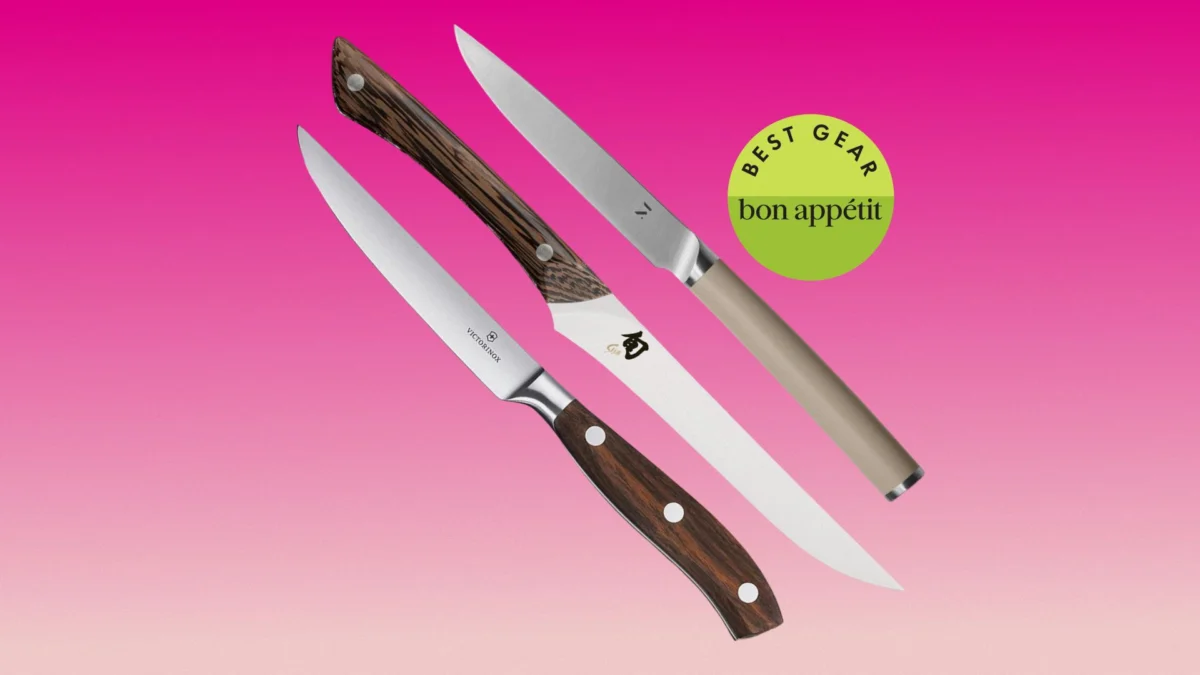
Steak knives, often relegated to the realm of specialty tools, possess a versatility that extends far beyond their eponymous dish. Dispelling the common misconception, a high-quality set of steak knives proves indispensable for a myriad of everyday culinary tasks, transforming the mundane act of cutting into a seamless and enjoyable experience. Whether slicing through succulent grilled chicken, navigating the dense texture of a whole roasted sweet potato, or delicately preparing a vibrant summer caprese salad, the superior edge and ergonomic design of a well-chosen steak knife elevate the dining ritual. Indeed, for those fortunate occasions featuring a perfectly cooked ribeye, the presence of an elegant, efficient set of knives not only completes the sophisticated tableau but also ensures an uncompromised appreciation of the meal. This comprehensive review delves into the meticulous testing of 11 leading steak knife sets, prioritizing not just the ability to cleanly slice through thick meats and robust vegetables, but also assessing comfort, economic value, and aesthetic appeal to guide consumers toward the optimal choice for their kitchens.
The Evolving Role of the Steak Knife in Modern Dining
Historically, the evolution of table knives reflects a broader shift in culinary practices and dining etiquette. From rudimentary all-purpose blades, specialized tools emerged as food preparation became more refined. The steak knife, with its typically sharper edge and often pointed tip, was conceived to tackle tougher cuts of meat more efficiently than standard dinner knives. However, in contemporary kitchens, where home cooks embrace a diverse array of ingredients and cooking methods, the utility of a steak knife has expanded significantly. It’s no longer just about cutting a piece of beef; it’s about precision and ease across a spectrum of textures, from the fibrous skin of a bell pepper to the delicate flesh of a ripe tomato. This expanded role underscores the importance of selecting knives that offer both exceptional performance and adaptability for varied meal preparations. Furthermore, the aesthetic contribution of dinnerware, including knives, to the overall dining atmosphere cannot be overstated. A beautifully crafted knife, irrespective of its price point, enhances the visual appeal of a table setting, subtly signaling a commitment to quality and enjoyment.
Rigorous Testing Methodology: Uncovering True Performance
To provide an objective and thorough evaluation, each of the 11 steak knife sets underwent a series of stringent tests designed to assess critical performance metrics. The methodology was structured to simulate both initial impressions and long-term usability, offering a holistic view of each product’s capabilities.

Initial Sharpness Assessment: The journey began with a fundamental test: the "paper slice." Holding a standard piece of paper aloft, each knife was drawn across its edge. A truly sharp blade, finely honed and free of burrs, should slice through the paper with minimal resistance, producing a clean, uninterrupted cut. Knives that failed this test, instead crumpling or tearing the paper, immediately signaled a suboptimal initial edge. This initial assessment served as a baseline for the blade’s factory-set sharpness.
Protein Performance Test: The primary function of a steak knife, cutting meat, was evaluated using a substantial pile of seared pork chops. This protein, with its varying textures of lean muscle, fatty sections, and bone, presented an ideal challenge. Testers focused on the effort required to make clean cuts, the knife’s ability to navigate around bones without snagging or slipping, and the precision with which thin slices could be achieved. The goal was to identify knives that allowed for smooth, decisive cuts rather than requiring a sawing motion, which can tear meat fibers and diminish the dining experience.
Delicate Produce Challenge: To assess blade precision and the ability to handle softer, more delicate items, each knife was used to slice ripe tomatoes. Tomatoes are notorious for revealing dull blades; a knife lacking sharpness will crush the fruit’s delicate flesh rather than slicing through its skin cleanly. This test was crucial for understanding the blade’s versatility beyond tough proteins, demonstrating its suitability for everyday vegetable preparation.
Ergonomics and Balance Evaluation: Beyond raw cutting power, the user experience is paramount. Testers meticulously evaluated the comfort of each knife’s handle during extended use. Factors considered included the handle material (metal, wood, composite), its contour and texture, and the overall balance of the knife. A well-balanced knife feels like an extension of the hand, requiring less effort and providing greater control, particularly when applying downward pressure for slicing. The presence of a full tang (where the blade metal extends through the entire handle) was also noted for its contribution to durability and balance.
Durability and Edge Retention: A knife’s initial sharpness is only part of the equation; its ability to maintain that edge over time is equally important. After weeks of regular use in everyday dinner scenarios, each knife underwent a final paper test. This post-use assessment provided critical insights into edge retention, indicating which blades could withstand repeated cutting tasks and cleaning cycles without significant degradation of their sharpness. The ease of maintenance, including whether the blade was straight (and thus hone-able) or serrated (and typically not home-sharpenable), was also factored into the long-term durability assessment.
Aesthetic and Practical Considerations: Finally, the review considered the aesthetic appeal and practical aspects of each set. This included the design language (classic, rustic, modern), the quality of the finish, and any included accessories such as knife blocks. While subjective, these elements contribute to the overall user satisfaction and integration into a home kitchen and dining environment.

Key Criteria for Selecting Premium Steak Knives
Choosing the right steak knives involves understanding several key attributes that collectively define a knife’s performance, durability, and user experience.
Blade Edge Type:
- Straight Edge: Favored by many culinary professionals, straight-edged blades offer the advantage of being hone-able and sharpenable at home or by a professional. This allows for long-term maintenance of a razor-sharp edge, providing clean, precise cuts that preserve the integrity of food fibers. They are ideal for "slicing" rather than "sawing."
- Serrated Edge: Characterized by a series of small, saw-like teeth along the blade, serrated knives excel at cutting through foods with tough exteriors and soft interiors, like bread or certain roasted meats with crusts. However, they are significantly more challenging, if not impossible, to sharpen effectively at home, and over time, they tend to tear rather than slice, especially with delicate foods.
- Micro-Serrations: A compromise, these blades feature very fine serrations that offer some of the "grip" of a serrated blade without the aggressive tearing. They are often found on more budget-friendly knives but share the drawback of being difficult to sharpen.
Blade Material and Construction:
- High-Carbon Stainless Steel: This is the industry standard for quality kitchen knives. The high carbon content allows for a harder steel that can hold a sharper edge, while the stainless steel component provides corrosion resistance. Proper washing and immediate drying are still essential to prevent staining or rust. The hardness of the steel, often measured on the Rockwell scale (HRC), indicates its ability to resist dulling, typically ranging from 56-62 HRC for good quality kitchen knives.
- Full Tang vs. Partial Tang: A full tang blade extends in one piece from the tip of the blade to the end of the handle, often visible as a strip of metal along the handle’s spine. This construction provides superior balance, strength, and durability, as the blade and handle are securely integrated. Partial tang knives, where the blade metal only extends partway into the handle, are generally less robust and can be prone to handle loosening over time.
Handle Design and Material:
- Ergonomics and Comfort: A comfortable handle is crucial for ease of use and safety. It should fit naturally in the hand, providing a secure grip without causing fatigue or hot spots during use.
- Materials:
- Pakkawood: A composite material made from layers of hardwood veneers impregnated with resin. It offers the aesthetic appeal of wood with enhanced durability, water resistance, and stability, making it a popular choice for high-end knives.
- Composite/Synthetic: Often made from various plastics or resin-based materials, these handles are highly durable, low maintenance, and come in a wide range of colors and designs. Modern composites can mimic the feel of more premium materials.
- Natural Wood: Offers a classic, warm aesthetic. However, wood handles require more care, as they can warp, crack, or harbor bacteria if not properly maintained and dried.
- Metal: Can offer a sleek, modern look and excellent durability, but can be slippery when wet and may feel cold in the hand.
Blade Geometry and Angle:

- Blade Curve: Some knives feature a subtle upward curve near the tip or along the entire blade. This curvature can enhance leverage, particularly for rocking or slicing motions, providing a mechanical advantage.
- Straight vs. Angled Emergence: The angle at which the blade emerges from the handle can influence cutting dynamics. While a straight line is common, some designs feature a slight upward angle, intended to promote better forearm control and facilitate certain cutting techniques. Ultimately, this often comes down to personal preference for slicing style.
Overall Aesthetics:
- Beyond performance, the visual appeal of steak knives is important, especially for formal dining. Sets are available in styles ranging from traditional and rustic to sleek and ultra-modern, allowing consumers to choose knives that complement their existing tableware and personal decor preferences. While performance remains paramount, a knife’s appearance contributes significantly to the overall dining experience.
The Top Tier: Unveiling the Best Steak Knives
After extensive testing and evaluation against these rigorous criteria, three steak knife sets distinguished themselves, offering exceptional performance, thoughtful design, and varying value propositions.
1. Overall Excellence: Material Table Knives
The Material Table Knives earned their top spot through a compelling combination of robust performance, intelligent design, and remarkable value. Widely lauded online, these knives live up to their reputation, proving to be a smooth-operating set suitable for daily use rather than just special occasions. From the moment they were unboxed, their sharpness was evident, effortlessly slicing through a sheet of paper without tearing or crumpling. In the demanding protein test, they carved through thick pork chops with minimal effort, demonstrating their formidable cutting power. Furthermore, their ability to slice cleanly through delicate tomatoes without bruising the flesh underscored their precision and versatility.
Crafted with a full tang, these knives exude a sense of high quality that belies their approximate $100 price point for a set of four, which is significantly more economical than many comparable high-performance sets. While their weight leans towards the heavier side, this characteristic was perceived as an advantage, providing a reassuring heft that facilitated effortless slicing through dense meats. The handles, made from a smooth composite material, offer a comfortable and sturdy grip, though they do not feature the intricate ergonomic contours found in much more expensive alternatives. The blades, while not as slender or exquisitely elegant as some Japanese counterparts, are substantial, suggesting a greater capacity for multiple sharpening sessions over their lifespan. These are workhorse knives: unfussy, resilient, and built for consistent, tough everyday cutting tasks. An added practical benefit is their ability to withstand occasional dishwasher cycles, though hand-washing is always recommended to preserve sharpness.

Aesthetically, Material Table Knives boast a streamlined, modern design that appeals to a broad range of contemporary home decor tastes, further enhanced by their availability in various appealing colors. Critically, unlike many premium sets that lack proper storage, they come with a low-profile knife block designed to fit conveniently within a drawer, safeguarding the blades from impact that can lead to premature dulling. The only minor critique relates to the composite (technically plastic) handle material, which, while robust, might not satisfy those seeking the luxurious finish of natural wood or highly polished metals found in ultra-premium sets like the Shun.
2. The Elevated Choice: Shun Shima Knives
For those seeking an uncompromising blend of superior performance and exquisite craftsmanship, the Shun Shima Knives represent a truly indulgent yet worthwhile investment. These knives from the esteemed Japanese maker exhibited unparalleled sharpness straight out of the box, effortlessly passing the paper test with a clean, decisive cut. Their performance with rich, fatty pork and juicy, delicate tomatoes was nothing short of exceptional, gliding through both with an almost "buttery" smoothness. The non-serrated blade allows for regular honing and eventual professional sharpening, ensuring its longevity. The blade’s subtle upward curve was a standout feature, perceived by testers as enhancing leverage and making slicing feel remarkably fluid.
Ergonomically, the Shun Shima knives are a marvel. Despite being on the lighter end of the spectrum, challenging the reviewer’s preference for weightier steak knives, their supremely comfortable Pakkawood handles, with their gentle arch, made them a joy to maneuver. The combination of the comfortable grip and the blade’s extraordinary sharpness meant thick cuts of meat could be tackled with a single, clean slicing motion, eliminating the need for sawing.
Visually, these knives are a testament to refined design. Their impossibly thin, delicately curved metal blades project an inherent sharpness and elegance. The design is streamlined, yet sophisticated, accented by six decorative inlaid steel rondels on each side of the handle, adding a touch of distinctive panache.
The primary drawback of the Shun Shima knives is their price point, approximately $300 for a set of four. This positions them as a luxury item, more akin to a special gift than an everyday utility purchase. While the cost reflects the high-quality Japanese steel and meticulous construction, it places them outside the budget of many consumers. Furthermore, the comparatively thin blade, while contributing to its exceptional sharpness, means it will endure fewer sharpening sessions before the blade’s material is significantly diminished—a general characteristic of finely ground, thin-bladed knives. However, for those prioritizing peak performance and refined aesthetics, the Shun Shima knives deliver an unmatched dining experience.

3. Exceptional Value: Quince Damascus Steel Steak Knives
The Quince Damascus Steel Steak Knives emerged as a delightful surprise, offering a striking balance of impressive performance and accessible luxury. Initial skepticism, perhaps fueled by pervasive advertising, quickly dissipated as these knives demonstrated their capabilities. They mirrored the "buttery smoothness" of top performers when slicing through pork chops and tomatoes, and critically, passed the paper test both before and after enduring a regimen of cutting various proteins and vegetables, indicating commendable edge retention.
What truly sets these knives apart is their ability to offer premium features at an incredibly competitive price of around $100 for a set of four. They boast both elegant Pakkawood handles and Damascus steel blades. While the Damascus pattern, with its signature wavy layers, is primarily an aesthetic feature rather than a direct contributor to sharpness, it imparts a sophisticated, high-end look that belies their actual cost. The brand’s ability to offer this value stems from using Japanese steel but manufacturing the knives in China, effectively keeping production costs down. For consumers seeking a visually impressive and sharply performing knife that appears far more expensive than it is, Quince presents an outstanding option.
However, the Quince knives do come with minor trade-offs. They are noticeably lighter than the Material knives, and while balanced, they lack the same satisfying heft that made slicing feel effortless with the Material set. The handle, while made of Pakkawood, does not offer the same comfortable, ergonomic grip as either the Material or the supremely contoured Shun knives. Despite these subtle differences, the Quince Damascus Steel Steak Knives remain a highly recommended choice for their remarkable sharpness, aesthetic appeal, and exceptional value.
Other Commendable Options
Beyond the top three, several other steak knife sets demonstrated notable qualities, though each had specific characteristics that prevented them from reaching the pinnacle of our recommendations.

-
Victorinox Grand Maître Steak Knife Set: Victorinox, a brand renowned for its reliable kitchen knives, offers this full-tang steak knife that impressed with its balanced weight and ergonomic wood handle. It passed all sharpness tests commendably. However, at approximately $346 for a set of four, its price point, when compared to the Shun, felt less justified given Shun’s superior finish and razor-sharp blade. It remains a very solid, professional-grade option.
-
Wüsthof Ikon 4-Piece Knife Set: These classic German knives are aesthetically pleasing and well-balanced, featuring a satisfying weight. With elegant African blackwood handles and Wüsthof’s signature metal rivets, they performed excellently in every test. Despite their strong performance, their high price tag (around $595 for a set of four) prevented them from securing a top spot, as other, less expensive knives demonstrated comparable cutting prowess. They are undoubtedly a premium choice for those for whom brand prestige and classic design are paramount.
Knives That Didn’t Meet Expectations
Several other sets were tested but ultimately did not meet the rigorous standards for a top recommendation, often due to deficiencies in sharpness, ergonomics, or overall value.
-
Miyabi Stainless Steel Steak Knife: This knife disappointed from the outset, failing the initial paper test. Its overall feel was described as "clunky," and it struggled with resistance when cutting through tough, dense vegetables, indicating a lack of precision and sharpness inconsistent with its premium branding.
-
Opinel Table Knives (Inferred): A set of knives, notably larger and thicker than most tested, displayed significant performance issues. It failed the initial paper test and exhibited considerable resistance when cutting dense vegetables. The clunky feel in hand further detracted from its usability, making it an impractical choice for precise slicing.

-
Jean Dubost Laguiole Steak Knife Set: While possessing a charming aesthetic reminiscent of a chic French bistro and offering a comfortable hold, these knives fell short in critical areas. They were too lightweight, which impacted their balance and cutting leverage. More significantly, they performed poorly in multiple sharpness tests and, being serrated, are not amenable to home sharpening, limiting their long-term utility. At around $80 for a set of six, their visual appeal couldn’t compensate for their functional shortcomings.
-
Cangshan S Series Steak Knife Set (Inferred): This set, visually similar to the Zwilling Twin Gourmet, suffered from an even lighter weight and a smaller handle, making it less comfortable to grip. Furthermore, it did not arrive with a sufficiently sharp edge, failing to meet baseline performance expectations.
Maintaining Your Investment: Essential Knife Care
Acquiring a high-quality set of steak knives is an investment in your culinary experience, and proper care is crucial to preserve their sharpness, prevent corrosion, and ensure their longevity. Adhering to these guidelines will help maintain your knives in peak condition:
-
Immediate Hand-Washing and Drying: The most critical step. After each use, hand-wash your knives with mild soap and warm water. Avoid leaving them to soak. Immediately dry them thoroughly with a soft cloth. This prevents water spots, rust (even on stainless steel), and protects handle materials from damage, particularly wood. Dishwashers are generally detrimental to knives as the harsh detergents, high heat, and jostling can dull blades, damage handles, and accelerate corrosion.
-
Proper Storage: Clanking around in a drawer with other utensils is a common cause of dulling and chipping. Invest in a dedicated storage solution:

- Knife Block: A traditional and effective way to store knives, either on the counter or, as with the Material knives, a low-profile in-drawer block.
- Magnetic Strip: A wall-mounted magnetic strip keeps blades visible, accessible, and safely separated.
- Blade Guards: Individual blade guards offer protection for knives stored in drawers or when transported.
-
Honing vs. Sharpening: Understand the difference:
- Honing: This realigns the microscopic edge of a blade that has bent over time with use. It doesn’t remove metal but restores the blade’s cutting ability. A honing steel should be used regularly, perhaps every few uses, to maintain a straight edge.
- Sharpening: This process actually removes a small amount of metal from the blade to create a new, sharper edge when honing no longer suffices. This should be done less frequently, perhaps annually or bi-annually depending on use, either with a sharpening stone, pull-through sharpener, or professionally. For high-end knives like Shun, professional sharpening is often recommended.
-
Avoid Abrasive Surfaces: Never cut on surfaces like glass, ceramic, or stone. These materials are harder than your knife blade and will rapidly dull or even chip the edge. Always use cutting boards made of wood or high-density plastic.
By following these simple care practices, your steak knives will remain sharp, elegant, and ready to enhance countless dining experiences for years to come.
In conclusion, the modern steak knife transcends its traditional role, becoming a versatile and essential tool in any well-equipped kitchen. Our extensive testing revealed that while a multitude of options exist, the best knives seamlessly blend exceptional sharpness, ergonomic comfort, and enduring durability with an appealing aesthetic. The Material Table Knives stand out for their overall excellence and remarkable value, making them an ideal choice for daily use. For those desiring the pinnacle of cutting precision and refined design, the Shun Shima Knives offer an unparalleled, albeit luxurious, experience. Meanwhile, the Quince Damascus Steel Steak Knives provide an impressive balance of style and performance at an accessible price point. Ultimately, selecting the right steak knives involves a thoughtful consideration of individual needs, budget, and aesthetic preferences, all while prioritizing the fundamental qualities that ensure a smooth, enjoyable, and effortless cut every time.
