

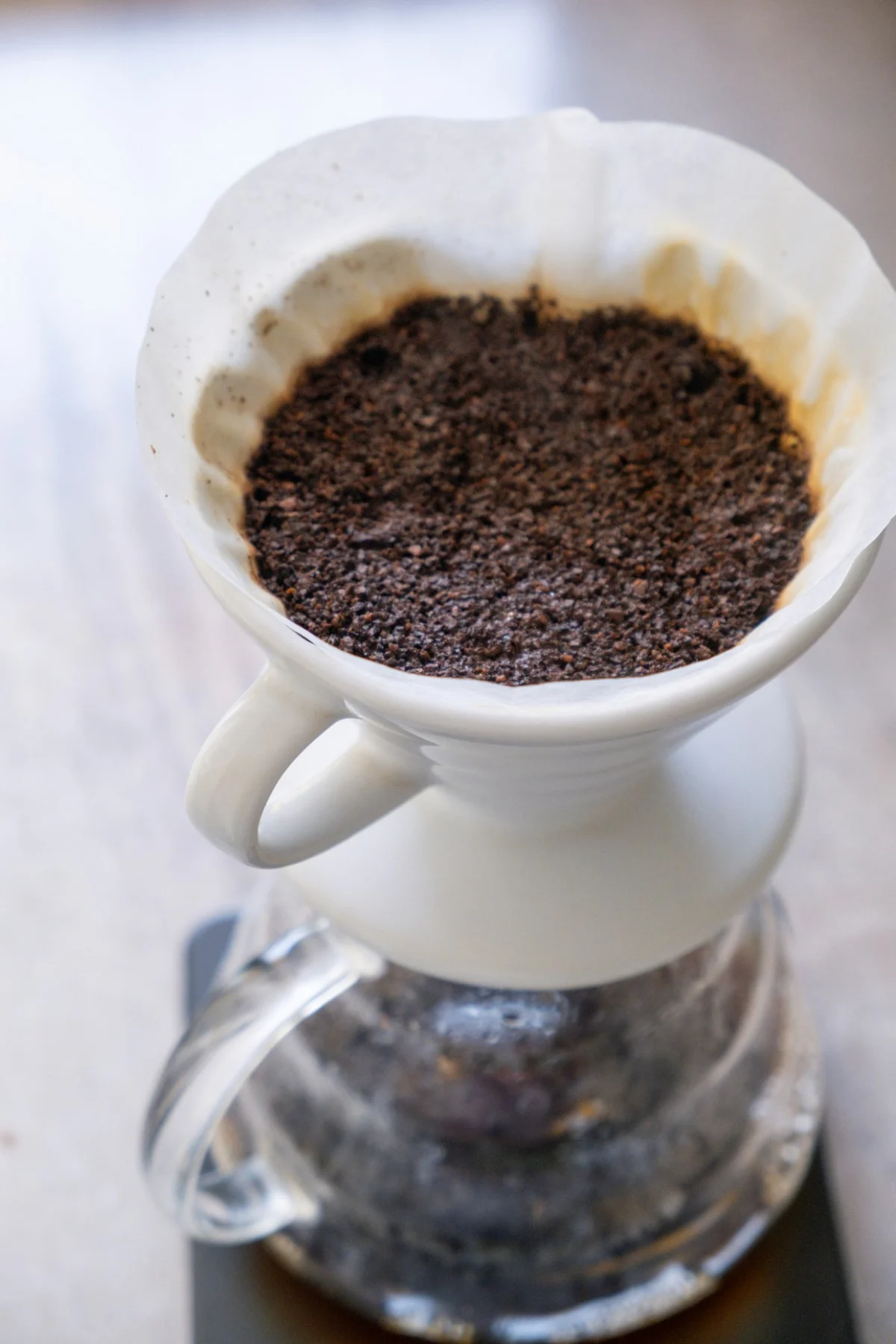
London, UK – In a significant stride towards sustainable waste management and environmental remediation, researchers are uncovering the remarkable potential of spent coffee grounds, a ubiquitous byproduct of global coffee consumption, to effectively purify contaminated water. Multiple recent studies are illuminating pathways for this readily available organic material to be transformed into low-cost, highly efficient filters capable of capturing a range of hazardous dissolved contaminants, most notably heavy metals. This burgeoning area of research not only offers a novel approach to tackling water pollution but also champions the principles of a circular economy within the vast coffee industry, transforming a discarded commodity into a valuable environmental resource.
The focus of these investigations lies in transforming used coffee grounds into "adsorbents" – materials possessing the inherent ability to bind and remove specific substances from a liquid. Researchers at Loughborough University in the United Kingdom have been at the forefront of this exploration, conducting rigorous testing to ascertain the efficacy of coffee grounds in sequestering heavy metals such as lead, copper, and zinc, elements commonly found in industrial wastewater and polluted water bodies. These studies build upon a growing body of scientific literature that has progressively highlighted the inherent adsorptive properties of spent coffee, moving beyond mere anecdotal evidence to explore scientifically validated, real-world applications.
A Dual Approach to Water Purification: Biochar and Treated Waste
The recent research efforts have coalesced into two distinct but complementary studies, each published in reputable peer-reviewed journals, offering concrete methodologies for harnessing the power of coffee waste.
The first study, featured in the January 2026 edition of Biomass and Bioenergy, delves into the conversion of spent coffee grounds into a highly porous material known as biochar. This process involves carefully controlled pyrolysis, where organic materials are heated in the absence of oxygen. The research team focused on optimizing these thermal conversion conditions to maximize the material’s capacity for removing lead from water. This work was conducted in collaboration with India’s Banaras Hindu University, underscoring the international nature of this scientific endeavor.
The second study, published in the April 2026 issue of Clean Technologies, takes a slightly different tack. It investigates the direct use of treated coffee waste, both in its raw form and when blended with biochar derived from rice husks, within a fixed-bed column system. This experimental setup is designed to simulate real-world water treatment scenarios, specifically targeting the removal of copper and zinc at low concentrations.
Transforming Waste into a Lead-Binding Powerhouse: The Biochar Breakthrough
The investigation into lead removal, detailed in the Biomass and Bioenergy publication, commenced with the collection of spent coffee grounds from the cafeteria at Loughborough University. These grounds, destined for landfill or composting, were then subjected to a series of pyrolysis treatments. The researchers systematically varied key parameters such as temperature, heating rate, and heating duration to identify the optimal conditions for generating biochar with superior adsorptive capabilities.
The results were striking. The optimized biochar formulation demonstrated an exceptional ability to capture lead ions from contaminated water, achieving a removal rate of nearly 98%. This means that for every gram of the specially prepared biochar, it could effectively bind approximately 4.9 milligrams of lead. This high adsorption capacity is attributed to the significant increase in porosity and surface area created during the pyrolysis process, providing a vast number of sites for lead ions to attach.
Monika Mahajan, the lead author of the Biomass and Bioenergy study, expressed optimism about the findings in a December 2025 press release from Loughborough University. "By optimising the decomposition conditions, we were able to significantly enhance the material’s performance while keeping the process low-cost and environmentally friendly," Mahajan stated. "It is exciting to see a circular-economy approach translate into a practical solution for real-world water treatment challenges." The implication here is a tangible step towards utilizing agricultural and food waste streams to address critical environmental issues, moving away from linear waste disposal models.
The background context for this research is the persistent global challenge of lead contamination in water sources. Lead is a highly toxic heavy metal that can leach into drinking water from aging pipes and plumbing fixtures. Exposure to lead, even at low levels, can have severe health consequences, particularly for children, affecting neurological development and causing a range of other physical ailments. Traditional water treatment methods for lead removal can be expensive and energy-intensive, making the development of affordable and accessible alternatives a high priority for public health and environmental agencies worldwide. The successful conversion of a readily available waste product like coffee grounds into an effective lead adsorbent offers a promising avenue for cost-effective remediation.
Addressing Copper and Zinc: The Versatility of Treated Coffee Waste
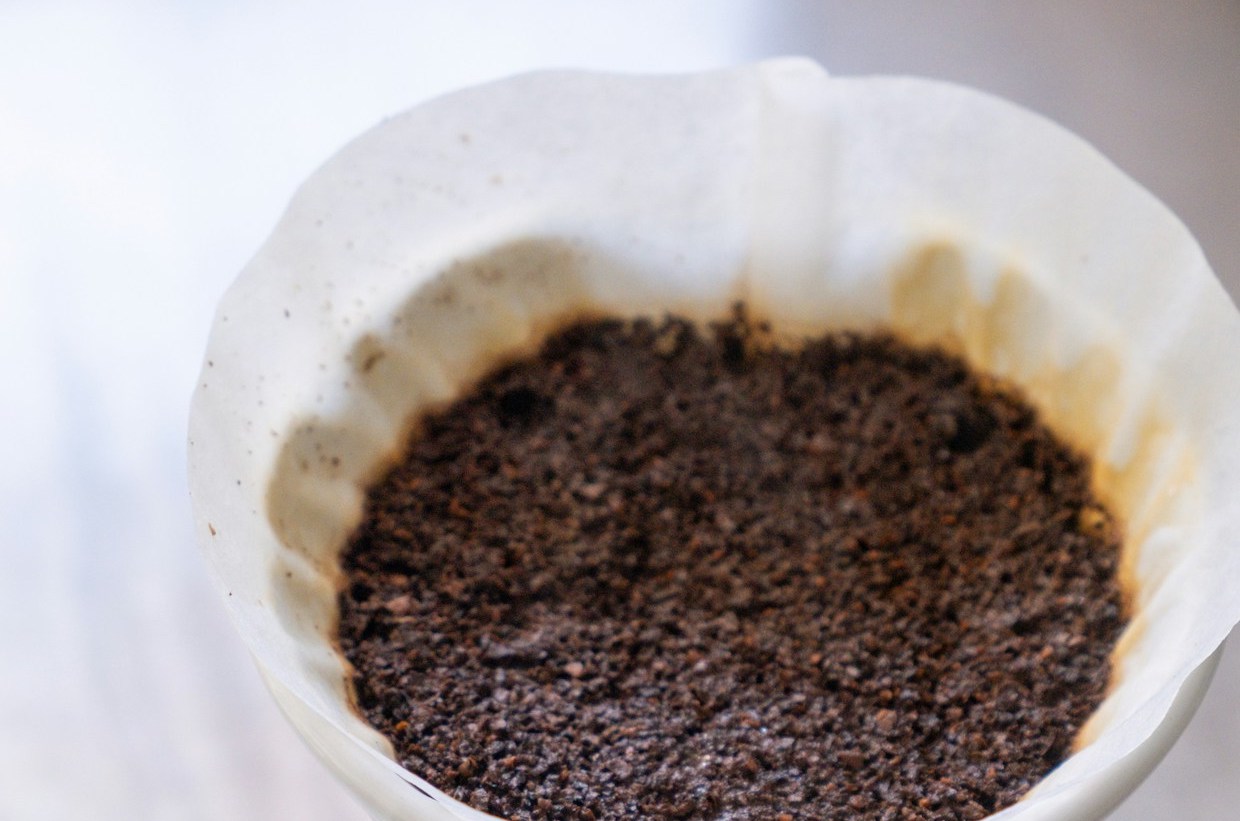
The second study, published in Clean Technologies, further highlights the versatility of coffee waste in water purification. For this research, the team sourced "barista coffee waste" from a commercial espresso machine on the Loughborough University campus. This waste was then subjected to a preparatory process involving washing, drying, and sieving to achieve a consistent particle size, ensuring uniformity in experimental conditions.
The researchers explored two primary formulations for the adsorption of copper and zinc: the treated coffee residues used alone, and a 50/50 blend of these residues with rice husk biochar. The latter formulation was investigated to assess whether combining different types of bio-based adsorbents could yield synergistic improvements in removal efficiency.
Through meticulous testing, which involved varying factors such as contact time between the water and the adsorbent, the type of adsorbent used, and the initial concentration of the metal ions, the study found both formulations to be highly effective. In one particularly successful trial, the coffee-based materials managed to adsorb an impressive 96% of the copper and zinc present in the water. This demonstrates the significant potential of treated coffee grounds, even without complex processing into biochar, to act as efficient agents for removing these common industrial pollutants.
Basmah Bushra, the lead author of the Clean Technologies paper, emphasized the broader significance of these findings. "Our studies show that what we often dismiss as waste, like spent coffee grounds, can actually become powerful materials in tackling environmental pollution," Bushra commented. "By turning waste into adsorption material, we can not only reduce landfill burdens but also create affordable materials for cleaning up contaminants." This statement directly addresses the dual benefit of the research: waste reduction and pollution mitigation.
The timeline leading to these publications reflects a sustained research effort. While the specific start dates of these individual projects are not detailed, the progression from initial exploration of coffee grounds’ adsorptive properties to refined methodologies for specific contaminant removal suggests a research trajectory spanning several years. The collaborative nature of the Biomass and Bioenergy study, involving institutions in both the UK and India, indicates a growing global interest and a shared commitment to finding innovative solutions to environmental challenges. The publication dates in early 2026 suggest that these findings are the culmination of recent, intensive laboratory work and data analysis.
Implications for the Coffee Industry and Beyond
The implications of these research findings extend far beyond the laboratory. For the global coffee industry, which generates an estimated 6 million tons of spent coffee grounds annually, this presents a significant opportunity for developing a more sustainable and circular business model. Currently, the vast majority of these grounds end up in landfills, contributing to greenhouse gas emissions and representing a missed resource.
The development of cost-effective and efficient water purification systems utilizing spent coffee grounds could create new revenue streams for coffee businesses and processors, incentivizing them to implement collection and processing infrastructure. This could involve partnerships between coffee roasters, cafes, and water treatment technology providers. The economic viability of such solutions is crucial, and the research’s emphasis on "low-cost" processes is a key factor in their potential widespread adoption.
The broader impact on environmental remediation is also substantial. Heavy metal pollution is a pervasive global issue, affecting both developed and developing nations. In regions with limited financial resources for advanced water treatment technologies, the availability of affordable, locally sourced adsorbents derived from waste materials could be transformative. This could lead to improved access to clean drinking water, reduced incidence of waterborne diseases, and the restoration of polluted aquatic ecosystems.
Future Directions and Broader Applications
While these studies represent a significant leap forward, further research and development are necessary to scale up these processes for industrial application. Key areas for future investigation include:
- Life Cycle Assessment: Conducting comprehensive life cycle assessments to evaluate the overall environmental impact of producing and using coffee-based adsorbents, ensuring that the benefits outweigh any potential drawbacks.
- Long-Term Performance and Regeneration: Investigating the long-term durability and performance of these materials under continuous use, as well as exploring efficient methods for regenerating the adsorbents after they have reached their saturation point.
- Pilot-Scale Implementation: Moving from laboratory-scale experiments to pilot-scale demonstrations in real-world contaminated water scenarios to validate performance and identify any practical challenges.
- Broader Contaminant Spectrum: Expanding research to explore the efficacy of coffee-based adsorbents for removing a wider range of contaminants, including organic pollutants, pharmaceuticals, and other industrial chemicals.
- Standardization and Regulation: Developing industry standards and regulatory frameworks to ensure the quality, safety, and effectiveness of coffee-based water treatment materials.
The insights gleaned from Loughborough University and its collaborators are not merely academic curiosities; they represent a tangible pathway towards a more sustainable future. By recognizing the inherent value in what was once considered waste, scientists are unlocking innovative solutions to some of the planet’s most pressing environmental challenges. The humble spent coffee ground, a daily fixture for millions worldwide, may soon play a vital role in safeguarding one of our most precious resources: clean water.
