

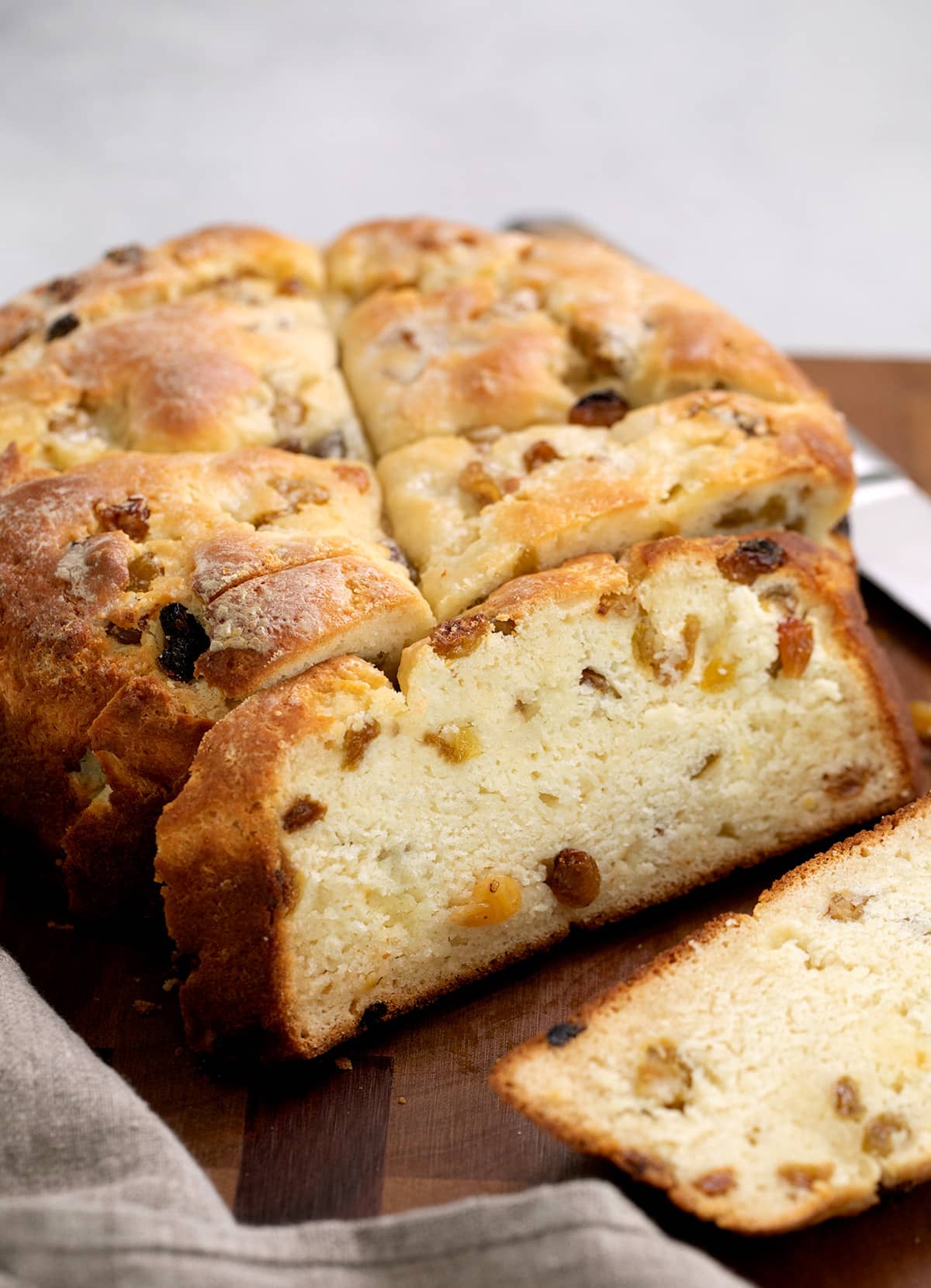
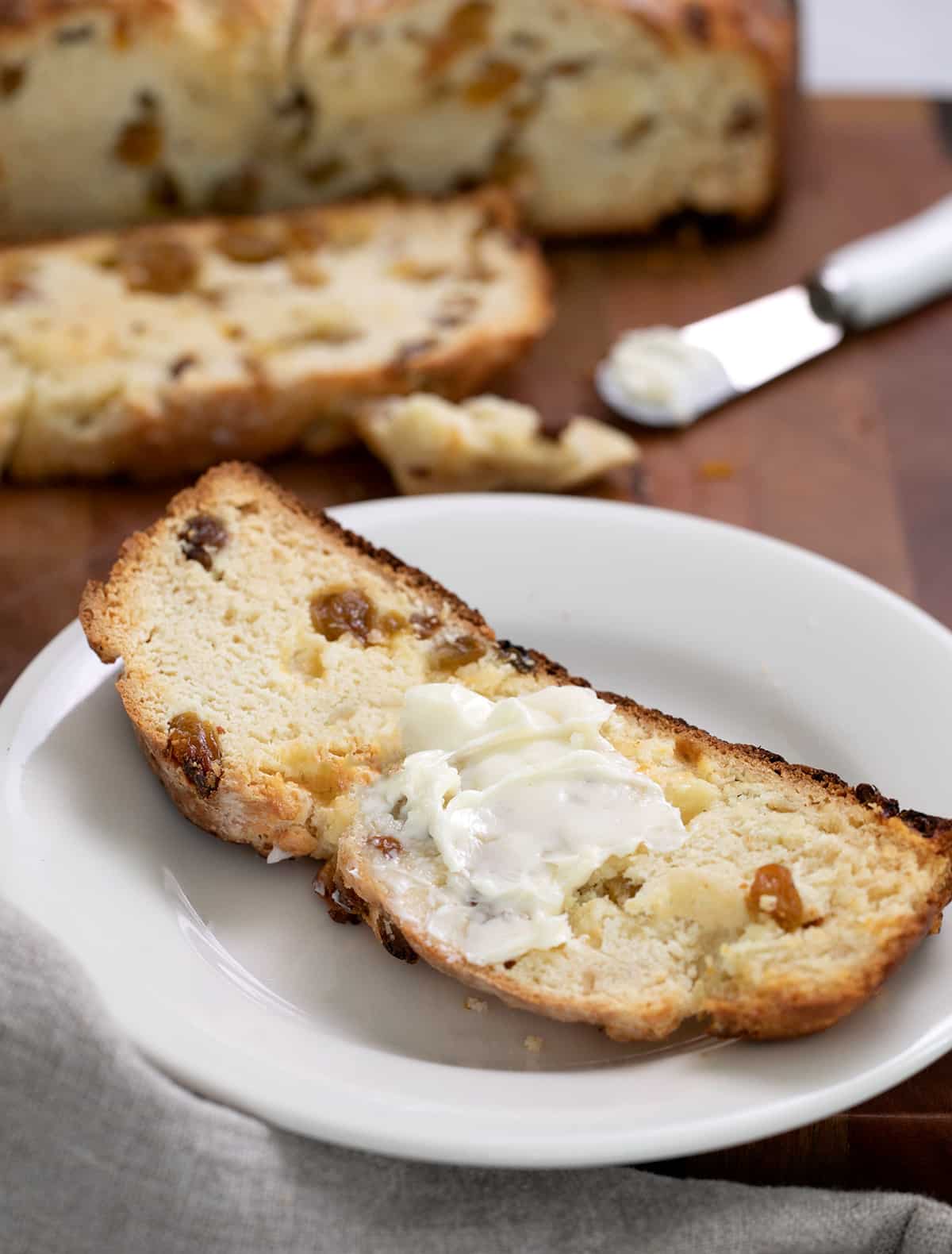
This gluten-free Irish soda bread is a lightly sweet quick bread that tastes best slathered with some extra Irish butter. Celebrate St. Patrick’s Day, or any day, the way you remember with this classic, golden brown soda bread!
The tradition of Irish soda bread dates back to the mid-19th century, when bicarbonate of soda (baking soda) became widely available. Prior to this, traditional Irish bread relied on yeast, which required a longer rising time and access to an oven. Soda bread, a quick bread, offered a faster and more accessible alternative for households. Its simplicity and reliance on pantry staples—flour, salt, baking soda, and buttermilk—made it a staple in Irish homes. The addition of sugar and raisins in this particular recipe lends a subtle sweetness and delightful texture, transforming it into a more indulgent treat, perfect for festive occasions.
The development of this specific gluten-free recipe was driven by a personal need to include everyone in holiday traditions. Initially created in 2015 for a child’s school celebration, it aimed to ensure that a child with gluten sensitivities could enjoy the same classic treat as their peers. This underscores a broader trend in modern baking and culinary arts: the increasing demand for delicious and accessible gluten-free alternatives that do not compromise on taste or texture. As awareness of celiac disease and gluten intolerance grows, so does the innovation in creating traditional foods that cater to these dietary needs, allowing more people to partake in cultural culinary experiences.
The Art of a Tender Crumb: Why This Recipe Excels
Irish soda bread is fundamentally a quick bread, relying on chemical leavening rather than yeast. However, its preparation diverges from typical quick breads baked in loaf pans. This recipe emphasizes a pastry-like technique, utilizing cold butter, chilled buttermilk, and a gentle hand during mixing. This method is crucial for achieving a light, tender, and buttery crumb. The cold butter, when cut into the dry ingredients, creates small pockets that steam and expand during baking, resulting in a delicate texture. Similarly, the acidity in the buttermilk reacts with the baking soda to create carbon dioxide, which aids in the bread’s rise.
The resulting bread is remarkably versatile. It slices cleanly, whether you prefer traditional wedges or more uniform rectangular pieces. This adaptability makes it an ideal accompaniment to a variety of meals or a delightful standalone snack. The golden-brown crust, a hallmark of well-baked soda bread, hints at the comforting flavors within.
Essential Ingredients for Authentic Flavor and Texture
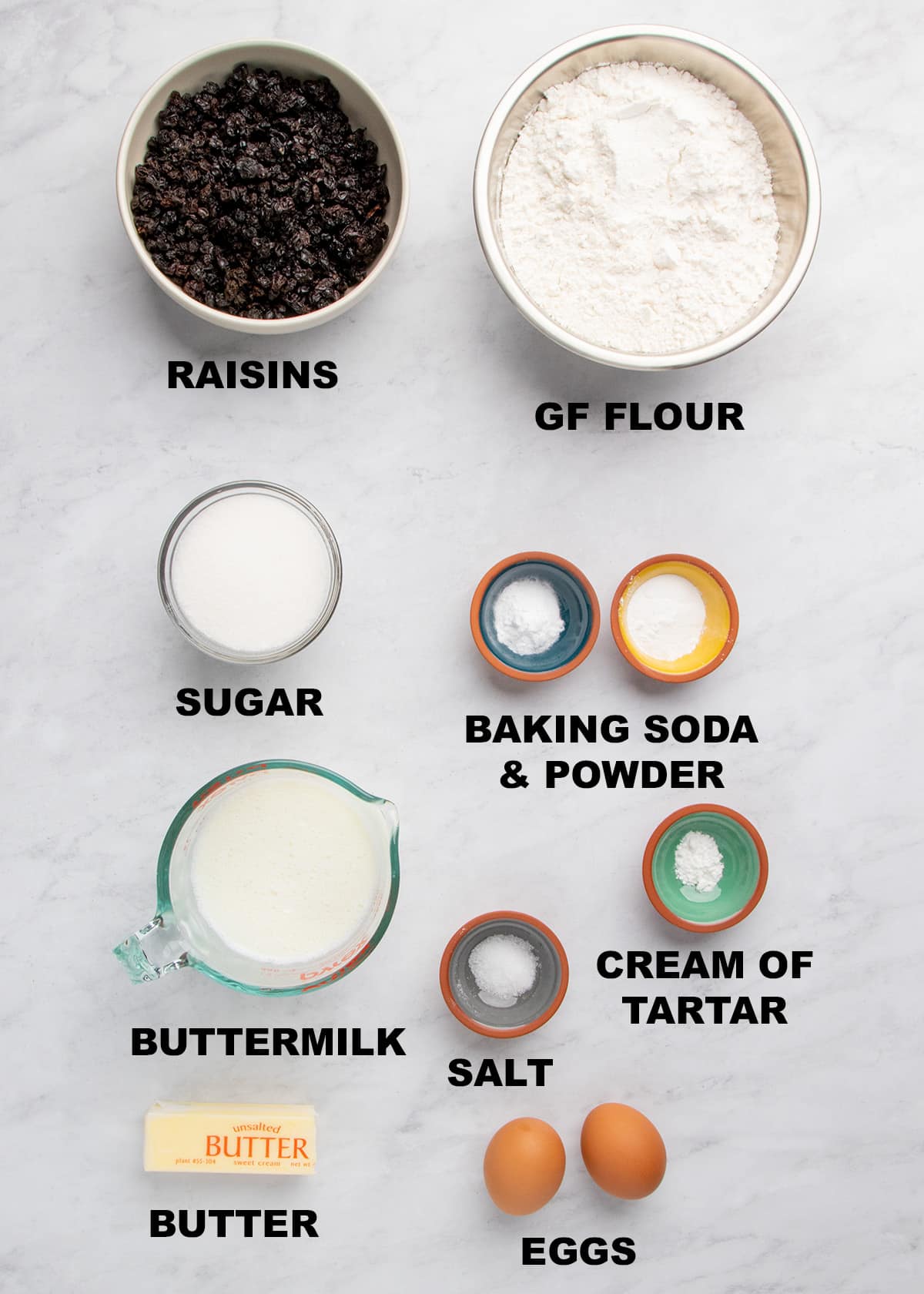
The success of this gluten-free Irish soda bread hinges on the quality and preparation of its ingredients. Each component plays a vital role in achieving the desired outcome:
- Gluten-Free Flour Blend with Xanthan Gum: The foundation of the bread. A good quality blend designed for baking is essential for mimicking the structure of traditional wheat flour. The addition of xanthan gum is critical in gluten-free baking to provide elasticity and binding that gluten naturally offers. It helps prevent the bread from becoming crumbly.
- Baking Soda and Baking Powder: These are the primary leavening agents. Baking soda reacts with the acidic buttermilk to produce carbon dioxide gas, causing the bread to rise. Baking powder provides an additional lift, ensuring a lighter texture.
- Salt: Enhances the overall flavor profile of the bread and balances the sweetness.
- Cream of Tartar: Often used in gluten-free baking to add a slight tang and further assist with leavening, working in conjunction with baking soda.
- Sugar: A modest amount of sugar is included to provide a hint of sweetness, making the bread more palatable on its own or with butter. It also contributes to browning.
- Cold Butter: Crucial for creating a tender and flaky texture. The butter should be very cold, almost frozen, and grated or diced. This ensures that it remains in small pieces throughout the dough, melting during baking to create steam pockets.
- Cold Buttermilk: The acidic component that reacts with baking soda for leavening. It also contributes to the moisture and tender crumb of the bread. Using cold buttermilk is essential to maintain the integrity of the butter pieces.
- Raisins (Optional): Add pockets of sweetness and chewiness. They are a traditional addition, but can be substituted or omitted.
Step-by-Step Guide to Crafting Gluten-Free Irish Soda Bread
The process of making this gluten-free Irish soda bread is designed to be straightforward, emphasizing careful technique for optimal results.

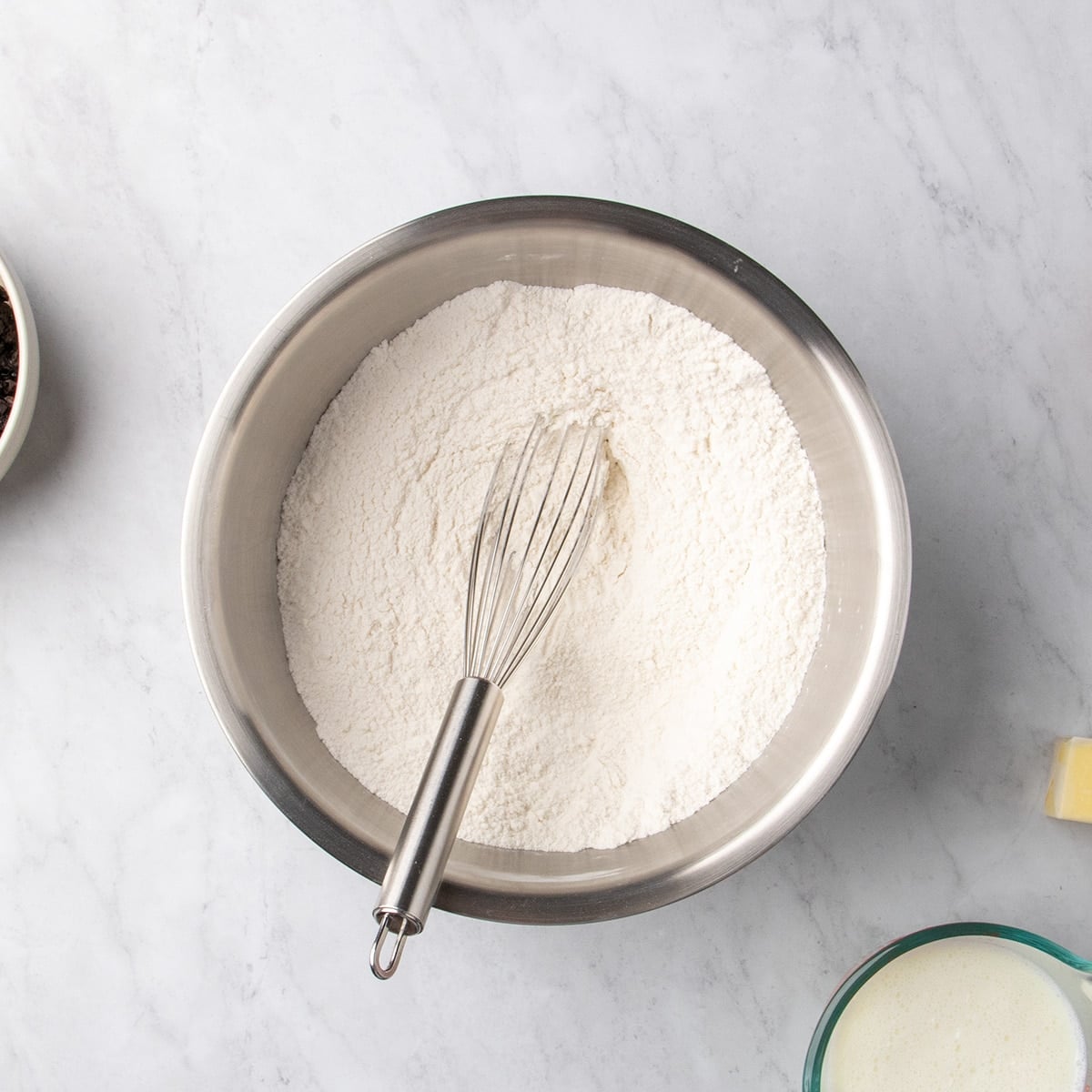
- Combine Dry Ingredients: In a large mixing bowl, thoroughly whisk together the gluten-free flour blend (with xanthan gum), baking powder, baking soda, salt, cream of tartar, and sugar. Ensure all ingredients are evenly distributed to avoid pockets of leavener, which can lead to uneven rising or a metallic taste.
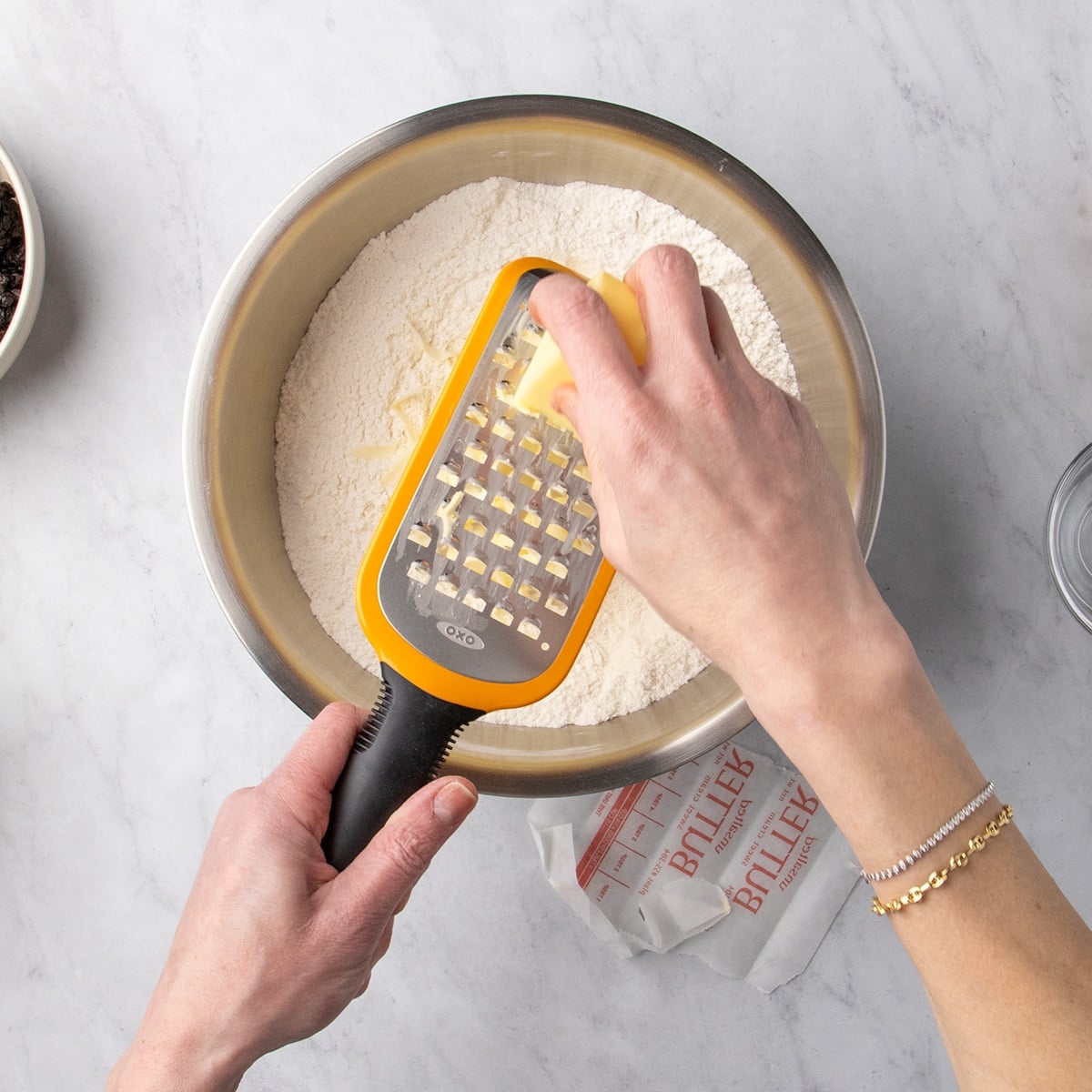
- Incorporate Cold Butter: Begin with very cold butter. Grate it directly into the bowl of dry ingredients and toss to coat. Alternatively, dice the butter into small cubes, toss with the dry ingredients, and then use your fingertips to flatten the butter pieces into thin shards. This ensures the butter is distributed in small, cold clumps throughout the mixture, which is key for achieving a light and tender crumb.
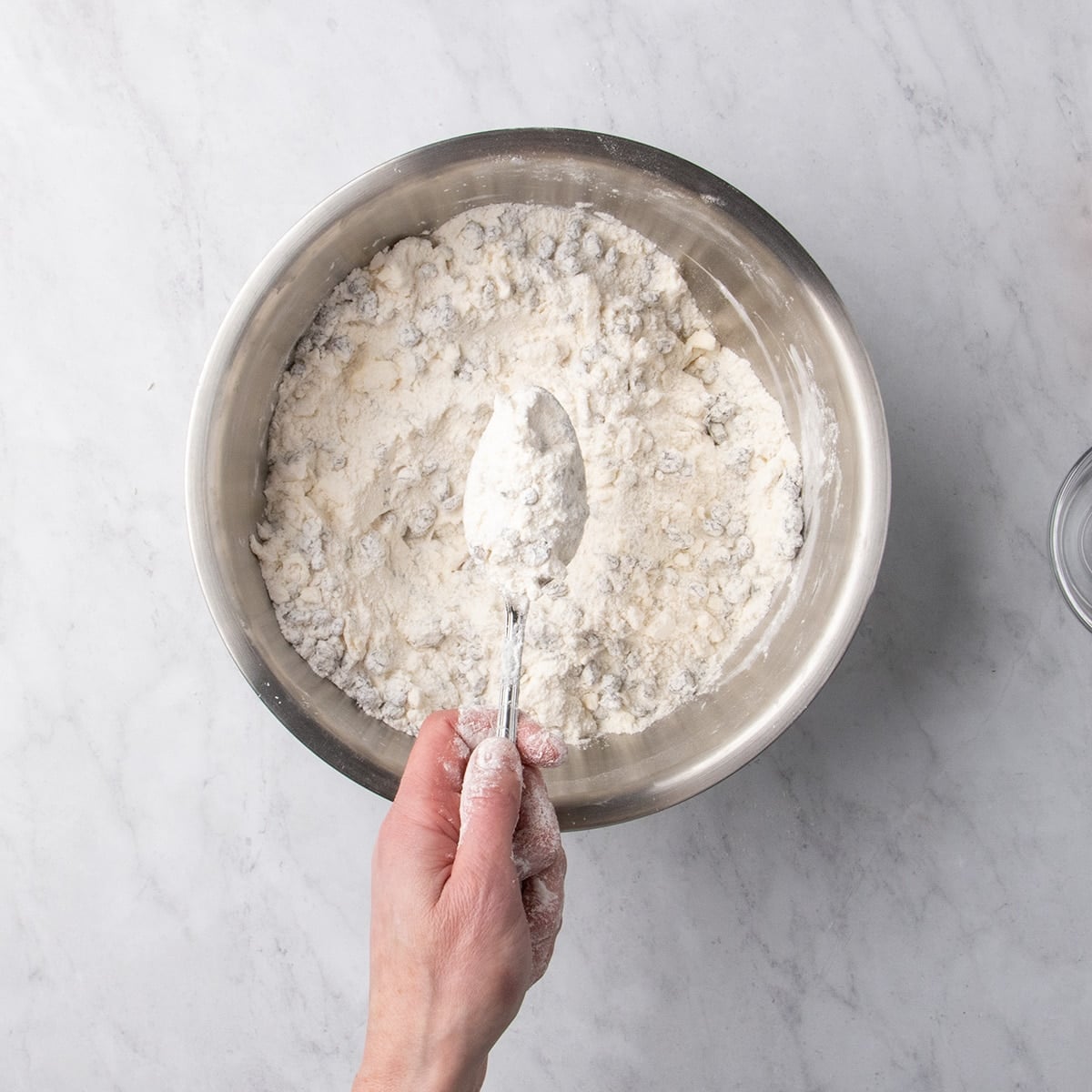
- Add Raisins: Gently stir in the raisins (or other chosen dried fruit/nuts) until they are evenly scattered throughout the dry ingredients. At this stage, the mixture will appear dry and clumpy, which is the desired consistency.
- Whisk Wet Ingredients: In a separate, smaller bowl or a 2-cup measuring cup, whisk together the cold eggs and cold buttermilk. Beating the eggs for about 30 seconds ensures the yolks and whites are fully combined, creating a smooth liquid mixture.
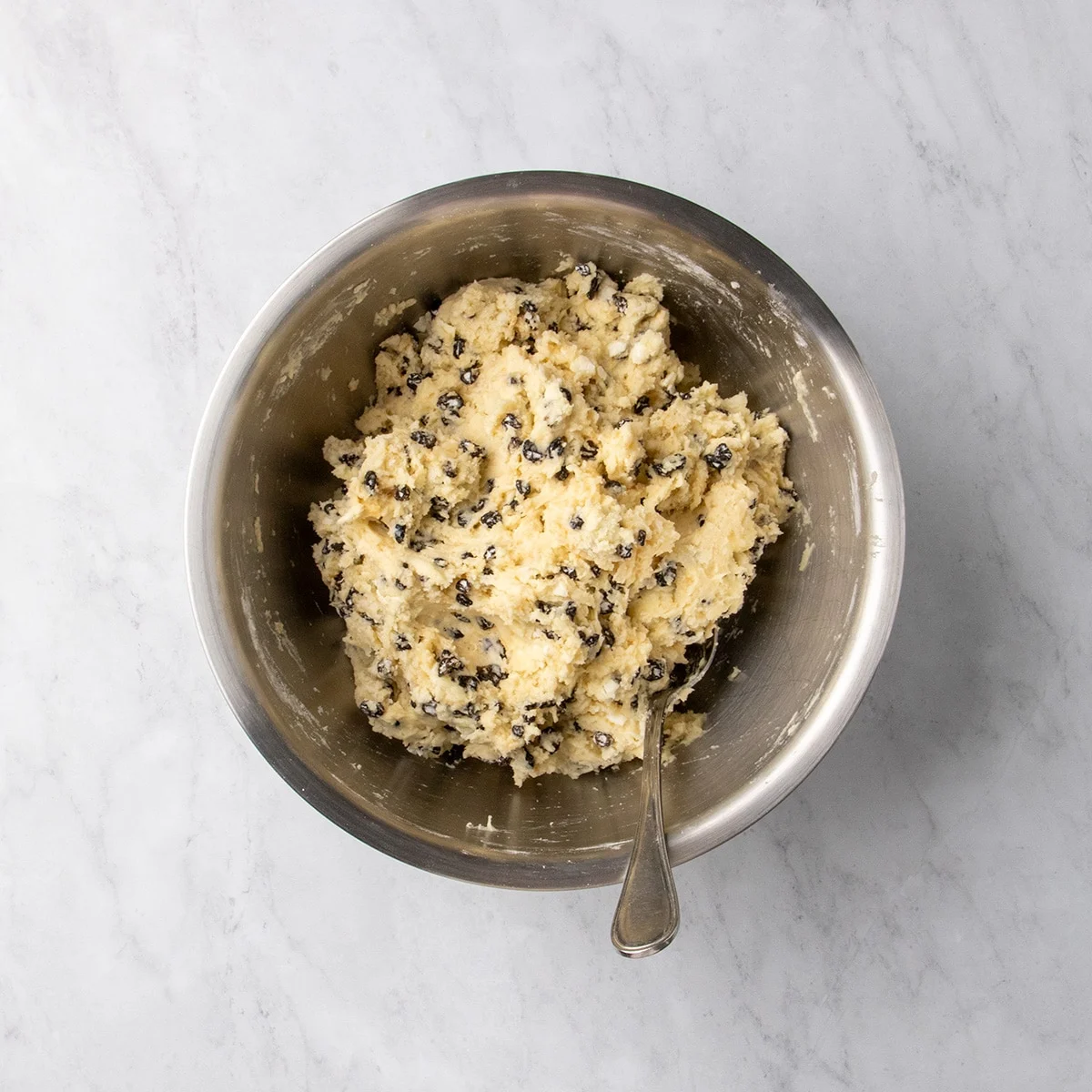
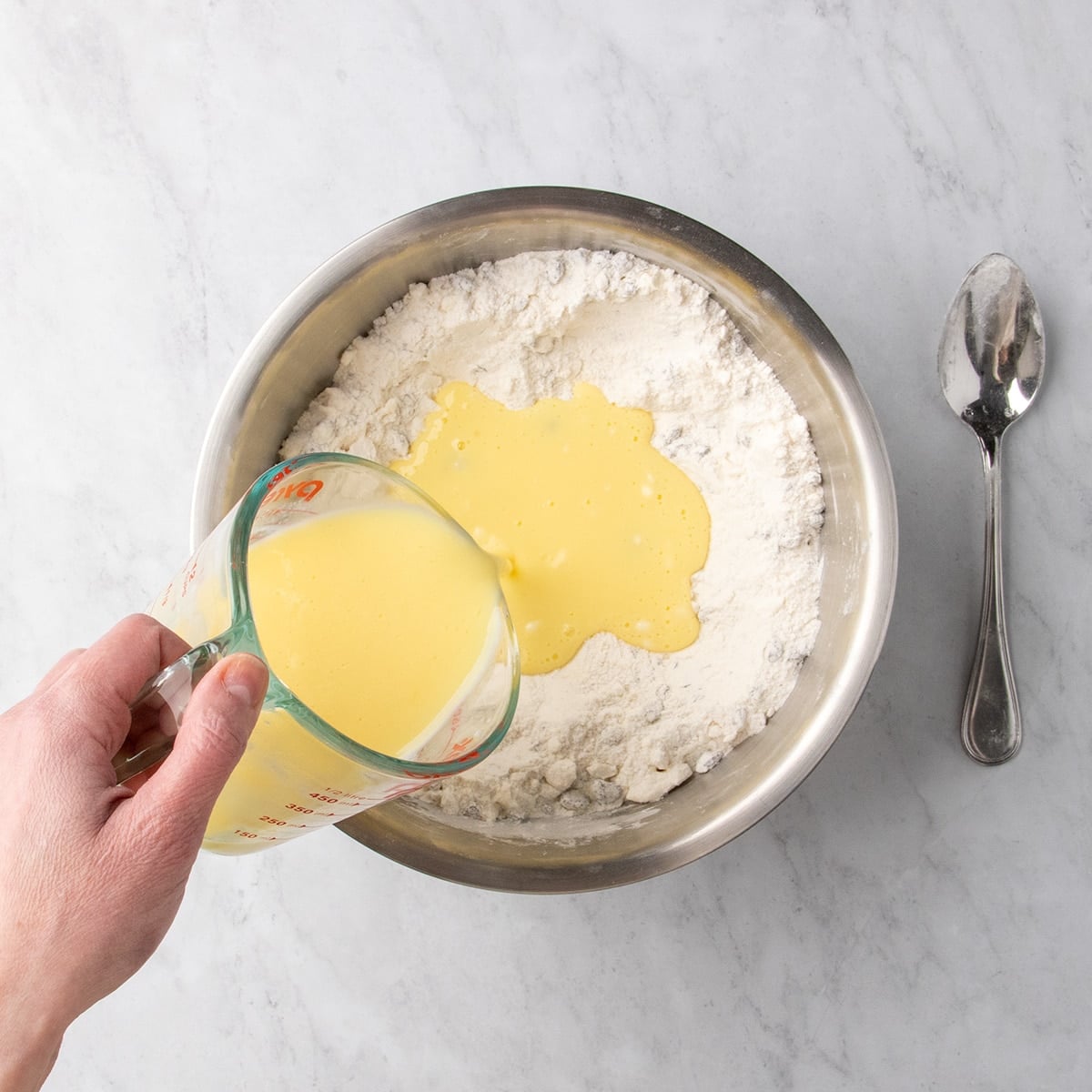
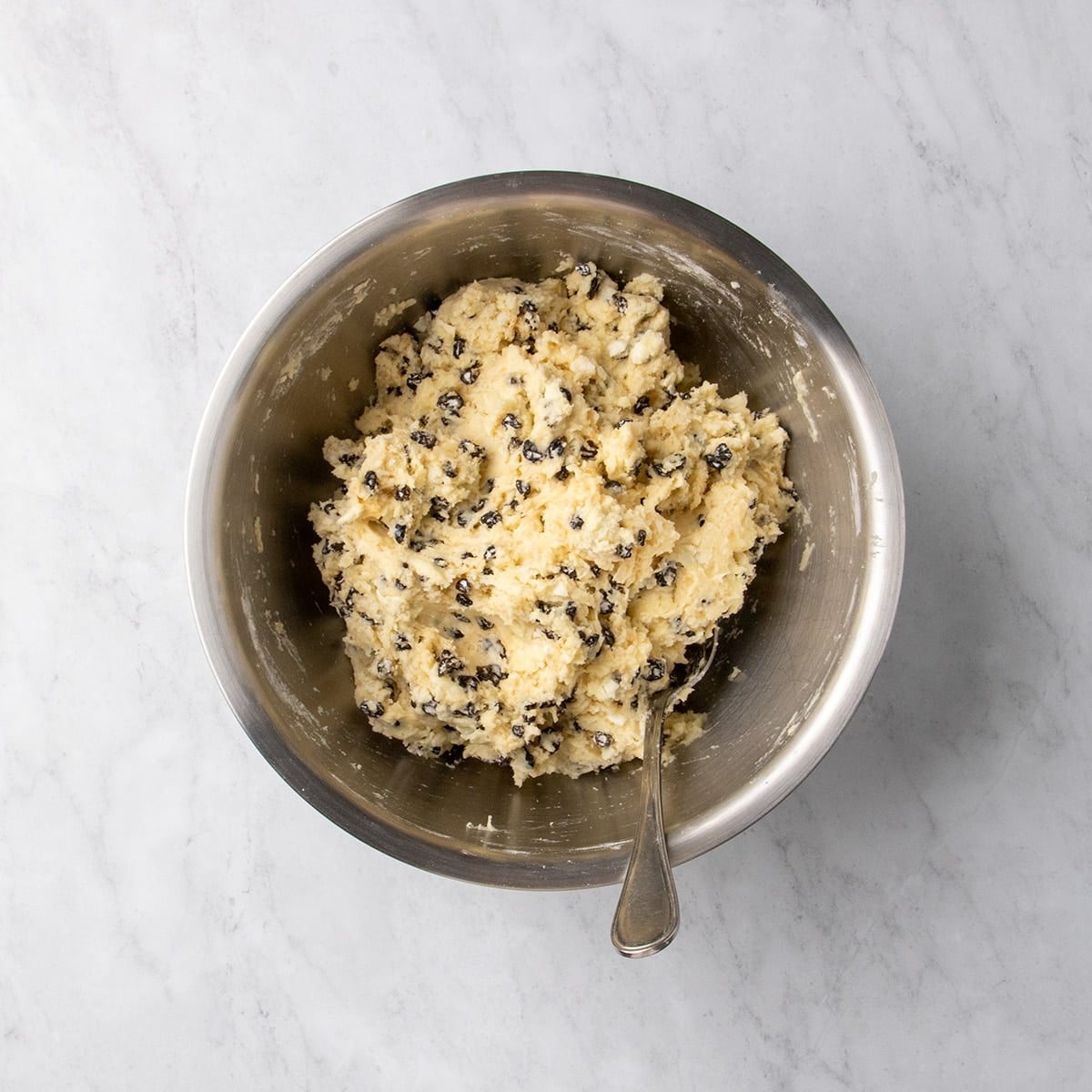
- Combine Wet and Dry: Create a well in the center of the dry ingredients in the large mixing bowl. Pour the cold buttermilk mixture into the well. Using a mixing spoon, gently combine the wet and dry ingredients until the dough just begins to hold together. Avoid overmixing, as this can melt the butter and result in a tougher bread. If there are any very dry pockets of flour, add a tiny bit more buttermilk sparingly to those specific areas until the dough is cohesive.
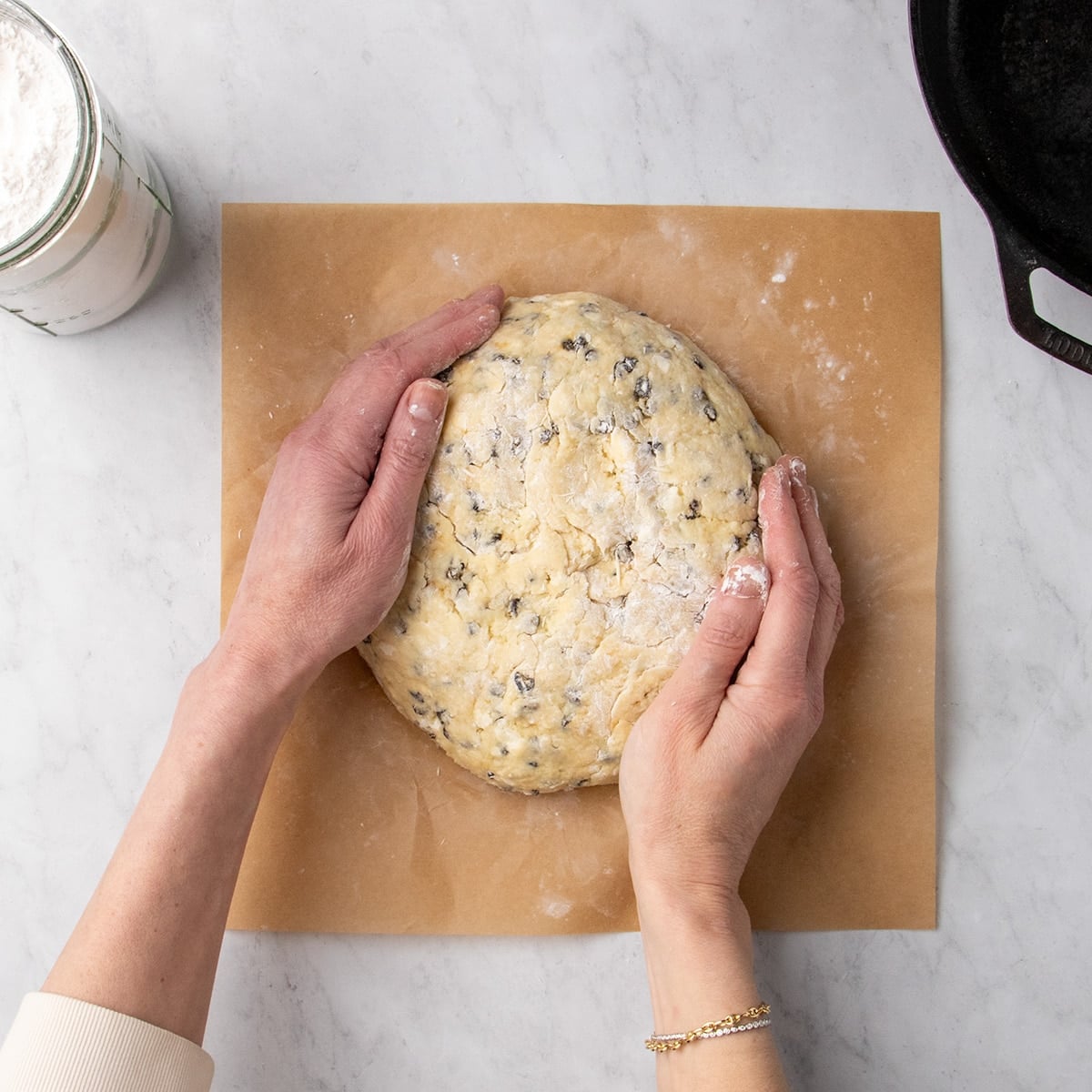
- Shape the Loaf: Turn the dough out onto a lightly floured surface. If you plan to bake in a cast-iron skillet, place a piece of parchment paper on the surface first and then turn the dough onto the parchment. Gently shape the dough into a round disk, approximately 9 inches in diameter. Handle the dough as little as possible to prevent the butter from warming up.
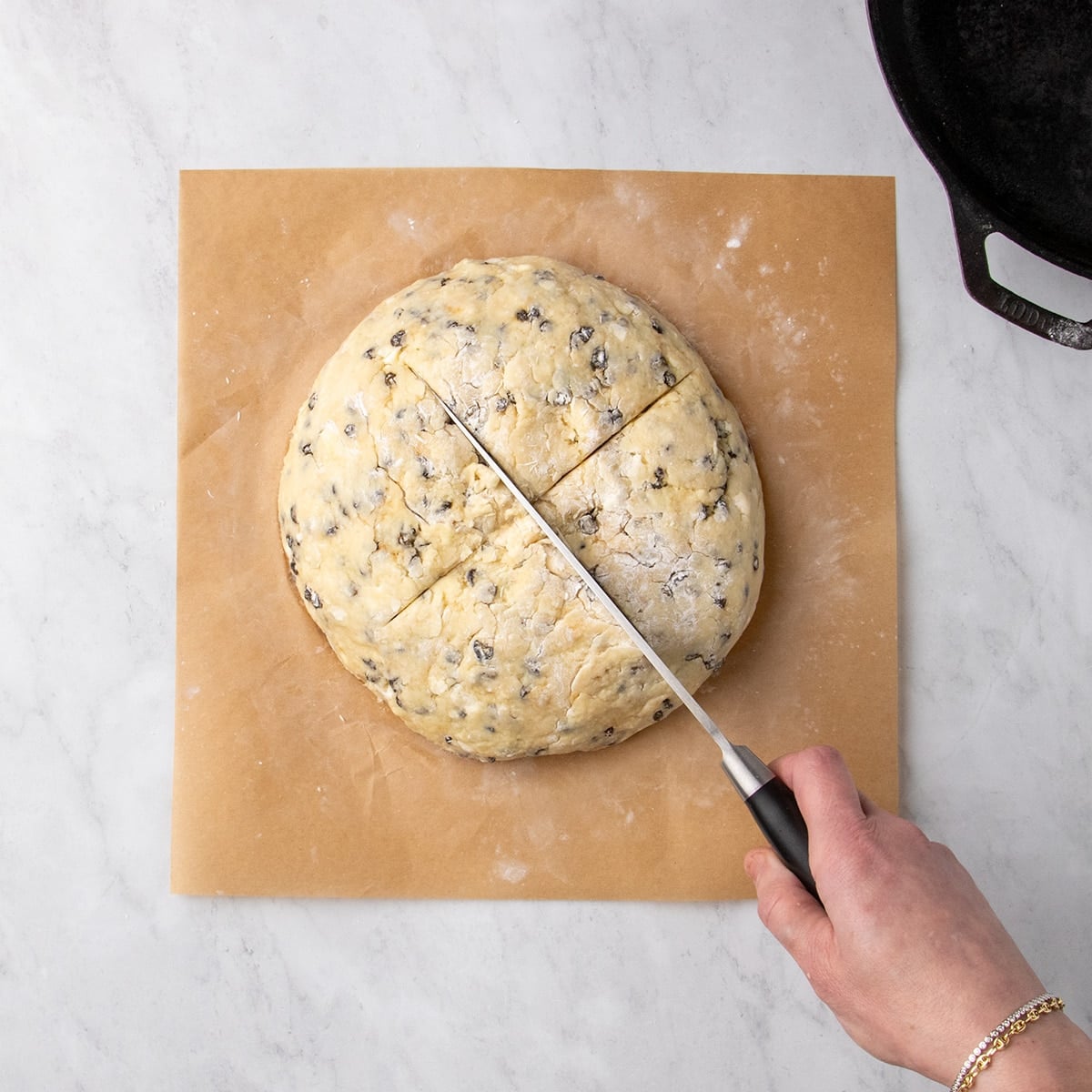
- Score the Loaf: Using a large, sharp knife, score a deep cross or X into the center of the loaf. The cuts should be about 1 inch deep and should not extend all the way to the edges of the disk. This traditional scoring allows steam to escape during baking, ensuring the bread cooks evenly and preventing it from splitting haphazardly. Historically, this cross was also believed to ward off evil spirits.
- Bake to Golden Perfection: Carefully transfer the shaped loaf (on parchment, if used) to your baking pan or skillet. Bake in a preheated oven at 375°F (190°C). The bread is ready when it is lightly golden brown all over, firm to the touch in the center, and a tester inserted into the middle comes out with only a few moist crumbs (not wet batter). Baking times can vary, so it’s important to rely on these visual and tactile cues rather than just the clock. Baking in a cast-iron skillet may result in a shorter baking time and a crisper crust.
- Cool and Serve: Allow the loaf to cool in the pan until it is stable enough to be moved to a wire rack. Remove any parchment lining to allow air to circulate all around the bread as it cools completely. Once cooled, slice and serve.
Expert Tips for Baking Success
To ensure your gluten-free Irish soda bread is a triumph, consider these expert recommendations:
- Maintain Ingredient Coldness: The success of this bread relies heavily on keeping the butter and buttermilk cold. This is paramount for achieving a tender crumb, similar to the technique used for gluten-free biscuits. Cold butter creates steam during baking, leading to a lighter texture.
- Gentle Handling: Avoid overworking the dough. Overhandling can melt the butter and develop toughness, negating the benefits of the cold ingredients. Mix just until the ingredients are combined.
- Proper Scoring: The deep cross cut into the raw dough is functional, allowing steam to escape. Ensure the cut is sufficiently deep to penetrate the center of the loaf, promoting even cooking.
- Authentic Buttermilk Substitute: If genuine buttermilk is unavailable, a suitable substitute is crucial. Simply adding acid to regular milk does not replicate the thickness and fat content of real buttermilk. A combination of plain Greek-style yogurt or sour cream with whole milk (by volume) is a good alternative. Alternatively, plain low-fat kefir can be used.
Adaptations and Substitutions
This recipe is designed to be adaptable to various dietary needs and preferences:
- Dairy-Free Variations: For a dairy-free version, substitute cold vegan butter sticks (such as Melt or Miyoko’s Kitchen) for the butter. Replace buttermilk with a mixture of plain, unsweetened non-dairy yogurt (like soy or coconut) and unsweetened non-dairy milk, maintaining the original liquid volume.
- Egg-Free Options: The recipe calls for two eggs. These can potentially be replaced with egg substitutes like chia eggs, Bob’s Red Mill egg replacer, or JustEgg liquid egg replacer. If using flax eggs, be aware that they may impart a slight earthy flavor.
- Fruit and Nut Alternatives: Raisins can be swapped for currants, chopped dried apricots, or prunes. Chopped raw unsalted walnuts or pecans are also viable options, though they may require a touch more buttermilk as they don’t add as much moisture as dried fruit. Omitting the raisins will result in a slightly smaller loaf that may bake faster.
Storage and Shelf Life
Once cooled, gluten-free Irish soda bread can be stored at room temperature, tightly wrapped in plastic wrap or press-and-seal wrap, for up to two days. To refresh slightly stale slices, lightly dampen them with lukewarm water and toast them gently.
For longer storage, wrap the cooled loaf securely in freezer-safe materials and freeze for up to three months. It is advisable to slice the bread before freezing to allow for easy defrosting of individual portions. Slices can be defrosted at room temperature or warmed in a toaster.
This gluten-free Irish soda bread offers a taste of tradition and comfort, proving that dietary restrictions do not mean sacrificing beloved culinary experiences. Its straightforward preparation and adaptable nature make it a welcome addition to any table, celebrating heritage and inclusivity with every delicious bite.
