

Since its debut in 1999, Hendrick’s Gin has maintained a reputation as a pioneer in the premium spirits industry, credited by many market analysts with catalyzing the global "gin renaissance." Produced by William Grant & Sons at the Girvan distillery in Scotland, the brand broke traditional conventions of London Dry gin by introducing a flavor profile centered on Bulgarian rose and cucumber. In recent years, Master Distiller Lesley Gracie has expanded this legacy through the "Cabinet of Curiosities," a series of limited-edition releases that experiment with rare botanicals and unconventional flavor architectures. As of late 2024, the product line has grown to include several distinct expressions, ranging from saline, coastal-inspired spirits to fruit-forward distillations. A comprehensive evaluation of these releases, based on mixability, botanical balance, and adherence to the brand’s core identity, reveals a diverse spectrum of quality and consumer appeal.
The Evolution of the Cabinet of Curiosities
The Cabinet of Curiosities represents a strategic pivot for Hendrick’s, allowing the brand to engage with the growing consumer demand for "discovery" spirits. Each release is intended to be available for a limited window, typically two years, before being replaced by a new experimentation. This "drop" model, common in fashion but increasingly prevalent in high-end spirits, creates a sense of urgency for collectors and cocktail enthusiasts.
The chronological development of these gins reflects broader trends in the beverage industry. Early releases like Orbium focused on bitter, medicinal qualities, while later iterations like Midsummer Solstice and Flora Adora leaned into the "floral-forward" and "fruit-heavy" profiles that have become popular in the contemporary gin market. However, the success of these experiments has been varied, with some expressions struggling to maintain the delicate balance required for a versatile mixing spirit.
Analytical Ranking of the Hendrick’s Portfolio
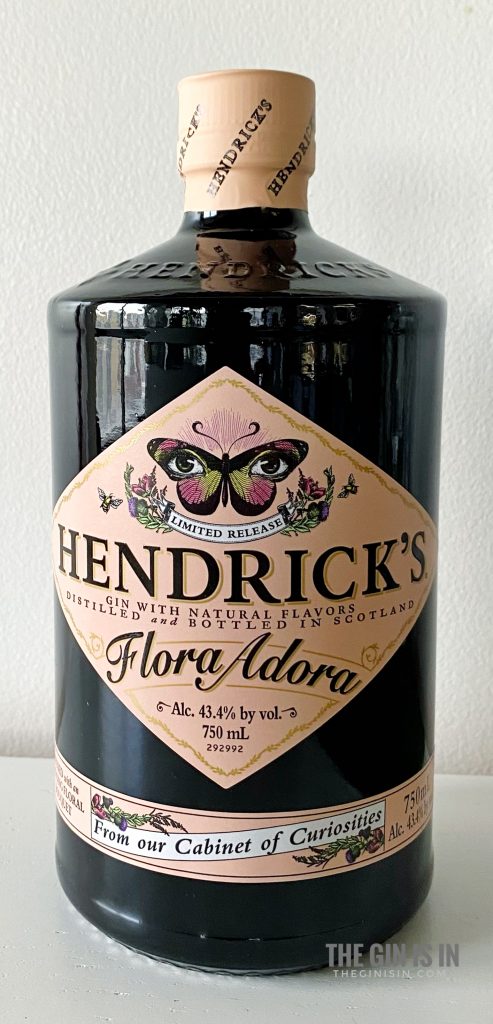
8. Hendrick’s Flora Adora (2023)
Introduced in 2023, Flora Adora was marketed as an ode to the "enchanting flowers that entice nectar-loving insects." The botanical bill includes lavender, rose, and hibiscus, creating an aroma profile heavy in honeysuckle and tuberose. While the concept aligns with the brand’s floral heritage, technical analysis suggests the execution may be overly aggressive for the average palate.
Market feedback and professional tasting notes indicate that Flora Adora possesses an intense, almost perfume-like quality that can become "soapy" when diluted or mixed. In cocktails such as the Wildgarden Cup, the lavender and lilac notes often overpower the base juniper, leading to a lack of structural integrity. For many critics, this expression represents the outer limit of floral infusion, appealing primarily to completionist collectors rather than the broader gin-drinking public.
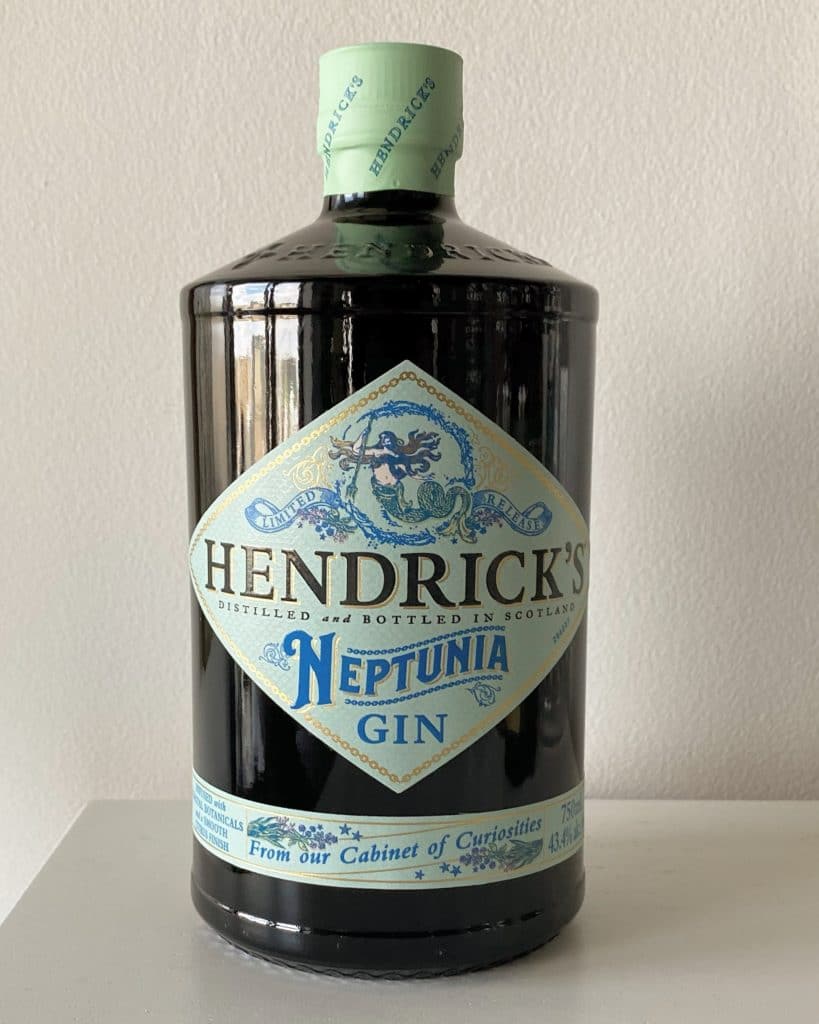
7. Hendrick’s Neptunia (2022)
Inspired by the rugged Ayrshire coast of Scotland, Neptunia marked the brand’s foray into the "marine" or "saline" gin category. This movement, popularized by brands like Gin Mare, emphasizes savory and briny notes over traditional citrus or spice. Neptunia incorporates coastal botanicals to create an effect reminiscent of a sea breeze hitting a citrus grove.
Despite its innovative concept, Neptunia has been described by industry professionals as "cacophonous." The transition from heady citrus to a savory, herbal finish is often viewed as abrupt. While it finds a niche among fans of Mediterranean-style gins, its profile is frequently deemed too chaotic for classic cocktails like the Martini, where a more singular focus is usually preferred.
6. Hendrick’s Amazonia (2024)
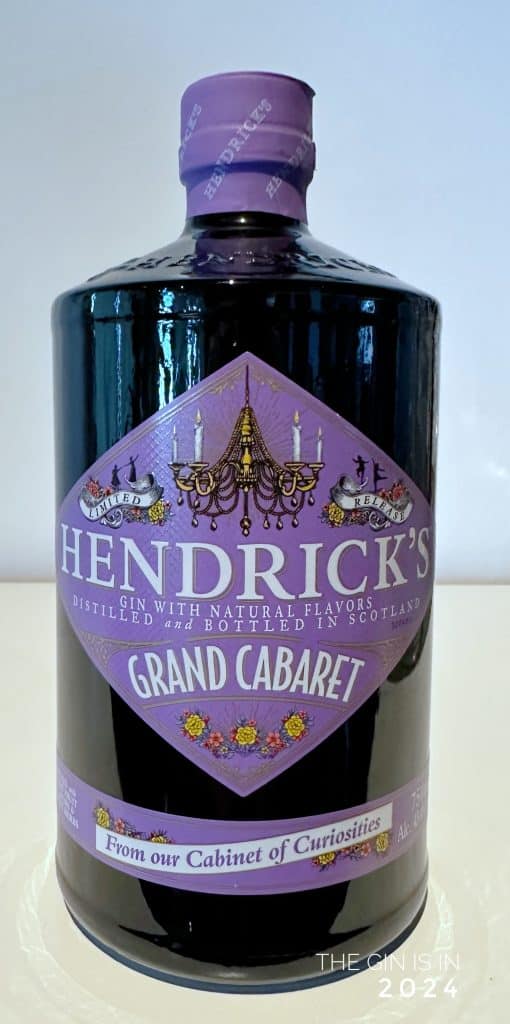
Originally released as a travel retail exclusive before seeing wider distribution, Amazonia was inspired by Lesley Gracie’s 2013 expedition to the Venezuelan Amazon. The gin utilizes tonka beans and pink peppercorns—two highly sought-after botanicals in modern distillation.
The primary critique of Amazonia lies in its heavy emphasis on tropical fruit notes. While the inclusion of exotic flora provides a unique novelty, the resulting spirit leans closer to a tropical liqueur than a traditional gin. Analysts note that while it performs well in fruit-based "tiki" style drinks or a Piña Colada, it loses the versatile "gin-ness" that defines the brand’s more successful offerings.
5. Hendrick’s Lunar (2021)
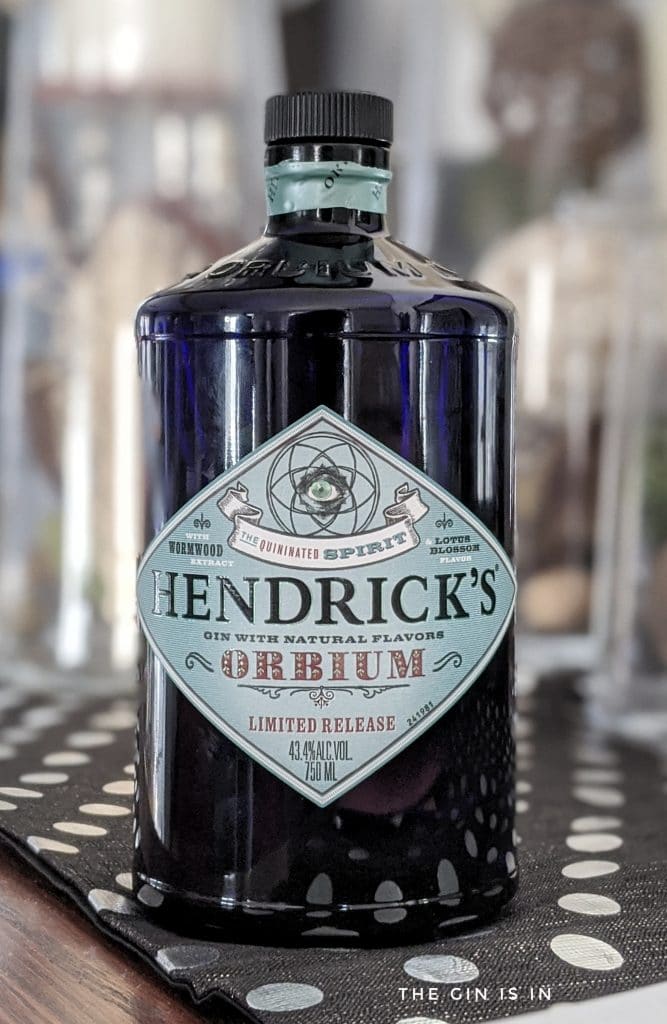
Lunar Gin was designed to capture the "nocturnal ambiance" of the Scottish coast. Developed under the light of the moon, the gin emphasizes warmth and spice rather than the bright, sun-drenched notes of traditional citrus gins. It features a moderate floral nose with hints of violet and honeysuckle, backed by a spice-led heart of black peppercorns and juniper.
Lunar is widely considered a successful "middle-of-the-road" expression. It maintains enough of the original Hendrick’s DNA to be recognizable but adds a sophisticated layer of spice that allows it to stand up in a Negroni or a spiced Gin and Tonic. It is a versatile mixer, though it may lack the distinct "wow factor" found in the top-tier releases.
4. Hendrick’s Orbium (2017/2019)
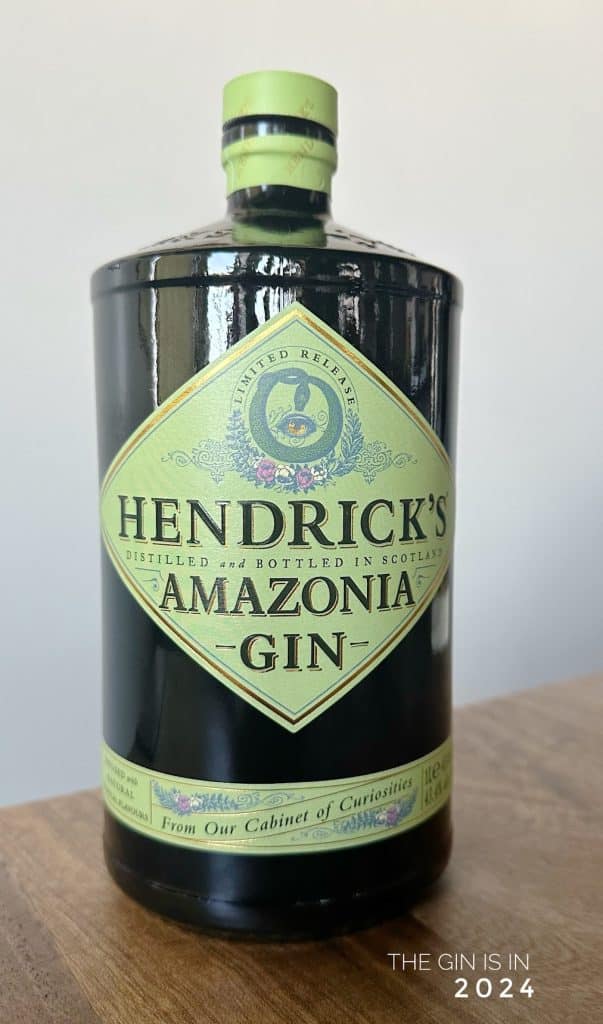
Orbium represents the most radical departure from the original Hendrick’s formula. By adding quinine, wormwood, and lotus blossom, Gracie created what the brand calls a "quininated gin." This profile essentially incorporates the ingredients of tonic water and vermouth directly into the spirit.
Orbium is polarizing but technically brilliant. The bitterness from the wormwood and quinine provides a structural depth that makes it an exceptional choice for Martinis and Negronis. While it is not recommended for those who dislike bitter flavors, it is highly respected by bartenders for its ability to add complexity to simple serves.
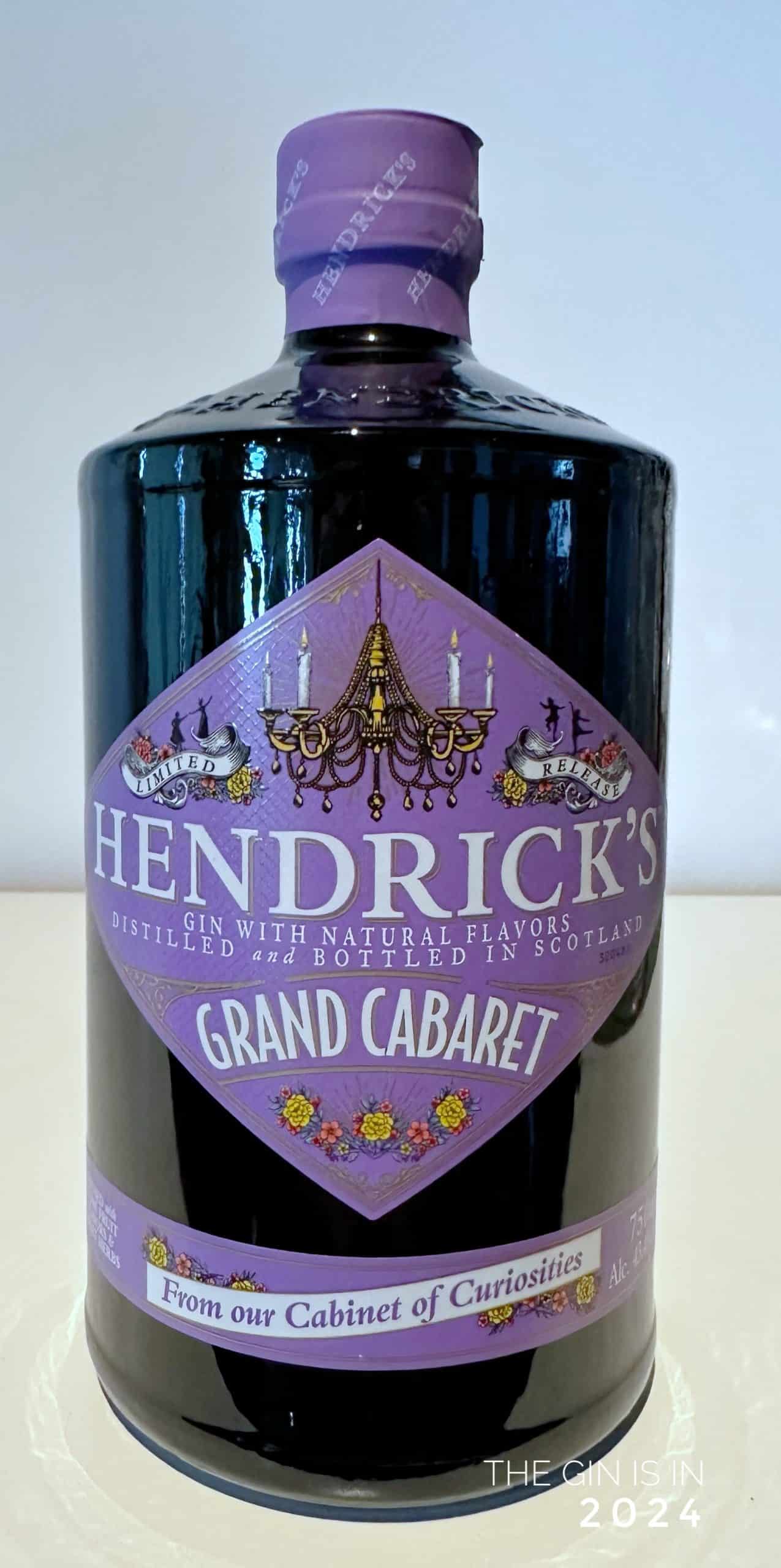
3. Hendrick’s Grand Cabaret (2024)
Inspired by a 17th-century French stone fruit distilling recipe, Grand Cabaret is a 2024 release that focuses on apricots and mirabelle plums. This expression reflects the heritage of the Alsace region, known for its fruit eaux-de-vie.
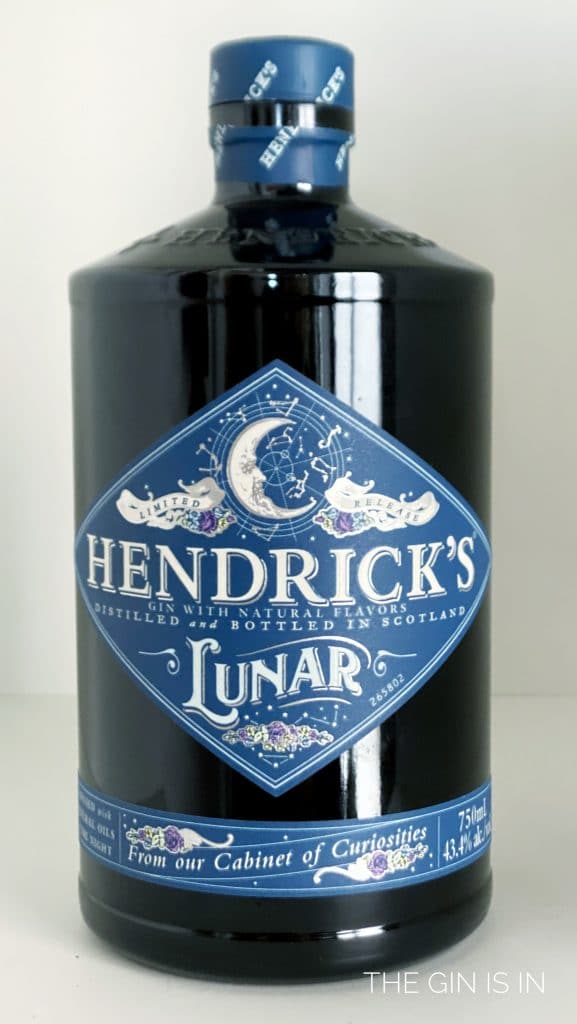
Grand Cabaret has been praised for its vivid aroma and smooth integration of honeyed fruit notes with juniper and elderflower. Unlike Amazonia, which can feel overly tropical, Grand Cabaret maintains a classic European elegance. It is particularly effective in refreshing, long drinks like a gin and lemonade or a French 75, where the stone fruit adds a luxurious sweetness without becoming cloying.
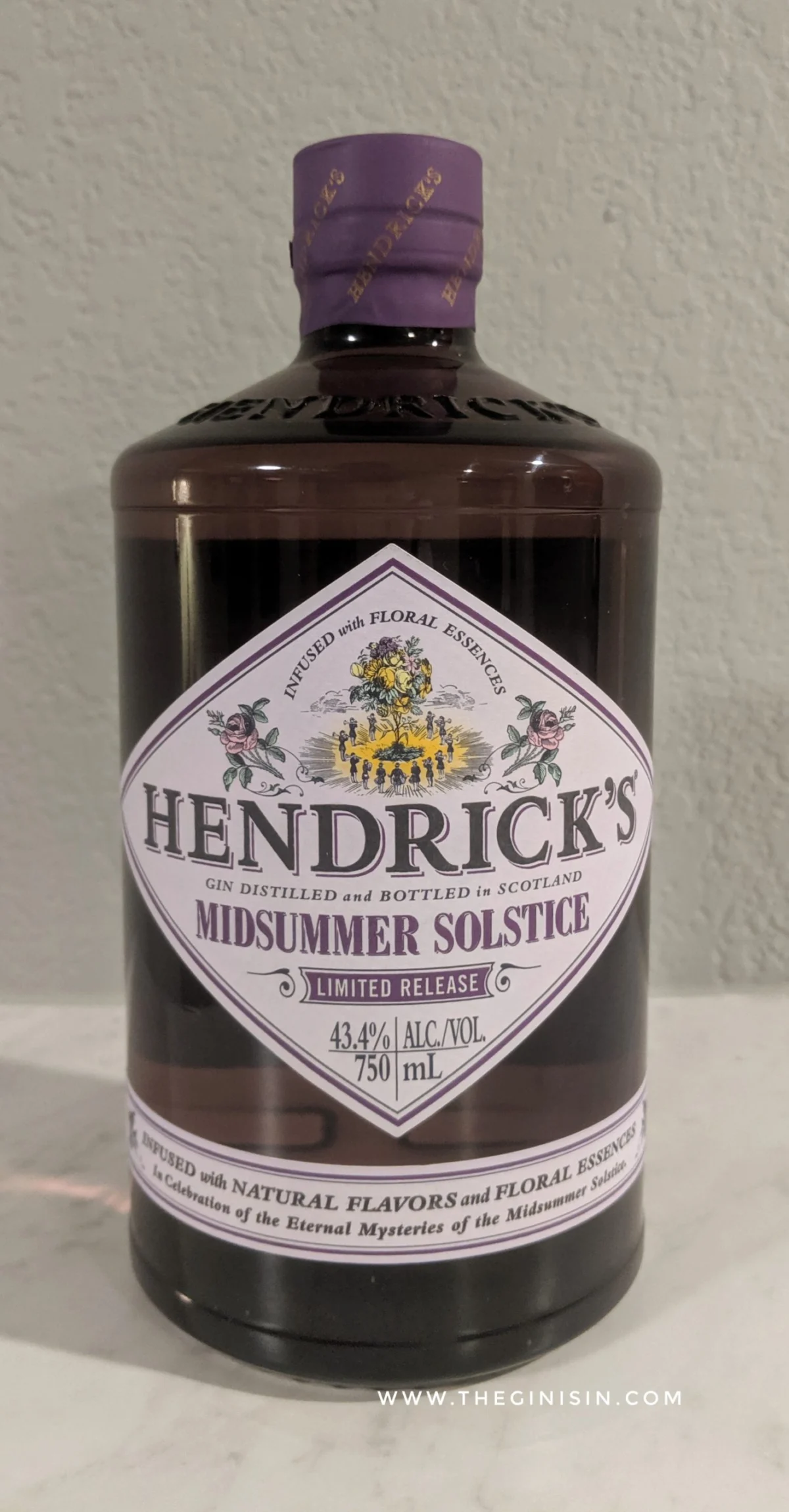
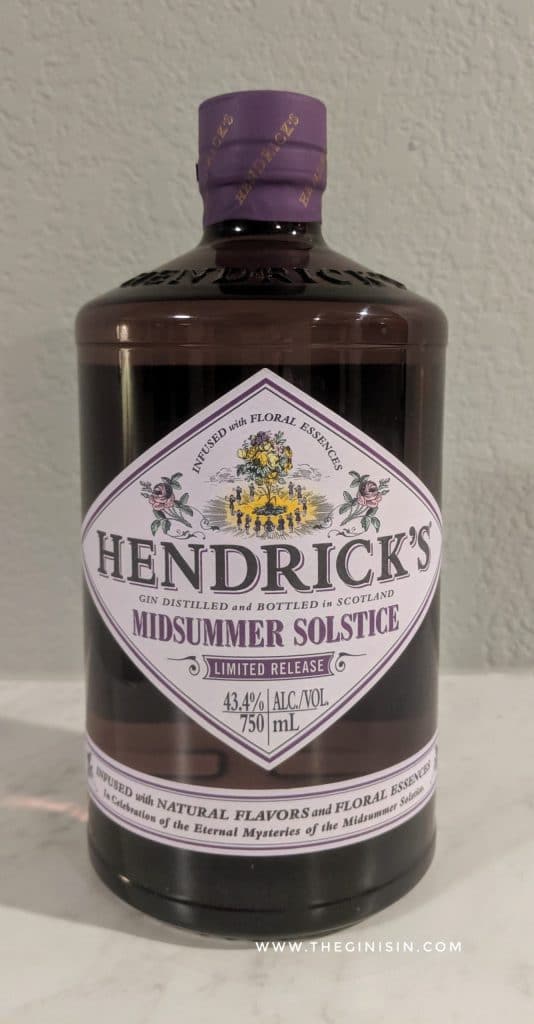
2. Hendrick’s Midsummer Solstice (2019)
Midsummer Solstice was the first release in the Cabinet of Curiosities and, for many, remains the gold standard of the limited-edition series. Designed to capture the ephemeral scents of a midsummer day, it features natural floral essences and fruit-forward notes of raspberry and strawberry.
The success of Midsummer Solstice lies in its accessibility. It served as a sophisticated alternative to the "pink gin" craze, offering a complex, floral-fruit profile that remained firmly rooted in the gin category. Its ability to work seamlessly in a Tom Collins or a Gin Bramble made it a favorite among casual consumers and professional mixologists alike, setting a high bar that many subsequent releases have struggled to reach.
1. Hendrick’s Original Flagship (1999)
Despite 25 years of innovation and numerous limited releases, the original Hendrick’s Gin remains the most accomplished expression in the portfolio. Its production involves a unique "two-still" process: a Bennett still, which produces a heavy, oily spirit through maceration, and a Carter-Head still, which produces a lighter, more delicate spirit through vapor infusion. These two distillates are blended and then infused with rose and cucumber.
The original Hendrick’s changed the trajectory of the industry by proving that gin could be floral and refreshing rather than just piney and medicinal. Its balance of juniper, citrus, and its signature "green" notes makes it one of the most versatile spirits on the market. Whether in a Dirty Martini, a classic G&T with a cucumber garnish, or a complex craft cocktail, the flagship expression continues to outperform its more experimental siblings in terms of balance, structure, and consistency.
Distillation Methodology and Technical Specifications
The technical success of the Hendrick’s line is rooted in the dual-still method. The Bennett still, dating back to 1860, provides the "bass notes" of the gin, extracting deep flavors from the botanicals. The Carter-Head still, constructed in 1948, provides the "treble notes," capturing the volatile aromatics that would be destroyed by direct boiling.
This infrastructure allows Lesley Gracie to experiment with the Cabinet of Curiosities by adjusting the botanical basket in the Carter-Head still or altering the maceration time in the Bennett still. Supporting data from the spirits industry indicates that this level of control is rare among large-scale producers, giving Hendrick’s a competitive edge in maintaining quality across varied flavor profiles.
Market Impact and Industry Implications
The ranking of these gins highlights a broader challenge in the spirits industry: the tension between innovation and core identity. While releases like Flora Adora and Neptunia showcase the brand’s willingness to take risks, they also demonstrate the difficulty of improving upon a classic formula.
From a retail perspective, the Cabinet of Curiosities has been a masterclass in brand extension. By releasing limited editions, William Grant & Sons ensures that Hendrick’s maintains premium shelf space and remains a topic of conversation in the beverage press. However, the varying reception of these gins suggests that consumers are becoming more discerning. The "floral" and "savory" trends that drove earlier releases are now being met with a demand for more balanced, "gin-forward" spirits.
Conclusion
The Hendrick’s Gin portfolio is a testament to the creativity of Lesley Gracie and the enduring appeal of the brand’s original vision. While the Cabinet of Curiosities has produced some "exceptional" expressions like Midsummer Solstice and Grand Cabaret, it has also produced "disappointing" outliers that struggle with balance. Ultimately, the 1999 flagship remains the definitive expression of the brand, serving as the benchmark against which all other "curiosities" are measured. For the consumer, the series offers a fascinating journey through the possibilities of botanical distillation, even if the destination is occasionally more "curious" than "classic."
