

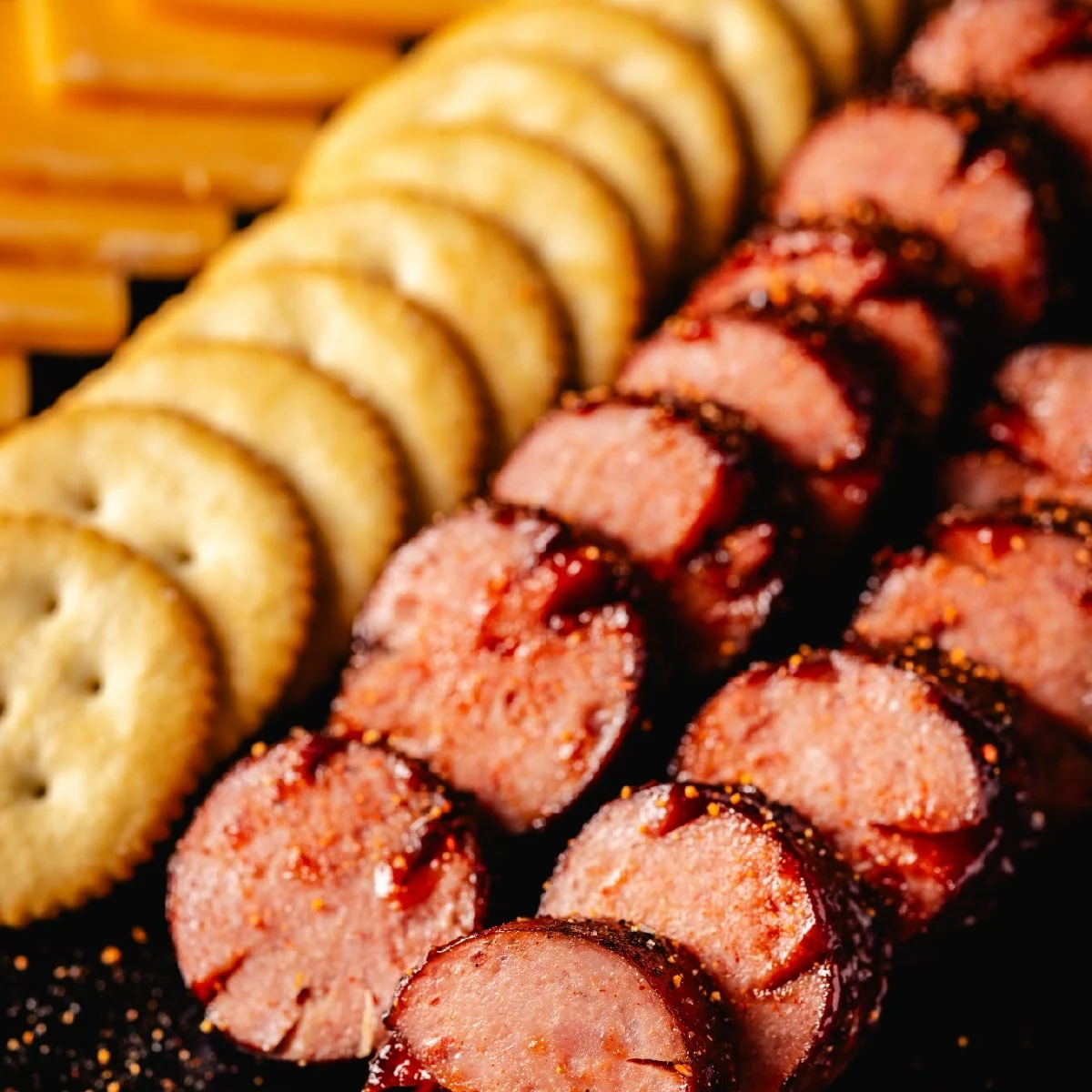
The evolution of backyard culinary techniques has increasingly shifted toward a philosophy of high-efficiency preparation, where minimal ingredient lists are leveraged to produce complex flavor profiles. A primary example of this trend is the emergence of the four-ingredient smoked kielbasa with a hot honey glaze, a recipe that prioritizes the "low-and-slow" smoking method to transform a pre-cooked staple into a gourmet appetizer. This approach reflects a broader movement in the outdoor cooking industry—often referred to as the "BBQ charcuterie" movement—which seeks to integrate traditional smoked meats into the sophisticated presentation of grazing boards and communal dining.
The Rise of Modern Backyard Barbecue Techniques
In the last decade, the landscape of home smoking has been revolutionized by the accessibility of pellet grills and digital smokers. According to market research, the global outdoor cooking market has seen a steady annual growth rate, driven by a consumer desire for authentic, wood-fired flavors without the intensive labor traditionally associated with offset smokers. The smoked kielbasa with hot honey glaze represents the pinnacle of this convenience-oriented culinary shift. By utilizing a 90-minute window, home cooks are able to achieve professional-grade results that previously required hours of meticulous fire management.

Susie Bulloch, the founder of the digital platform Hey Grill Hey and a recognized authority in the BBQ sector, has championed these accessible techniques. Her approach focuses on the strategic use of binders and glazes to enhance the inherent qualities of cured meats. This specific preparation method addresses a common challenge in sausage smoking: the preservation of the casing’s structural integrity while ensuring maximum smoke absorption.
Technical Analysis of the Preparation Process
The methodology for preparing smoked kielbasa involves a three-stage process: structural preparation, flavor binding, and thermal glazing. Each step is grounded in culinary science designed to optimize the Maillard reaction—the chemical reaction between amino acids and reducing sugars that gives browned food its distinctive flavor.
1. Structural Scoring and Smoke Penetration
The initial step in the process involves "scoring" the kielbasa. By making shallow, uniform cuts across the surface of the sausage, the cook increases the surface area exposed to the smoke. This serves two purposes. First, it prevents the casing from bursting as the internal juices expand under heat. Second, it creates "pockets" where smoke particles can settle, ensuring that the hickory, apple, or cherry wood notes permeate the dense meat rather than simply coating the exterior.

2. The Role of the Binder and Seasoning
In professional BBQ, a binder is a liquid or semi-liquid substance used to help dry rubs adhere to the meat. For this kielbasa preparation, a mustard-based "Zesty Gold BBQ Sauce" is employed. Mustard-based binders are preferred by many pitmasters because the vinegar content helps tenderize the surface while the mustard seeds provide a savory counterpoint to the rich fats of the sausage. This is followed by a "Sweet Rub," which introduces granulated sugars and spices. When these sugars meet the heat of the smoker, they begin to liquefy, creating a tacky surface that further captures smoke.
3. Thermal Processing and the 225-Degree Standard
The smoking process occurs at a consistent temperature of 225 degrees Fahrenheit. In the context of meat science, this temperature is considered the "sweet spot" for smoking pre-cooked meats. It is high enough to render some of the internal fats—adding to the succulence of the bite—but low enough to prevent the meat from becoming rubbery or dry. Because most commercial kielbasa is sold pre-smoked and fully cooked, the 90-minute duration at 225 degrees is less about food safety and more about flavor development and texture refinement.
The Flavor Profile: Analyzing the "Hot Honey" Trend
The final stage of the cooking process involves the application of a hot honey BBQ glaze. The "swicy" (sweet and spicy) flavor profile has dominated the food industry over the last five years, appearing in everything from fast-food offerings to high-end artisanal products. Hot honey, specifically, provides a viscous, sugary base infused with chili heat.

When applied during the final 10 to 15 minutes of smoking, the honey undergoes caramelization. This creates a glossy, mahogany-colored finish that is aesthetically essential for charcuterie presentation. From a sensory perspective, the heat of the honey cuts through the saltiness of the cured pork and beef in the kielbasa, while the sweetness balances the acidity of the mustard binder used earlier in the process.
Market Context and Industry Growth
The popularity of such recipes is not merely a culinary fluke but a reflection of significant shifts in the spice and sauce industry. Data from the Specialty Food Association suggests that the "condiments and enhancers" category is one of the fastest-growing segments in the grocery sector. Consumers are increasingly willing to invest in premium, brand-specific sauces—such as the "Zesty Gold" and "Hot Honey" variations mentioned in the Hey Grill Hey catalog—to replicate restaurant-quality results at home.
Furthermore, the rise of the "Charcuterie Board" as a social media phenomenon has changed how meat is consumed. Once relegated to a main course served with sauerkraut or potatoes, kielbasa is now being repositioned as a "sharable snack." This transition has increased the demand for sausages that can hold their texture and flavor when served at room temperature on a communal platter.

Chronology of Culinary Execution
For those seeking to replicate the results documented by culinary experts, the following timeline is generally observed:
- 0:00 – 0:10: Preheating the smoker to a stabilized 225°F. Selection of wood is critical; fruitwoods (apple/cherry) are recommended for their ability to complement the sweetness of the glaze.
- 0:10 – 0:20: Mechanical preparation of the meat. This includes scoring and the application of the binder and dry rub.
- 0:20 – 1:20: The primary smoking phase. The meat is placed directly on the grates to allow for 360-degree smoke circulation.
- 1:20 – 1:35: The glazing phase. The hot honey sauce is applied. The smoker’s lid is closed to "set" the glaze, ensuring it becomes tacky rather than runny.
- 1:35 – 1:45: The resting phase. Allowing the meat to rest for ten minutes before slicing prevents the loss of internal moisture.
Food Safety and Preservation Standards
A critical distinction in this recipe is the use of pre-smoked versus raw sausage. As noted by food safety experts, pre-smoked kielbasa is a "heat-and-eat" product. The secondary smoking process described here is technically a flavor-enhancement step. However, once the vacuum seal of the original packaging is broken and the meat is handled, the shelf life changes.
While a vacuum-sealed kielbasa can remain shelf-stable in a refrigerator for several weeks, the post-smoked product should be consumed within three to four days. Industry standards recommend storing leftovers in airtight containers at temperatures below 40 degrees Fahrenheit. For re-heating, experts suggest using an air fryer or oven to maintain the "bite" of the glazed casing, as microwave heating often results in a loss of the desired texture.

Broader Implications for the BBQ Community
The success of Susie Bulloch’s Smoked Kielbasa with Hot Honey Glaze highlights a significant democratization of barbecue. By lowering the barrier to entry—reducing the ingredient count to four and the time commitment to under two hours—the recipe encourages novice grillers to engage with their equipment.
This has a secondary effect on the "Backyard BBQ Hero" culture. As social media platforms like Instagram and Facebook become the primary galleries for home cooks, the visual appeal of a "perfectly scored and glazed" sausage link becomes as important as the taste. The ability to produce a "picture-perfect" board provides a sense of accomplishment that fuels further investment in the hobby.
Conclusion
The Smoked Kielbasa with Hot Honey Glaze is more than a simple recipe; it is a case study in modern culinary trends. It combines the efficiency of contemporary outdoor cooking technology with the sophisticated flavor profiles demanded by today’s consumers. By balancing the salt of the cured meat with the "swicy" notes of hot honey and the savory depth of a mustard-based binder, it provides a versatile solution for the modern entertainer. As the trend toward communal, snack-based dining continues to grow, such high-reward, low-effort techniques are likely to remain a staple of the American backyard repertoire.
