

The Finnish Long Drink, known colloquially in its home country as "lonkero," has transitioned from a temporary solution for Olympic hospitality into a cornerstone of Finland’s beverage industry and a burgeoning export in the global ready-to-drink (RTD) market. Originally conceived to streamline alcohol service during the 1952 Summer Olympics in Helsinki, the combination of gin and grapefruit soda has maintained a near-ubiquitous presence in Finnish culture for over seven decades. Today, as international consumer preferences shift toward convenient, refreshing, and lower-alcohol alternatives to traditional spirits, the Finnish Long Drink is experiencing a significant period of international expansion across Europe, Asia, and North America.
The Historical Genesis: The 1952 Helsinki Summer Olympics
The origins of the Finnish Long Drink are inextricably linked to a pivotal moment in Finland’s post-war history. As the host of the 1952 Summer Olympics, Helsinki faced the daunting task of welcoming an unprecedented influx of international visitors. At the time, Finland was still navigating the complexities of its state-controlled alcohol monopoly, and the hospitality sector was concerned about its ability to serve large crowds efficiently.
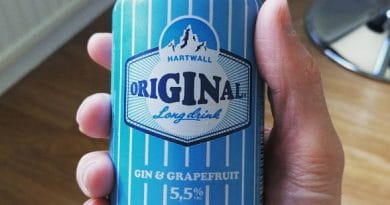
To address these logistical challenges, the Finnish government commissioned the beverage company Hartwall to create a pre-mixed, bottled cocktail that could be served quickly without the need for manual mixing at bars and restaurants. The result was the "Original Long Drink," a blend of Finnish gin and grapefruit soda. While initially intended as a temporary product to be discontinued after the closing ceremonies, the drink’s popularity among both locals and tourists ensured its permanent place in the Finnish market.
The 1952 Olympics were also notable for being the first Summer Games since 1912 to exclude art competitions from the official medal tallies. Previously, medals were awarded for literature, music, painting, and architecture. This shift marked a transition toward a more purely athletic focus for the Olympic movement. While Finnish creatives like Aale Tynni—who won gold in literature in 1948—were unable to defend their titles in 1952, the commercial success of the Long Drink provided a different kind of lasting legacy for the host nation.
Product Composition and Market Dynamics
The traditional Finnish Long Drink typically features an alcohol by volume (ABV) ranging between 5% and 8%. While various iterations have emerged over the decades, the "Original" profile remains characterized by a crisp, citrus-forward palate. Unlike many modern hard seltzers which rely on malt-based fermentation or neutral grain spirits, the authentic Finnish version is historically rooted in the use of London Dry-style gin.
Following a period of market fluctuation in the 1970s during which the product was briefly discontinued, Hartwall reintroduced the original recipe due to overwhelming consumer demand and a burgeoning sense of national nostalgia. Since then, the "lonkero" category has diversified significantly. Today, Finnish liquor stores (Alko) and supermarkets stock a variety of flavors, including cranberry, lime, and orange, though grapefruit remains the industry standard.
The market is currently divided into two primary production methods:
- Gin-Based: The traditional method involving the blending of distilled gin with soda. These are typically sold in state-regulated Alko stores if they exceed certain ABV thresholds.
- Fermented: A variation where the alcohol is produced through fermentation, often used to bypass specific tax or distribution regulations in grocery stores. Industry purists often distinguish between these "fermented long drinks" and the "original gin-based" versions.
Chronology of International Expansion
For decades, the Finnish Long Drink remained a localized secret, rarely found outside the Nordic region. However, the last decade has seen a strategic push by Finnish producers to capitalize on the global rise of the RTD sector.
- 2015: European Market Entry: Hartwall signed landmark distribution agreements to introduce the Original Long Drink to the Netherlands, Belgium, and Sweden. This move targeted the European "terrace culture," where refreshing, low-ABV beverages are in high demand.
- 2016: Asian Expansion: Recognizing the growing appetite for premium European spirits in Asia, Hartwall expanded its export footprint to include Japan, Hong Kong, and Taiwan.
- 2018–Present: North American Growth: The arrival of the Long Drink in the United States was facilitated not only by Hartwall but also by independent ventures such as "The Long Drink Company." Backed by high-profile investors and celebrities, these entities have successfully introduced the concept to American consumers, positioning it as an alternative to both beer and hard seltzers.
Market data suggests that the "cult following" of the drink has been bolstered by social media and travel. Establishments as far-flung as Brighton, UK, have gained notoriety among expatriates and enthusiasts specifically for stocking Finnish lonkero, signaling a demand that transcends national borders.
Comparative Analysis of Leading Brands
As the category matures, professional tasters and industry analysts have begun to categorize the flavor profiles of the major players.
Hartwall Original Long Drink
The industry benchmark is widely considered to be Hartwall’s offering. Technical reviews highlight a sophisticated balance where the acidity of the white grapefruit flesh is prominent on the nose, followed by a palate that is less saccharine than typical fruit-flavored sodas. The mid-palate is characterized by the botanical depth of juniper, leading to a dry, crisp finish. This profile mimics the refreshing qualities of a Gin and Tonic but with a more integrated citrus profile.
Laitilan Gini Long Drink
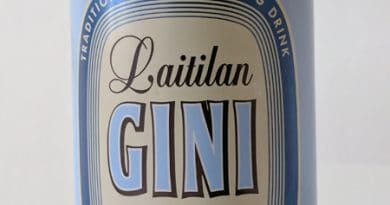
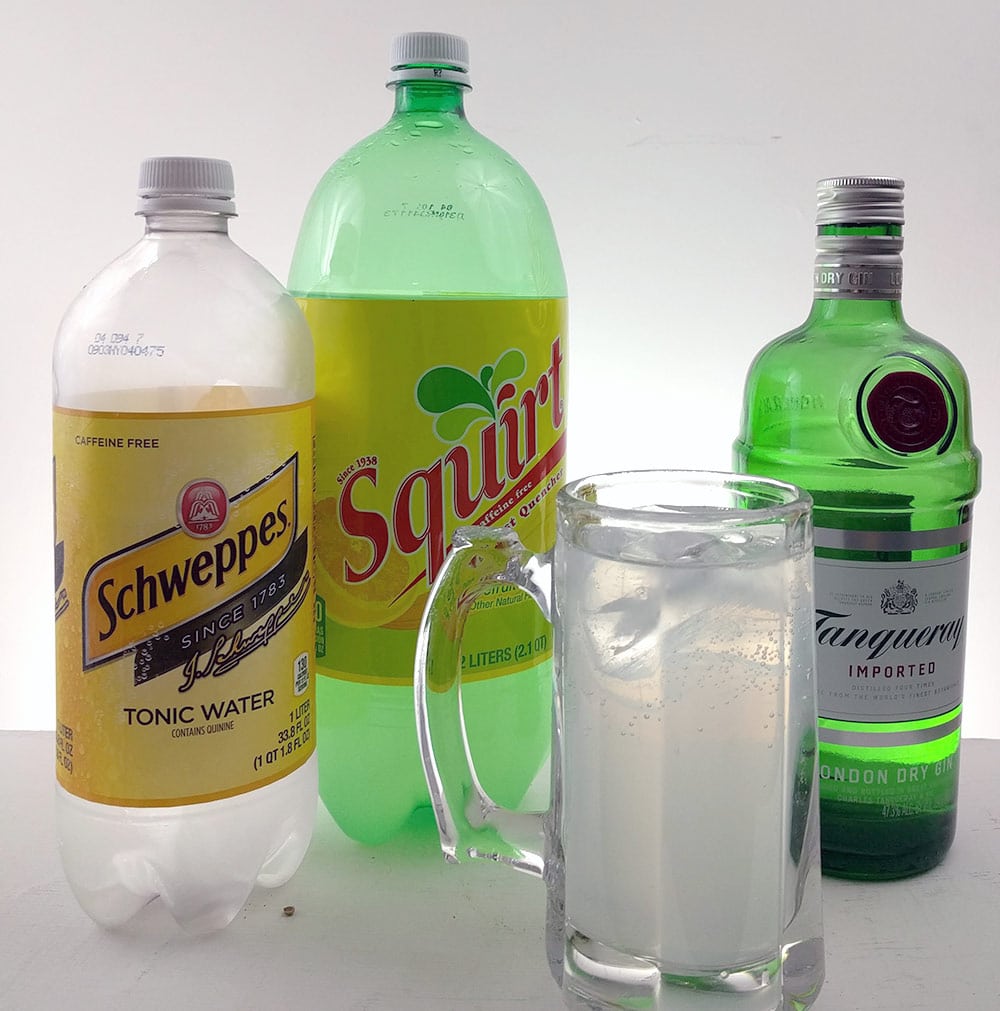
Laitilan, another prominent Finnish producer, offers a variation that leans more heavily into the fruit components. Market analysis indicates that Laitilan’s version often presents notes of ruby red grapefruit and a sweeter aroma reminiscent of American grapefruit sodas like Squirt. While popular, some critics note that the juniper and botanical gin notes can be overshadowed by the intense citrus sweetness, making it a preferred choice for consumers who favor fruit-forward beverages over spirit-forward cocktails.
The Consumer Response and the DIY Movement
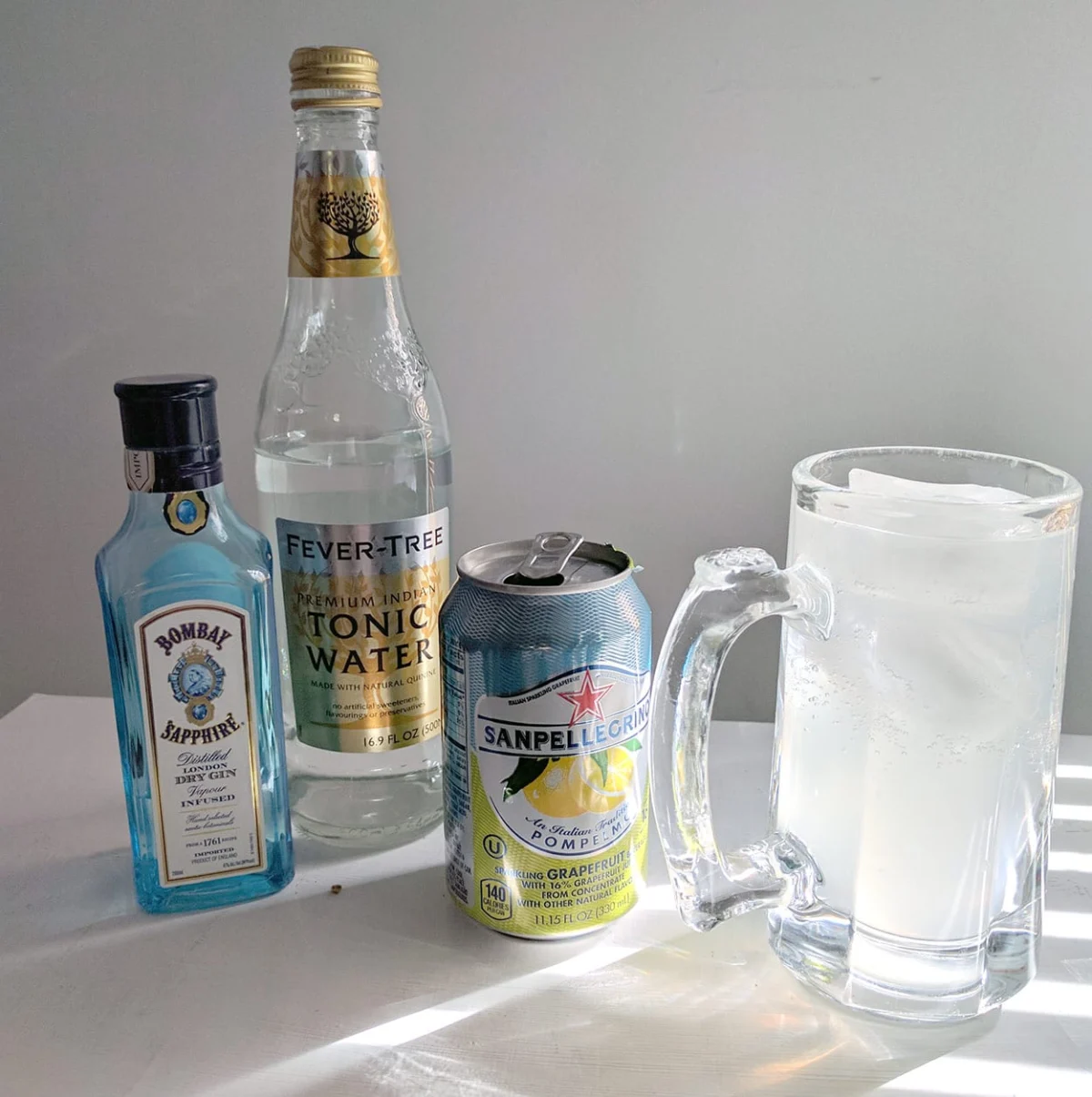
In regions where official Finnish exports have not yet secured wide distribution, a "Do-It-Yourself" (DIY) culture has emerged among enthusiasts. This phenomenon highlights the unique flavor profile of the drink, which many consumers find difficult to replicate using standard bar ingredients.
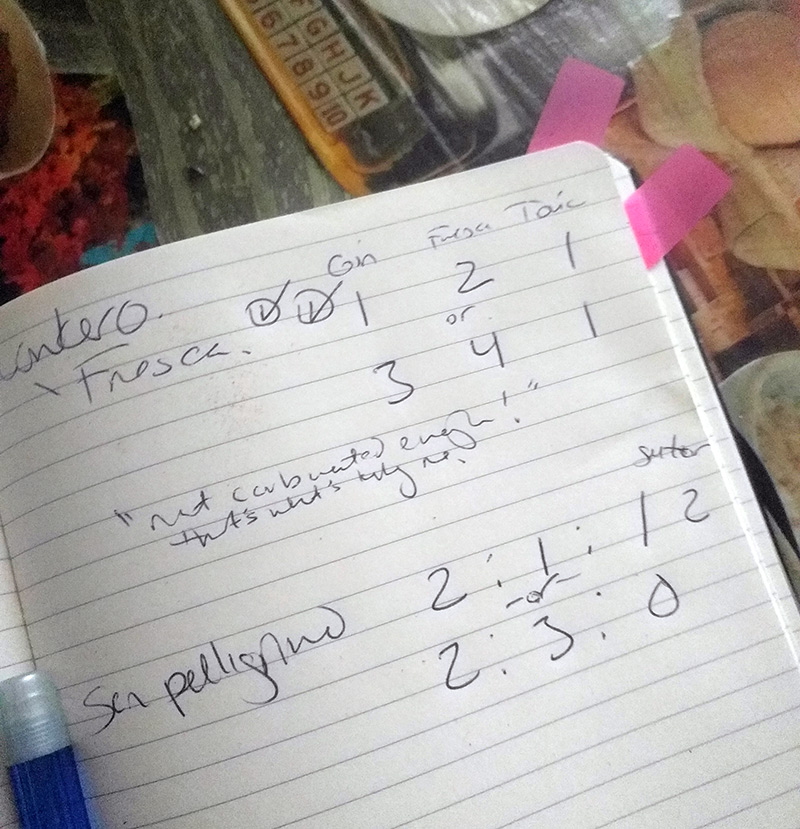
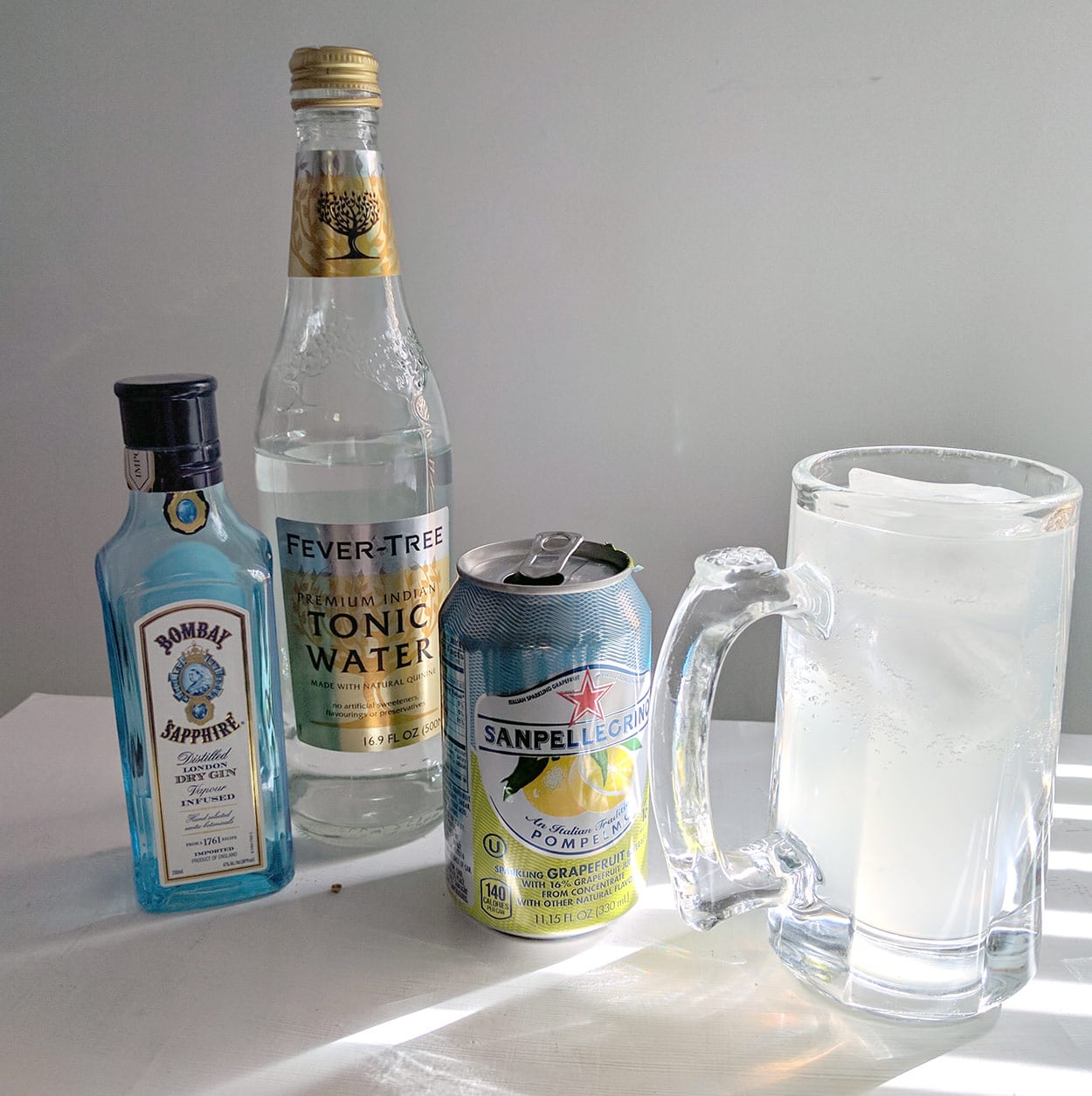
Experimental data from consumer testing suggests that replicating the "lonkero" experience at home requires a specific balance of carbonation, acidity, and botanical infusion. Common attempts involve mixing London Dry gin with commercially available grapefruit sodas such as Fresca or Squirt.
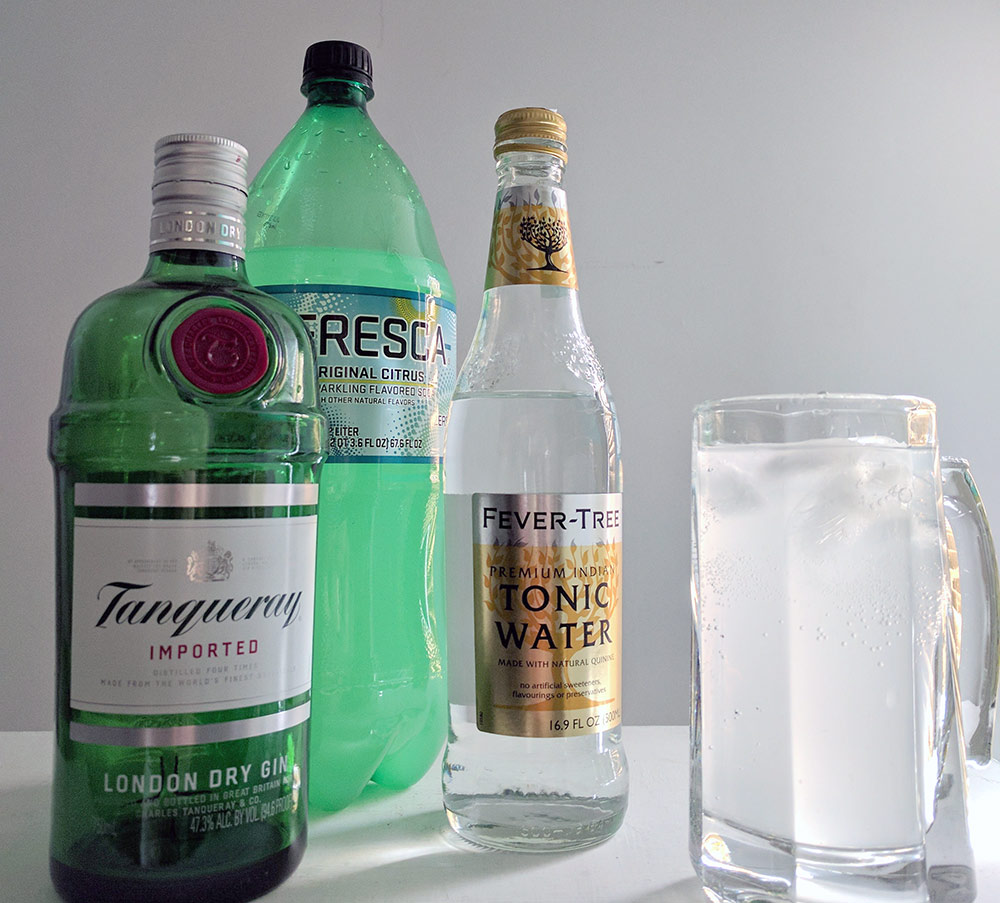
- The Fresca Method: Testers have noted that Coca-Cola’s Fresca, which is sugar-free and highly carbonated, provides a flavor profile that most closely approximates the dry, crisp nature of the Finnish original.
- The Squirt Method: Using PepsiCo’s Squirt often results in a beverage that is perceived as too sweet, requiring the addition of tonic water to introduce a necessary bitterness and "bite."
- Fresh Ingredient Challenges: Interestingly, professional mixologists have found that using fresh-squeezed grapefruit juice often fails to replicate the specific "nostalgic" note of the Finnish Long Drink. The original beverage relies on a specific type of grapefruit soda formulation that includes both citric acid and specific sweeteners, which fresh juice alone cannot mimic.
Broader Impact and Industry Implications
The global ascent of the Finnish Long Drink is indicative of a broader shift in the beverage industry. According to market research reports, the RTD cocktail segment is one of the fastest-growing categories in the alcohol industry, projected to see continued compound annual growth through the 2030s.
The success of the Long Drink provides a blueprint for how traditional, culturally specific beverages can be modernized for a global audience. By emphasizing the drink’s history—specifically its Olympic heritage—producers have been able to market the product not just as a beverage, but as a piece of Finnish "functional design."
Furthermore, the expansion of lonkero has implications for the gin industry. As gin producers look for new ways to reach younger demographics who may find traditional gin-and-tonics too bitter or spirit-heavy, the Long Drink offers a more accessible entry point. The "grapefruit-and-gin" combination is increasingly being recognized by international bartenders as a classic pairing, alongside the Negroni or the Tom Collins.
Conclusion
The Finnish Long Drink has evolved from a 1952 hospitality contingency plan into a significant cultural export. Its journey from the saunas and restaurants of Helsinki to the shelves of retailers in Tokyo and New York reflects a changing global palate that values convenience, heritage, and refreshing flavor profiles. As production increases and distribution networks expand, the "Long Drink" is poised to move from a "quirky" international find to a staple of the global RTD market. For the Finnish beverage industry, the success of lonkero represents a gold-medal performance in brand longevity and international commercial strategy.
