

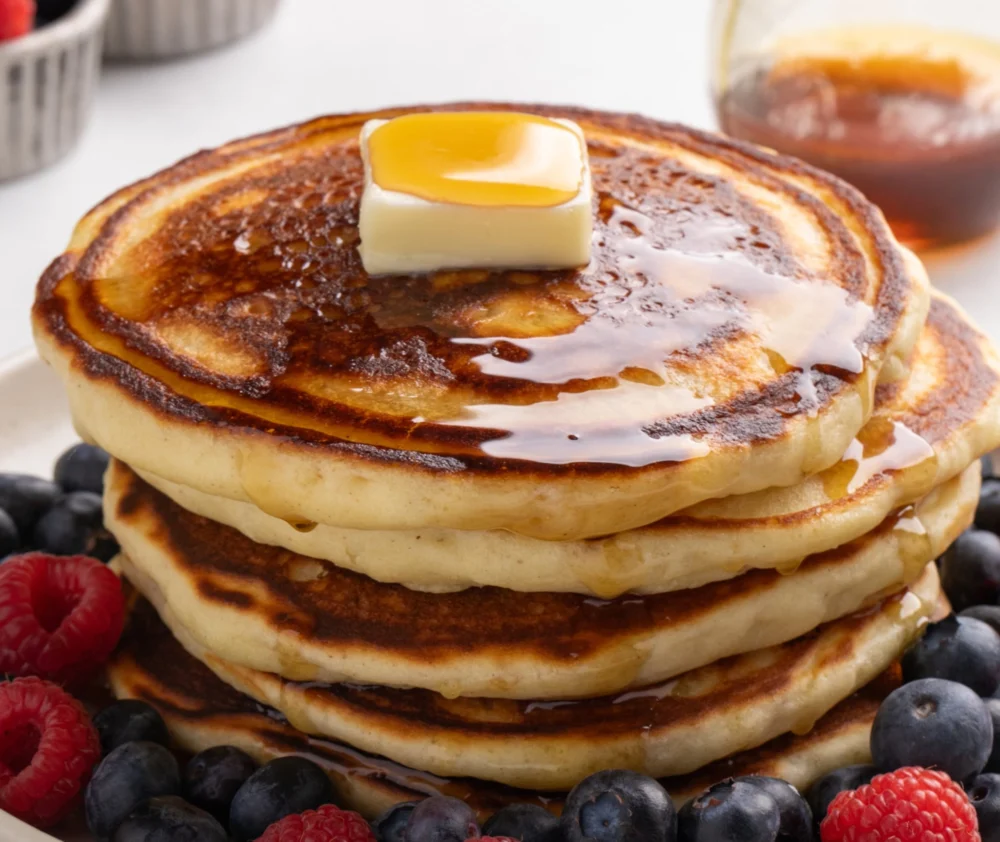
A culinary innovation is elevating the humble pancake, offering gluten-free enthusiasts a taste of classic diner breakfasts with an added dimension of height and robust flavor. This new recipe for Gluten-Free Buttermilk Pancakes represents a significant departure from traditional gluten-free pancake formulations, focusing on key ingredient adjustments to achieve a desirable texture and taste profile that rivals their gluten-containing counterparts.
The development of this recipe is rooted in the desire to replicate the iconic diner-style pancake experience, known for its fluffy interior, slightly crisp exterior, and satisfyingly tall stackability. While many gluten-free pancake mixes offer a passable substitute, they often fall short in achieving the desired texture and richness. This particular recipe aims to bridge that gap by employing specific techniques and ingredients that are crucial for unlocking superior pancake performance.
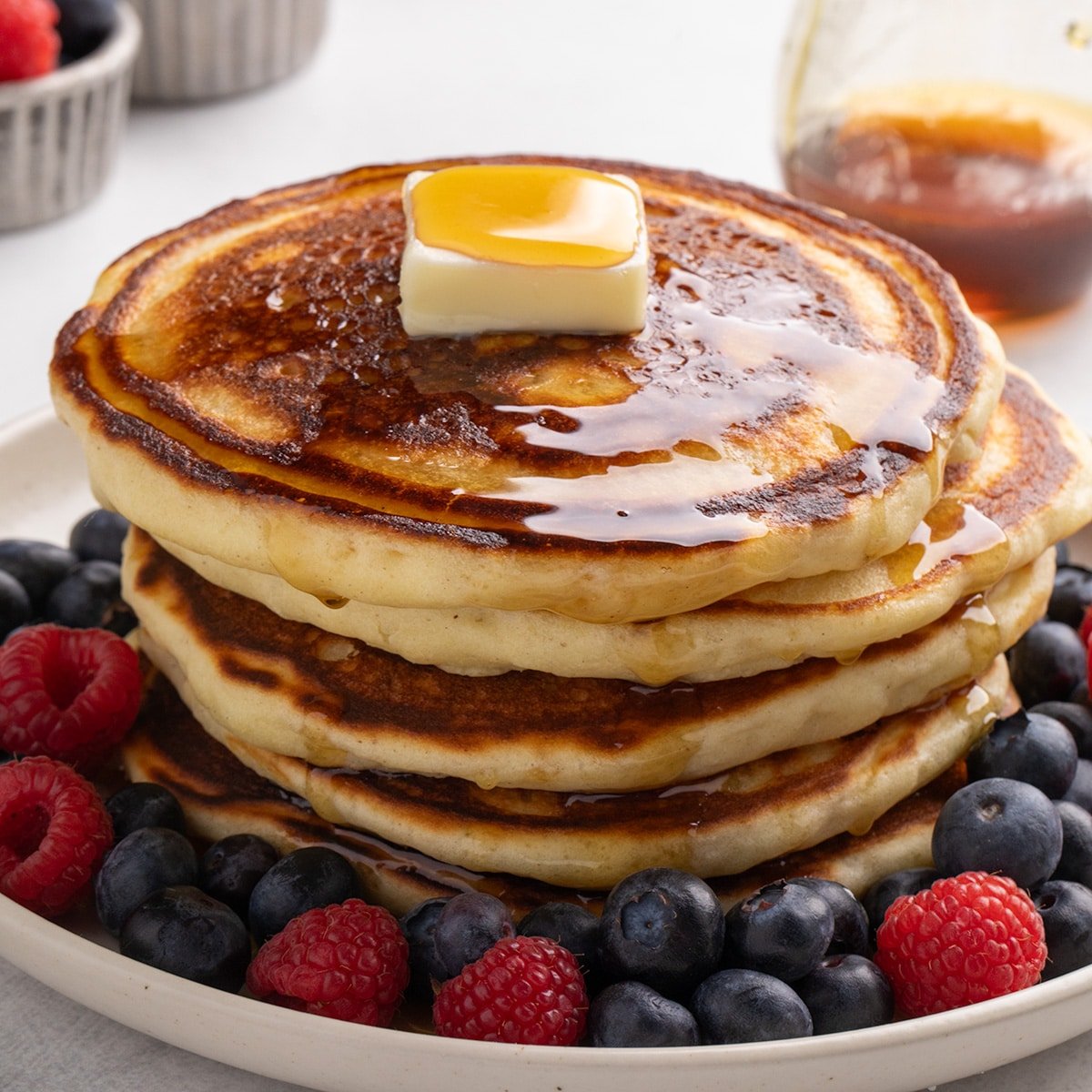
The Science Behind the Stack: Why This Recipe Works
At the core of this recipe’s success lies a thoughtful modification of a well-established gluten-free pancake base. The primary distinction of these buttermilk pancakes lies in a few strategic ingredient swaps and additions that contribute to their enhanced structure and flavor.
Instead of relying solely on milk, the recipe incorporates a full cup of real buttermilk. Buttermilk, with its inherent tang and lower water content compared to regular milk, plays a dual role. Its acidity reacts with baking soda, a leavening agent, to create a more pronounced lift, contributing to the pancakes’ impressive height. Furthermore, the slight tang of buttermilk adds a complex flavor note that is a hallmark of traditional buttermilk pancakes, providing a depth that is often missing in simpler gluten-free versions.
Another critical element is the inclusion of melted butter. While many pancake recipes call for oil or no added fat in the wet ingredients, the addition of melted butter not only enriches the flavor profile but also contributes to a tender crumb and a subtle crispness on the exterior. This adds a luxurious mouthfeel that enhances the overall dining experience.

Perhaps the most impactful change is the doubling of the egg content. Eggs are fundamental to the structure of baked goods, and in pancakes, they act as a binder and contribute to the leavening process. By using twice the usual number of eggs, this recipe creates a more robust batter that can support the significant rise achieved through the buttermilk and leavening agents. This structural integrity ensures that the pancakes not only rise tall during cooking but also maintain their height when stacked, preventing them from collapsing into a dense disc.
Key Ingredients for Elevated Gluten-Free Pancakes
The foundation of this recipe begins with a familiar gluten-free dry mix, with one optional enhancement. However, the magic truly happens in the careful selection and combination of the wet ingredients, which are crucial for achieving the desired buttermilk pancake characteristics.
Dry Ingredients:

- Gluten-Free Flour Blend: The recipe emphasizes the use of a specific type of gluten-free flour blend. For optimal results, a gum-free blend such as Nicole’s Best or a homemade 3-ingredient gum-free blend is recommended. Alternatively, blends with low xanthan gum content, like Bob’s Red Mill 1-to-1, are suitable. Blends with a standard amount of xanthan gum should be avoided, as they can lead to a batter that is too thick and results in chewy, gummy pancakes. The absence or minimal presence of gums is vital for achieving a light and tender crumb.
- Xanthan Gum (Optional): While optional, xanthan gum can further assist in the rise and structure of the pancakes, helping them achieve even greater height. If omitted, a slight adjustment to the liquid content is advised.
- Baking Soda and Baking Powder: These twin leavening agents work in synergy with the buttermilk’s acidity to provide a powerful lift. Baking soda reacts quickly to create initial bubbles, while baking powder provides a sustained release of gas, ensuring a fluffy texture throughout the cooking process.
- Sugar: A touch of sugar not only adds a subtle sweetness but also aids in browning and contributes to a tender texture.
- Salt: Essential for balancing flavors and enhancing the overall taste of the pancakes.
- Vanilla Powder (Optional): For an extra layer of aromatic depth, vanilla powder can be incorporated into the dry ingredients.
Wet Ingredients:
- Real Buttermilk: As mentioned, this is the star ingredient, providing tang, moisture, and aiding in leavening.
- Eggs: Two large eggs are used to provide structure, binding, and contribute to the pancakes’ impressive rise.
- Melted Butter: Adds richness, flavor, and contributes to a tender crumb and slightly crisp edges.
- Vanilla Extract (if not using vanilla powder): Complements the other flavors and adds a classic aromatic note.
Step-by-Step Guide to Crafting Perfect Gluten-Free Buttermilk Pancakes
The process of creating these elevated gluten-free buttermilk pancakes is straightforward, involving careful preparation of dry and wet components before bringing them together for cooking.
Step 1: Prepare the Dry Ingredients
Begin by thoroughly whisking together all the dry ingredients in a large mixing bowl. This includes the chosen gluten-free flour blend, xanthan gum (if using), baking soda, baking powder, sugar, salt, and vanilla powder (if using). The goal is to ensure that all ingredients are evenly distributed and free of any clumps. This step is crucial for achieving consistent leavening and preventing pockets of unincorporated ingredients, which can lead to unevenly risen pancakes.

Step 2: Prepare the Wet Ingredients
In a separate bowl or a large measuring cup, whisk together the buttermilk, melted butter, and eggs vigorously until the mixture is very smooth. It is important that the buttermilk and eggs are at room temperature. This allows them to emulsify more effectively, resulting in a homogenous and smooth wet ingredient mixture. Using butter that is only partially melted or too soft can lead to a thicker batter that is difficult to pour evenly.
Step 3: Heat the Cooking Surface
While the wet ingredients are being prepared, preheat your cooking surface. An electric skillet set to 350°F (175°C) is ideal for consistent heat distribution. Alternatively, a nonstick skillet or griddle over medium heat can be used. Once the surface is warm, lightly grease it with butter or cooking spray to prevent sticking and promote even browning.
Step 4: Combine Wet and Dry Ingredients
Pour the prepared wet ingredients into the bowl containing the dry ingredients. Whisk gently until just combined and the batter is smooth. Overmixing can develop toughness, even in gluten-free batters. The resulting batter should be a pale yellow and should be thicker than that of traditional gluten-free pancakes, but still pourable. A whisk should leave a visible trail in the batter, indicating a desirable consistency.

Step 5: Portion the Batter
Using a ladle or a 1/4 cup measuring cup, pour the batter onto the preheated and greased griddle. For standard-sized pancakes, spread the batter into a roughly 4-inch round using the bottom of the ladle or cup. For exceptionally tall pancakes, the batter can be poured directly onto the griddle without spreading, which will increase cooking time but result in thicker pancakes.
Step 6: Cook the First Side
Allow the pancakes to cook undisturbed for approximately 3 minutes. They are ready to be flipped when the edges appear set and no longer wet, with bubbles visibly breaking through the surface across the pancake. This visual cue indicates that the pancake is cooking through and developing its characteristic fluffiness.
Step 7: Flip and Finish Cooking
Using a wide, flat spatula, carefully flip the pancakes. Continue to cook until the second side is also lightly golden brown. Gently press down on each pancake with the spatula after flipping to ensure full contact with the hot griddle, which promotes even browning on the second side.

Step 8: Serve and Enjoy
Once cooked, transfer the pancakes to a plate. They are best served immediately, but can be kept warm in a low oven (200°F/95°C) on a parchment-lined baking sheet while you finish cooking the remaining batch.
Adapting the Recipe: Dairy-Free and Egg-Free Options
Recognizing the diverse dietary needs of gluten-free consumers, this recipe also offers guidance for dairy-free and egg-free adaptations.
Dairy-Free Modifications
For a dairy-free version, the butter can be substituted with a good quality block-style vegan butter, such as Melt or Miyoko’s brand. While some vegan butters have higher moisture content, which can be problematic in baking, it is less of a concern here. Omit the salt from the recipe if using vegan butter sticks, as they typically contain significant amounts of sodium.

To replace buttermilk, a combination of unsweetened non-dairy milk (like carton coconut milk) and dairy-free sour cream or plain Greek-style yogurt can be used in equal volumes.
Egg-Free Adaptations
The eggs play a significant role in the structure and height of these pancakes, so egg-free results may vary. Recommended egg replacements include two "chia eggs" (1 tablespoon chia seeds mixed with 3 tablespoons water and allowed to sit for 5-10 minutes), Just Egg liquid egg replacement, or Bob’s Red Mill egg replacer.
Storage and Reheating
While freshly cooked pancakes are undeniably superior, this recipe allows for convenient storage and reheating.

Storage: Completely cooled leftover pancakes can be stored tightly wrapped in an airtight container or plastic wrap. Stacking them in groups of two or three is recommended. They will keep in the refrigerator for up to two days or in the freezer for up to three months.
Reheating: To reheat frozen pancakes, microwave them for approximately 15 seconds. For a crisper texture, lightly sprinkle them with lukewarm water and refresh them in a toaster or a warm oven until heated through.
Nutritional Considerations
A single pancake (approximately 1/8th of the recipe) is estimated to contain around 152 calories, 23g of carbohydrates, 5g of protein, and 6g of fat. These figures are approximations and can vary based on specific ingredient choices and portion sizes. The recipe also provides approximate values for saturated fat, trans fat, cholesterol, sodium, potassium, fiber, sugar, Vitamin A, calcium, and iron. It’s important to note that these nutritional values are automatically calculated and should be considered estimates.

Broader Implications and the Evolution of Gluten-Free Baking
The development of recipes like these Gluten-Free Buttermilk Pancakes signifies a maturing landscape for gluten-free baking. As more research and experimentation occur, the gap between gluten-free and traditional baked goods continues to narrow. This recipe, by focusing on specific ingredient functionalities and their interactions, offers a tangible example of how precise culinary science can overcome perceived limitations of alternative flours. The emphasis on buttermilk, increased egg content, and careful flour blend selection demonstrates a sophisticated approach to achieving desirable textures and flavors without gluten.
The availability of detailed ingredient substitution options also highlights a growing awareness of the varied needs within the gluten-free community, making these recipes more accessible and inclusive. As consumers continue to seek out high-quality, delicious gluten-free alternatives, recipes that prioritize both taste and texture are likely to gain significant traction, further pushing the boundaries of what is possible in gluten-free cooking and baking. The success of such recipes not only benefits individuals with celiac disease or gluten sensitivities but also appeals to a broader audience looking for lighter, more wholesome breakfast options.
