

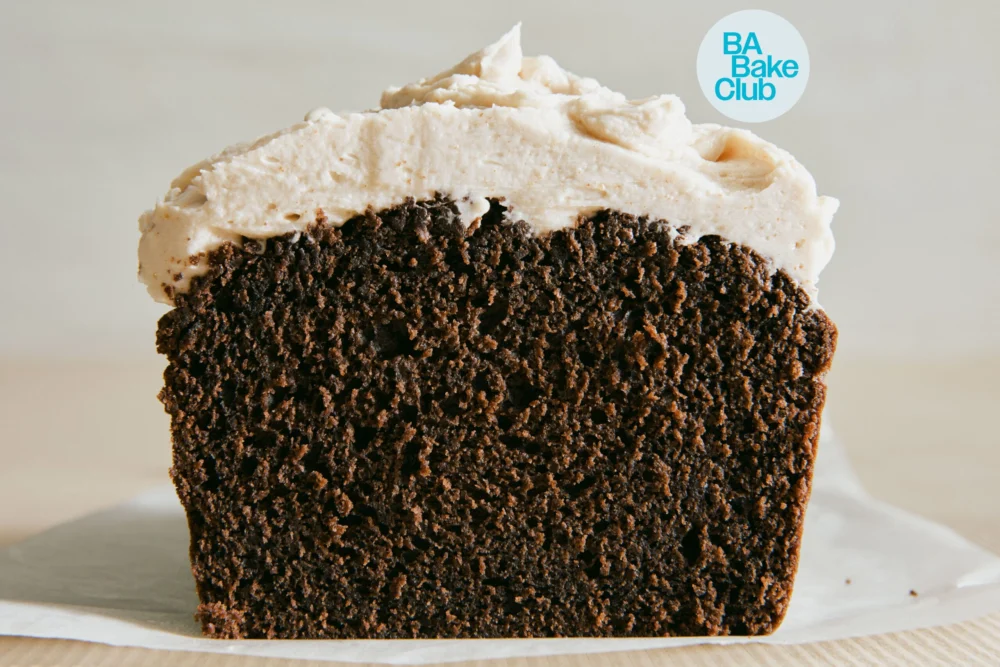
The Bon Appétit Bake Club, a prominent online community dedicated to demystifying the art and science of baking, has unveiled an innovative approach to the "reverse-creaming" method, promising home bakers a path to exceptionally tender cakes without the need for specialized equipment. This groundbreaking technique, introduced through the club’s latest featured recipe, a Chocolate Guinness Cake, allows for the creation of bakery-quality cakes using only one’s hands, bypassing the traditional reliance on stand mixers or hand mixers. This development marks a significant step in democratizing advanced baking techniques, making them accessible to a wider audience of culinary enthusiasts.
The Evolution of Cake Baking: From Traditional Creaming to Reverse-Creaming
For decades, the standard procedure for mixing cake batters has involved a sequential process: creaming together butter and sugar until light and fluffy, incorporating eggs one by one, and finally alternating the addition of dry and wet ingredients. This method, while effective, has inherent limitations, particularly concerning the development of gluten. Gluten, formed when proteins in flour (gliadin and glutenin) interact with water and mechanical agitation, provides structure to baked goods. However, excessive gluten development in cakes can lead to a tough, dense, or chewy texture—a common pitfall for many home bakers.
The "reverse-creaming" method emerged as a sophisticated alternative, specifically designed to mitigate overmixing and ensure a supremely tender crumb. Popularized notably by acclaimed pastry chef and cookbook author Rose Levy Beranbaum, particularly through her seminal work, The Cake Bible, published in 1988, reverse-creaming flips the traditional order of ingredient incorporation. Instead of starting with butter and sugar, the dry ingredients—flour, sugar, baking powder/soda, and salt—are first combined. Cubed butter is then gradually mixed into this dry mixture until it coats the flour particles, resembling wet sand or coarse meal. Only after this initial step are the liquid ingredients added.
The scientific rationale behind reverse-creaming is elegant and effective. By coating the flour molecules with fat (butter) before they come into contact with water, the formation of gluten is significantly inhibited. The fat acts as a barrier, preventing the gliadin and glutenin proteins from fully hydrating and forming extensive gluten networks. This controlled gluten development results in a cake with a much finer, softer, and more delicate crumb structure, often described as "velvet-like" or "plush." Additionally, this method is often credited with producing cakes that are less prone to drying out and maintain their freshness for longer periods, attributes highly valued in professional patisserie. While the traditional reverse-creaming method often calls for the use of a stand mixer with a paddle attachment to efficiently break down and distribute the butter into the dry ingredients, its benefits have long made it a favored technique among experienced bakers.
Bon Appétit Bake Club: A Hub for Culinary Innovation
The Bon Appétit Bake Club, launched as an initiative by the venerable food media brand Bon Appétit, serves as a dynamic online community for bakers of all skill levels. Co-led by senior Test Kitchen editors Jesse Szewczyk and Shilpa Uskokovic, the club’s mission extends beyond simply sharing recipes; it aims to foster a deeper understanding of baking principles, encouraging curiosity and experimentation among its members. Each month, Szewczyk and Uskokovic select a must-make recipe, providing in-depth explanations of the techniques involved and the science behind why they work. This pedagogical approach distinguishes the Bake Club, positioning it as a valuable educational resource within the increasingly crowded landscape of online culinary content.
Jesse Szewczyk, known for his innovative dessert recipes and clear instructional style, and Shilpa Uskokovic, celebrated for her expertise in global flavors and meticulous testing, bring a wealth of experience and diverse perspectives to the club. Their combined knowledge ensures that recipes are not only delicious but also thoroughly vetted and accompanied by practical advice. The club leverages digital platforms, including a dedicated group chat on Substack, to facilitate real-time interaction, allowing members to share their baking experiences, troubleshoot issues, and learn from both the editors and each other. This community-driven model underscores Bon Appétit’s commitment to engaging its audience beyond passive consumption of content, transforming readers into active participants in the culinary journey. The Bake Club exemplifies a broader trend in digital media towards interactive and community-focused content, fostering a sense of belonging and shared passion among enthusiasts.
Unveiling the Hand-Mixing Reverse-Creaming Method
The latest innovation from the Bon Appétit Bake Club directly addresses one of the primary barriers to entry for many home bakers: the need for expensive kitchen appliances. The club’s new Chocolate Guinness Cake recipe introduces a variation of the reverse-creaming technique that requires no stand mixer or hand mixer, relying instead on manual manipulation. This novel approach instructs bakers to rub cold cubes of butter into the dry ingredients using their fingertips, mimicking the initial steps of making pie dough or scones. However, unlike pie dough where butter chunks are intentionally left in pea-sized pieces for flakiness, in this method, the butter is continuously rubbed into the flour mixture until it is virtually imperceptible, thoroughly encasing each flour particle in fat.
This manual method achieves the same critical objective as the machine-assisted reverse-creaming: the comprehensive coating of flour molecules with fat. Szewczyk notes that this technique delivers the same delicate crumb as its traditional counterpart, with the added benefit of simplifying the cleanup process. "I love reverse creaming and have used it before (many times!) in my recipes," Szewczyk remarked, acknowledging its proven efficacy. "I think of it as an insider technique that produces cakes that are bakery-level in quality. It might seem weird the first time you do it, but once you taste the results, it’s hard to go back."
A particularly appealing aspect of this hand-mixing method is its inherent resistance to overmixing. In traditional cake recipes, bakers are often cautioned to mix only until the ingredients are just combined, fearing the development of tough gluten. With the hand-mixing reverse-creaming method, because the flour is already protected by fat, the risk of over-developing gluten is drastically reduced. This allows for a more "reckless abandon" approach to mixing the wet ingredients, as the foundational structure for tenderness is already established. This freedom from the fear of overmixing can significantly boost a home baker’s confidence and enjoyment, transforming a potentially stressful step into a more relaxed one.
The Science Behind the Superior Crumb
To fully appreciate the significance of the reverse-creaming technique, particularly its hand-mixing variant, a deeper dive into the biochemistry of baking is essential. Cake flour, typically lower in protein content than all-purpose or bread flour, is preferred for cakes because it inherently produces less gluten. However, even with cake flour, improper mixing can lead to undesirable textures.

Gluten development is a complex process. Flour contains two primary proteins, gliadin and glutenin. When these proteins are hydrated with water and subjected to mechanical energy (mixing or kneading), they link together to form elastic networks of gluten. These networks trap gases produced by leavening agents, giving cakes their rise and structure. While some gluten is necessary for a cake to hold its shape, too much results in a dense, chewy, and often dry product.
The reverse-creaming method, whether machine-assisted or hand-mixed, fundamentally alters this process. By thoroughly blending the butter into the dry ingredients first, each flour particle becomes coated in a thin layer of fat. This hydrophobic barrier prevents the flour proteins from fully absorbing water and forming strong gluten bonds. When the liquid ingredients are subsequently added, the gluten network that forms is significantly weaker and shorter, leading to a tenderer crumb. The fat also contributes to moisture retention, further enhancing the cake’s delicate texture and extending its shelf life. This scientific principle is robust and forms the bedrock of the technique’s consistent success. The hand-mixing method ensures this fat coating is achieved with remarkable thoroughness, as the warmth of the baker’s hands aids in the butter’s distribution, allowing for a tactile confirmation that the flour is fully encased.
Expert Perspectives and Community Engagement
The introduction of the hand-mixing reverse-creaming method is not merely a recipe update; it is a strategic move by Bon Appétit to empower its community. While direct quotes from Szewczyk and Uskokovic beyond the article are not provided, their intent can be inferred from the context of the Bake Club. They likely aim to demystify complex baking concepts, making "bakery-level" results achievable for individuals who may not own expensive kitchen gadgets or possess extensive baking experience. This aligns with a broader movement in culinary education to focus on technique and understanding rather than solely on equipment.
The acknowledgment of Rose Levy Beranbaum’s pioneering work in popularizing reverse-creaming underscores the club’s respect for culinary history and foundational knowledge. By referencing her as a "Bake Club podcast guest," Bon Appétit highlights its commitment to bringing authoritative voices and established expertise to its audience. Beranbaum’s influence on modern baking cannot be overstated, and her principles continue to guide innovations such as this hand-mixing adaptation.
The Substack chat feature is crucial for the success of such initiatives. It provides an immediate feedback loop, allowing members to share their experiences, ask questions, and celebrate successes. This interactive element transforms the learning process from a solitary endeavor into a shared community experience, enhancing engagement and fostering a supportive environment. The anticipation of members sharing their "how it all goes" experiences reinforces the club’s community-centric ethos. This digital forum also allows the editors to gauge the effectiveness of their instruction and adapt future content based on real-world baker feedback.
Broader Implications for Home Baking and Culinary Education
The Bon Appétit Bake Club’s new hand-mixing reverse-creaming technique carries significant implications for the landscape of home baking and culinary education. Firstly, it substantially lowers the barrier to entry for achieving high-quality results. Many aspiring bakers are deterred by the perceived necessity of expensive equipment like stand mixers, which can cost hundreds of dollars. By demonstrating that superior texture can be achieved with just basic ingredients and one’s hands, Bon Appétit effectively democratizes an advanced technique. This could encourage more individuals to explore baking, fostering a new generation of enthusiastic home cooks.
Secondly, this innovation reinforces the importance of understanding technique over relying solely on tools. It shifts the focus from gadgetry to fundamental culinary skills, emphasizing the baker’s connection with their ingredients. This pedagogical approach is invaluable, as it equips bakers with transferable knowledge that can be applied across various recipes and contexts. It also builds confidence, as mastering a technique manually often feels more rewarding than simply pressing a button on a machine.
From an industry perspective, this could influence purchasing trends. While sales of high-end stand mixers might see a slight dip among budget-conscious newcomers, there could be an increased demand for quality basic ingredients and fundamental tools like mixing bowls and whisks. Furthermore, the emphasis on community and shared learning could boost subscriptions to platforms like Substack, demonstrating the viability of niche, expert-led content in the digital age.
Finally, Bon Appétit’s proactive approach in adapting and simplifying complex techniques solidifies its position as a thought leader in culinary media. In a world saturated with quick, often superficial recipe content, the Bake Club’s dedication to in-depth education and community building sets a high standard, demonstrating a commitment to genuinely empowering its audience.
Looking Ahead: The Future of Bake Club
The successful introduction of the hand-mixing reverse-creaming method through the Chocolate Guinness Cake recipe sets a precedent for future innovations from the Bon Appétit Bake Club. It underscores the club’s commitment to continuous improvement and adaptation, always seeking ways to make advanced baking more accessible and enjoyable. Future endeavors might include demystifying other complex techniques, exploring variations on classic recipes, or introducing new ingredients and flavor profiles, all while maintaining the core philosophy of education and community engagement.
As the Bon Appétit Bake Club continues to grow and evolve, it is poised to play an even more significant role in shaping the skills and confidence of home bakers globally. By consistently offering well-researched, clearly explained, and genuinely innovative techniques, led by experienced culinary professionals like Jesse Szewczyk and Shilpa Uskokovic, the club reinforces Bon Appétit’s enduring legacy as a trusted source of culinary inspiration and instruction. The recent hand-mixing reverse-creaming technique is a testament to this ongoing commitment, promising a future where bakery-quality cakes are within reach for every curious baker, regardless of their kitchen equipment.
