

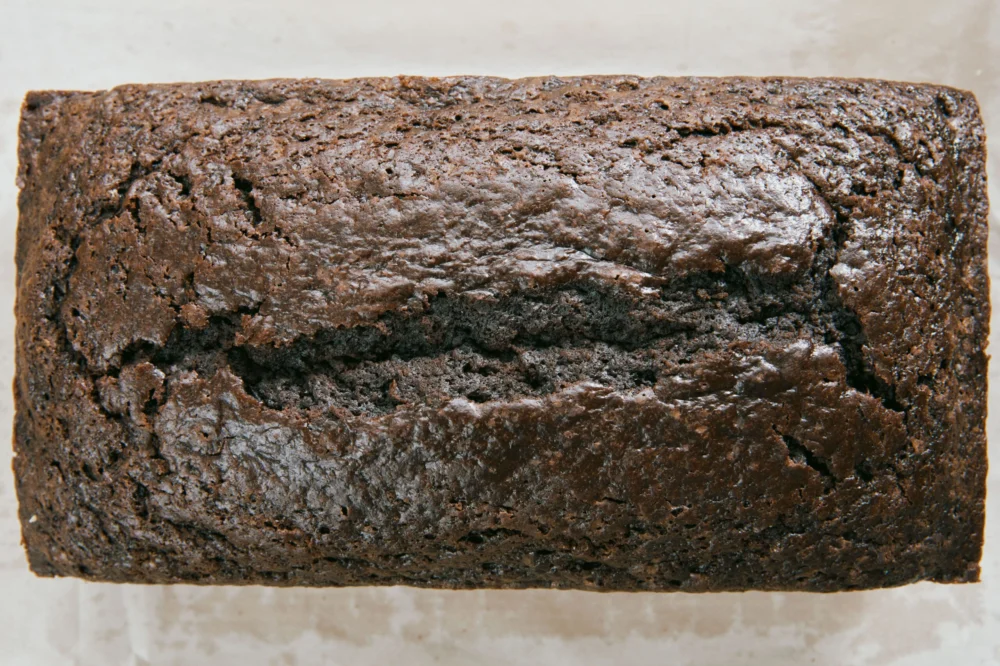
New York, NY – Bon Appétit, a leading authority in food media, has launched its new "Bake Club," a dedicated community platform designed to demystify advanced baking techniques for enthusiasts. Central to its inaugural offerings is a deceptively simple yet profoundly effective method for achieving perfectly domed and symmetrically cracked loaf cakes, a trick previously confined to the realm of professional food stylists. Senior Test Kitchen editors Jesse Szewczyk and Shilpa Uskokovic are spearheading the initiative, which promises to transform the home baking experience by imparting expert-level knowledge in an accessible format.
The "Bake Club," hosted primarily on a Substack group chat, serves as a digital hub where members can engage with editors, share experiences, and learn the science behind successful baking. The first major technique introduced, detailed in conjunction with a new Chocolate Guinness Cake recipe, involves a precise slit made in the raw batter of a loaf cake just before baking. This seemingly minor adjustment is touted as the key to unlocking visually stunning and texturally superior results, mirroring the exacting standards of commercial bakeries and food photography.
The Genesis of Bon Appétit Bake Club and its Mission
The launch of the Bon Appétit Bake Club represents a strategic expansion for the brand, tapping into the sustained surge in home baking interest observed globally, particularly since early 2020. The club aims to cultivate a community of "curious bakers" by offering monthly must-make recipes coupled with in-depth explanations of the underlying culinary principles. This educational approach distinguishes it from more casual recipe platforms, positioning Bon Appétit as a mentor in the often-intimidating world of baking.
Jesse Szewczyk and Shilpa Uskokovic, both seasoned experts in the Bon Appétit Test Kitchen, bring a wealth of practical and theoretical knowledge to the club. Their roles extend beyond recipe development to include dissecting why certain techniques work, fostering a deeper understanding among bakers. The Substack chat feature is crucial to this model, facilitating real-time interaction, troubleshooting, and the sharing of results, thereby building a vibrant, supportive ecosystem for learning. The emphasis is on demystifying complex processes, making professional-grade results attainable for the average home cook.
Unpacking the "Paring Knife Slit" Technique: Aesthetic and Functional Excellence
The core innovation highlighted by the Bake Club is the instruction to "Run a paring knife lightly coated in nonstick cooking spray down the center of the batter, dragging it through about ½-inch into the batter." This precise maneuver is presented not merely as an aesthetic enhancement but as a fundamental step towards improving the final product’s quality.
Aesthetic Benefits: The most immediate and striking outcome of this technique is the creation of a pristine, symmetrically cracked dome on the loaf cake. Unlike uncontrolled splitting that can occur randomly during baking, the pre-scored line provides a designated weak point, guiding the batter’s expansion into an elegant, uniform channel. This "photoshoot-ready" appearance is a significant draw for home bakers who increasingly aspire to produce visually perfect dishes, often influenced by social media platforms like Instagram and Pinterest. Furthermore, for cakes intended for glazing, the accentuated sloped top facilitates an even drip, preventing pooling and enhancing the cake’s overall presentation.
Functional Benefits: Beyond visual appeal, the technique yields tangible improvements in texture. By creating a controlled point of expansion, the slit allows the batter to rise with reduced resistance. This controlled ascent encourages a lighter, loftier crumb structure. The expansion opens up the cake’s interior more uniformly, preventing dense spots and promoting an airy, tender texture throughout. This dual benefit—improving both the look and the eating experience—underscores the technique’s value, transforming a simple loaf cake from good to exceptional.
The Science Behind the Perfect Crack: A Controlled Expansion
The principle behind slitting loaf cake batter mirrors the long-established practice of scoring bread dough, known as grigne. In both cases, the incision serves a critical scientific function during the baking process. As cakes bake, the heat causes leavening agents (such as baking powder or soda) to produce gases, primarily carbon dioxide, and any moisture in the batter turns to steam. These gases expand, exerting pressure on the batter from within.
Without a score, the pressure can build indiscriminately, leading to uncontrolled ruptures in the crust, often resulting in uneven cracks, lopsided domes, or a dense, tough crust. By creating a pre-determined incision, the baker directs this expansion. The slit acts as a vent, allowing the gases to escape and the batter to expand upwards and outwards along this path of least resistance. This controlled release prevents chaotic splitting, ensuring the cake rises uniformly and creates a distinctive, intentional crack.
Food science experts explain that this controlled expansion also plays a role in gluten development and starch gelatinization. By guiding the expansion, the technique can help prevent the formation of a thick, hardened crust too early in the baking process, which could otherwise restrict the cake’s rise. Instead, the batter can expand more freely, allowing for a more even heat distribution and a more tender final product. The nonstick spray on the knife is a small but crucial detail, preventing the batter from sticking and ensuring a clean, effective cut that won’t seal prematurely.
From Food Styling to Home Kitchens: A Trick Demystified
The revelation of this "secret" technique is particularly noteworthy given its origin in food styling. The article’s author, drawing on years of experience as a food stylist, highlights how professionals employ various tricks to enhance food’s visual appeal—from brushing vegetable glycerin on steak for a glistening effect to using heated spatulas for perfectly melted butter. These techniques, once proprietary to commercial shoots, are now being selectively shared with home bakers.
This democratization of professional knowledge reflects a broader trend in food media. Historically, professional culinary techniques were often perceived as complex and inaccessible to the home cook. However, with the rise of digital platforms, cooking shows, and online tutorials, there has been a concerted effort to break down these barriers. Bon Appétit’s Bake Club exemplifies this shift, empowering amateur enthusiasts with skills that were once exclusive to culinary school graduates or industry insiders. By translating these sophisticated methods into clear, actionable instructions, food media outlets are closing the gap between aspirational cooking and everyday practice.

The Resurgence of Home Baking and the Quest for Perfection
The context for the Bake Club’s launch and the emphasis on refined techniques is rooted in the significant resurgence of home baking. The COVID-19 pandemic catalyzed a global baking boom, as individuals sought comfort, productivity, and creative outlets in their kitchens. While initial trends focused on sourdough starters and basic comfort foods, the enthusiasm has evolved. Many home bakers, having mastered foundational skills, are now seeking to elevate their craft, desiring results that rival those from professional bakeries.
Market data supports this ongoing interest. According to reports from companies like NielsenIQ, sales of baking ingredients and related kitchen tools saw double-digit growth during the pandemic’s peak and have largely sustained elevated levels. This indicates a long-term shift in consumer behavior, with a larger segment of the population regularly engaging in home baking. Social media platforms further fuel this desire for perfection, as beautifully presented baked goods garner significant engagement, encouraging bakers to hone both their culinary and presentation skills. The "slit the batter" technique directly addresses this aspiration, offering a straightforward path to achieving aesthetically pleasing results that are ready for sharing, both in person and online.
Implementation Across the Loaf Cake Spectrum
One of the most appealing aspects of this technique, as highlighted by Bon Appétit, is its universal applicability to virtually any loaf cake recipe. While the Chocolate Guinness Cake serves as the immediate vehicle for demonstration, the senior editors confirm its effectiveness across a wide range of batters. The article specifically recommends applying the method to Bon Appétit’s popular Lemon Pound Cake, Carrot Loaf Cake, and even Banana Bread—staples in many home baking repertoires.
This versatility suggests that the technique is not dependent on specific ingredient ratios or batter consistencies, but rather on the fundamental mechanics of how cakes rise in a loaf pan. This broad utility means home bakers do not need to seek out specialized recipes; they can simply integrate this one-step addition into their existing favorite recipes. This ease of integration is key to its potential widespread adoption, allowing bakers to enhance familiar recipes with a professional touch.
Statements and Reactions from the Baking Community
While specific public statements from Jesse Szewczyk and Shilpa Uskokovic beyond the article’s text are not yet widely available, their inferred stance within the piece emphasizes empowerment and community. They likely envision the Bake Club as a dynamic space where their expertise directly translates into tangible improvements for home bakers. The invitation to "send me a picture of how it goes in the chat" underscores their commitment to fostering interaction and celebrating the community’s achievements.
The reaction from the broader baking community is anticipated to be overwhelmingly positive. Such a simple, high-impact technique is likely to be embraced enthusiastically, especially given its origins in professional styling. Early adopters within the Substack chat are expected to share their successes, creating a viral effect within the baking community. Baking forums, social media groups, and food blogs will likely discuss and experiment with the technique, further solidifying its place in the modern home baker’s toolkit. Industry experts, too, may commend Bon Appétit for distilling complex concepts into accessible practices, thereby elevating the overall standard of home baking.
Implications for the Future of Home Baking and Food Media
The introduction of the "slit the batter" technique through the Bon Appétit Bake Club has several significant implications for the future landscape of home baking and food media.
Firstly, it signals a continuing trend where high-level culinary expertise, traditionally guarded within professional circles, is being systematically broken down and disseminated to a mass audience. This approach not only educates but also inspires, encouraging home bakers to push their boundaries and achieve results they might have previously thought impossible.
Secondly, it reinforces the value proposition of curated, educational content in the increasingly crowded digital food space. While countless recipes are available online, platforms like the Bake Club offer something more: a guided learning experience, direct access to experts, and a supportive community. This model could become a blueprint for other food media outlets looking to deepen engagement and provide more substantive value to their audience.
Thirdly, the focus on both aesthetic and textural perfection suggests a maturing palate among home bakers. It’s no longer just about making a cake that tastes good; it’s about making a cake that looks and feels exceptional. This heightened expectation drives innovation in techniques and ingredients, potentially impacting market trends for specialized baking tools or premium ingredients.
Finally, the success of such initiatives contributes to the overall democratization of culinary arts. By making professional techniques understandable and achievable, Bon Appétit is not just teaching how to bake; it’s fostering confidence, creativity, and a deeper appreciation for the craft among a new generation of home bakers. The "slit the batter" technique, simple as it may seem, is a testament to the power of targeted knowledge in transforming everyday cooking into an art form.
In conclusion, Bon Appétit’s Bake Club and its unveiling of the loaf cake slitting technique represent a significant development in empowering home bakers. By bridging the gap between professional food styling and amateur enthusiasm, the initiative is set to enhance both the visual appeal and textural quality of homemade loaf cakes, affirming Bon Appétit’s role as an innovator in culinary education and community building.
