

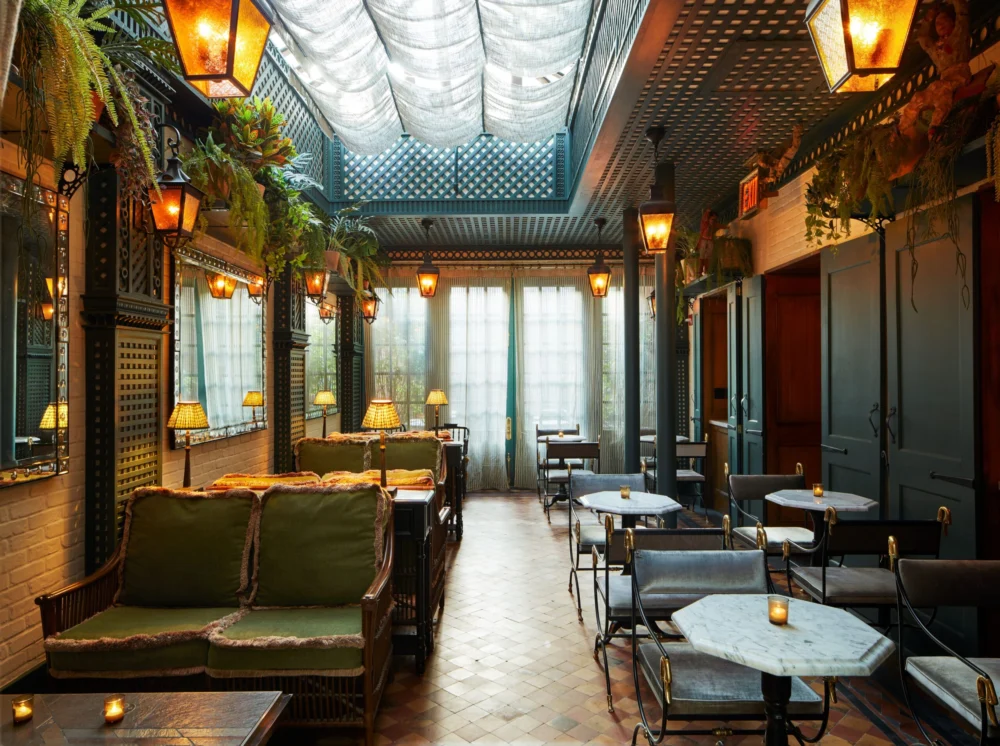
New York City, America’s most populous metropolis, stands as an undisputed global culinary capital, a vibrant nexus where gastronomic innovation meets profound cultural diversity. This unparalleled status is quantifiable: the city boasts over 21,000 distinct dining establishments across its five boroughs, a staggering figure that underscores its immense culinary landscape. Among these, 72 proudly display Michelin stars, a testament to the city’s commitment to culinary excellence and more than any other city in the Western Hemisphere. Yet, the essence of New York’s food scene transcends the pristine white tablecloths and elaborate tasting menus of its haute cuisine. It is a dynamic, multilingual atlas of flavors, reflecting the city’s 700 spoken languages through an extraordinary array of international cuisines catering to every palate and budget imaginable.

The sheer scale of this culinary offering presents a delightful, albeit daunting, challenge for any visitor: one simply cannot "eat the Big Apple in one bite." Navigating this vast gastronomic universe requires a strategic approach, and the choice of accommodation emerges as a pivotal factor in shaping a food-centric travel experience. This comprehensive guide has been meticulously curated for travelers whose itineraries are dictated by their appetites, focusing on top-tier hotels that serve as ideal launchpads for culinary exploration. Our selection prioritizes properties across various price points, chosen for their proximity to vibrant dining neighborhoods and their convenient access to New York’s extensive subway system, facilitating seamless journeys to even the most far-flung culinary enclaves.
Historical and Economic Underpinnings of NYC’s Gastronomy

New York’s culinary journey mirrors its historical development as a global melting pot. From the late 19th and early 20th centuries, waves of immigration from Europe, Asia, and Latin America established distinct ethnic enclaves, each bringing their culinary traditions. These early foundations, from Italian-American red-sauce joints and Jewish delis to bustling Chinatowns, laid the groundwork for the city’s modern diversity. These establishments were not merely places to eat; they were cultural anchors, fostering community and preserving heritage through food. The post-World War II era saw the rise of iconic steakhouses and French fine dining, catering to a burgeoning affluent class and solidifying the city’s reputation for luxury.
The latter half of the 20th century and the early 21st century ushered in a new wave of global fusion, the emergence of celebrity chefs, and a burgeoning farm-to-table movement, further cementing NYC’s reputation as a culinary trendsetter. Pioneering chefs began to blend diverse influences, creating new American cuisine that captured the city’s eclectic spirit. Today, this evolutionary trajectory continues, with neighborhoods constantly redefining their culinary identities, driven by both established institutions and innovative newcomers.

The restaurant and hospitality sector forms a crucial pillar of New York City’s economy. According to recent industry reports, the sector employs hundreds of thousands of New Yorkers and generates billions of dollars in annual revenue, significantly contributing to the city’s tax base and tourism appeal. Culinary tourism alone draws millions of visitors annually, eager to sample everything from Michelin-starred masterpieces to iconic street food vendors. This economic engine also fosters a highly competitive environment, pushing chefs and restaurateurs to continually innovate and refine their craft, ensuring a consistently high standard of dining experiences across the city. Beyond economics, food in New York is a profound cultural statement. It’s a daily celebration of global heritage, a medium through which communities preserve and share their identities. From the vibrant street food markets of Queens to the historic bakeries of Brooklyn and the innovative kitchens of Manhattan, every dish tells a story of migration, adaptation, and culinary artistry.
The Michelin Guide’s annual selections are highly anticipated events, serving as both a benchmark for culinary excellence and a powerful magnet for international gourmands. Achieving even a single star can transform a restaurant’s trajectory, bringing global recognition and a surge in bookings. The concentration of these prestigious accolades in New York not only highlights the city’s high standards but also fuels a vibrant ecosystem of culinary talent, drawing top chefs and ambitious restaurateurs from around the world to compete and create. Yet, the true magic of New York’s food scene lies in its democratic nature—where a Michelin-starred meal can be followed by a transcendent dollar slice of pizza or an authentic taco from a street cart, all offering equally memorable experiences.

Navigating the Culinary Maze: Strategic Stays for the Food-Focused Traveler
Understanding that the sheer volume of dining options can be overwhelming, this guide focuses on strategically placed hotels that serve as ideal home bases for travelers prioritizing culinary exploration. Our criteria extend beyond mere luxury, encompassing a range of price points to suit diverse budgets while maintaining high standards of quality and service. Crucially, each selected hotel is situated within walking distance of renowned restaurants and vibrant food neighborhoods, minimizing travel time and maximizing dining opportunities. Furthermore, their proximity to major subway lines ensures convenient access to the city’s farther-flung culinary hotspots, allowing for seamless exploration across all five boroughs. By segmenting the city into distinct geographic chunks, we aim to provide a clear and actionable framework for experiencing New York’s vast gastronomic landscape.

Lower Manhattan West: Epicenter of Culinary Innovation and Historic Charm
The western quadrant of Lower Manhattan, encompassing the West Village, Chelsea, and Tribeca, has solidified its reputation as a buzzing epicenter of culinary innovation and sophisticated dining. The West Village, with its charming tree-lined streets and historic brownstones, exudes a European village ambiance, while Chelsea offers a blend of art galleries and high-end residential spaces. Tribeca, once an industrial hub, has transformed into a chic, celebrity-favored enclave known for its loft apartments and upscale dining. This area is home to some of the city’s most sought-after tables, often requiring reservations booked months in advance.

Culinary Highlights:
At the forefront is Via Carota, a West Village institution by chefs Rita Sodi and Jody Williams, renowned for its rich yet simple seasonal Italian plates. The demand is so high that hours-long waits are common, with its deceptively simple green salad achieving legendary status. The constellation of Michelin-recognized establishments here includes Jungsik, a three-starred contemporary Korean spot pushing the boundaries of traditional cuisine, and Semma, celebrated for its vibrant and celebratory South Indian menu that has graced numerous "best-of" lists. Curiously, The Corner Store, a see-and-be-seen destination for steaks and fries, has emerged as one of the city’s most elusive reservations, a testament to its current caché.
However, the area’s culinary depth extends far beyond the hardest-to-get tables. For those seeking excellent alternatives, L’industrie Pizzeria offers slices that can be enjoyed next door at Talea with a locally brewed sour beer, a perfect pairing for a casual yet high-quality meal. The Commerce Inn, a sister restaurant to Via Carota, offers a similar simple-yet-exquisite vernacular with an American Shaker accent, and crucially, accepts reservations. Other notable mentions include Shukette for its shareable mezze, The Odeon for classic martinis and frites in a timeless setting, and Don Angie for its highly acclaimed red-sauce comforts, reinventing Italian-American classics with a modern twist. Wine enthusiasts will appreciate Terroir‘s meticulously detailed wine list, a veritable tome curated by a self-proclaimed Riesling-loving connoisseur. For a taste of true New York history, The Ear Inn, a historic pub purportedly haunted by a sailor named Mickey, offers a quintessential local experience.

This western corridor also provides excellent subway connections (A, 1, 2, or 3 trains) to explore iconic uptown spots. Columbus Circle offers haute-Caribbean superstar Tatiana and the legitimately kooky Bad Roman. The Upper West Side is home to Barney Greengrass, New York’s quintessential appetizing store, and Zabar’s, a gourmet grocery known for its "lethal" babka and excellent merchandise. Farther north in Harlem, Sylvia’s and Red Rooster deliver soul food that is both classic and contemporary, reflecting the rich cultural heritage of the neighborhood.
Featured Accommodations:

-
The Marlton Hotel (Greenwich Village): Nestled in the heart of Greenwich Village, The Marlton Hotel offers an unrivaled location for exploring downtown’s culinary riches. With acclaimed spots like Loring Place, Mace, and Tokyo Record Bar mere steps away, guests are immersed in a vibrant dining scene. The hotel itself, upon entry, transports visitors to a bygone era with its wood-paneled lobby and warm lighting, creating an inviting, intimate, and historic atmosphere. Its 112 rooms, while compact—a common New York reality even in luxury properties—are thoughtfully appointed with essentials like a minibar, plush robes, and high-quality toiletries. The black-and-white-tiled, brass-fixtured bathrooms evoke a Parisian charm, though a glance out the window reveals the iconic Washington Square Park Arch, firmly rooting guests in New York. The lobby lounge, a cozy space perfect for working or unwinding, features a fireplace that promises warmth in cooler months. Its recently revamped restaurant, Chez Nous, offers well-executed French fare amidst dramatic red velvet banquettes, providing a stylish backdrop for evening cocktails and conversation. Visited by Alaina Chou.
-
Hotel Chelsea (Chelsea): The Hotel Chelsea, a legendary landmark, has undergone a meticulous transformation from its bohemian housing co-op past into a sophisticated 5-star hotel, while carefully preserving its storied soul. The attention to detail is evident from the moment scattered light filters through eyelet curtains in each room. The lengthy and costly renovation, still accommodating several permanent residents, has resulted in a remarkable property steeped in history that has inspired countless books. Rather than erasing its sometimes-sordid past, the Hotel Chelsea proudly displays it; artwork by past and present tenants adorns hallway walls, and staff willingly recount the building’s ghost stories. Accommodations are colorful and sophisticated, prioritizing comfort with plush bedding and clever layouts that maximize space. Beyond the rooms, a stunning rooftop spa offers traditional treatments alongside unique "woo-woo" offerings like tarot readings and writer’s block remedies. Marbled bathrooms feature soaking tubs, rainfall showers, and C.O. Bigelow products. The ground-floor Lobby Bar, reminiscent of an aristocratic drawing room, serves intriguing cocktails, while the hotel’s trio of restaurants—Cafe Chelsea, El Quijote, and Teruko—each offer a distinct blend of old-meets-new allure. Visited by Wilder Davies.

-
The Greenwich Hotel (Tribeca): Discreetly located on a Tribeca corner, The Greenwich Hotel, founded and owned by Robert De Niro, maintains an intentionally unassuming facade. This serves its purpose as a private hideout for stars attending film festivals or industry negotiations. Opened in 2005 and constructed from the ground up, every design detail is deliberate. Rooms exude a cozy, eclectic sensibility, featuring overstuffed leather sofas, Siberian oak floors, globally sourced antiques, and artwork by Robert De Niro Sr. Rare amenities for New York include European-style bidets, in-room saunas, and Juliet balconies. A complimentary snack basket and drink fridge add to the luxurious touches. The subterranean Shibui Spa, a serene oasis, allows guests to sip sake poolside. Meals from the acclaimed Locanda Verde menu can be enjoyed in the exclusive courtyard, though discretion (and no photos) is paramount. Visited by Wilder Davies.
Lower Manhattan East: The Edgy Heart of Street Food and Cocktail Culture
.JPG)
The eastern side of Lower Manhattan—encompassing the Lower East Side (LES), East Village, Chinatown, and the Bowery—presents a younger, edgier, and relentlessly vibrant counterpoint to its western counterpart. Historically a landing point for immigrant communities, these neighborhoods have evolved into dynamic cultural and culinary hubs, renowned for their innovative cocktail scenes, trendsetting establishments, and deeply authentic ethnic cuisines. The LES, once a bastion of Eastern European Jewish immigrants, now buzzes with trendy boutiques and eateries, while the East Village retains its bohemian, punk-rock past alongside a diverse culinary landscape. Chinatown remains one of the oldest and largest Chinese enclaves in North America, a sensory explosion of sights, sounds, and, most importantly, flavors.
Culinary Highlights:
This district is a magnet for nightlife enthusiasts, hosting many of the city’s hottest cocktail spots, including Double Chicken Please, Schmuck, and Ha’s Snack Bar. Scene-y locales like Clandestino, Funny Bar, and the ever-popular Dimes contribute to the area’s cool, urban energy. The food offerings are equally compelling: Kopitiam provides an authentic taste of Malaysian street food alongside potent iced coffee served in a bag, while Golden Diner is famed for its truly killer pancake, a perfect brunch staple. For cozy Greek fare, Kiki’s offers a welcoming atmosphere and classic dishes. Chinatown itself is best explored by simply wandering its labyrinthine streets, revealing countless spots for exquisite dim sum, freshly hand-pulled noodles, and some of the only cha chan tengs (Hong Kong-style cafes) in North America.

Heading north through Nolita and the East Village, destination-worthy options continue to proliferate. Thai Diner, the casual reincarnation of the beloved Uncle Boons, delights with Thai tea French toast and an unforgettable breakfast roti sandwich featuring spiced sausage. Superiority Burger champions creative vegetarian cuisine, boasting a rotating all-star cast of desserts—the pearl pie, if available, is a must-try. For S-tier slices, Scarr’s and Una Pizza Napoletana are local favorites, each offering a distinct and highly acclaimed pizza experience. And for those craving classic New York bagels and appetizing, Russ and Daughters and Kossar’s uphold a cherished culinary legacy.
Featured Accommodations:

-
Public Hotel (Lower East Side): If New York City hotels were plotted on a spectrum from traditional to ultra-modern, the Public Hotel would land firmly and boisterously on the latter end. As the brainchild of Ian Schrager, co-founder of Studio 54, the property inherently possesses a clubby, glamorous energy. Indeed, it features a pulsating rooftop bar and a vibrant club. Yet, even the most dedicated party-goer needs a tranquil retreat, and the Public provides just that. Its rooms, with blonde wood accents, white furniture, and ambient mood lighting, offer a serene antidote to a long night out. The hotel caters to a youthful clientele, offering amenities such as super-fast Wi-Fi, complimentary Pilates classes, and abundant common spaces designed for socializing or remote work, fostering a dynamic and connected atmosphere. Visited by Wilder Davies.
-
Nine Orchard (Lower East Side): It feels inherently fitting that a vacant Beaux Arts building, strategically positioned between the Lower East Side and Chinatown in the area sometimes known as "Dimes Square," has been reborn as the luxurious cool-kid hideout that is Nine Orchard. Opened in 2022, the hotel already possesses the gravitas of an established institution. Its interior spaces masterfully blend old and new, with Jacobean florals and damask textiles harmoniously juxtaposed against custom wood furniture and bespoke BDDW ceramics—a favorite of Gwyneth Paltrow—seen in lamps, room key fobs, and even toilet paper holders. The ground-
