

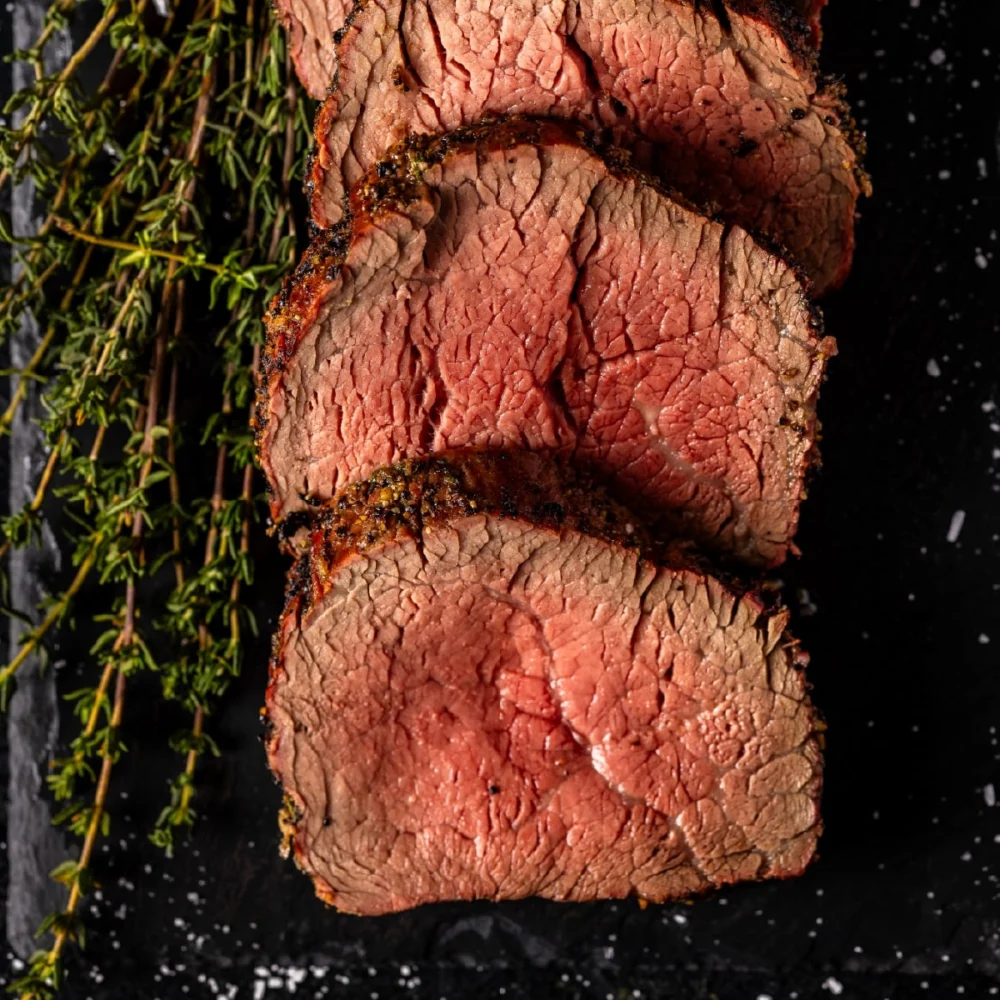
The beef tenderloin, widely regarded as the most premium and succulent cut of bovine anatomy, has long served as the definitive centerpiece for high-stakes culinary events, ranging from holiday galas to intimate celebrations. Unlike more fibrous cuts such as the brisket or chuck, the tenderloin—derived from the psoas major muscle—remains largely sedentary during the animal’s life, resulting in a texture that is unparalleled in its softness. As home grilling technology continues to evolve, the ability to replicate restaurant-grade results in a residential setting has become increasingly accessible. By utilizing a two-stage cooking process involving indirect heat and a high-temperature sear, chefs can achieve a perfect edge-to-edge medium-rare finish that was once the exclusive domain of professional kitchens.
Market Context and the Significance of the Cut
The beef tenderloin represents a significant investment for the home cook. According to market data from the United States Department of Agriculture (USDA), the tenderloin consistently commands the highest price per pound among wholesale beef cuts. This cost is attributed to the cut’s scarcity; a single carcass yields only a small percentage of tenderloin compared to other sections. Because of this premium status, the methodology used to prepare the meat must be precise to avoid the economic and culinary loss of overcooking.
In the current culinary landscape, there is a distinct shift toward "reverse searing" or two-stage grilling. This method prioritizes the preservation of internal moisture while maximizing the Maillard reaction—the chemical process between amino acids and reducing sugars that gives browned food its distinctive flavor. For the grilled beef tenderloin, this involves a slow rise in internal temperature followed by a brief, intense exposure to direct flame.

Sourcing and Selection Standards
To ensure a successful outcome, the selection process must adhere to strict quality indicators. Professional butchers and culinary experts emphasize three primary factors: grading, marbling, and shape.
USDA Grading and Quality Indicators
The USDA classifies beef into three primary consumer grades: Prime, Choice, and Select.
- USDA Prime: Representing the top 2-3% of all beef produced in the U.S., Prime tenderloin features abundant marbling (intramuscular fat), which enhances both flavor and juiciness.
- USDA Choice: This grade offers high quality but with slightly less marbling than Prime. It is the most common selection for high-end home grilling.
- USDA Select: This is a leaner cut that may lack the buttery consistency of higher grades, often requiring more careful temperature management to prevent dryness.
Physical Characteristics
Beyond grading, the physical shape of the roast is paramount. An evenly shaped, "center-cut" tenderloin (often referred to as the Chateaubriand) ensures that the meat cooks at a uniform rate. Consumers are advised to look for a bright cherry-red color, which indicates freshness, and to ensure the "silverskin"—a tough, iridescent connective tissue—has been removed. If the silverskin remains, it must be trimmed prior to cooking, as it does not break down under heat and can cause the meat to warp and become chewy.
The Chronology of Preparation
The preparation of a grilled beef tenderloin follows a logical sequence designed to build layers of flavor and ensure structural integrity during the cooking process.

Phase 1: The Wet Rub and Seasoning
The flavor profile of this specific preparation relies on a minimalist six-ingredient wet rub. By combining minced garlic, fresh herbs (typically rosemary and thyme), kosher salt, cracked black pepper, and high-smoke-point oil, the cook creates a paste that adheres to the meat.
- The Role of Salt: Salt acts as a dry brine, penetrating the muscle fibers and seasoning the meat deeply rather than just on the surface.
- The Role of Oil: The oil serves as a conductor for heat and a binder for the aromatics, ensuring they do not burn instantly when they finally hit the direct flame.
Phase 2: Indirect Heat Grilling
The roast is first placed on the grill away from the primary heat source. On a gas grill, this means turning off the burners directly beneath the meat; on a charcoal grill, it involves pushing the coals to one side. This environment mimics a convection oven, allowing the internal temperature of the thick roast to rise slowly. This slow ascent prevents the exterior from becoming tough before the center reaches the desired doneness.
Phase 3: The Sear (The Maillard Reaction)
Once the meat reaches a specific internal temperature (typically 10–15 degrees below the final target), it is moved directly over the heat source. This stage lasts only three to four minutes per side. The goal is to create a dark, flavorful crust.
Phase 4: The Resting Period
Resting is perhaps the most critical, yet frequently skipped, step. When meat is heated, the muscle fibers contract and push moisture toward the center. By allowing the tenderloin to rest for 15 to 20 minutes under loose foil, the fibers relax, allowing the juices to redistribute. This ensures that the moisture remains in the meat rather than spilling onto the cutting board.

Technical Data: Temperature and Doneness
Precision in grilling is measured by internal temperature rather than time. Environmental factors such as ambient air temperature, wind, and grill type can cause cooking times to fluctuate significantly. The following data serves as the industry standard for beef tenderloin doneness.
Intermediate Targets (Before Searing)
To achieve the final desired doneness, the roast should be moved to the sear stage when it reaches these internal markers:
- Rare: 105°F
- Medium Rare: 115°F
- Medium: 125°F
- Medium Well: 135°F
- Well Done: 145°F
Final Pull Temperatures (After Searing)
After the sear and during the resting period, "carry-over cooking" will occur, raising the internal temperature by another 5 degrees. The meat should be removed from the grill entirely at these points:
- Rare: 120-125°F (Cool red center)
- Medium Rare: 130-135°F (Warm red center – The Chef’s Standard)
- Medium: 140-145°F (Warm pink center)
- Medium Well: 150-155°F (Slightly pink center)
- Well Done: 160°F+ (No pink)
Nutritional Analysis and Dietary Considerations
While beef tenderloin is a luxury item, it is also one of the leanest cuts of beef available, making it a preferred choice for those monitoring fat intake without sacrificing protein quality.

Based on a standard serving size, the nutritional profile is approximately as follows:
- Calories: 25 kcal (for the rub/seasoning component; the meat itself adds roughly 180-210 calories per 3oz serving).
- Protein: High density of essential amino acids.
- Fat Content: Approximately 2g per ounce for the rub; the beef provides roughly 7-10g of fat depending on the grade.
- Micronutrients: Significant levels of Vitamin B12, Zinc, Selenium, and Iron.
The use of fresh garlic and herbs adds antioxidant properties and flavor without the need for high-calorie sauces or sugars, aligning the dish with various dietary frameworks, including ketogenic and paleo protocols.
Broader Implications for the Home Cook
The rise in popularity of grilled beef tenderloin reflects a broader trend in the democratization of culinary expertise. Through the availability of instant-read thermometers and high-quality sourcing, the "Backyard BBQ Hero" has emerged as a significant demographic in the outdoor cooking industry. This transition has led to increased demand for specialty butcher services and premium grilling equipment.
Culinary analysts suggest that the "experience economy" is driving this trend; consumers are increasingly choosing to invest in high-quality raw ingredients to prepare at home rather than frequenting traditional steakhouses. This shift allows for greater control over the sourcing of the meat (such as grass-fed or organic options) and the specific flavor profiles used in the seasoning.

Conclusion and Official Recommendations
Food safety remains a paramount concern. The USDA officially recommends a minimum internal temperature of 145°F followed by a three-minute rest for all beef cuts to ensure the elimination of foodborne pathogens. However, culinary professionals often note that for the specific cut of tenderloin, a medium-rare finish (135°F) provides the optimal balance of safety, texture, and flavor.
By adhering to the principles of temperature control, quality sourcing, and the two-stage grilling method, the home cook can transform a raw beef tenderloin into a sophisticated centerpiece. This process not only provides a high-quality meal but also serves as an educational exercise in the science of heat transfer and flavor development. Whether for a formal gathering or a family dinner, the grilled beef tenderloin remains a testament to the enduring appeal of well-prepared, high-quality protein.
