

The world of gluten-free baking often presents a unique challenge: achieving the desired texture and flavor without relying on traditional wheat flour. For those with celiac disease, gluten sensitivity, or simply choosing a gluten-free lifestyle, finding recipes that deliver on taste and mouthfeel is paramount. A recent culinary exploration into gluten-free baking has yielded a particularly promising recipe for gluten-free carrot cake cupcakes, lauded for their tender crumb, warm spice, and authentic carrot flavor. This article delves into the nuances of this recipe, exploring the culinary science behind its success and offering expert insights for home bakers.
The Art of the Gluten-Free Carrot Cake Cupcake
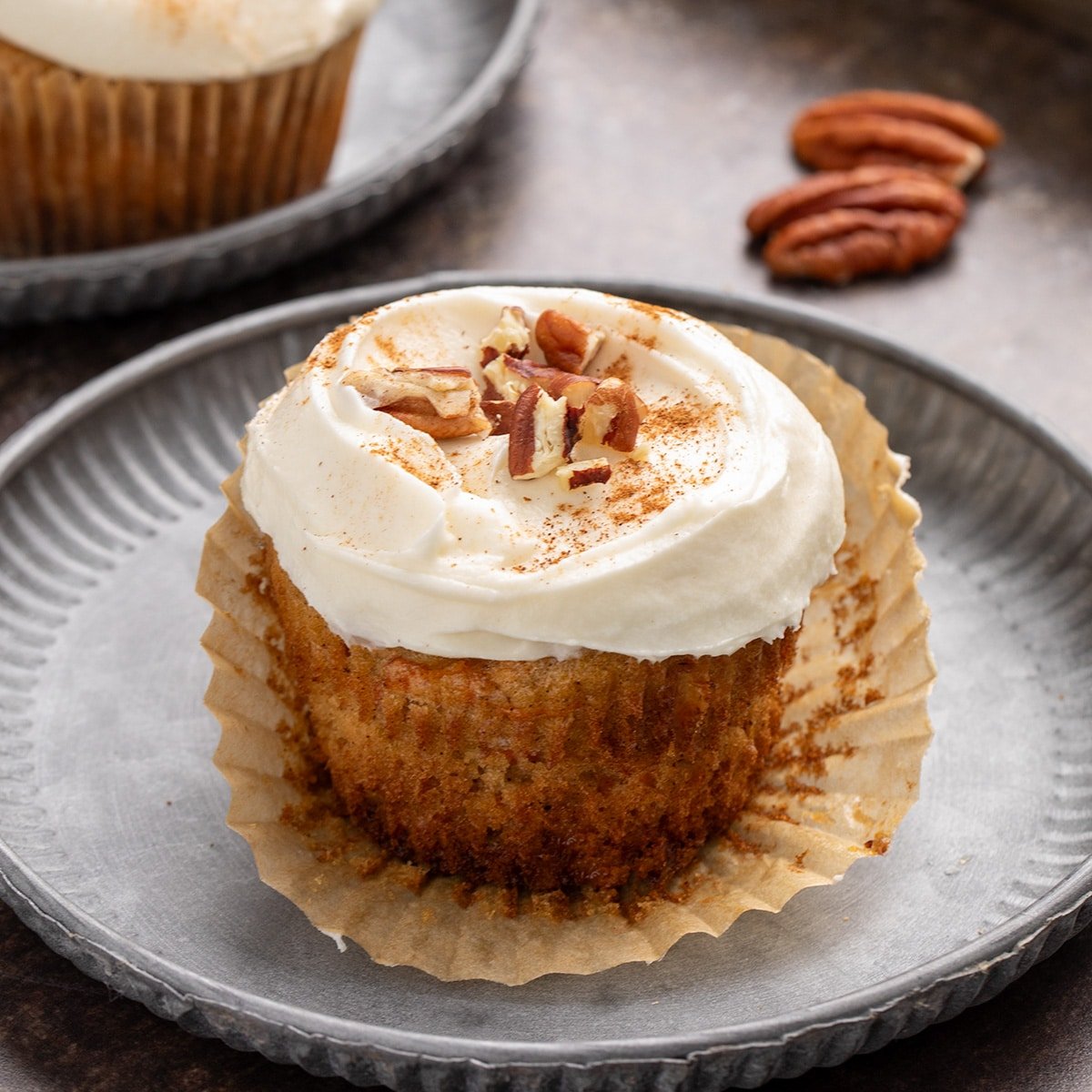
At its core, the appeal of these gluten-free carrot cake cupcakes lies in their ability to replicate the comforting essence of classic carrot cake, but in a convenient, perfectly portioned format. Unlike full-sized cakes, cupcakes benefit from the structure provided by their individual baking wells, allowing for a slightly different approach to flour ratios. This recipe leverages that advantage to create an exceptionally tender crumb, striking a delicate balance between sweetness and spice without becoming overly rich or dense.
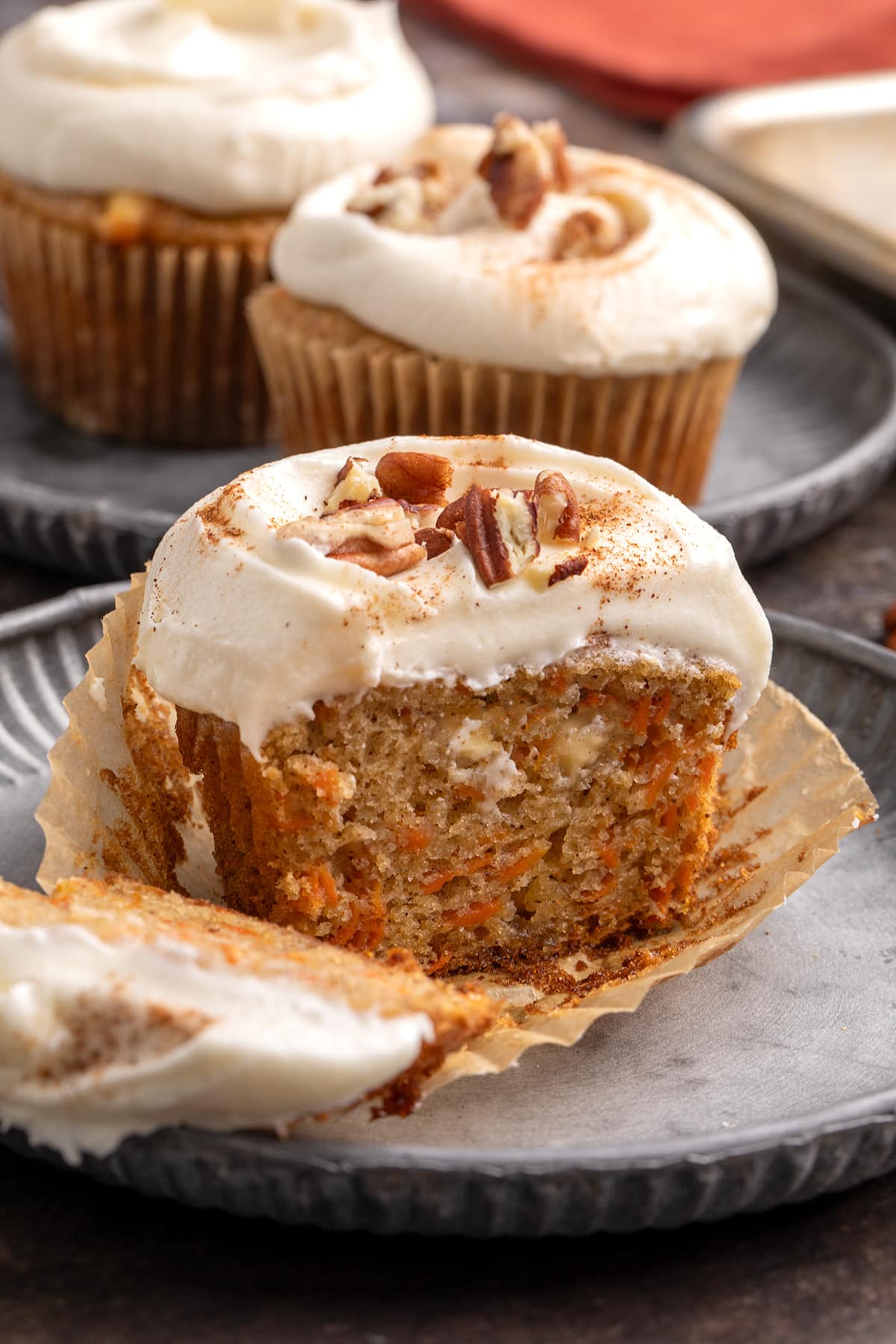
A key element contributing to the success of this recipe is the technique employed for incorporating the carrots. Instead of finely shredding, the recipe calls for grating the carrots on the larger holes of a box grater. This seemingly minor detail has a significant impact on the final product. The thicker shreds, when baked, soften considerably while retaining their shape. This allows them to contribute not only sweetness and moisture but also a subtle structural integrity to the cupcakes, preventing them from disappearing entirely into the batter. The result is a moist, flavorful crumb visibly flecked with pieces of carrot, offering a delightful textural contrast.
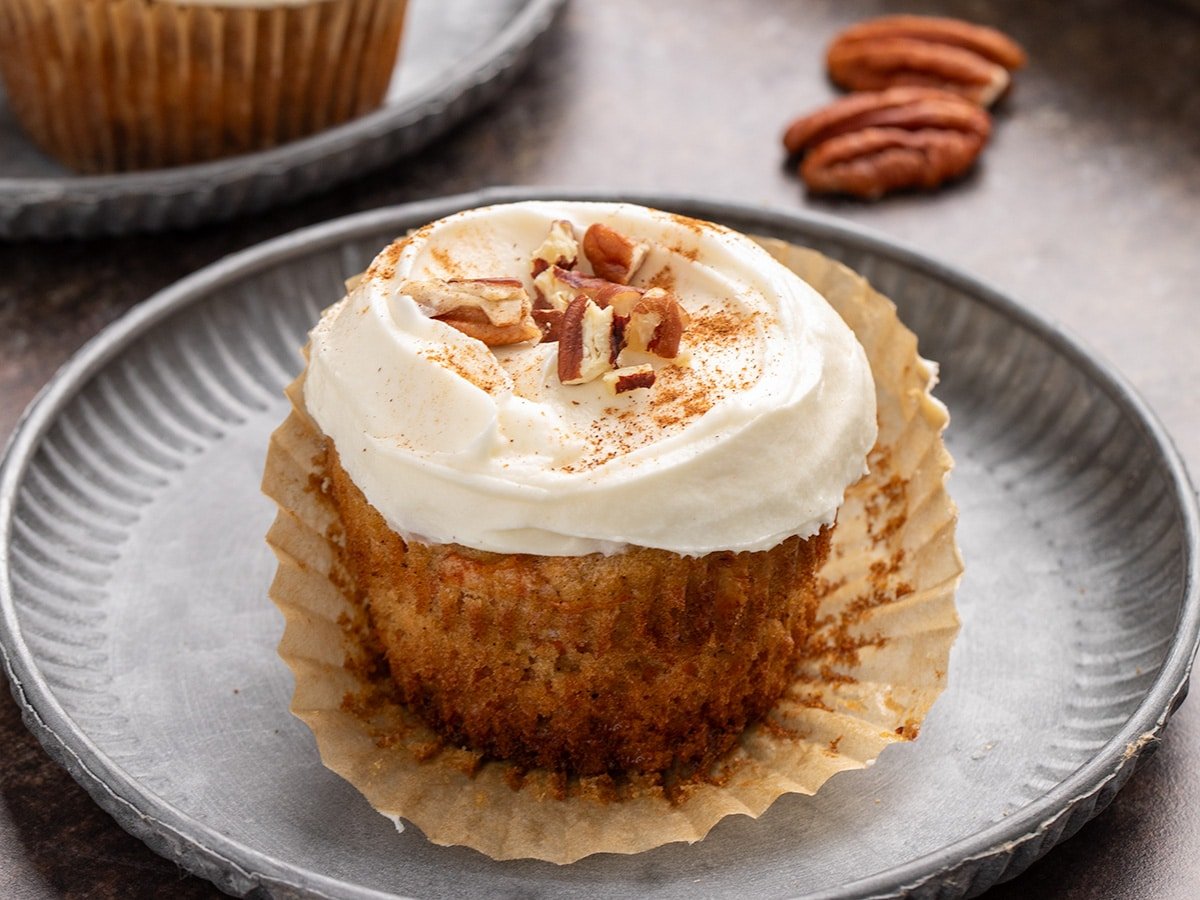
The balance of ingredients further enhances the carrot-forward flavor profile. A carefully calibrated combination of oil, brown sugar, and warming spices ensures that the cupcakes are rich and moist without being greasy or cloying. This thoughtful formulation also contributes to their tender texture, even when chilled, a common challenge in gluten-free baking where moisture retention can be problematic.
Understanding the Culinary Science Behind the Recipe
The success of any gluten-free recipe often hinges on understanding the role of each ingredient and how it interacts in the absence of gluten. For these carrot cake cupcakes, several components are crucial:
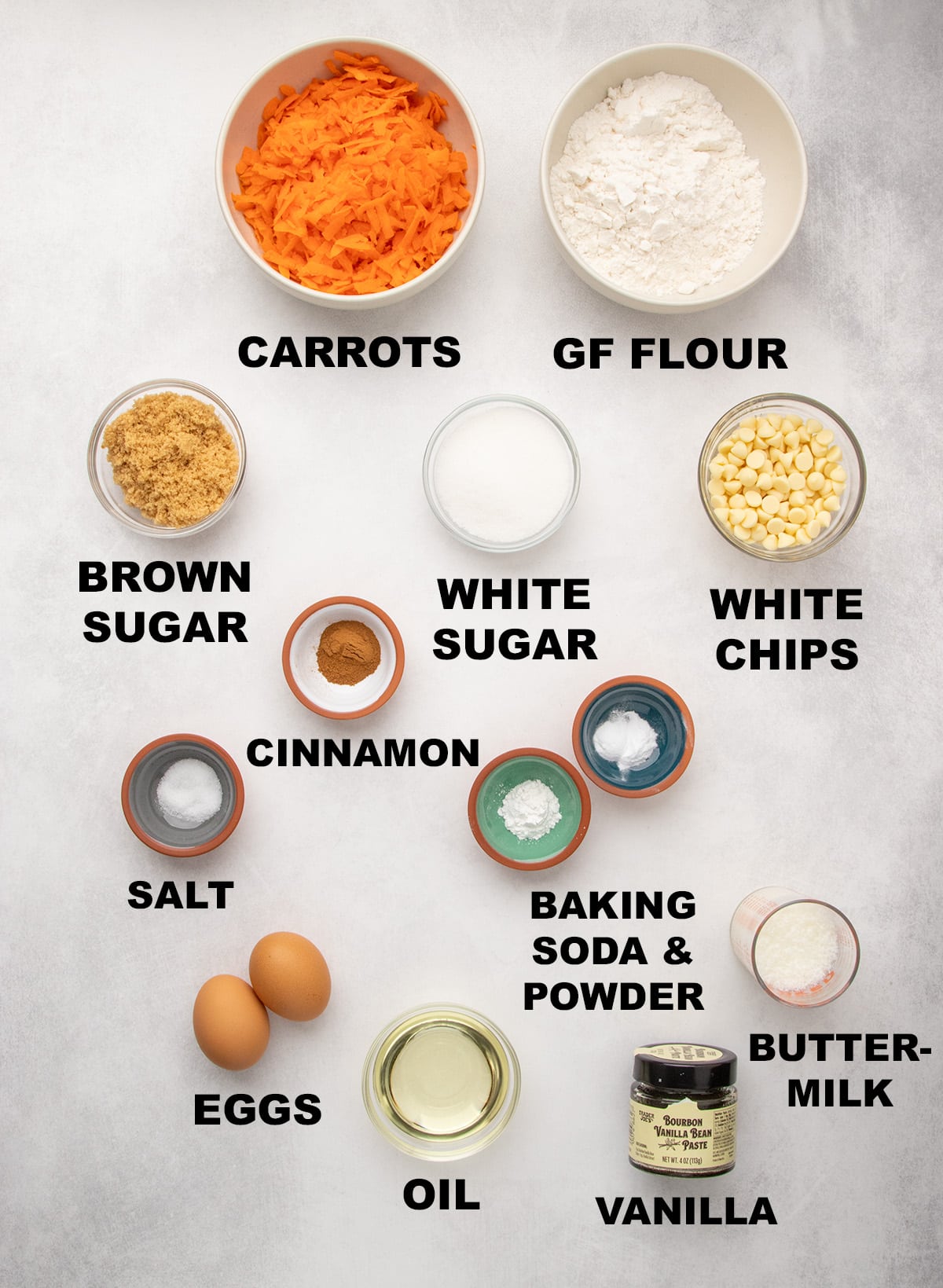
- Gluten-Free Flour Blend: The choice of gluten-free flour blend is critical. For optimal results, the recipe recommends blends that are specifically formulated for baking, often containing a mix of rice flour, tapioca starch, potato starch, and a binder like xanthan gum. The inclusion of xanthan gum is vital for mimicking the binding and structural properties of gluten. The recipe specifically notes that if using a blend like Bob’s Red Mill 1-to-1, an additional amount of xanthan gum might be necessary to prevent a crumbly texture. This highlights the variability between different commercial blends and the importance of adjusting for them.
- Carrots: As previously mentioned, the size of the grated carrot is paramount. Larger shreds soften to a delightful tenderness while providing pockets of natural sweetness and contributing to the overall structure. This technique effectively utilizes the vegetable’s natural moisture and sugars.
- Oil vs. Butter: The use of neutral oil, such as vegetable or canola oil, contributes significantly to the cupcakes’ moist and tender crumb. Oil remains liquid at room temperature, promoting a softer texture compared to butter, which solidifies when chilled. This characteristic is particularly beneficial for gluten-free baked goods, which can sometimes become dry or crumbly.
- Brown Sugar and White Sugar: The combination of brown sugar and granulated white sugar offers a nuanced sweetness. Brown sugar contributes moisture and a subtle caramel note, while white sugar provides structure and a clean sweetness. The interaction of these sugars with the other ingredients aids in achieving the desired texture and flavor.
- Leavening Agents: Baking soda and baking powder work in tandem to provide lift and create an airy crumb. Baking soda, activated by acidic ingredients like buttermilk, helps with browning and tenderness, while baking powder provides a more sustained lift during the baking process.
- Buttermilk: The acidity in buttermilk reacts with baking soda, tenderizing the crumb and contributing to a moist texture. It also adds a subtle tang that complements the sweetness of the cake.
- Eggs: Eggs provide structure, richness, and act as a binder. Their protein content helps to set the cake structure as it bakes.
Step-by-Step Guide to Crafting the Cupcakes
For home bakers who appreciate a visual guide, the recipe breaks down the process into manageable steps, ensuring a successful outcome.
1. Preparation of Dry Ingredients:
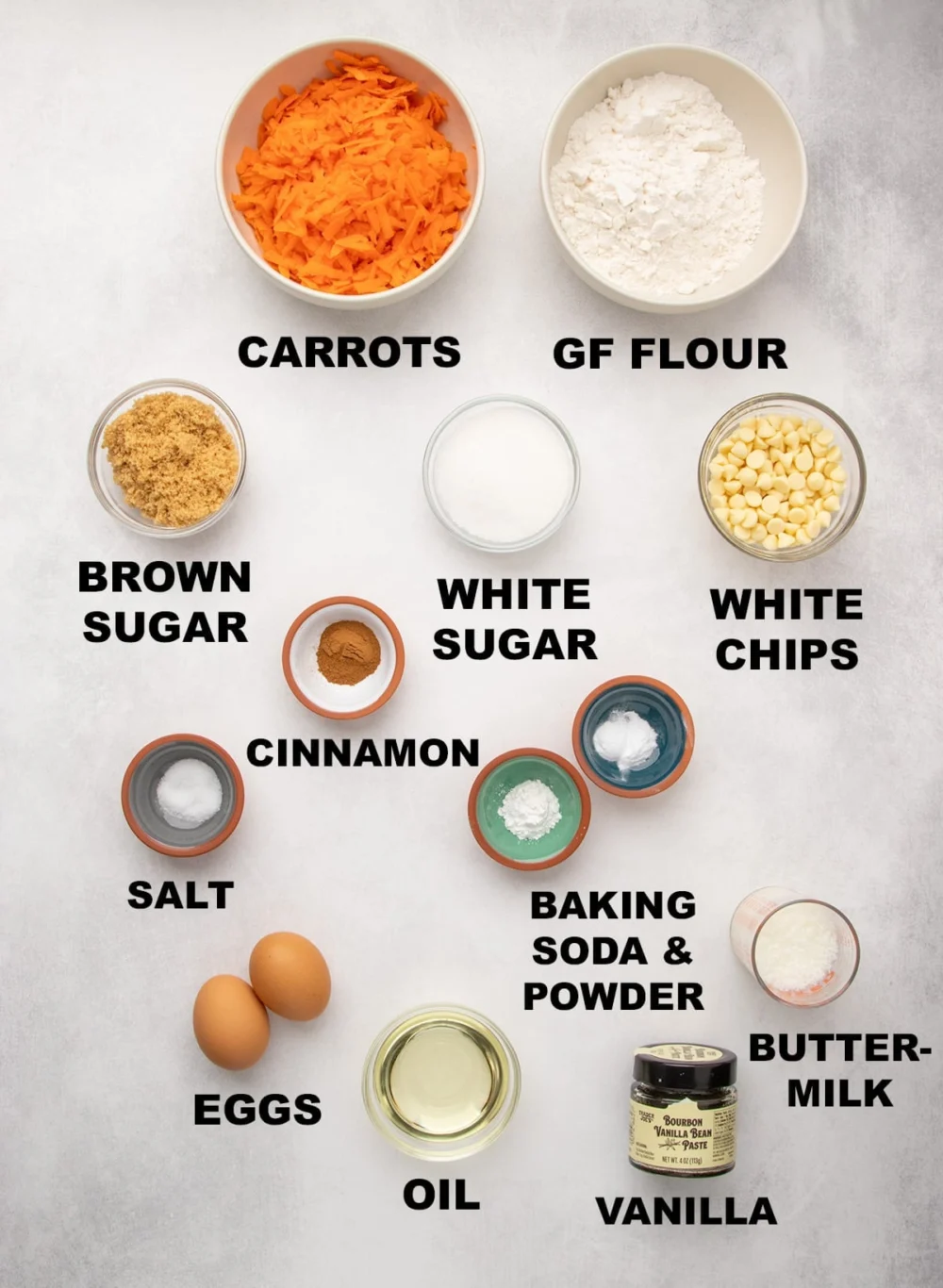
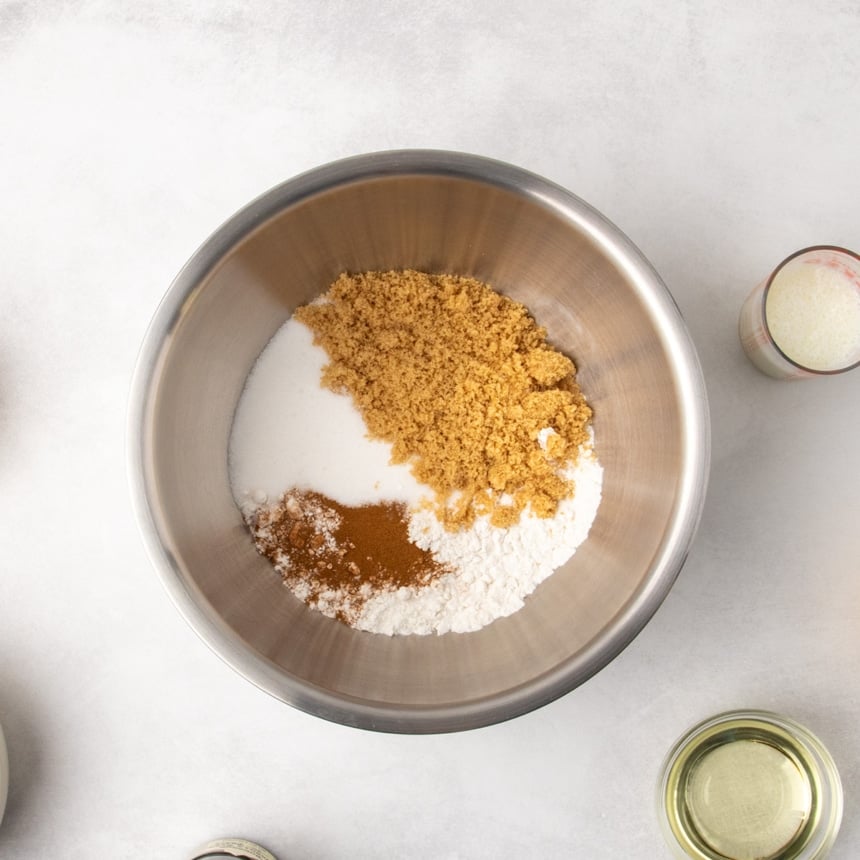
The initial step involves combining all the dry ingredients in a large mixing bowl. This includes the gluten-free flour blend, baking soda, baking powder, salt, cinnamon, granulated sugar, and brown sugar. It is essential to thoroughly whisk these ingredients together to ensure even distribution and to break up any lumps, particularly in the brown sugar, which can sometimes clump.
2. Incorporation of Wet Ingredients:
A well is created in the center of the dry ingredients, serving as a convenient reservoir for the wet components. Neutral oil, beaten eggs, buttermilk, and vanilla bean paste are added to this well. The mixture is then gently stirred until just combined. The batter will appear soft, a testament to the oil’s contribution to its liquid state at room temperature.
3. Adding the Mix-Ins:
Once the wet and dry ingredients are smoothly incorporated, the grated carrots and white chocolate chips are added. The batter is then mixed until these additions are uniformly distributed. Adding the carrots towards the end of the mixing process helps to ensure a consistent batter that bakes evenly.
4. Baking the Cupcakes:
Standard, lined 12-well cupcake tins are filled approximately three-quarters of the way with the prepared batter. This filling level is crucial for achieving a flat-topped cupcake, ideal for frosting, rather than a domed muffin top. If the cupcake wells are smaller, it’s advised to make additional cupcakes rather than overfilling, to maintain the desired baking profile. The cupcakes are then baked until a toothpick inserted into the center comes out clean, indicating they are fully cooked.
Expert Insights for Enhanced Baking
Beyond the core recipe, several expert tips can elevate the gluten-free carrot cake cupcake experience:

- Avoid Overfilling the Tin: As emphasized, cupcakes are designed to bake with a flat surface for optimal frosting coverage. Overfilling leads to domed tops, making frosting application more challenging. Adhering to the three-quarters full guideline is key.
- The Power of Coarse Grating: The recommendation to coarsely grate carrots is not arbitrary. It ensures that the carrot pieces contribute sweetness and texture without becoming mushy or releasing excessive moisture that could compromise the cupcake’s structure. The larger shreds soften beautifully while maintaining their integrity.
- Freshness is Key for Carrots: Pre-shredded carrots often contain anti-caking agents and may lack the optimal moisture content and sweetness of freshly grated carrots. For the sweetest and most flavorful results, it is recommended to grate carrots from their sweetest parts – the middle to the tapered end.
- Versatile Mix-Ins: While white chocolate chips are suggested, the recipe encourages creativity. Raisins, dried fruit, chopped nuts (pecans or walnuts), or even cinnamon chips can be used as alternatives. For precision, especially when substituting, measuring dry ingredients by weight is often more accurate than by volume.
- Simplified Frosting Options: For a streamlined approach, the recipe suggests using commercially available canned cream cheese frosting. Brands like Duncan Hines or Betty Crocker are often readily available and can save time without sacrificing the overall enjoyment of the cupcakes. This is particularly fitting for a recipe that prioritizes ease and deliciousness.
Ingredient Substitutions for Dietary Needs
Catering to various dietary restrictions is a common consideration in modern baking. This recipe offers thoughtful substitutions to accommodate common allergens.
- Dairy-Free Adaptations: To make the cupcakes dairy-free, the buttermilk can be replaced with a combination of dairy-free sour cream or Greek-style yogurt and an unflavored dairy-free milk, such as coconut or soy. Dairy-free white chocolate chips or other dairy-free alternatives like dried fruit or nuts can be used. For the frosting, readily available canned cream cheese frostings are often dairy-free and gluten-free, making them a convenient option.
- Egg-Free Alternatives: For those needing to omit eggs, several effective substitutes can be employed. Chia eggs (ground chia seeds mixed with water), commercial egg replacers like Bob’s Red Mill Egg Replacer, or liquid egg substitutes such as JustEgg can be used to maintain the binding and structural integrity of the cupcakes.
Storage and Enjoyment
The oil-based nature of these cupcakes allows for extended storage. They can be kept in a tightly sealed container in the refrigerator for up to five days. It is advisable to allow them to come closer to room temperature before serving to enjoy their optimal texture. For longer-term storage, unfrosted cupcakes can be frozen for up to three months, thawing at room temperature or briefly in the microwave. Frosted cupcakes can also be frozen, though they should be thawed at room temperature to preserve the frosting’s integrity.

These gluten-free carrot cake cupcakes represent a delightful fusion of classic comfort and modern dietary needs. By understanding the science behind their creation and employing a few key techniques, bakers can consistently produce a treat that is both satisfying and delicious, proving that gluten-free baking can indeed reach extraordinary heights of flavor and texture.
