

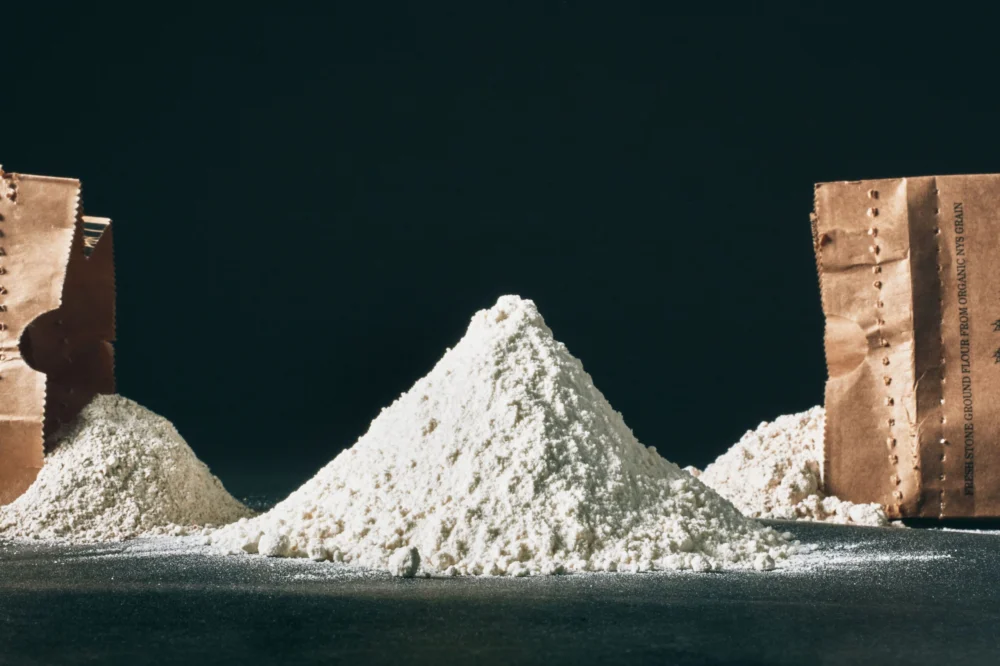
For home bakers and culinary enthusiasts, the question of flour’s longevity is a perennial concern, often sparked by the discovery of a forgotten bag in the pantry whose "best-by" date has long since passed. This common scenario leads many to wonder about the true perishability of this fundamental ingredient. While often perceived as an enduring staple, flour, like all agricultural products, is indeed perishable, susceptible to degradation that can compromise flavor, performance, and in some cases, even present health risks. The rate at which flour declines is a complex interplay of its type, composition, and crucially, its storage conditions. Expert insights, such as those from Sarah Jampel, recipe development and test kitchen manager at King Arthur Baking Company, underscore the importance of understanding these factors to minimize food waste and ensure optimal baking results. Jampel, a former Bon Appétit staffer, emphasizes a proactive approach to ingredient freshness, even repurposing expired flour from work to personal use when safe, demonstrating a commitment to informed culinary practices.
The Intrinsic Nature of Flour: An Agricultural Perspective
"Flour is an agricultural product," Jampel states, drawing a direct parallel to the inherent perishability of fresh produce like fruits and vegetables. This fundamental truth means that flour’s journey from field to pantry involves biological components that are subject to natural processes of decay. The primary culprits behind flour spoilage are oxidation, enzymatic activity, and microbial growth, all of which are influenced by environmental factors.
At its core, flour is a finely milled grain, typically wheat, but also rye, spelt, buckwheat, and various nuts or seeds. The composition of the grain dictates its susceptibility to spoilage. Grains consist of three main parts: the endosperm, the bran, and the germ.
- Endosperm: Primarily starch and protein (including gluten in wheat), the endosperm is the largest part of the grain. Refined flours, such as all-purpose or bread flour, consist almost entirely of the endosperm, with the bran and germ removed during processing. This removal significantly extends their shelf life because the most volatile components are absent.
- Bran: The outer layer of the grain, rich in fiber, minerals, and some B vitamins.
- Germ: The embryo of the grain, packed with essential fatty acids, B vitamins, and vitamin E. It is the high concentration of natural oils in the germ that makes whole grain flours more susceptible to rancidity.
When the bran and germ are retained, as in whole grain flours, the presence of these natural oils becomes a critical factor in determining shelf life. These oils can oxidize over time when exposed to air, light, and heat, leading to rancidity. This chemical process alters the flavor and aroma of the flour, making it undesirable for consumption.
Identifying Spoilage: Sensory Cues and Performance Indicators
Detecting spoiled flour relies primarily on sensory evaluation and observing changes in baking performance. A keen eye and nose are the baker’s best tools.
Visual Indicators:
One of the most immediate signs of spoilage is a change in the flour’s appearance. Fresh flour typically has a neutral, uniform color.
- Discoloration: Spoiled flour may appear faintly gray, yellowish, or duller than its original hue. This can be a sign of oxidation or mold development.
- Clumping: While some gluten-free flours, due to their high starch content, can naturally form clumps that are easily whisked out, persistent, hard clumps that resist breaking apart, especially if accompanied by an off-odor or visible webbing, can indicate moisture absorption or insect infestation.
- Mold: Any visible signs of mold, typically appearing as fuzzy spots of various colors (green, black, white), necessitate immediate disposal of the entire batch. Mold can produce mycotoxins, which are harmful even in small quantities.
- Insect Infestation: Flour is a prime target for pantry pests, including weevils, flour beetles, and pantry moths. These insects thrive in warm, humid environments and can lay eggs that hatch into larvae, which then consume the flour. Signs include tiny dark specks (the insects themselves or their droppings), webbing, or larvae. While some sources suggest sifting out insects and freezing the flour to kill eggs, many food safety guidelines recommend discarding heavily infested flour to avoid potential health risks from insect byproducts and to prevent further spread.
Olfactory Indicators:
The smell of flour is perhaps the most reliable indicator of its freshness. Fresh flour should have a mild, neutral, slightly sweet, or nutty aroma, depending on the type.
- Rancid Odor: This is particularly prevalent in whole grain or nut flours. Rancid flour often smells bitter, sour, like wet cardboard, stale nuts, old crayons, or even paint or Play-Doh. This distinct smell is a direct result of the oxidation of fats and oils within the flour.
- Musty or Moldy Odor: A musty smell indicates moisture absorption and potential mold growth, even if mold isn’t immediately visible.
- Unusual Odors: Any smell that deviates from the expected neutral aroma should be a red flag. Flour can absorb strong odors from its surroundings if not stored in an airtight container.
Taste Indicators (with extreme caution):
While taste can confirm rancidity, it is crucial to never taste raw flour directly to determine freshness. Raw flour can harbor dangerous pathogens like Salmonella and E. coli, which originate from the agricultural environment and are only destroyed through cooking. If, however, a baked good made with questionable flour exhibits an unpleasant bitter, soapy, or "off" taste, it is a strong indication that the flour was spoiled. Jampel reiterates that a bitter or soapy flavor is a definitive sign of rancidity.

Performance Indicators:
Beyond sensory cues, the performance of flour in baking can signal its decline.
- Suboptimal Leavening: In self-rising flour, the baking powder can lose potency over time, leading to cakes, biscuits, or other baked goods that fail to rise properly. Even in other flours, degradation of proteins can affect gluten development.
- Altered Dough Texture: Bread dough made with past-its-prime whole grain flours might feel different during kneading—less elastic, more crumbly, or difficult to work with.
- Changes in Baked Product: Cookies might spread excessively, cakes might have a denser crumb, or the overall texture of baked goods might be compromised. This is due to changes in the flour’s protein and starch structure, affecting its ability to absorb liquid and form proper structures.
Jampel notes that discerning these subtle performance shifts often requires a baker’s intuition developed through experience. When any of these signs are present, the consensus among experts is clear: the flour should be discarded, ideally composted if free of insects or mold.
Health and Safety Implications of Spoiled Flour
The risks associated with spoiled flour extend beyond mere culinary disappointment.
- Pathogens in Raw Flour: The most significant health risk comes from consuming raw flour, which, as an agricultural product, can be contaminated with bacteria like Salmonella and Shiga toxin-producing E. coli. These pathogens are destroyed by cooking, but ingesting raw dough or batter can lead to severe gastrointestinal illness. This is why food safety organizations like the FDA and CDC consistently advise against consuming raw cookie dough or cake batter.
- Rancid Fats: While the consumption of mildly rancid fats is generally not acutely toxic, it can lead to an unpleasant taste and digestive discomfort. Chronically consuming highly rancid foods could potentially contribute to oxidative stress in the body, though the quantities of rancid flour typically consumed in baked goods are usually small.
- Mycotoxins from Mold: If flour has visible mold, it must be discarded immediately. Molds on food can produce mycotoxins, toxic compounds that can cause a range of health problems, from acute illness to long-term chronic diseases, depending on the type and quantity consumed.
- Pantry Pests: While consuming insects or their byproducts in cooked food is generally not harmful, a heavily infested product is unhygienic and should be discarded to prevent further infestation of the pantry.
A Chronology of Flour’s Shelf Life: Understanding Variances
The "best-by" date on a package of flour serves as a general guideline, indicating when the product is expected to be at its peak quality. However, the actual longevity depends heavily on the flour type and storage.
- Refined Flours (All-Purpose, Bread, Cake, Pastry, 00 Flours):
- Typical Shelf Life: 12–18 months in a pantry.
- Explanation: These flours have the bran and germ removed, leaving mostly the stable endosperm. This significantly reduces their fat content, making them less prone to rancidity. Their primary concerns are moisture absorption, clumping, and insect infestation. When stored properly in cool, dry conditions, they offer the most forgiving shelf life among all flour types.
- Self-Rising Flour:
- Typical Shelf Life: Approximately 12 months in a pantry.
- Explanation: This flour is a blend of all-purpose flour, baking powder, and salt. The leavening agent, baking powder, is the limiting factor here. Baking powder relies on a chemical reaction to produce carbon dioxide gas, which diminishes over time, especially when exposed to moisture. Even if the flour itself is structurally sound, the leavening power will wane after the "best-by" date, leading to flat baked goods. Jampel cautions that proper rise cannot be guaranteed with expired self-rising flour. A simple test for baking powder’s efficacy is to mix a teaspoon with a small amount of hot water; if it bubbles vigorously, it’s still good.
- Whole Grain Flours (Whole Wheat, Rye, Spelt, Buckwheat, Millet, Oat Flours):
- Typical Shelf Life: 3–6 months in a pantry.
- Explanation: These flours retain the bran and germ, which are rich in natural oils and nutrients. While nutritionally superior, these oils are highly susceptible to oxidation, leading to rapid rancidity. The specific type of whole grain also influences the rate of spoilage; some grains have a higher fat content than others. Because of their volatility, colder storage is highly recommended for these flours.
- Nut and Seed Flours (Almond, Walnut, Coconut, Flaxseed Meal):
- Typical Shelf Life: 1–3 months in a pantry, significantly longer refrigerated or frozen.
- Explanation: These flours are derived from nuts or seeds, which are naturally very high in fats and oils. Consequently, they are the most prone to rancidity and have the shortest pantry shelf life. Coconut flour, made from pulverized dried coconut meat, also falls into this category due to its high fat content. Jampel specifically stresses the importance of heeding expiration dates for these flours, as their distinct "off" flavors when rancid (often described as wet cardboard or Play-Doh) will unmistakably carry through to any dish they are used in.
- Gluten-Free Flour Blends and Specialty Flours (Rice Flour, Tapioca Flour, Potato Starch):
- Typical Shelf Life: Varies widely, often 6-12 months in a pantry, depending on components.
- Explanation: Gluten-free blends often contain a mix of different flours and starches. The shelf life will depend on the most perishable component. Individual gluten-free flours like rice flour or tapioca starch are relatively stable due to their low fat content, similar to refined wheat flours. However, if a gluten-free blend contains nut flours or whole grains, its shelf life will be shorter. These flours are also prone to clumping due to their starch content, but as long as the clumps can be whisked out and there are no off-odors, they are generally fine to use.
Optimal Storage Strategies for Maximum Freshness
Proactive storage is the single most effective way to extend the life of your flour, preserve its quality, and prevent spoilage and pest infestations.
- Airtight Containers: The First Line of Defense
- Purpose: An airtight seal is crucial to protect flour from three primary threats: moisture, oxygen, and pests. Moisture can lead to clumping and mold growth, oxygen accelerates oxidation and rancidity, and a tight seal prevents insects from entering.
- Recommended Containers: Sturdy plastic containers with rubber gaskets, glass jars with tight-fitting lids, or food-grade buckets with gamma seal lids are ideal. Transferring flour from its original paper bag, which offers little protection, into one of these containers immediately upon purchase is a best practice.
- Cool, Dry, Dark Place: The Pantry Standard
- Temperature: Heat is a catalyst for oxidation and insect activity. Storing flour in a cool environment, ideally below 70°F (21°C), significantly slows down these processes. Avoid storing flour near heat sources like ovens, dishwashers, or sunny windows.
- Humidity: Moisture is flour’s enemy. A dry environment prevents clumping, mold, and bacterial growth. Basements or garages that are prone to humidity are generally unsuitable for long-term flour storage.
- Light: While less critical than temperature and humidity, direct sunlight can also contribute to oxidation, especially in clear containers. Storing flour in a dark pantry or cupboard is preferable.
- Refrigeration: Extending the Timeline
- Benefits: Refrigerating flour, especially whole grain, nut, and self-rising varieties, slows down the oxidation process, significantly extending its shelf life by several months. The cooler temperature also effectively deters common pantry pests like weevils and moths, as they prefer warmer conditions.
- Considerations: When refrigerating flour, it is paramount to transfer it to an airtight container. Flour readily absorbs moisture and odors from its environment. Storing it in an open bag in the fridge can lead to it picking up the scent of onions or garlic, or becoming damp and clumpy.
- Freezing: The Ultimate Long-Term Solution
- Benefits: For maximum preservation, especially for highly volatile flours like whole grain, nut, or coconut flours, the freezer is the best option. Freezing halts oxidation almost entirely and kills any potential insect eggs that might have been present in the flour upon purchase (a common occurrence, even in fresh bags). Many professional bakers and avid home cooks swear by freezing these more delicate flours to preserve their fresh flavor for up to a year or even longer.
- Storage in Freezer: For freezing, use heavy-duty zip-top freezer bags or vacuum-sealed bags, pressing out as much air as possible before sealing.
- Thawing and Usage: If flour has been chilled or frozen, it’s essential to allow it to return to room temperature before using it in baking recipes. Cold flour can affect the temperature of doughs and batters, potentially hindering yeast activity, altering gluten development, or causing other ingredients (like butter) to seize up, leading to uneven mixing. A few hours on the counter or overnight in the refrigerator (if frozen) is usually sufficient.
Broader Implications: Food Waste and Economic Impact
The issue of flour spoilage extends beyond individual baking mishaps. Food waste is a significant global concern, with considerable environmental and economic implications. In the United States, an estimated 30-40% of the food supply is wasted, contributing to landfill burdens and greenhouse gas emissions. While flour may seem like a minor contributor, the cumulative effect of discarded staples adds up. Understanding how to properly store flour and recognize the signs of spoilage directly empowers consumers to reduce household food waste, saving money and lessening their environmental footprint. The estimated economic loss from food waste in the U.S. alone runs into billions of dollars annually. By extending the usability of pantry staples, consumers contribute to more sustainable consumption patterns.
Conclusion: Trust Your Senses and Embrace Smart Storage
Ultimately, the decision to use or discard flour hinges on a combination of factors: the "best-by" date, the type of flour, its storage history, and sensory evaluation. While a "best-by" date passed does not automatically render flour unusable, it should prompt closer inspection. As Jampel and other food experts emphasize, listening to your senses is paramount. Flour that smells fresh and neutral, has a consistent appearance, and is free of pests is likely safe and effective to use. Conversely, any flour exhibiting sour, musty, or paint-like odors, significant discoloration, visible mold, or active insect infestation should be promptly discarded. Implementing robust storage practices—using airtight containers, maintaining cool and dry conditions, and leveraging refrigeration or freezing for more perishable types—is the most effective way to safeguard this essential ingredient, ensuring consistently delightful baking results and contributing to a more sustainable kitchen.
