

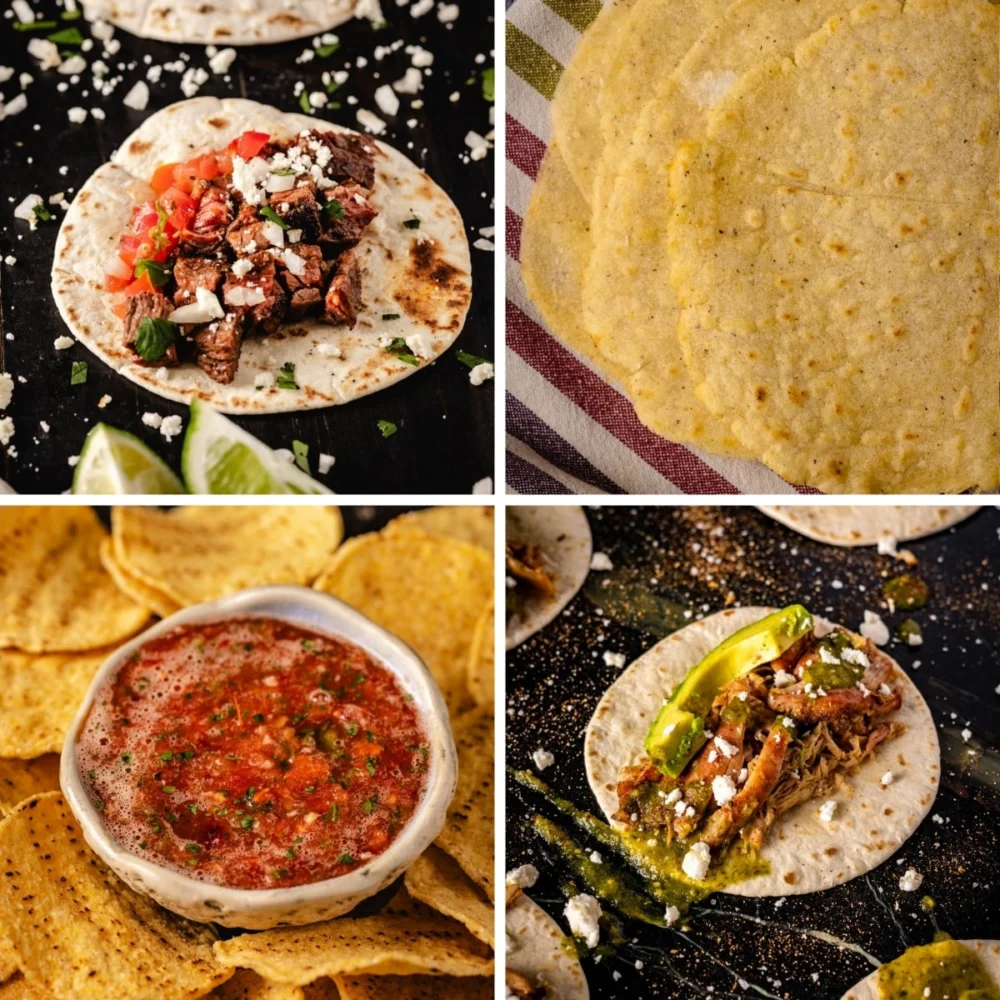
The contemporary landscape of domestic outdoor cooking has undergone a significant transformation, moving beyond traditional American barbecue staples toward a sophisticated integration of global cuisines, with Mexican-inspired taco bars emerging as a primary focus for culinary enthusiasts. This shift, characterized by a transition from pre-packaged ingredients to "from-scratch" artisanal production, reflects a broader consumer trend toward culinary authenticity and technical mastery in the backyard setting. Industry experts note that the preparation of complex dishes such as smoky beef barbacoa, citrus-infused chile lime chicken, and traditional al pastor on residential grilling equipment represents a democratization of pitmaster-level skills. This evolution is supported by a growing infrastructure of digital resources, specialized seasonings, and communal knowledge sharing that has redefined the "taco night" concept from a simple weekly routine into a high-level culinary event.
The Historical and Technical Evolution of the Taco
To understand the current popularity of grilled tacos in a domestic setting, one must examine the historical trajectory of the dish and its adaptation to outdoor cooking technology. The taco, originating in Mexican silver mines in the 18th century, was initially a portable meal for laborers. Its transition into the American mainstream occurred in the early 20th century, but the "grill-centric" approach is a more recent development tied to the rise of high-performance pellet grills, ceramic kamados, and offset smokers.

The technical requirements for an authentic taco experience involve a synthesis of heat management and moisture retention. For instance, the preparation of beef barbacoa—traditionally cooked in underground pits lined with agave leaves—has been adapted for the modern smoker. By utilizing low-and-slow thermal cycles, home cooks can achieve the necessary collagen breakdown in tough cuts like beef cheek or chuck roast, mimicking the results of ancient pit-cooking methods. Similarly, the adaptation of al pastor, which historically utilizes a vertical rotisserie (trompo) influenced by Lebanese immigrants to Mexico, has seen a resurgence in backyard settings through the use of vertical skewers and indirect heat applications on standard kettle grills.
The Foundation of Authenticity: Tortilla Production and Nixtamalization
A critical component of the "from-scratch" movement in outdoor cooking is the domestic production of tortillas. Journalistic analysis of culinary trends indicates a sharp increase in the procurement of tortilla presses and specialized flours among home grillers. The choice between corn and flour tortillas is not merely a matter of preference but a reflection of regional Mexican culinary history.
Corn tortillas, the traditional staple of Central and Southern Mexico, rely on the process of nixtamalization—soaking corn in an alkaline solution to improve nutritional value and flavor. In the context of backyard grilling, the application of direct flame to a fresh corn tortilla creates a specific char and texture that commercial, shelf-stable products cannot replicate. Conversely, the flour tortilla, more prevalent in Northern Mexican and Tex-Mex traditions, offers a different structural profile, utilizing fats like lard or shortening to achieve a soft, pliable consistency that complements heavier, smokier meats. The integration of these foundational elements into the grilling process marks a departure from convenience-based cooking toward a more labor-intensive, albeit rewarding, gastronomic practice.

Chemical Composition and Flavor Profiles of Specialized Rubs
The success of grilled Mexican cuisine is heavily dependent on the chemical interaction between dry rubs and protein surfaces. The "Fiesta Rub," a cornerstone of the Hey Grill Hey methodology, serves as a case study in balanced flavor profiles. Professional analysis of such seasonings reveals a strategic combination of savory depth, acidity, and heat.
Key components typically include:
- Cumin and Chili Powder: Providing the earthy, aromatic base that defines traditional taco flavor.
- Citric Acid or Dried Lime Peel: Essential for providing "brightness," which cuts through the heavy fats of smoked meats.
- Capsaicin Sources: Utilizing various dried peppers (such as ancho, guajillo, or chipotle) to provide a layered heat profile rather than a singular spicy note.
When these rubs are applied to meats and subjected to the Maillard reaction—a chemical reaction between amino acids and reducing sugars that gives browned food its distinctive flavor—the result is a complex crust (or "bark") that is essential for the textural contrast required in a high-quality taco.

Quantitative Analysis of the Outdoor Cooking Market
The move toward elaborate taco nights is supported by robust economic data within the hearth and patio industry. According to the Hearth, Patio & Barbecue Association (HPBA), the grilling industry saw a significant surge in consumer investment over the last five fiscal years. Market research indicates that 70% of households in the United States own a grill or smoker, and a growing segment of these owners identifies as "experimental" cooks who seek to replicate international cuisines.
The economic impact extends to the spice and seasoning market, which is projected to reach a global valuation of $25 billion by 2027. This growth is driven largely by the demand for "authentic" and "fusion" flavor profiles, such as those found in Mexican-inspired BBQ rubs. Furthermore, the "DIY" (Do-It-Yourself) food movement has spurred sales in ancillary equipment, including cast-iron comals for tortilla toasting and specialized wood chunks for specific smoke profiles, such as pecan or mesquite, which are traditionally paired with Southwestern flavors.
Official Perspectives on the "Backyard Hero" Phenomenon
Susie Bulloch, founder of the "Hey Grill Hey" platform and a prominent figure in the BBQ community, has frequently articulated the philosophy behind this culinary shift. While her public communications are often designed for a hobbyist audience, the underlying message is one of empowerment through technical proficiency. Bulloch emphasizes that the "Backyard BBQ Hero" status is achieved not through expensive equipment, but through the mastery of the three pillars of outdoor cooking: temperature control, flavor layering, and patience.

Industry analysts suggest that figures like Bulloch have played a pivotal role in "demystifying" complex recipes. By breaking down the preparation of salsas, tortillas, and smoked proteins into manageable steps, these platforms have lowered the barrier to entry for high-level home cooking. This has led to a shift in social dynamics, where the "taco bar" serves as a communal centerpiece, allowing for a customizable dining experience that accommodates various dietary preferences while maintaining a unified culinary theme.
Broader Impact and Cultural Implications
The rise of the sophisticated backyard taco bar has broader implications for American food culture. It represents a synthesis of the American tradition of the "cookout" with a deeper respect for the techniques and ingredients of Mexican heritage. This cultural exchange is facilitated by the digital age, where recipes and techniques are shared across social media platforms like Instagram and YouTube, creating a global feedback loop of culinary innovation.
Furthermore, the emphasis on "from-scratch" cooking has health and sustainability implications. By preparing tortillas and seasonings at home, consumers reduce their reliance on preservatives and highly processed ingredients found in commercial alternatives. This trend aligns with the "slow food" movement, which advocates for a more mindful approach to food preparation and consumption.

As the outdoor cooking season continues to expand beyond the traditional summer months, the versatility of the taco—equally suited for a light summer lunch or a hearty winter breakfast—ensures its permanence in the backyard repertoire. The transition from "Taco Tuesday" as a convenience-based meal to a weekend-long culinary project signifies a new era of domestic epicureanism, where the grill serves as a bridge between tradition and innovation.
In conclusion, the evolution of taco night on the grill is a multifaceted phenomenon involving historical adaptation, chemical science, and economic shifts. By focusing on the foundational elements of the dish and embracing the technical challenges of outdoor cooking, home enthusiasts are not merely preparing a meal; they are participating in a sophisticated culinary tradition that continues to redefine the boundaries of the modern backyard.
