

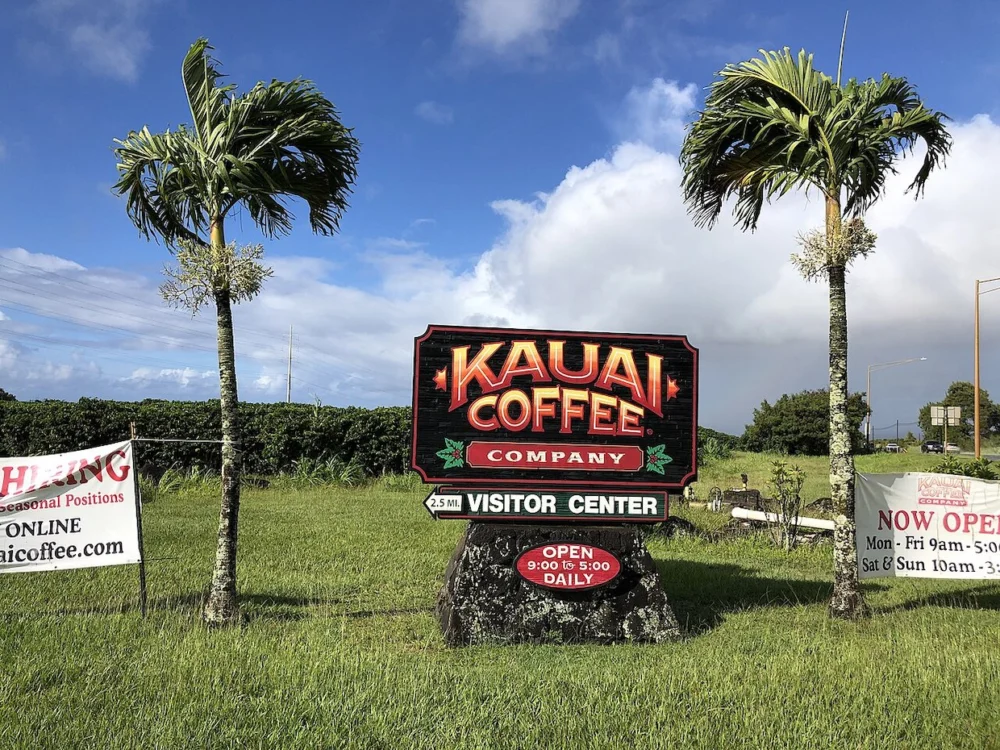
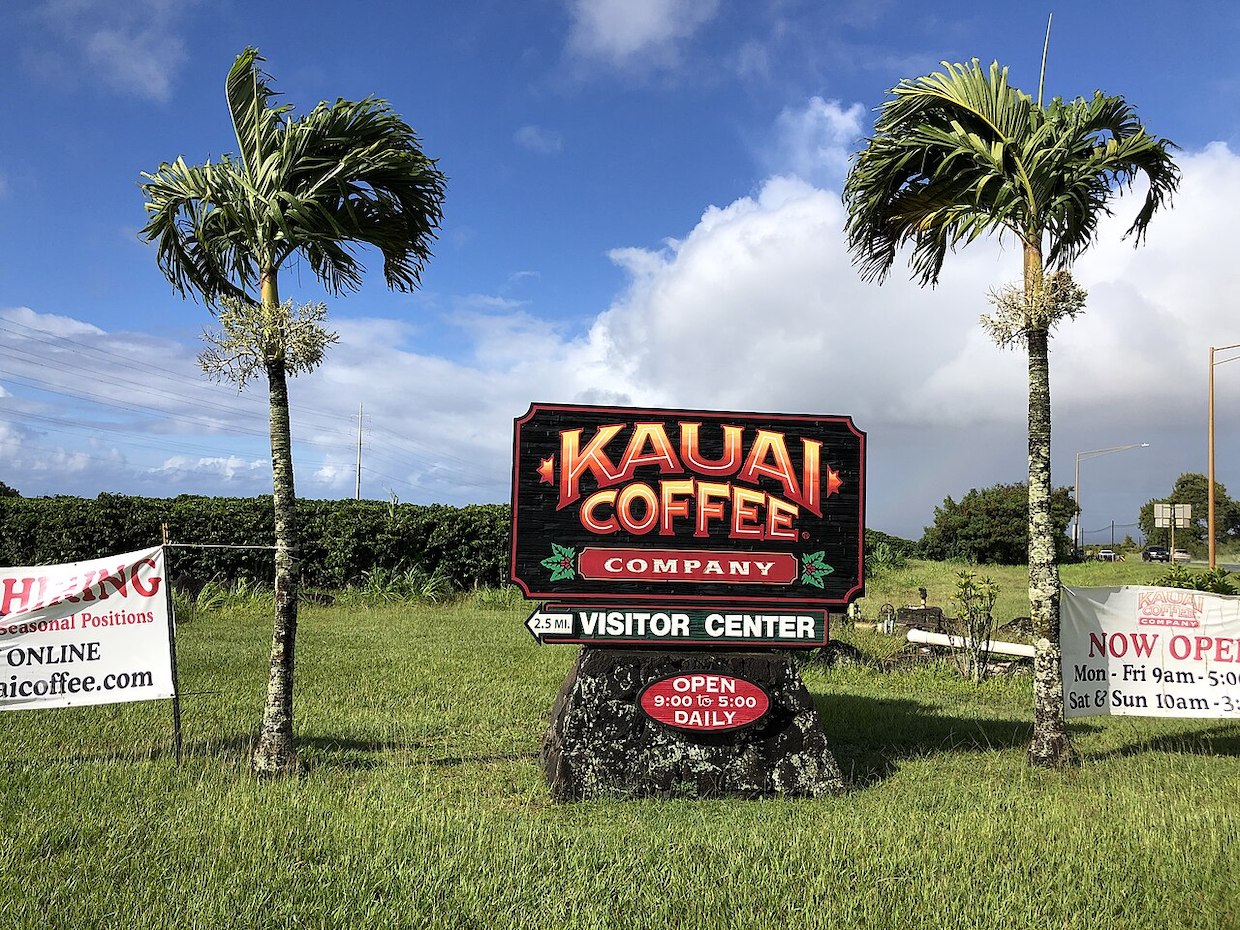
The largest coffee farm in the United States, Kauai Coffee, has announced an extension of its potential workforce reductions, delaying the termination of up to 136 employees. This decision comes as negotiations for a crucial land lease with landowner Brue Baukol Capital Partners remain ongoing. The updated Worker Adjustment and Retraining Notification (WARN) notice now pushes the potential layoff period from March 14-28 to April 18-May 2. This extension provides a critical window for the company, owned by Massimo Zanetti Beverage USA, to secure its operational future on the Hawaiian island.
Background and Timeline of the Kauai Coffee Situation
The specter of layoffs at Kauai Coffee first emerged in January 2026 when the company issued an initial WARN notice, signaling potential job losses for 141 workers. This action was directly linked to the impending expiration of the company’s long-term lease for its extensive coffee-growing lands. The lease, a fundamental component of Kauai Coffee’s operations, was set to conclude, necessitating a renewal or a significant shift in strategy.
Kauai Coffee, a prominent agricultural entity on the island, has been a significant employer and a symbol of coffee cultivation in the United States. Its operations encompass over 3,100 acres, making it the largest coffee estate in the nation. The company has a history of producing a variety of coffee beans, contributing to both the domestic and international coffee markets.
The lease negotiations with Brue Baukol Capital Partners, the landowner, are reportedly complex. While specific details of the discussions have not been publicly disclosed, the extended timeline suggests a period of intensive dialogue and potential recalibration of terms. The outcome of these negotiations is of paramount importance not only to the employees of Kauai Coffee but also to the local economy of Kauai, which benefits from the jobs and economic activity generated by the farm.
Massimo Zanetti Beverage USA, the parent company, has a global footprint in the coffee industry, and the operational continuity of its U.S.-based flagship farm is a strategic priority. The delay in layoffs indicates a commitment to finding a resolution that allows the farm to continue its operations, albeit potentially under revised lease terms.
Analysis of Implications
The extension of the layoff notice offers a glimmer of hope for the affected employees and the wider Kauai community. It suggests that both parties are actively seeking a mutually agreeable solution. However, the uncertainty remains a significant concern. The prolonged negotiation period could still lead to adjustments in workforce size or operational scope if a favorable lease agreement cannot be reached.
The coffee industry is inherently sensitive to land availability and cultivation costs. For a large-scale operation like Kauai Coffee, lease terms directly impact its cost of production and its ability to remain competitive. The involvement of a significant real estate investment firm like Brue Baukol Capital Partners suggests a potential shift in how agricultural land is valued and utilized, a trend that could have broader implications for agricultural operations in regions with high land values.
Legal Developments: Tariff Refund Claims and IEEPA
In a separate but significant development for businesses involved in international trade, the law firm McSweeney Langevin, LLC, has announced its intention to represent importers and businesses seeking refunds for tariffs collected under the International Emergency Economic Powers Act (IEEPA). This initiative follows a landmark U.S. Supreme Court decision on February 20, 2026, which struck down certain tariffs imposed under IEEPA.
Background of IEEPA Tariffs and the Supreme Court Ruling
The International Emergency Economic Powers Act (IEEPA) grants the President broad authority to regulate international commerce in times of declared national emergency. Over the years, various administrations have utilized IEEPA to impose tariffs and sanctions on goods from specific countries or in response to perceived national security or economic threats. These tariffs can significantly increase the cost of imported goods, impacting businesses that rely on international supply chains.
The specific tariffs in question, which led to the Supreme Court case, were part of a broader trade policy that aimed to exert economic pressure on certain nations. The legal challenge likely argued that these tariffs exceeded the scope of presidential authority granted by IEEPA or were implemented without proper justification. The Supreme Court’s decision, by invalidating these tariffs, has opened the door for businesses to reclaim substantial amounts of money previously paid in duties.
Scale of Tariffs Collected
According to related court filings cited by Reuters, U.S. Customs and Border Protection has indicated that it collected approximately $166 billion in duties and deposits under these IEEPA tariffs. This figure underscores the significant financial impact these tariffs have had on American businesses and the substantial sums that could be eligible for refund. The law firm’s proactive outreach suggests a coordinated effort to assist businesses in navigating the complex process of claiming these refunds.
Implications for Businesses
For importers and businesses that have paid these IEEPA tariffs, the Supreme Court’s ruling presents a crucial opportunity for financial recovery. The legal process for claiming refunds can be intricate, involving specific deadlines and documentation requirements. Law firms specializing in international trade law, like McSweeney Langevin, LLC, are positioning themselves to guide businesses through this process, aiming to recover funds that were paid under what the Supreme Court deemed unlawful imposition. This development could provide a significant financial boost to numerous companies affected by these tariffs.
Tragic Loss in the Coffee Community: Founders of Frinj Coffee Die from Carbon Monoxide Poisoning
The coffee world mourns the untimely deaths of John “Jay” Ruskey and Kristen Ruskey, the founders of Frinj Coffee. The Santa Barbara Independent has reported that the couple tragically passed away due to carbon monoxide poisoning. The incident occurred at a home in Cambria, California, where they were found on February 8, 2026, following an accidental leak.
Background of Frinj Coffee and the Ruskeys
Jay and Kristen Ruskey were recognized as pioneers in the California coffee scene, particularly for their innovative approach to coffee cultivation and production. Frinj Coffee, their venture, was known for its commitment to sustainable practices and its focus on growing coffee cherries in unique microclimates. They were instrumental in advocating for and developing coffee farming in regions of California that were not traditionally considered coffee-growing areas.
Their work extended beyond simply growing coffee; they were deeply involved in educating consumers and the industry about the complexities of coffee production, from seed to cup. Their passion and dedication had a significant impact on the burgeoning specialty coffee movement in California.
The Incident and its Aftermath
The accidental carbon monoxide leak at their Cambria residence led to their deaths, a shocking event that sent ripples of sadness through the coffee community. The official cause of death, determined to be carbon monoxide poisoning, highlights the dangers of faulty appliances or ventilation systems, even in seemingly safe environments. The discovery of their bodies on February 8th marked the beginning of a period of mourning for those who knew and admired them.
The legacy of Jay and Kristen Ruskey is one of innovation, passion, and a deep love for coffee. Their contributions to the industry, particularly in expanding the possibilities of coffee cultivation in new regions, will be remembered. The tragedy serves as a somber reminder of the importance of safety and the unexpected circumstances that can impact lives.
New Literary and Technological Developments in the Coffee Sphere
Morgan Eckroth Unveils "Coffee, For Here" and Opens Preorders
Morgan Eckroth, the celebrated 2022 U.S. Barista Champion, has announced the upcoming release of her new book, "Coffee, For Here." Preorders for the publication are now open, positioning the book as a comprehensive guide for home coffee enthusiasts. The book aims to demystify the art of at-home coffee preparation, covering a wide range of topics including various brewing methods, the rich history of coffee, and recipes for crafting cafe-style beverages. A notable feature of "Coffee, For Here" includes QR codes that link to video tutorials, offering step-by-step guidance on specific techniques and drink preparations, thereby enhancing the practical learning experience for readers.
Ikape Launches K2 PRO Portable Espresso Machine with Advanced Features
Ikape has officially announced the global release of its latest innovation in portable coffee technology: the K2 PRO portable espresso machine. This new device is designed to bring professional-standard espresso extraction to users on the go. Key features of the K2 PRO include seamless Bluetooth app connectivity, allowing for remote control and monitoring. It is also compatible with standard 58-millimeter commercial espresso baskets, a significant advantage for those accustomed to professional equipment. The machine boasts advanced controls, including pre-infusion capabilities, and user-adjustable parameters such as extraction temperature and time, offering a high degree of customization for optimal espresso results.
Urban Coffee Cultivation Expands in Sao Paulo
In a testament to the evolving landscape of coffee production, Reuters has reported that Brazil’s Biological Institute has augmented its "world’s largest urban coffee plantation" in Sao Paulo’s Vila Mariana neighborhood with an additional 1,500 coffee plants. This pioneering initiative focuses on studying the resilience of coffee plants to various environmental pressures, including pests, coffee rust, drought, and the broader impacts of climate change. The research conducted at this unique urban farm aims to develop more robust coffee varieties, a critical endeavor in ensuring the future sustainability of coffee cultivation in the face of a changing global climate.
Artistic Expressions of Coffee Origins at The Crown
Oakland-based green coffee company Royal Coffee is hosting an engaging public photography exhibit at its venue, The Crown. The exhibit showcases the work of nine photographers who are either living in or working within coffee-producing countries. This initiative not only highlights the visual artistry associated with coffee origins but also serves a philanthropic purpose. Participating photographers have committed to donating a portion, or in some cases all, of the proceeds from their artwork sales to Grounds for Health, a non-profit organization dedicated to improving women’s health in coffee-growing communities. Royal Coffee has also been spearheading a related fundraising campaign for Grounds for Health throughout March, further underscoring its commitment to supporting the communities that produce the coffee it sources.
Sponsorships Announced for the 2026 U.S. Barista Championship
The organizers of the U.S. Coffee Championships have confirmed key sponsorships for the upcoming 2026 U.S. Barista Championship, scheduled to be held in Denver. Dalla Corte North America has been named the official machine sponsor, providing the advanced espresso equipment for the competition. Complementing this, Franke Coffee Systems will serve as the official calibration machine sponsor, featuring their Mytico line. These partnerships ensure that the competitors will have access to high-quality, state-of-the-art machinery, essential for showcasing their skills at the highest level of professional barista competition.
Westrock Coffee Company Reports Financial Performance and Future Outlook
Westrock Coffee Company has released its financial results for the fourth quarter and the full year of 2025, alongside an updated outlook for 2026. The company reported net sales of $1.2 billion for the fiscal year 2025, representing a substantial increase of 39.8% compared to the previous year. Despite this significant revenue growth, Westrock Coffee also reported a net loss of $90.4 million for the same period. The company’s financial disclosures provide insight into its operational scale and its performance within the competitive coffee and beverage ingredient sector. Further details on the 2026 outlook are expected to provide context for the company’s strategic direction and growth expectations in the coming year.
Bellwether Coffee Expands Green Coffee Marketplace and Global Reach
Bellwether Coffee, a manufacturer of electric roasting equipment, has announced a significant expansion of its Green Coffee Marketplace. The platform now features over 30 different coffees, offering a broader selection to its customers. In addition to this domestic expansion, Bellwether has also launched a European Marketplace, extending its service to international markets. The company reports serving customers in 40 U.S. states and 26 countries worldwide. This growth reflects a broader trend in the coffee industry towards decentralized roasting and greater access to a diverse range of green coffee beans.
Recent Highlights from Daily Coffee News
In recent weeks, Daily Coffee News has covered a variety of significant topics within the coffee industry. An opinion piece explored the growing scrutiny of sugar-laden coffee beverages and their potential implications within regulatory frameworks. In a major industry move, Royal Cup Coffee & Tea announced its intention to acquire Farmer Brothers Coffee Co. in an all-cash transaction, a deal that would take the publicly traded company private.
The community-focused cafe Coffee Confessionals in Los Angeles was highlighted for its emphasis on creativity and connection. Research into the potential use of coffee pulp powder as a fat replacement in beef burgers also garnered attention, showcasing innovative approaches to sustainability and food science. Intelligentsia Coffee made headlines for opening its first drive-through location in Santa Monica, catering to the demand for convenience.
A USDA report projected continued growth for Brazilian specialty coffee, despite facing market volatility and supply chain challenges. Finally, the United Nations officially designated October 1st as International Coffee Day, granting formal global recognition to the established holiday. These stories collectively paint a picture of a dynamic and evolving coffee industry, marked by innovation, consolidation, community initiatives, and significant global trends.
