

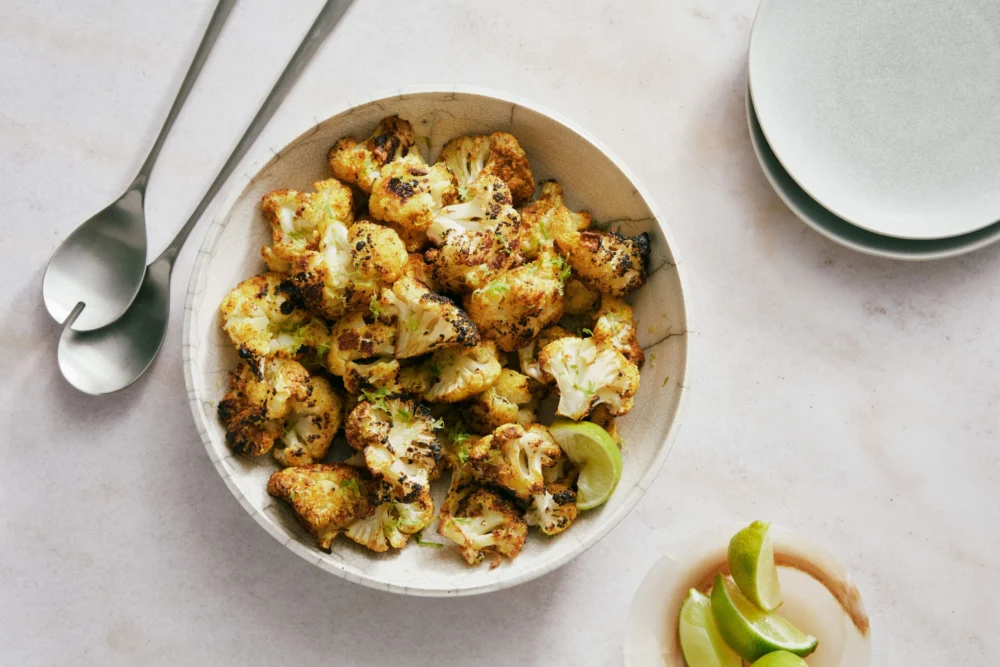
This innovative adaptation, drawing profound inspiration from the traditional Northern Indian dish Gobi Tikka, represents a sophisticated fusion of time-honored flavors and contemporary culinary techniques. At its core, the preparation involves a rich, yogurt-based marinade designed to tenderize and deeply infuse cauliflower florets with a bold, aromatic profile, ultimately yielding a dish distinguished by its complex spices and appealing caramelization. The marinade, a carefully balanced blend of fresh garlic, potent ginger, and a selection of warm, fragrant spices such as Garam Masala and Kashmiri chile powder, ensures a comprehensive coating for every nook and cranny of the vegetable. This meticulous application is crucial for facilitating the Maillard reaction during cooking, which contributes significantly to the desired browning and flavor development.
The cooking methodology is engineered to replicate the intense heat dynamics of a traditional tandoor oven, albeit within the confines of a conventional kitchen. By employing a moderately high temperature, the cauliflower florets are allowed to soften adequately while simultaneously developing a vibrant, caramelized exterior. A strategic, brief exposure to a broiler at the culmination of the cooking process adds an extra dimension of char, mimicking the direct flame effects of a tandoor. The final flourish, a squeeze of fresh lime juice, serves not merely as a garnish but as a critical balancing agent, cutting through the richness of the spices and brightening the overall flavor profile, thereby enhancing the dish’s complexity and invigorating the palate.
The Culinary Heritage: Gobi Tikka and the Tandoor
To fully appreciate the nuanced adaptation of tandoori-style roasted cauliflower, it is essential to delve into its rich culinary lineage. Gobi Tikka, literally meaning "cauliflower pieces," is a celebrated vegetarian staple originating from the vibrant gastronomic traditions of Northern India, particularly prominent in regions such as Punjab and Uttar Pradesh. It embodies a culinary philosophy where vegetables are elevated to central roles, meticulously marinated and cooked to perfection, often alongside its more universally recognized counterpart, Paneer Tikka. This dish is a testament to the hearty, flavor-packed vegetarian cuisine that forms a cornerstone of many Indian households, showcasing how humble ingredients can be transformed into exquisite dining experiences.
The inspiration for the "tandoori-style" designation stems directly from the tandoor, a cylindrical clay or metal oven that has been an indispensable component of South Asian, Central Asian, and Middle Eastern culinary landscapes for millennia. Archaeological evidence suggests the use of tandoor-like structures dates back over 5,000 years to the ancient Indus Valley Civilization, highlighting its enduring legacy. Traditionally fueled by charcoal or wood, the tandoor is capable of achieving extraordinarily high internal temperatures, often exceeding 900°F (480°C). This unique cooking environment, characterized by both radiant heat from the clay walls and convection heat from the burning fuel, cooks food rapidly and evenly. The intense heat imparts a distinctive smoky flavor and a desirable crispy exterior, all while sealing in moisture, resulting in exceptionally tender interiors. Famous for iconic dishes such as tandoori chicken, a vast array of flatbreads including naan and roti, and various kebabs, the tandoor’s influence has transcended geographical boundaries, significantly shaping global perceptions of Indian cuisine. Consequently, the term "tandoori-style" refers to a specific culinary approach involving characteristic marination—typically a yogurt and spice blend—and the pursuit of the resultant charring, aiming to replicate the unique effects of a tandoor using more accessible conventional ovens.
The Science and Art of Tandoori-Style Roasting
The preparation of tandoori-style roasted cauliflower is underpinned by both culinary artistry and scientific principles. The choice of yogurt, particularly Greek yogurt due to its significantly reduced whey content, is paramount. Its thick, viscous texture ensures a robust and adhesive coating that clings effectively to the cauliflower florets. Beyond its textural contribution, the lactic acid present in yogurt acts as a mild tenderizer, gently breaking down the vegetable fibers to achieve a desirable mouthfeel. Concurrently, the yogurt serves as an excellent emulsifying base, allowing the fat-soluble flavor compounds from the spices to distribute evenly and infuse deeply into the cauliflower.
The roasting process, typically conducted in an oven preheated to 400-425°F (200-220°C), initiates the critical Maillard reaction. This complex chemical reaction between amino acids and reducing sugars is responsible for the formation of hundreds of distinct flavor compounds, leading to the desirable browning, savory notes, and rich aroma characteristic of roasted foods. The high heat ensures that moisture on the surface evaporates quickly, promoting efficient browning rather than steaming. Following the initial roasting, a brief interval under a preheated broiler provides the final, essential char. This direct, intense heat caramelizes sugars and slightly burns the yogurt-spice coating, creating smoky, blackened edges that replicate the distinctive char imparted by a traditional tandoor, adding depth and complexity to the dish. The final squeeze of lime is not merely an aesthetic choice; the acidity of the lime juice provides a bright counterpoint to the richness of the yogurt and the warmth of the spices, elevating the aromatic profile and creating a more balanced and invigorating flavor experience.
Ingredient Spotlight: The Flavor Foundation
The distinct character of tandoori-style roasted cauliflower relies heavily on its carefully selected ingredients, particularly the spices and the choice of yogurt.
-
The Role of Yogurt: Tenderization and Texture: The use of Greek yogurt is a deliberate culinary choice due to its inherent thickness. Unlike regular yogurt, which contains a higher percentage of water, Greek yogurt is strained, resulting in a denser, more concentrated product. This allows for a robust, adhesive coating that not only adheres tenaciously to the cauliflower florets but also prevents the marinade from becoming watery during cooking, which would lead to steaming rather rather than roasting and caramelization. The lactic acid in the yogurt also plays a dual role: it provides a subtle tang that brightens the overall flavor profile, creating a tangy counterpoint to the warm spices, and acts as a mild tenderizer, gently breaking down the cauliflower’s cell walls for a more yielding texture. For home cooks opting for regular yogurt, the pragmatic step of straining it in a fine-mesh sieve or cheesecloth for approximately 30 minutes is crucial to remove excess liquid, ensuring the marinade achieves the necessary consistency for optimal coating and subsequent caramelization.
-
Aromatic Spices: Garam Masala and Kashmiri Chile: Garam Masala, a term that translates to "warm spice mix," is a foundational element of North Indian cuisine. While its precise composition is often a closely guarded family secret and varies significantly by region, common ingredients typically include black peppercorns, cloves, cinnamon, green and black cardamom, nutmeg, bay leaves, and cumin. It is generally added towards the end of the cooking process or as a finishing spice to preserve its volatile aromatic compounds, imparting a complex, fragrant warmth rather than overt heat. The blend is designed to warm the body and stimulate digestion. Kashmiri chile powder, sourced from the picturesque Kashmir region of India, is highly prized for its vibrant red hue and remarkably mild heat profile. Its low Scoville rating makes it an ideal ingredient for imparting a beautiful, deep crimson color to dishes without overwhelming the palate with excessive spiciness. This characteristic is crucial for achieving the visually stunning aesthetic often associated with tandoori dishes, while ensuring the dish remains accessible to individuals with a lower tolerance for heat. In instances where Kashmiri chile powder is unavailable, non-smoked paprika can serve as a suitable substitute for color, though the nuanced, slightly fruity flavor profile of Kashmiri chile will be subtly altered.
Mastering the Technique: Practical Tips for Home Cooks
Achieving consistently excellent results with tandoori-style roasted cauliflower in a home kitchen requires attention to several key technical details.
-
Achieving Optimal Texture and Color: The precise cooking temperature is paramount. A moderately high oven temperature, typically between 400°F and 425°F (200°C and 220°C), ensures that the cauliflower softens thoroughly while allowing its exterior to develop a rich, appealing color through the Maillard reaction. This balance is critical; too low a temperature will result in a steamed, rather than roasted, texture, while too high may burn the exterior before the interior is tender. If the cauliflower reaches the desired tenderness but lacks sufficient char or deep browning, a brief interval of 1-2 minutes under a preheated broiler can introduce the characteristic smoky, blackened edges. However, vigilance during broiling is absolutely essential, as the yogurt-spice coating can scorch very quickly under intense direct heat, transitioning from perfectly charred to burnt in a matter of seconds.
-
The Power of Preparation: Marination Strategies: Marination is not merely a step for flavor absorption but also a crucial component for texture development. Tossing the cauliflower with the yogurt mixture up to eight hours in advance and then refrigerating it allows the flavors to meld deeply, and the yogurt’s lactic acid to exert its tenderizing effects. This extended contact ensures a more profound flavor penetration and a softer final texture. Before roasting, it is advisable to allow the marinated cauliflower to sit at room temperature for about 15-30 minutes while the oven preheats. This practice promotes more even cooking and prevents a sudden drop in oven temperature when the cold cauliflower is introduced, which could prolong cooking time and result in a less desirable, unevenly cooked texture.
-
Ingredient Selection: Yogurt and Chile Choices: The strategic choice of Greek yogurt is primarily driven by its inherent thickness and lower moisture content. Should regular yogurt be the only available option, the non-negotiable step of straining it is vital to achieve the desired consistency for optimal coating and subsequent caramelization. Regarding chile powder, understanding Kashmiri chile’s primary role as a source of vibrant color and mild warmth allows for informed substitutions. While non-smoked paprika can mimic the color, the unique, subtle flavor notes of Kashmiri chile will naturally be somewhat altered. For those seeking more heat, a small amount of cayenne pepper or a spicier red chile powder could be judiciously added, though this would deviate from the traditional mild heat profile of Kashmiri chile.
Nutritional Profile and Dietary Relevance
Tandoori-style roasted cauliflower offers a compelling nutritional profile, aligning perfectly with contemporary dietary trends. Cauliflower itself is a powerhouse cruciferous vegetable, rich in essential vitamins C and K, dietary fiber, and a diverse array of antioxidants, including glucosinolates and isothiocyanates, which are known for their anti-inflammatory and potential cancer-fighting properties. It contributes significantly to overall health, supports digestive regularity, and aids in various metabolic processes. The yogurt base further enhances the nutritional value by providing beneficial probiotics, which are vital for gut health, alongside a good source of protein and calcium. The spices incorporated into the marinade—ginger, garlic, and the components of Garam Masala—are not merely flavor enhancers but also possess their own array of health-promoting properties, ranging from anti-inflammatory and antioxidant effects to immune-boosting capabilities. This dish, therefore, aligns seamlessly with the increasing global emphasis on plant-based diets, offering a flavorful, satisfying, and nutrient-dense option suitable for vegetarians, vegans (with an appropriate plant-based yogurt substitute), and omnivores alike, contributing to diversified and healthier eating patterns.
Culinary Trends and Market Implications
The burgeoning popularity of tandoori-style roasted cauliflower is indicative of several overarching culinary trends shaping the modern food landscape. There is a palpable surge in consumer demand for globally inspired, plant-forward dishes that do not compromise on flavor or gastronomic satisfaction. This trend is driven by a confluence of factors, including a growing awareness of health and sustainability, a desire for culinary exploration, and an increasing embrace of flexitarian and plant-based lifestyles. Consumers are actively seeking adventurous yet achievable recipes for home cooking, reflecting a broader interest in diversifying their culinary repertoire. This dish also indirectly stimulates the market for ethnic spices and specialty ingredients, fostering increased demand for authentic Garam Masala and high-quality Kashmiri chile powder, thus supporting local and international spice trade networks. The ease with which complex, restaurant-style flavors can be adapted to conventional home kitchens is a significant factor in its widespread appeal, contributing to what can be termed the "democratization" of gourmet experiences, making sophisticated global cuisines accessible to a wider audience.
Expert Perspectives and Public Reception
The culinary community has widely acknowledged the ingenuity and effectiveness of adapting traditional tandoor techniques to standard home ovens. Culinary experts, including renowned chefs and food critics, have praised this dish for its ability to capture the authentic essence of tandoori cooking. Chef Ritu Singh, a prominent voice in contemporary Indian cuisine and author of several acclaimed cookbooks, reportedly commented, "This method successfully encapsulates the smoky char, the tender interior, and the vibrant spice profile that define tandoori cooking, making it remarkably accessible to a broader audience without the necessity of specialized equipment." Food writers and critics have consistently highlighted the dish’s exceptional versatility, noting its suitability as an elegant side dish, a flavorful appetizer, or even a robust main course, appealing to a diverse range of palates and dietary preferences. The growing presence of tandoori-style roasted cauliflower recipes across various food blogs, online culinary platforms, and social media channels further underscores its substantial popularity among home cooks, who particularly appreciate its relatively straightforward preparation combined with its impressive flavor payoff. This widespread positive reception from both professional critics and amateur enthusiasts signals a continued and robust interest in fusion and adapted ethnic cuisines that offer both culinary excitement and practical application within everyday cooking.
Conclusion: The Future of Adapted Global Cuisines
The resounding success and widespread adoption of tandoori-style roasted cauliflower serve as a powerful emblem of a larger, transformative movement within global gastronomy: the thoughtful adaptation and seamless integration of diverse culinary traditions into modern kitchens. This dish powerfully demonstrates how authentic and complex flavors can be meticulously preserved, celebrated, and made accessible to a global audience through innovative and pragmatic culinary techniques. This evolving trend not only enriches the dining experience for individuals but also significantly fosters cultural exchange and understanding through the universal and unifying language of food. As global dietary preferences continue their trajectory towards more plant-centric, health-conscious, and environmentally sustainable choices, dishes like tandoori-style roasted cauliflower are unequivocally poised to play an increasingly significant and influential role. They exemplify that deep flavor, robust nutrition, and cherished culinary tradition can coalesce harmoniously and brilliantly within contemporary culinary practice, pointing towards a future where culinary boundaries are increasingly fluid, leading to a richer, more diverse, and interconnected global food landscape.
