

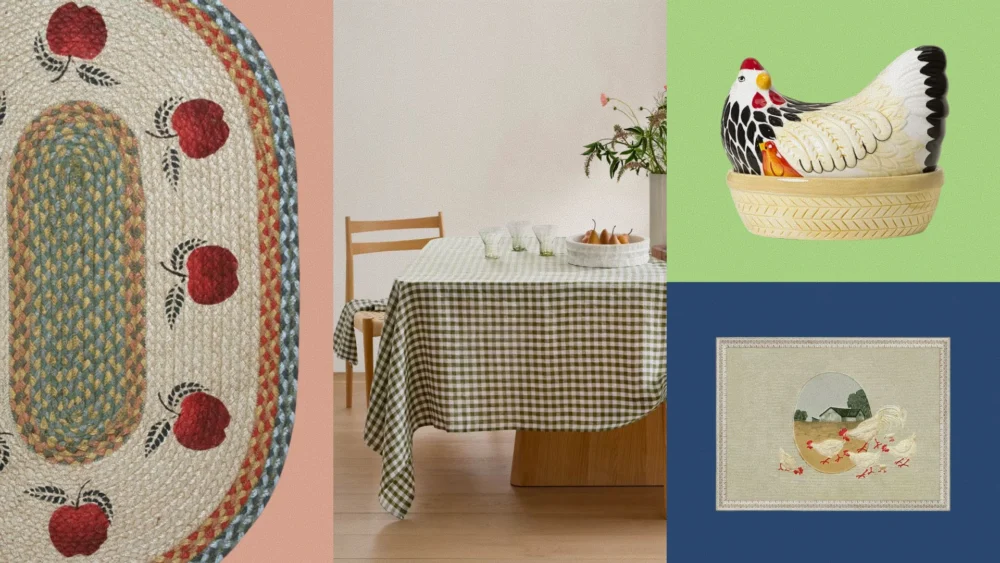
In the landscape of American interior design, certain aesthetics transcend mere trends to become cultural touchstones, deeply embedded in collective memory. One such phenomenon is the "Country Kitchen" style, particularly prevalent in the 1990s, often characterized by its distinctive use of pastoral motifs, warm wood tones, and an overarching sense of domestic comfort. This aesthetic, while perhaps viewed through a nostalgic lens today, represented a significant facet of home decor, offering a sanctuary of provincial bliss that resonated deeply with families across the nation.
Origins and Defining Characteristics of the 1990s Country Kitchen
The roots of the 1990s Country Kitchen can be traced back to earlier rustic and farmhouse styles that gained traction in the 1970s and 80s, often as a counterpoint to more formal or avant-garde design movements. However, the 90s iteration evolved into a distinct expression, moving beyond mere rusticity to embrace a more curated, almost idealized vision of rural life. The decade saw a widespread adoption of specific elements that collectively defined this look.
Central to the 90s Country Kitchen was its emphasis on warmth and approachability. Honeyed wood cabinetry, typically oak or pine, formed the backbone of these spaces, lending a golden, inviting glow. This was often complemented by soft, muted color palettes—creams, sage greens, cornflower blues, and buttery yellows—which further enhanced the welcoming atmosphere. Fabrics played a crucial role, with green gingham tablecloths, floral patterns, and frilly valences adorning windows, softening architectural lines and adding a touch of homespun charm.
Beyond the foundational elements, the Country Kitchen was distinguished by its decorative accents, which often leaned heavily into pastoral and animal themes. Roosters, hens, and plump country geese became ubiquitous motifs, appearing on everything from stoneware cookie jars and ceramic figurines to wall art, dish towels, and even wallpaper borders. These avian embellishments, sometimes depicted wearing whimsical bonnets and ribbons, were more than just decorations; they were symbols of a perceived connection to simpler, agrarian times, even for households far removed from actual farm life. Other popular motifs included apples, berries, sunflowers, and general farm-related imagery like barns or milk cans. Longaberger baskets, often filled with shiny red apples or other produce, were another hallmark, embodying a handcrafted, traditional aesthetic that appealed to a desire for authenticity.
The Kitchen as a Cultural Hearth in the 1990s
During the 1990s, the kitchen maintained its status as the undeniable heart of the home, a central gathering point for family meals, holiday traditions, and everyday interactions. The Country Kitchen aesthetic amplified this role, transforming the space into a comforting haven. For many, it evoked a sense of security and belonging. This design choice was often interpreted as an aspirational statement—a desire to cultivate an environment that felt nurturing and abundant, where guests might instinctively expect a basket of freshly laid eggs, even if the nearest farm was miles away.
The widespread adoption of this style suggested a collective yearning for certain values. In an era witnessing rapid technological advancements and increasing societal complexities—the dawn of the internet, the rise of globalized media—the Country Kitchen offered a nostalgic retreat. It represented stability, tradition, and an idealized domesticity. For children growing up in the 90s, these kitchens often became safe spaces, their familiarity extending beyond their own homes into those of friends and neighbors. The sight of a familiar rooster figurine or a gingham pattern could immediately signal a comforting environment, fostering a sense of ease for even the most introverted child. This ubiquity contributed to its cultural significance; it wasn’t just a style, but a shared experience.
This trend was not monolithic in its animal motifs; while chickens reigned supreme, variations existed. Some households opted for bovine themes, with cow-patterned canisters, cow-printed linens, and herds of cow figurines adorning shelves. Others leaned into fruit, with apple-themed borders framing entire kitchen and dining areas, showcasing a dedication to their chosen pastoral emblem. These variations, while distinct, all shared the core sensibility of the 90s Country Kitchen: an embrace of wholesome, agrarian-inspired decor designed to create a warm, inviting atmosphere.
The Decline and Subsequent Evolution of Kitchen Design
As the 1990s drew to a close and the new millennium approached, design sensibilities began to shift. The Country Kitchen, once a symbol of comfort, gradually started to be perceived as dated or overly sentimental by a segment of the population. The early 2000s ushered in new trends that favored sleekness, sophistication, and often a more overtly luxurious feel.
The rise of the "Tuscan" kitchen, characterized by darker wood, wrought iron accents, and earthy tones, offered a more opulent alternative. This was followed by a move towards more minimalist and contemporary designs, emphasizing clean lines, neutral palettes, and industrial materials. Stainless steel appliances, once a sign of high-end commercial kitchens, became standard in residential settings, replacing the more humble white or almond finishes of previous decades. Granite and then quartz countertops supplanted laminate and ceramic tile. Open-concept living gained popularity, integrating kitchens seamlessly into living and dining areas, demanding a more streamlined aesthetic that could blend with broader architectural styles.
The proliferation of design shows on television and the emergence of home decor magazines further accelerated these shifts, democratizing access to new trends and often implicitly (or explicitly) critiquing older styles. The "farmhouse" aesthetic did not entirely vanish, but it underwent a significant modernization, giving rise to "modern farmhouse." This updated style retained some rustic elements like reclaimed wood and shiplap, but paired them with stark whites, grays, and minimalist accessories, a far cry from the overtly charming and colorful 90s Country Kitchen. Mason jars, once a utilitarian item or craft supply, were repurposed as chic decor, symbolizing the selective appropriation of rustic elements within a contemporary framework.
The Cyclical Nature of Trends and the Call for Revival
Today, over two decades removed from its heyday, the 1990s Country Kitchen is experiencing a wave of nostalgic reconsideration. Interior design, much like fashion, operates on a cyclical pattern, with trends often resurfacing roughly 20 to 30 years after their initial prominence. The current resurgence of 90s fashion, music, and pop culture is a strong indicator that home decor from the era is ripe for re-evaluation.
Cultural commentators suggest that this yearning for familiar aesthetics often intensifies during periods of global uncertainty or rapid change. The "sterile" and "cookie-cutter" minimalism that has dominated kitchen design for years, characterized by unadorned surfaces, muted color schemes, and high-tech, often intimidating appliances, has begun to feel impersonal to some. While efficient and visually clean, these spaces sometimes lack the warmth and personality that many now seek. The ubiquitous stainless-steel appliances, which can resemble laboratory equipment, and the limited color palettes (often punctuated only by an "Our Place" pan) have led to a sense of design fatigue among those desiring more character and comfort in their homes.
This emerging counter-movement champions authenticity, personality, and a return to designs that prioritize connection and relaxation over sleek, Instagram-curated perfection. There is a growing desire for kitchens that feel lived-in, welcoming, and deeply personal. The 90s Country Kitchen, with its honey oak woodwork, buttery yellow paint, and charming accouterments, offers a compelling alternative to current prevailing trends.
Implications for Contemporary Design and Consumer Behavior
A potential revival of the 90s Country Kitchen aesthetic carries several implications for the interior design industry and consumer markets. Retailers may begin to see increased demand for vintage-inspired items, such as country goose cookie jars, vintage Corningware, and Longaberger-style baskets. This could also spur manufacturers to reintroduce patterns and motifs that were popular in the 90s, albeit with subtle updates to appeal to a contemporary audience.
Interior designers might find themselves tasked with incorporating elements of this nostalgic style into modern homes, balancing traditional warmth with contemporary functionality. This does not necessarily mean a wholesale reproduction of 90s kitchens but rather an integration of key elements—the cheerful color palettes, the comforting textures, the playful motifs—into a more eclectic or personalized design scheme. The emphasis would be on creating a space that feels genuinely inviting and lived-in, rather than a showpiece.
The broader cultural impact of such a revival reflects a deeper societal shift. It suggests a weariness with transient microtrends and a longing for enduring comfort and a sense of history within one’s living spaces. Consumers are increasingly valuing items with character and a story, leading to a greater appreciation for antique finds, handmade goods, and styles that evoke pleasant memories. This trend is also subtly influenced by a growing awareness of sustainability, as repurposing vintage items aligns with eco-conscious consumption patterns, favoring longevity and charm over disposable decor.
In essence, the call to "bring back the 90s Chicken Kitchen" is more than just a superficial plea for specific decor items. It represents a deeper desire for a particular feeling—a feeling of security, welcome, and love, historically embodied by a kitchen designed as a nurturing family hub. As design cycles continue to turn, the enduring appeal of comfort, familiarity, and a touch of wholesome nostalgia suggests that the spirit of the 90s Country Kitchen may indeed find its way back into the heart of modern homes, albeit with a refreshed perspective.
