

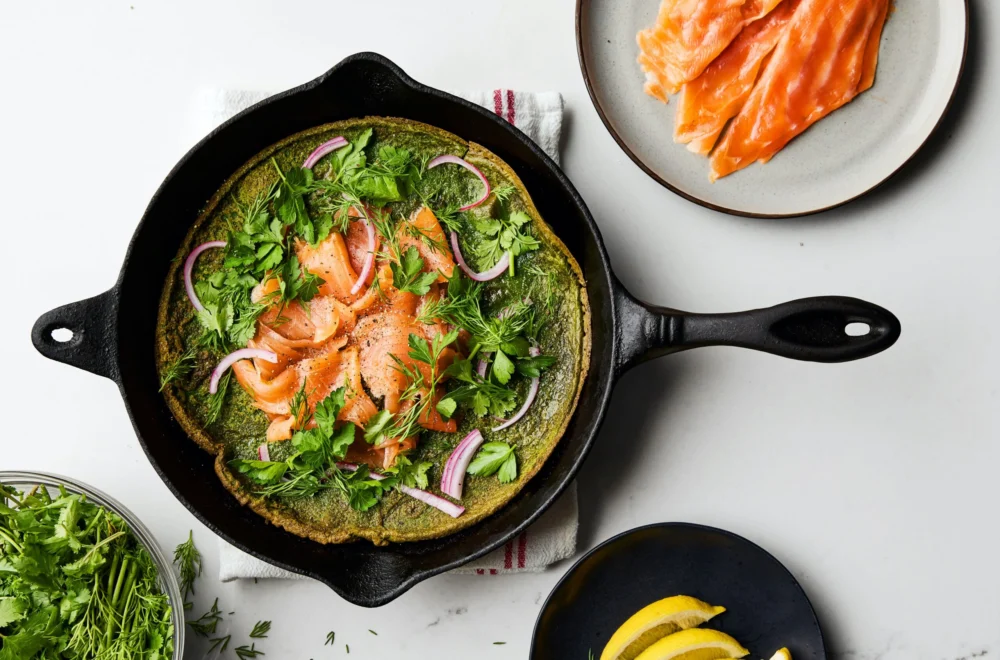
Easter Sunday, a day steeped in centuries of tradition, religious observance, and secular celebration, invariably begins for many with a culinary ritual that has solidified its place as a cornerstone of the holiday: Easter brunch. Far more than just a meal, this mid-morning repast serves as the foundational "fuel" for the day’s festivities, from spirited egg hunts to contemplative family gatherings, effectively setting a joyous and anticipatory tone that resonates throughout the entire day. Unlike its more formal evening counterpart, Easter dinner, which might feature a stately braised leg of lamb or classic maple-roasted carrots, brunch offers a unique blend of indulgence and tradition, presenting an opportune moment to savor everything from fried eggs to decadent chocolate treats long before noon. The strategic crafting of the perfect Easter brunch spread, incorporating an array of egg bakes, delicate coffee cakes, fluffy pancakes, and an abundance of vibrant spring produce, becomes not merely a culinary endeavor but an essential component in the pursuit of holiday cheer and, for some, the reclaiming of an informal "Egg King" title from a competitive nephew.
The Historical and Cultural Tapestry of Easter
To fully appreciate the significance of Easter brunch, one must first understand the rich historical and cultural context from which Easter itself emerged. Easter, or Pascha, is the most important religious festival in the Christian calendar, commemorating the resurrection of Jesus Christ three days after his crucifixion. Its roots extend deeply into ancient traditions, evolving from the Jewish Passover, celebrating the liberation of the Israelites from slavery in Egypt. The date of Easter, determined by a complex calculation involving the vernal equinox and the lunar cycle, signifies renewal and rebirth, aligning perfectly with the arrival of spring in the Northern Hemisphere.
Over centuries, alongside its profound religious meaning, Easter acquired a vibrant array of secular customs. The Easter Bunny, a symbol of fertility and new life, originated in German folklore, bringing eggs to well-behaved children. The tradition of decorating and hunting for eggs, dating back to ancient pagan spring festivals, was later adopted by Christians as a symbol of new life emerging from the eggshell, representing Christ’s resurrection from the tomb. These elements — the religious solemnity, the jubilant celebration of spring, and the child-centric activities — collectively shaped the holiday’s multifaceted character, creating a demand for a meal that could bridge diverse schedules and celebratory moods.
The Evolution of Brunch: A Perfect Fit for Easter
Brunch itself is a relatively modern invention, believed to have originated in England in the late 19th century as a post-hunting meal, though it gained widespread popularity in the United States in the 1930s. It was conceived as a leisurely, social meal that combined elements of breakfast and lunch, typically enjoyed on Sundays. Its appeal lay in its flexibility, allowing for later wake-up times and providing a relaxed alternative to traditional, more rigid meal schedules.
The adoption of brunch for Easter was a natural progression. For many, Easter Sunday involves attending church services, which often conclude late morning. Following this, families might participate in an outdoor egg hunt or gather for extended family visits. A traditional breakfast would be too early, and a full dinner too late or too cumbersome immediately after morning activities. Brunch, therefore, presented the ideal solution: a substantial, yet relaxed meal that could accommodate varying schedules, blend sweet and savory dishes, and cater to both early risers and those who prefer a more leisurely start to their holiday. It became the ultimate compromise, perfectly aligning with the celebratory, often unhurried pace of the holiday.
The Culinary Landscape of Easter Brunch: A Symphony of Flavors
The quintessential Easter brunch spread is a testament to culinary diversity and seasonal abundance. At its core, it marries the comforting staples of breakfast with the more robust offerings of lunch, often with a distinct nod to spring’s freshest bounty.
Breakfast Staples Elevated:
- Pastries: Flaky croissants, often served with artisanal jams and butter, are a cornerstone, alongside pain au chocolat, muffins, and danishes. The mention of coffee cake points to a broader category of sweet, leavened breads, frequently adorned with streusel toppings or fruit fillings.
- Waffles and Pancakes: These classic griddle items are transformed into festive fare with fresh berries, whipped cream, maple syrup, and sometimes even chocolate chips, catering to both children and adults.
- Egg Dishes: Beyond simple fried eggs, Easter brunch elevates the humble egg. Egg bakes, such as stratas or frittatas, are popular for their ease of preparation for large groups. Quiche, a savory custard tart, offers endless variations with spinach, cheese, ham, or spring vegetables. Eggs Benedict, with its poached eggs, Canadian bacon, English muffin, and hollandaise sauce, remains a beloved, indulgent classic.
Savory Lunch Additions:
- Meats: While lamb is often reserved for dinner, brunch might feature spiral-cut ham, often glazed with honey or brown sugar, or smoked salmon with capers, cream cheese, and bagels.
- Vegetables: The emphasis on "plenty of spring produce" is crucial. Asparagus spears, often roasted or steamed, bright green peas, crisp radishes, and tender new potatoes bring freshness and color to the table. Fruit platters, bursting with strawberries, blueberries, melon, and grapes, offer a light and refreshing counterpoint.
- Salads: Light green salads with vinaigrette dressings, or more substantial pasta or grain salads, can round out the savory offerings.
Beverages and Indulgences:
- Sparkling Wine Cocktails: The original article’s mention of sparkling wine cocktails highlights a key element of brunch’s celebratory atmosphere. Mimosas (orange juice and sparkling wine) and Bellinis (peach puree and sparkling wine) are ubiquitous, signaling a festive occasion.
- Non-Alcoholic Options: Freshly squeezed juices (orange, grapefruit, cranberry), gourmet coffee blends, and an assortment of teas ensure options for all palates.
- Desserts: Beyond chocolate eggs, which are a non-negotiable Easter staple, carrot cake, lemon tarts, hot cross buns, and various fruit pies or crumbles provide a sweet conclusion.
Supporting Data and Economic Impact
The popularity of Easter brunch translates into significant economic activity. Industry reports consistently rank Easter among the top holidays for consumer spending on food, decorations, and candy. In the weeks leading up to Easter, grocery stores report a surge in sales of key brunch ingredients. For instance, sales of eggs, baking mixes, fresh produce (especially berries and asparagus), ham, and sparkling wines see a noticeable uptick.
Economic analyses suggest that the food service industry experiences a substantial boost during Easter. Restaurants, particularly those offering elaborate brunch buffets, often report full bookings weeks in advance. A survey by the National Retail Federation typically indicates that a significant portion of consumers plan to celebrate Easter with a special meal, often at home, but a growing segment chooses to dine out. This trend supports not only restaurants but also local bakeries, caterers, and farmers who supply fresh, seasonal ingredients. The average American household spends a considerable sum on Easter celebrations, with food consistently being the largest category of expenditure, underscoring the central role of the Easter meal in holiday planning.
The Synergy of Brunch and the Egg Hunt: Fueling the Festivities
The original article aptly describes brunch as the "fuel you’ll need for the festivities ahead," particularly the annual egg hunt. This connection highlights the meal’s functional as well as its celebratory role. A hearty brunch provides the sustained energy required for children (and competitive adults) to meticulously search for hidden eggs, navigate obstacles, and perhaps even engage in a friendly rivalry to "reclaim that Egg King title."
Beyond the physical sustenance, brunch fosters a sense of camaraderie and shared experience before or after these activities. Families gather around the table, recounting past egg hunt glories, strategizing for the current year, and simply enjoying each other’s company. This intergenerational participation is a hallmark of Easter, with grandparents, parents, and children all finding joy in the traditions, making the brunch table a central hub for connection.
Evolving Trends and the Future of Easter Brunch
The landscape of Easter brunch is not static; it continues to evolve with changing culinary trends and societal preferences. While traditional elements remain popular, there’s a growing demand for diverse options.
Dietary Inclusivity: With increasing awareness of dietary restrictions and preferences, many hosts and restaurants now offer vegetarian, vegan, and gluten-free alternatives. Plant-based quiches, vegan pancakes, and gluten-free pastries are becoming commonplace, ensuring that everyone can partake in the celebratory meal.
Global Influences: Beyond traditional European-American fare, menus are increasingly incorporating global flavors. Shakshuka (a Middle Eastern baked egg dish), congee (Asian rice porridge), or Mexican-inspired breakfast burritos might find their way onto a contemporary Easter brunch spread, reflecting a more diverse culinary palate.
Convenience and Experience: The decision between a home-cooked brunch, catering, or dining out is often influenced by lifestyle. While many cherish the tradition of preparing a homemade feast, busy schedules lead others to opt for catered options or restaurant reservations, valuing the experience and convenience over the labor. Restaurants, in turn, strive to create unique ambiance and themed menus to attract patrons seeking a special Easter experience.
Statements from the Culinary and Social Spheres
"Easter brunch is truly special because it’s where seasonality and celebration intersect," remarks Chef Alistair Finch, owner of ‘The Spring Table’ bistro. "We’re always excited to highlight the freshest produce – the first asparagus, the sweetest strawberries. It’s about bringing that vibrant promise of spring directly to the plate, often with a twist on classic comfort foods."
From a market perspective, Dr. Eleanor Vance, a food industry analyst, notes, "Easter’s consistent performance in consumer spending underscores the enduring value families place on shared meals. Brunch, in particular, hits a sweet spot: it’s festive without being overly formal, allowing for both culinary indulgence and social interaction, which are key drivers for holiday expenditure."
"For our family, Easter brunch is more than just food; it’s the anchor of the day," shares Sarah Chen, a mother of two. "It’s where we gather after church, before the chaos of the egg hunt. It sets a relaxed, happy tone, and it’s full of traditions – like my grandmother’s special coffee cake. It’s about creating those lasting memories."
Broader Cultural Significance and Implications
The enduring popularity of Easter brunch has broader cultural implications. It reinforces the importance of family gatherings and community celebration in a fast-paced world. In an era where sit-down meals can be rare for many families, holiday brunches provide a dedicated time for connection, conversation, and shared joy. It represents a pause, a moment to appreciate renewal and togetherness, bridging the sacred and the secular aspects of the holiday.
Furthermore, Easter brunch plays a significant role in marking the arrival of spring. The seasonal ingredients — fresh greens, berries, and tender vegetables — are not just food; they are symbols of nature’s rebirth, mirroring the themes of resurrection and new beginnings central to Easter. This connection to the natural world imbues the meal with an added layer of meaning, making it a holistic celebration of life and abundance.
In conclusion, Easter brunch transcends its identity as merely a meal; it is a meticulously crafted culinary event that serves as the vibrant overture to Easter Sunday. From its historical roots in religious observance and pagan spring festivals to its modern-day manifestation as a flexible, indulgent, and family-centric feast, brunch sets the definitive tone for the entire holiday. It fuels the spirited egg hunts, fosters intergenerational connections, drives significant economic activity, and, most importantly, provides a cherished opportunity for families to gather, celebrate, and savor the promise of spring. Its unique blend of tradition, innovation, and delicious indulgence ensures its continued prominence as an indispensable element of the Easter experience, solidifying its place as a beloved annual tradition for generations to come.
