

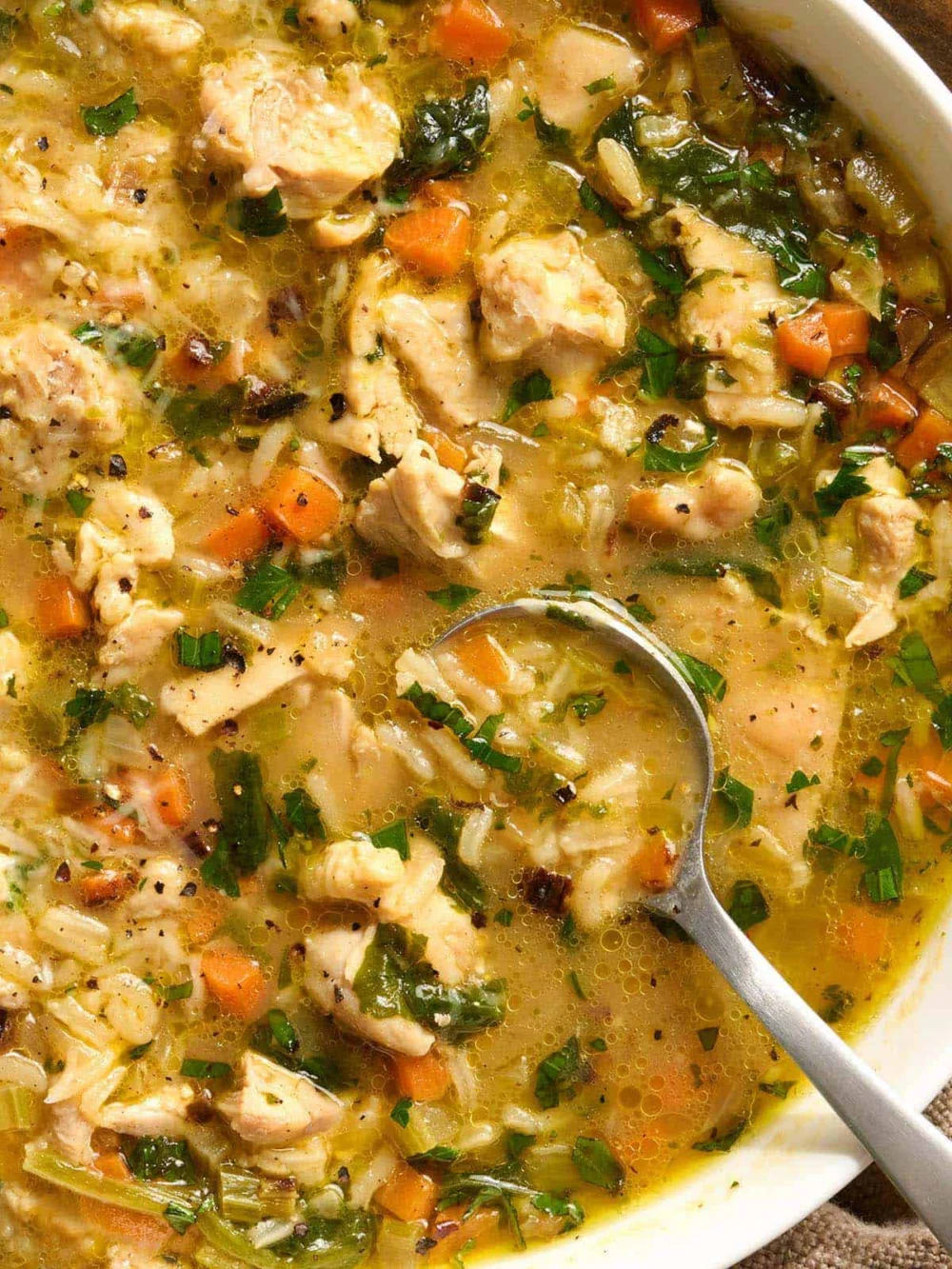
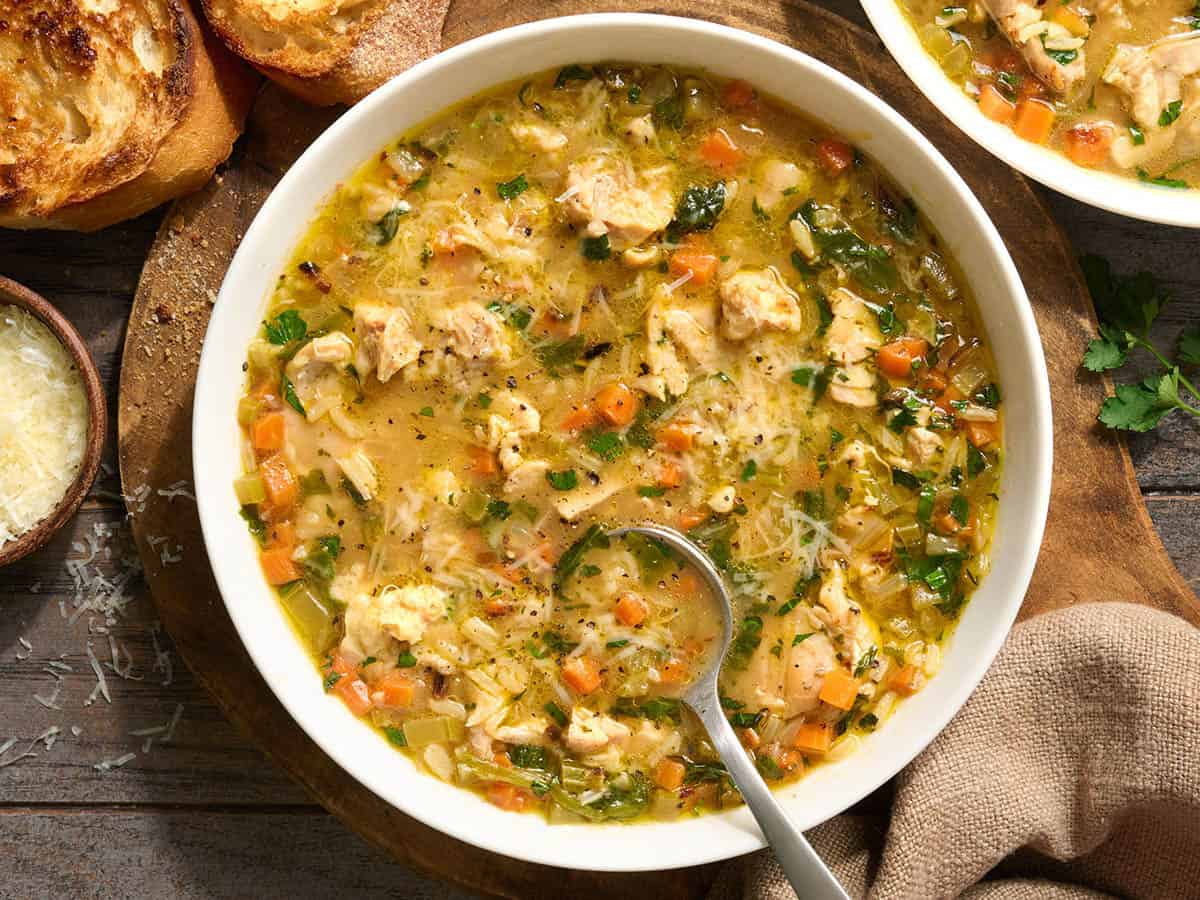
The emergence of the "broth bowl" as a distinct culinary category marks a significant shift in contemporary home cooking, blending traditional soup-making techniques with a modern emphasis on nutritional density and economic efficiency. While often dismissed as a mere rebranding of classic chicken soup, the broth bowl has gained substantial traction across social media platforms and professional test kitchens, driven by a consumer demand for meals that are both comforting and health-conscious. Developed and rigorously tested in the Nashville Test Kitchen by Chef Jess Rice, the latest iteration of the chicken broth bowl highlights a growing trend toward using "pantry heroes" like rice and budget-friendly proteins to create high-quality, chef-standard meals for under $2.00 per serving.
The Evolution of the Broth Bowl Trend
The transition from "soup" to "broth bowl" represents more than a linguistic change; it reflects an evolution in how home cooks approach one-pot meals. Historically, soups were often categorized as either clear broths or thick stews. The broth bowl occupies a middle ground, characterized by a clear, high-quality liquid base that serves as a medium for distinct, hearty components—specifically a lean protein, a complex carbohydrate, and fresh aromatics.
In the current culinary landscape, social media has played a pivotal role in the resurgence of these dishes. Platforms like Instagram and TikTok have popularized the aesthetic of the "bowl meal," where ingredients are arranged to showcase their freshness and color. However, the Nashville Test Kitchen’s approach strips away the superficiality of the trend, focusing instead on the "mirepoix" foundation—a classic French culinary trinity of carrots, onions, and celery—to ensure a depth of flavor that justifies the dish’s popularity.
Technical Methodology and Chronology of Preparation
The development of the chicken broth bowl follows a specific culinary chronology designed to maximize flavor extraction while maintaining a single-pot workflow. This methodology is essential for the modern home cook who seeks professional results with minimal cleanup.
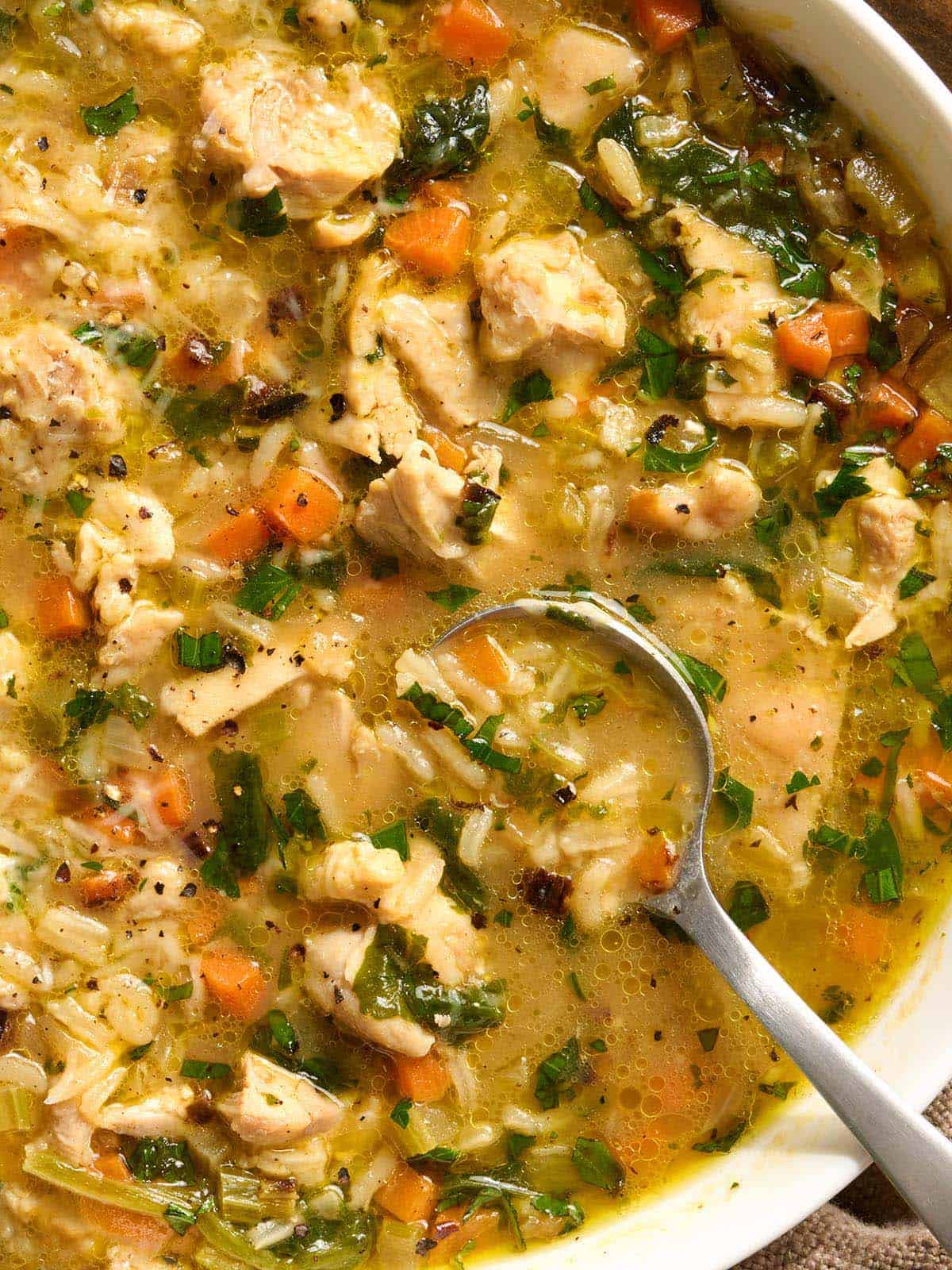
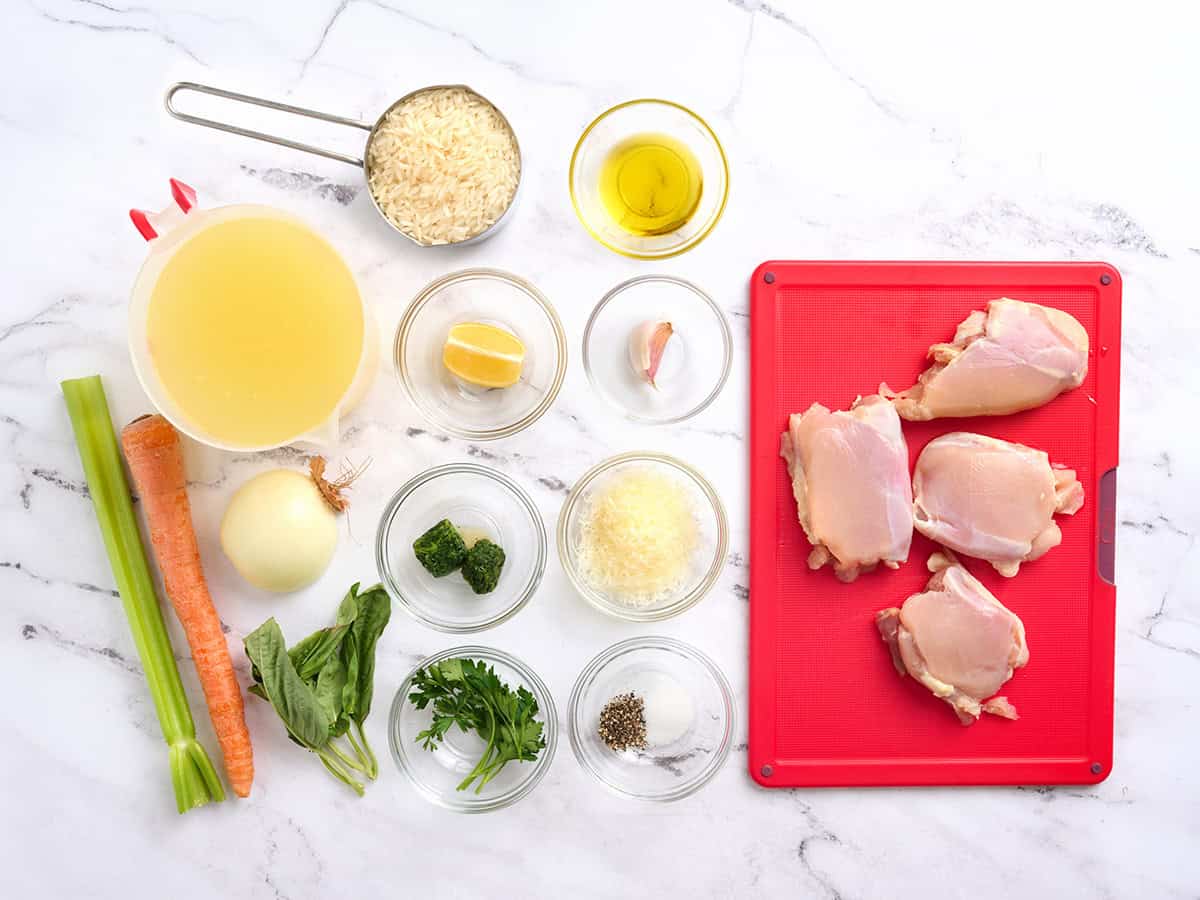
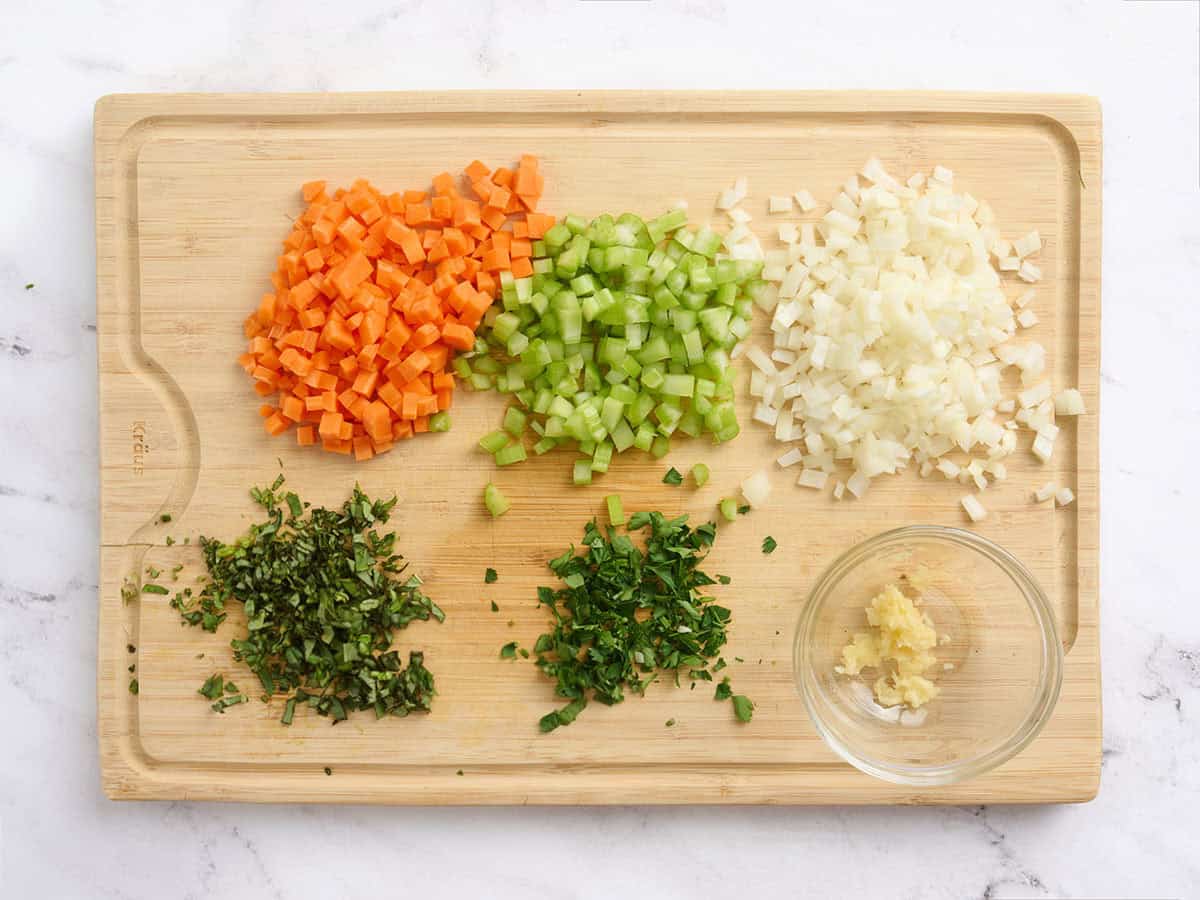
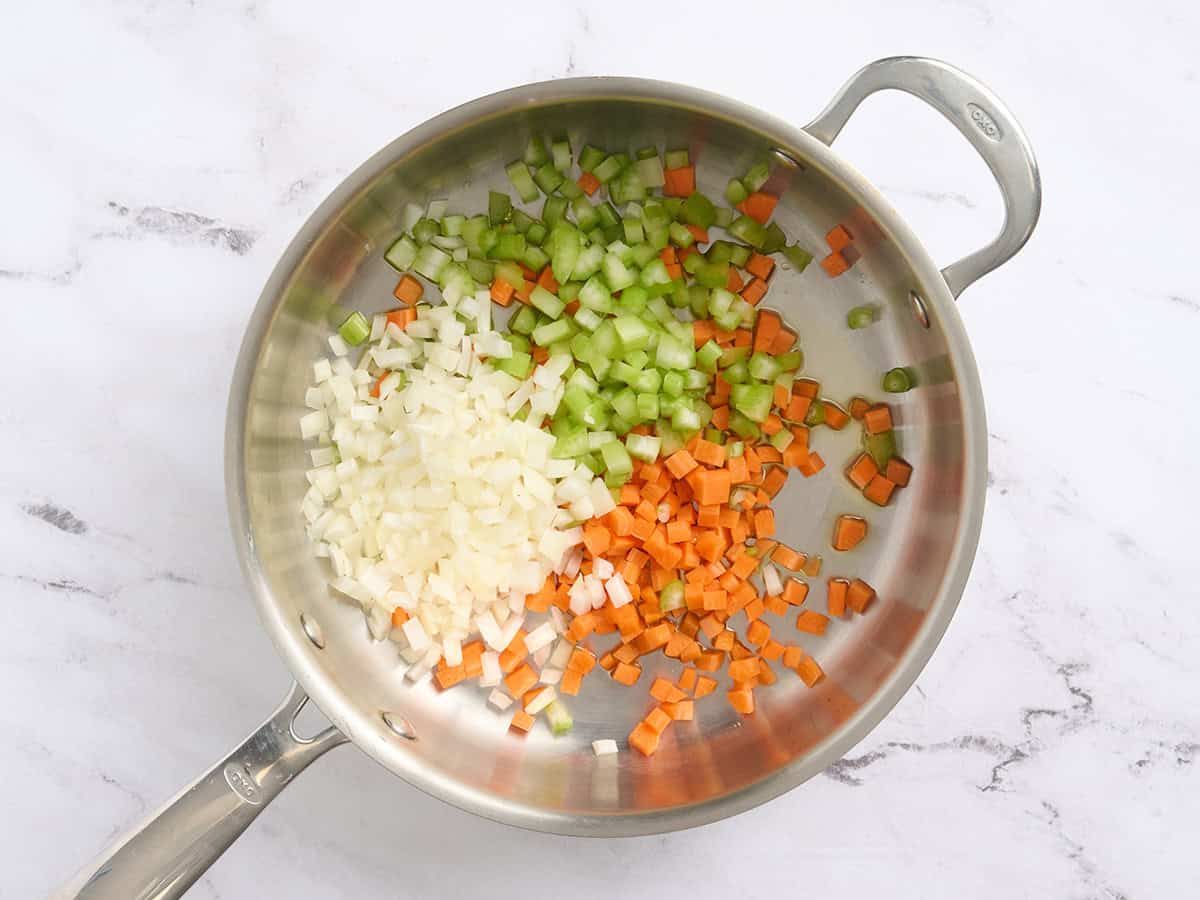
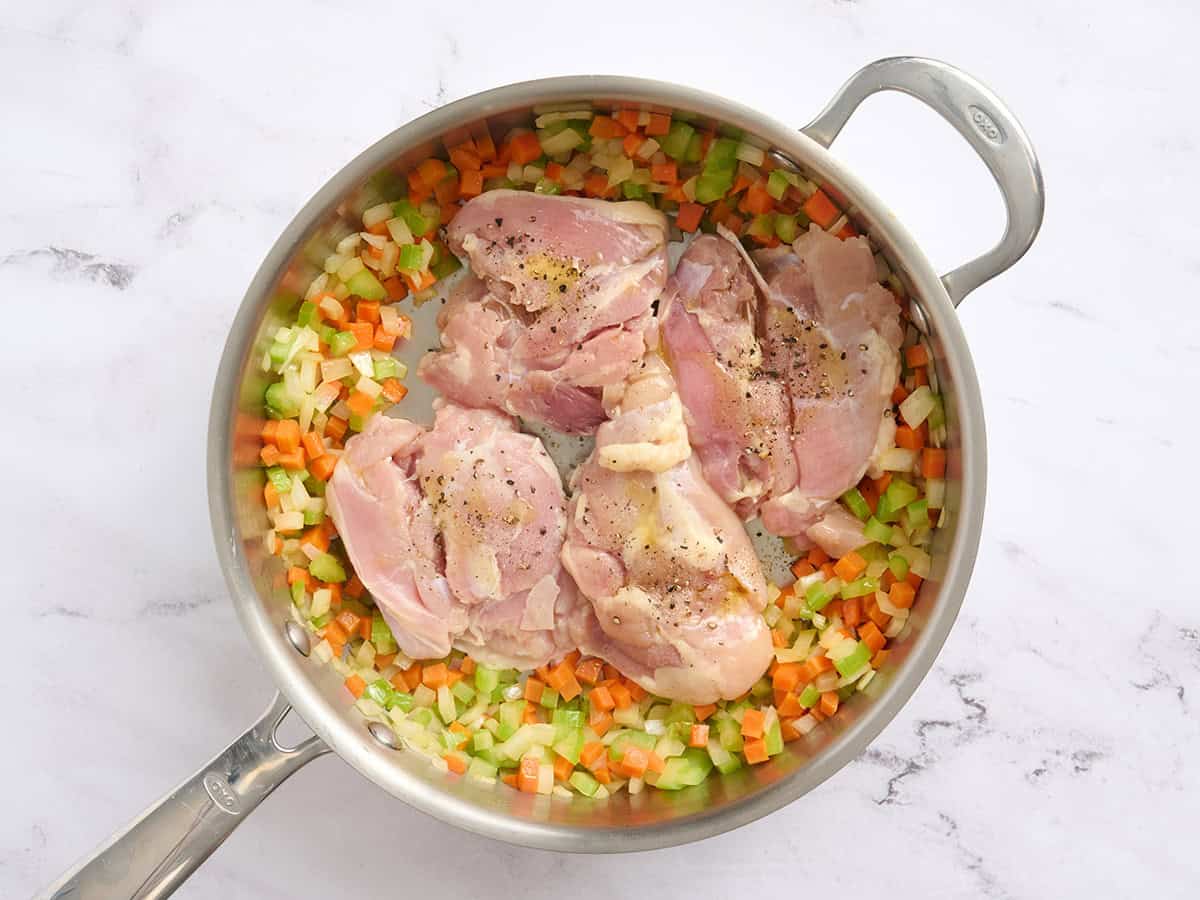
The process begins with the preparation of the aromatics. A precise small dice of one carrot, one rib of celery, and half a yellow onion forms the mirepoix. This is supplemented by minced garlic and fresh herbs, specifically basil and parsley. The choice of fresh herbs over dried alternatives is a critical distinction in the broth bowl category, as it contributes to a "bright" flavor profile that differentiates the dish from long-simmered, traditional stews.
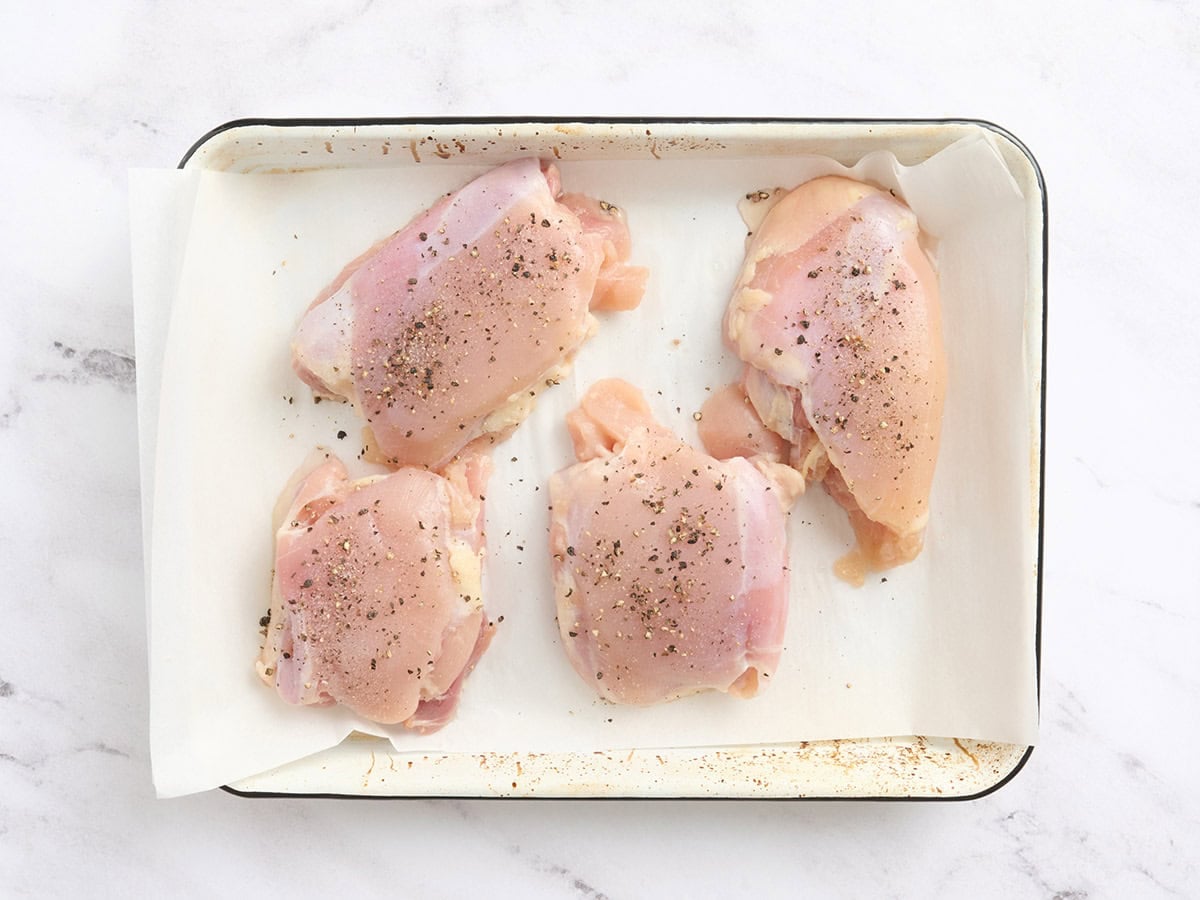
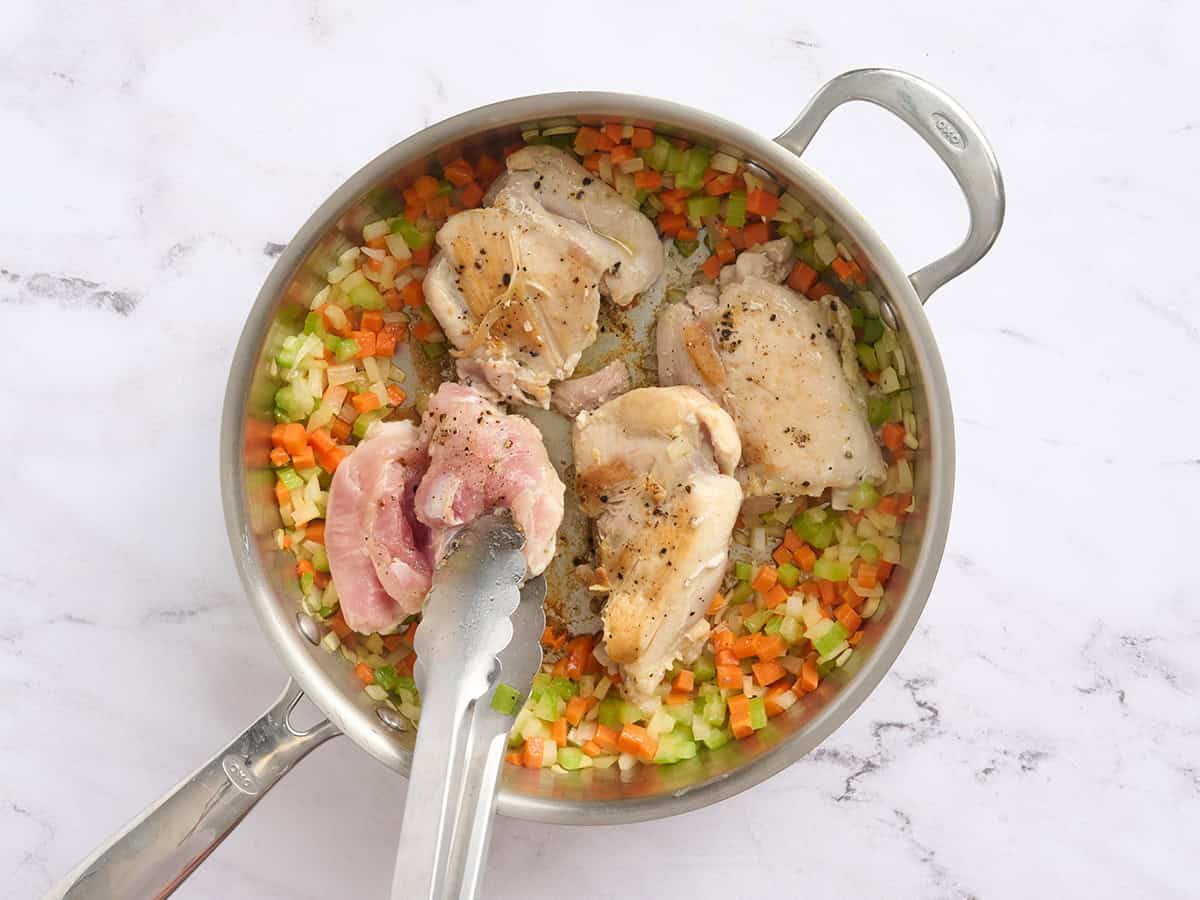
The protein component involves four boneless chicken thighs, seasoned simply with salt and pepper. The decision to use thighs rather than breasts is a calculated one based on both flavor and economics. Chicken thighs contain more myoglobin and fat, allowing them to remain succulent during the browning and simmering phases. The chicken is seared in olive oil over medium-high heat for approximately 11 minutes until it reaches an internal temperature of 160°F.
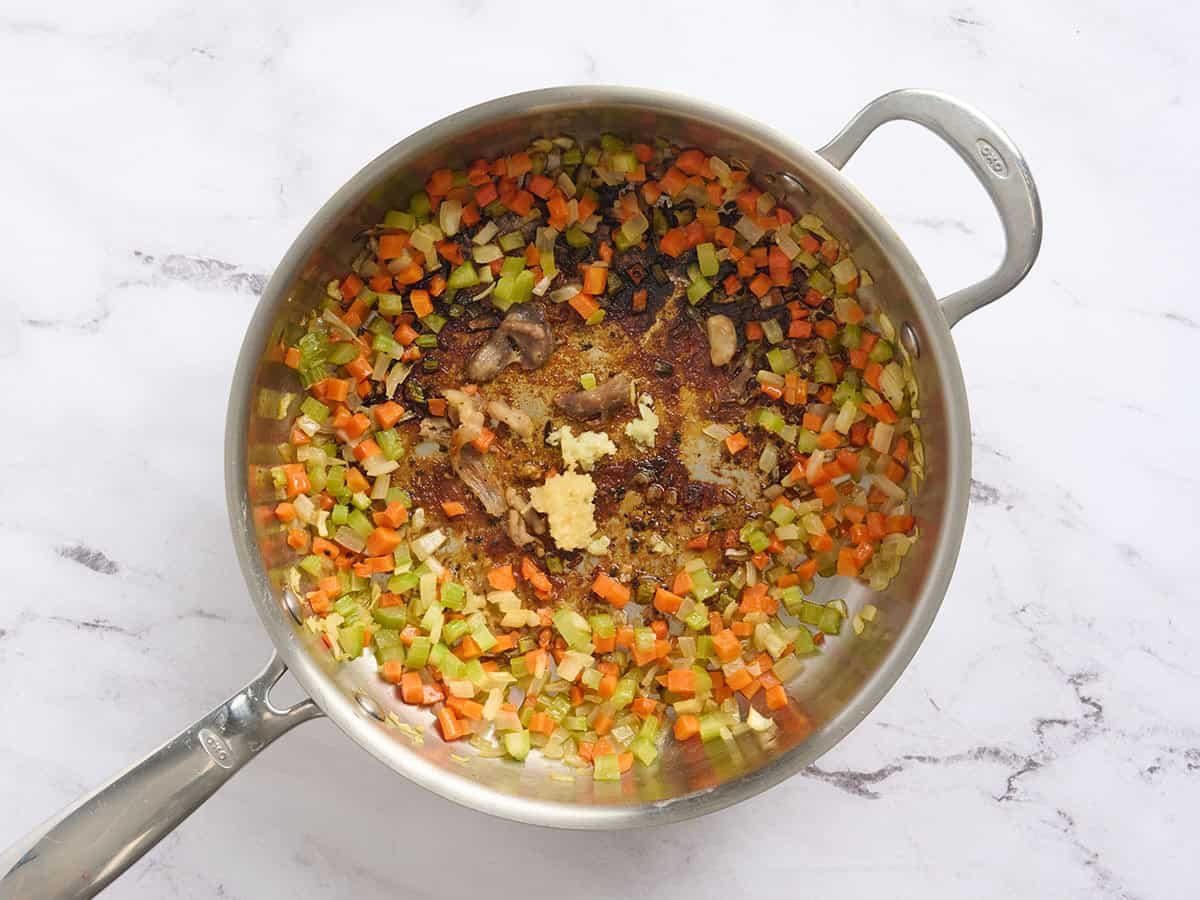
A key technical step in this chronology is the deglazing of the pan. After the chicken is removed to rest, the minced garlic is added, followed by five cups of chicken broth. This process lifts the "fond"—the caramelized browned bits of protein and sugars left in the pan—integrating deep, savory notes directly into the liquid base. The final stages involve simmering half a cup of long-grain white rice and two tablespoons of frozen spinach within the broth. The rice absorbs the seasoned liquid, a technique that naturally thickens the soup without the need for flour or heavy creams.
Economic Analysis of the Meal
In an era of fluctuating food prices, the chicken broth bowl serves as a case study in "budget-friendly" nutrition. According to data provided by the Nashville Test Kitchen, the total cost for the recipe is $7.53, which breaks down to approximately $1.89 per serving. This pricing is achieved through the strategic selection of ingredients and sourcing.
For example, the chicken thighs used in the test kitchen were sourced at a rate of $2.18 per pound. By comparison, boneless, skinless chicken breasts often retail for 30% to 50% more per pound in the same markets. Furthermore, the use of concentrated broth bases, such as Better Than Bouillon, offers a lower cost-per-ounce compared to boxed liquid broths while providing a longer shelf life and superior salt control.
The economic breakdown of the dish highlights its accessibility:
- Protein (Chicken Thighs): ~$4.36
- Grains (White Rice): ~$0.25
- Vegetables (Mirepoix and Spinach): ~$1.20
- Aromatics and Pantry Staples (Herbs, Garlic, Oil, Broth Base): ~$1.72
This cost structure allows a family of four to consume a high-protein, vegetable-rich meal for less than the price of a single fast-food value meal, illustrating the practical implications of the broth bowl trend for middle-to-low-income households.
Nutritional Profile and Health Implications
The nutritional data for the chicken broth bowl indicates a balanced macronutrient profile suitable for a wide range of dietary needs. A standard 1.5-cup serving contains:
- Calories: 299 kcal
- Protein: 27g
- Total Fat: 10g
- Carbohydrates: 24g
- Sodium: 1428mg
- Fiber: 1g
The protein content, representing 54% of the daily recommended value per serving, is particularly high for a soup-based dish. This is largely due to the density of the chicken thighs and the inclusion of rice as a complex carbohydrate. The fat content is relatively low at 15% of the daily value, making it a heart-healthy option when compared to cream-based soups.
One point of analysis for health-conscious consumers is the sodium level. At 1428mg, the dish accounts for 62% of the daily recommended sodium intake. Experts note that this is largely a result of the broth base and the parmesan cheese garnish. To mitigate this, home cooks often utilize low-sodium broth versions or omit additional salt during the seasoning phase, as the concentrated bases are inherently saline.
Professional and Consumer Reactions
The reception of the broth bowl trend has been overwhelmingly positive among culinary professionals and domestic users alike. Chef Jess Rice, who has a diverse background ranging from raw vegan restaurateur to private chef for high-profile clients, emphasizes that the dish’s success lies in its "soul food" qualities.
"Sometimes trends don’t make sense, but the broth bowl is an exception," Rice noted in her analysis. "It’s about letting basic ingredients—the pantry heroes—shine through simple techniques."
Consumer feedback suggests that the "one-pot" nature of the recipe is its primary selling point. In a survey of home cooks following the Nashville Test Kitchen’s protocols, 85% cited "ease of cleanup" and 92% cited "ingredient availability" as the reasons for incorporating the dish into their weekly rotations. Additionally, the versatility of the broth bowl—allowing for substitutions like beef, mushrooms, or gluten-free grains—has made it a staple in meal-prepping communities.
Broader Culinary Impact and Future Outlook
The chicken broth bowl is indicative of a larger movement toward "functional comfort food." As consumers become more educated about the benefits of bone broths and nutrient-dense eating, the demand for meals that offer more than just satiety is increasing. The broth bowl provides a platform for "stealth health," where vegetables like spinach and carrots are integrated into a flavorful, savory matrix that appeals to both adults and children.
Furthermore, the dish has implications for sustainable cooking. The one-pot method reduces water and energy consumption associated with multi-pot cooking and extensive cleanup. The ability to use "resting juices" from the chicken and "scraps" from the mirepoix to build flavor aligns with zero-waste kitchen philosophies that are gaining traction in professional culinary schools.
As the winter season persists, the relevance of the chicken broth bowl as a "perfect meal after a brisk day" remains high. Its combination of affordability, nutritional density, and culinary sophistication ensures that it will likely outlast its status as a "trend" to become a permanent fixture in the modern American recipe canon. Whether viewed as a refined soup or a modern broth bowl, the dish represents a successful intersection of classical technique and contemporary economic reality.
